
2025 Trailers For Sale in Illinois
Browse 2025 trailers for sale in Illinois, including van trailers and other configurations with current specs, suspension, axle, and body options.
Selling a 2025 trailer? List your 2025 trailer for sale and reach thousands of commercial buyers.
2025 Trailers in Illinois
For van trailers, also known as dry van trailers or enclosed freight trailers, the most common configuration is 53 feet long and 102 inches wide, typically with an interior height around 13 feet 6 inches overall depending on spec. Common features include aluminum construction, hardwood or laminated flooring, plywood lining, scuff liners, threshold plates, E-track or logistic posts, roll-up or swing doors, air ride suspension, and sliding tandem axles. Buyers moving palletized retail, dry food, paper goods, and general freight should pay close attention to floor rating, rear frame design, dock bumper condition, roof construction, and kingpin setting. Tire inflation systems, side skirts, low rolling resistance tires, and disc or drum brake choice can also influence operating cost and maintenance intervals.
Illinois buyers should also consider bridge law, axle spread requirements, and how the trailer will cycle through urban docks, intermodal ramps, or longer over-the-road lanes. A single axle or pup trailer may fit city and P&D applications better than a full-length tandem axle van, while a sliding tandem 53-footer offers more flexibility for legal weight distribution across multiple states. If the trailer will be dropped frequently, look closely at landing gear design, crossmember spacing, slider operation, and rear impact guard durability. On newer trailers, telematics readiness, ABS diagnostics, LED lighting, and corrosion protection are worth checking because they reduce downtime and simplify fleet standardization.
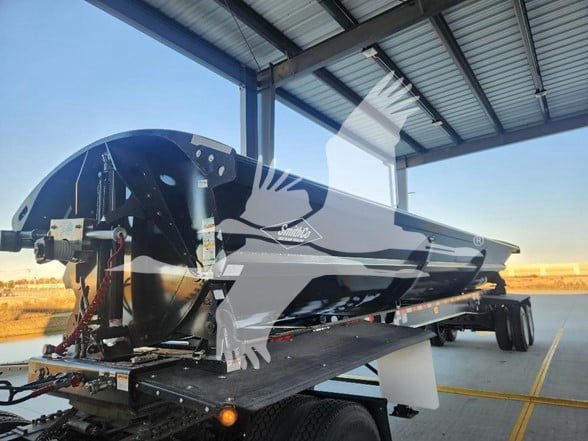
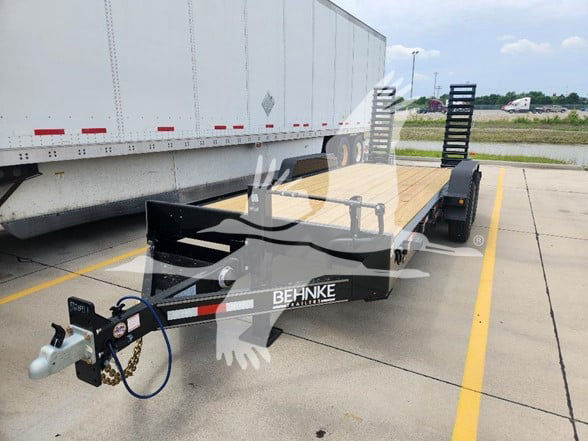
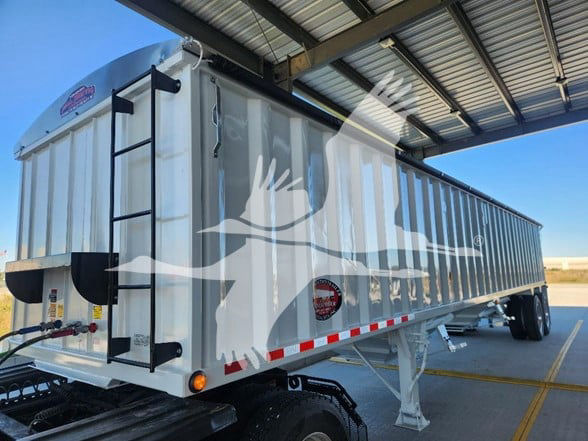
The best 2025 trailer purchase is usually the one that matches freight density, loading method, and maintenance strategy without adding unnecessary tare weight or specialized equipment. A dry van focused on high-cube freight needs different priorities than a flatbed built for machinery or a hopper trailer intended for agricultural commodities. Buyers comparing listings should start with GVWR, empty weight, body dimensions, axle and brake spec, suspension type, tire size, wheel material, and cargo securement package. Those core details tell you more about real-world suitability than badges or trim names.
Frequently Asked Questions about 2025 Trailers in Illinois
What should I look for first when comparing 2025 trailers for sale in Illinois?
Start with the trailer type and the freight it is built to handle. Body style, length, axle setup, GVWR, tare weight, suspension, brake system, and cargo securement features matter more than cosmetic differences. In Illinois, many buyers also prioritize dock-friendly dimensions, sliding tandems for weight distribution, and specifications that fit Midwest regional and over-the-road lanes.
What is the most common setup for a 2025 dry van trailer?
The most common dry van setup is a 53-foot by 102-inch trailer with tandem axles, air ride suspension, a wood floor, plywood lining, scuff liners, and either swing or roll-up rear doors. Many newer dry vans also include aerodynamic side skirts, tire inflation systems, LED lighting, and logistics track or E-track for load securement. This configuration is widely used for palletized general freight, retail freight, and distribution work.
Is a sliding tandem important on a 2025 trailer?
A sliding tandem is important for many fleets because it gives flexibility in axle weight distribution and helps meet state bridge and scaling requirements. It can also improve load placement options across different customers and lanes. For buyers running mixed routes through Illinois and neighboring states, a slider often adds more day-to-day utility than a fixed tandem setup.
Are newer 2025 trailers cheaper to maintain than older trailers?
They often are, but only if the specification matches the application. A 2025 trailer may offer newer brakes, suspension components, wiring, lighting, and corrosion protection, which can reduce early maintenance needs and unplanned downtime. However, long-term cost still depends on build quality, parts commonality, preventive maintenance, and whether the trailer is over- or under-spec'd for the freight it hauls.
How do I choose between a van trailer and other 2025 trailer types?
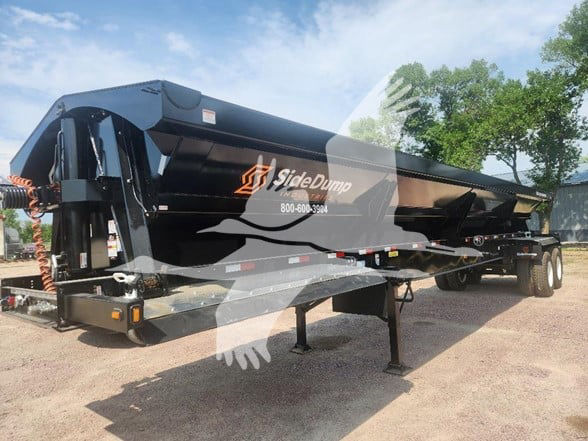
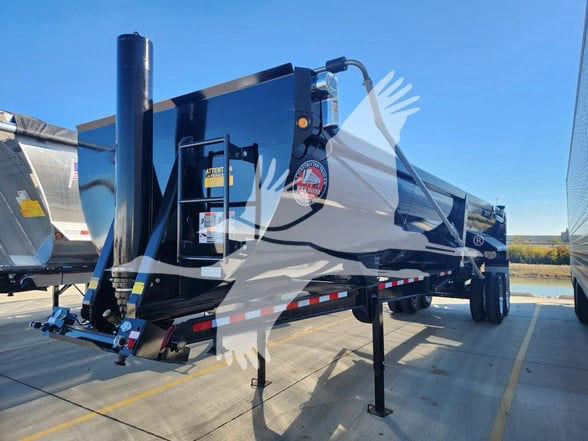
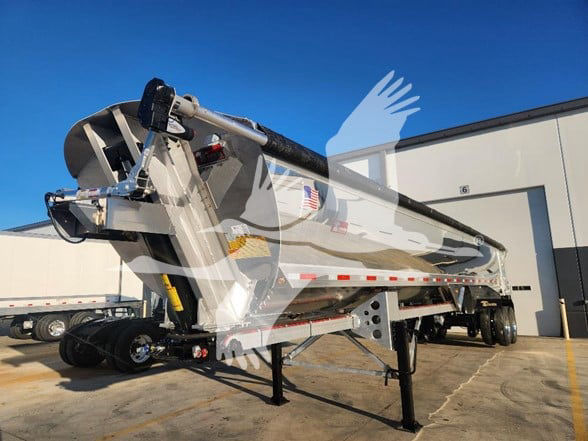
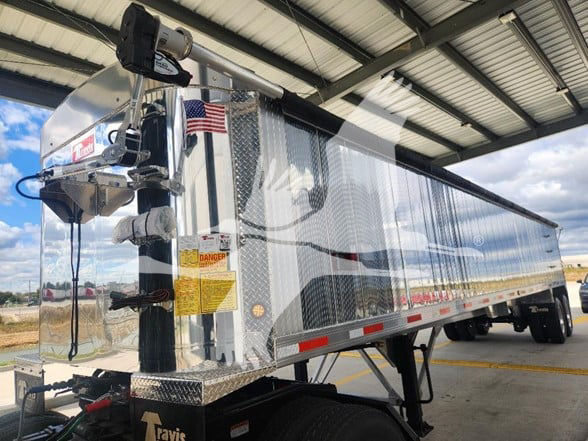
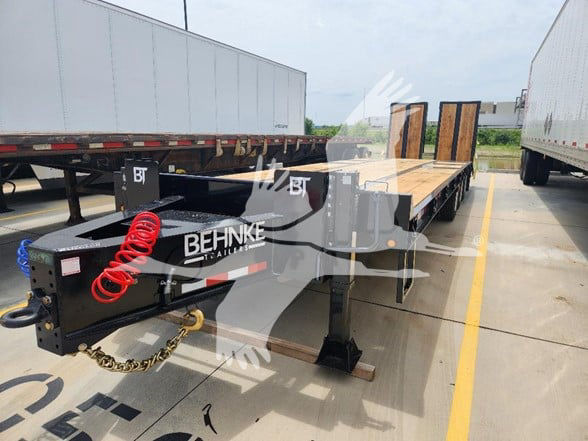
Choose based on cargo, loading method, and operating environment. A van trailer is best for protected, palletized freight and high-cube dry goods. Flatbeds and drop decks fit machinery, building materials, and freight that loads from the side or top. Hopper, tank, dump, and specialty trailers serve bulk or dedicated applications. The right trailer is the one that fits the commodity, legal weight target, and handling requirements without carrying unnecessary tare weight or features.