
2025 Flatbed Trailers For Sale in Illinois
Shop 2025 flatbed trailers in Illinois. Compare aluminum, steel, combo, tilt, and equipment-hauling flatbeds by length, GVWR, axle setup, and deck features.
Selling a 2025 flatbed trailer? List your 2025 flatbed trailer for sale and reach thousands of commercial buyers.
2025 Flatbed Trailers in Illinois
For freight use, common 2025 flatbed trailer specs include 48-foot by 102-inch decks, widespread tandem air ride suspensions, rear axle dump, LED lighting, sliding winches, recessed chain ties, coil package options, and kingpin settings around 30 inches. Combo flatbeds with aluminum floors and side rails paired with steel crossmembers remain popular because they balance corrosion resistance with structural strength. Important details include crossmember spacing, nail strip layout, winch track style, landing gear bracing, and concentrated load ratings such as 55,000 pounds in 4 feet. In Illinois and across the Midwest, road salt and seasonal moisture make corrosion protection, hub choice, and understructure condition especially important for buyers planning year-round use.
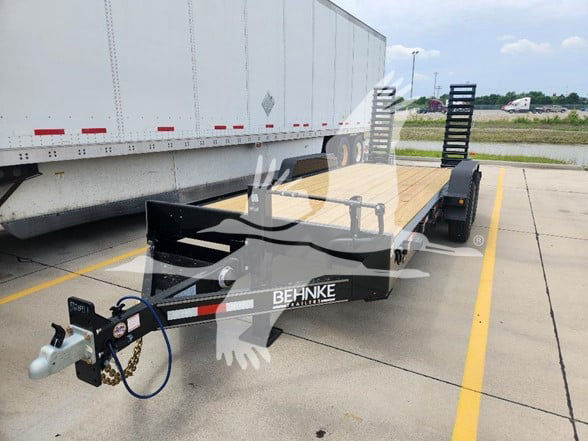
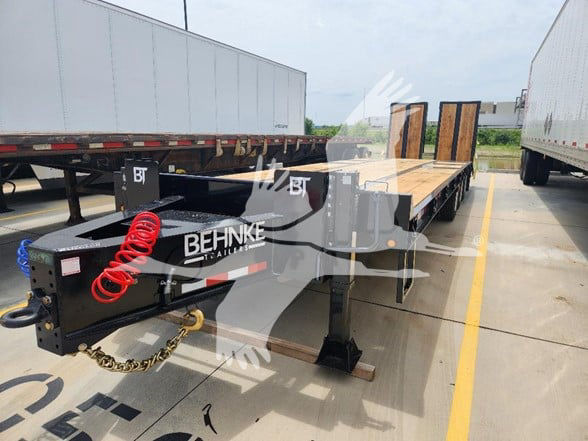
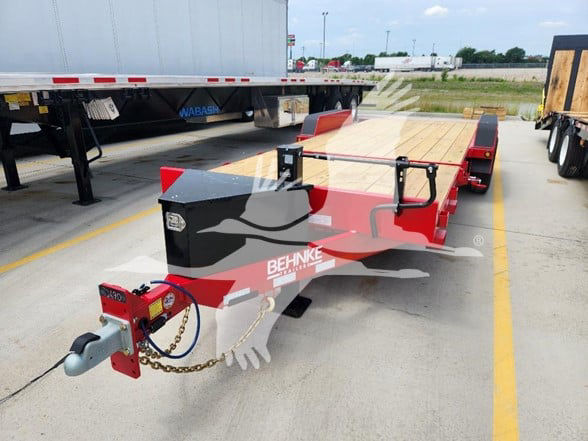
For equipment hauling, many 2025 flatbeds are built with beavertails, tilt sections, flip-up ramps, hydraulic ramps, stake pockets, D-rings, pallet fork holders, and spring-loaded drop-leg jacks. Axle configurations commonly range from tandem 8,000 to 10,000 pound electric-brake setups on smaller units up to triple-axle spring ride trailers rated around 50,000 pounds GVW. Deck width between fenders, ramp angle, beavertail length, and jack capacity matter more in daily use than headline GVWR alone. If the trailer will carry skid steers, compact excavators, telehandlers, or attachments, buyers should verify machine operating weight, track width, bucket overhang, and tongue or deck balance to avoid buying a trailer that is technically rated high enough but poorly matched in layout.
A strong 2025 flatbed trailer should also be judged by securement and serviceability. Look for adequate tie-down points, stake pockets placed where the load actually sits, brake type, oil bath or grease hub preference, tire size, and suspension design based on mileage and terrain. Air ride is usually preferred for general freight and load protection, while spring ride still has a place in rugged equipment service. If the trailer will operate heavily in Illinois, practical details such as E-Z lube axles, sealed wiring, visible breakaway system status, scuff-resistant deck materials, and readily available brake and suspension parts can reduce downtime over the life of the trailer. The best fit is the one whose deck design, axle package, and securement layout match the freight more closely than the brochure rating.
Frequently Asked Questions about 2025 Flatbed Trailers in Illinois
What is the difference between a flatbed semi-trailer and an equipment flatbed trailer?
A flatbed semi-trailer is typically a 48-foot or similar highway trailer designed for palletized freight, steel, lumber, machinery, and other over-the-road loads hauled with a tractor and fifth wheel. An equipment flatbed trailer is usually shorter, heavier built for its length, and often equipped with ramps, a beavertail, or a tilt deck for loading machines. The right choice depends on how the trailer is coupled, what type of cargo is being hauled, and whether loading is done from a dock, forklift, or by driving equipment onto the deck.
What specs matter most when comparing 2025 flatbed trailers?
The most important specs are deck length and width, GVWR or frame rating, axle capacity, suspension type, empty weight, and securement layout. Freight flatbeds should also be compared by crossmember spacing, concentrated load rating, kingpin setting, winch track, and coil package. Equipment-oriented flatbeds should be evaluated by ramp capacity, tilt design, beavertail length, jack rating, deck height, and the placement of D-rings or stake pockets. Buyers usually make the best decision when they match the trailer to the actual dimensions and weight distribution of their typical load rather than shopping only by advertised capacity.
Are aluminum combo flatbeds better than all-steel flatbeds?
Aluminum combo flatbeds are often preferred for highway freight because they reduce tare weight and resist corrosion better than all-steel designs, which can improve payload and long-term appearance. All-steel flatbeds are generally valued for ruggedness, repairability, and lower upfront cost, especially in harsher vocational use. Neither is automatically better. The right material depends on payload goals, operating environment, maintenance practices, and whether the trailer is used mainly for freight, machinery, or mixed service.
What should Illinois buyers pay attention to on a flatbed trailer?
Illinois buyers should pay close attention to corrosion protection, lighting reliability, brake condition, suspension wear points, and parts support because trailers often see wet roads, freeze-thaw cycles, and road salt. On freight flatbeds, inspect the understructure, side rails, floor condition, and winch hardware. On equipment trailers, check ramps, hinge points, hydraulic components, fender clearance, and breakaway system condition. A trailer that is easy to service locally and uses common brake, hub, and suspension components can be more valuable over time than one with less common parts.
How do I know if a flatbed trailer has enough securement points?
A flatbed trailer has enough securement points when the tie-down layout matches the cargo footprint and allows compliant securement without forcing chains or straps into poor angles. For freight trailers, that usually means adequate chain ties, sliding winches, and stake pockets positioned along the working deck. For equipment trailers, D-rings, rub rail access, and stake pockets need to align with the machine's frame and axle positions. Buyers should think through how they secure their most common loads, because an otherwise well-built trailer can become inefficient if the tie-down points are poorly placed.