
2025 Flatbed Trailers For Sale
Compare 2025 flatbed trailers by length, weight, axle setup, deck material, and load securement features for steel, lumber, and general freight.
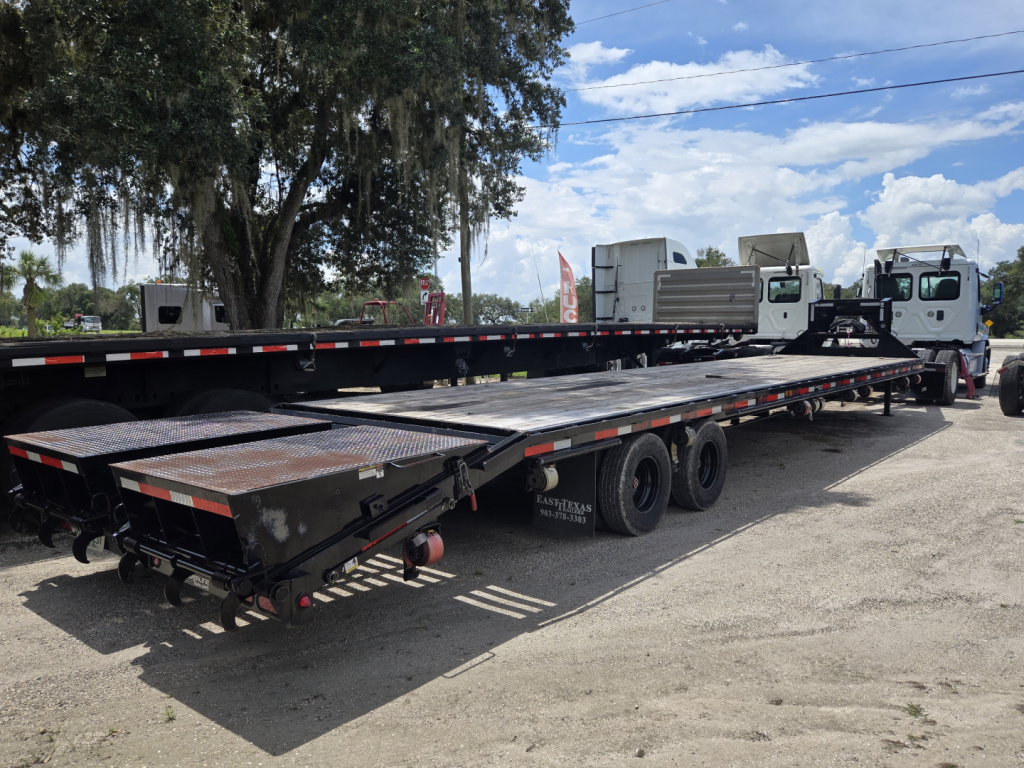
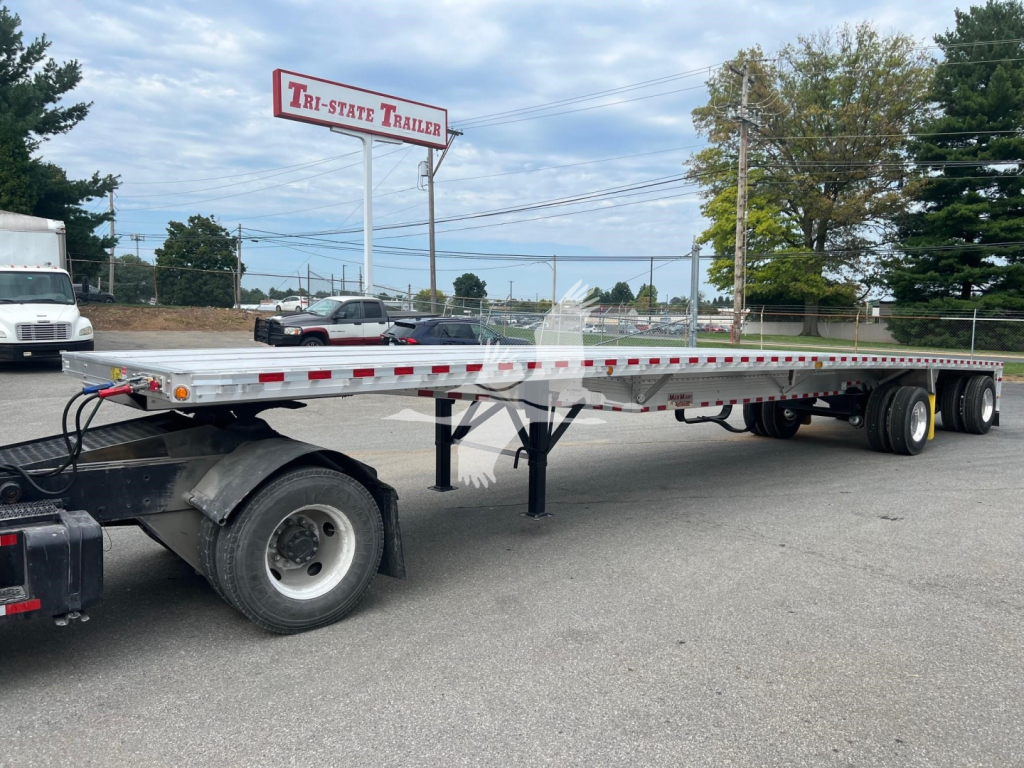
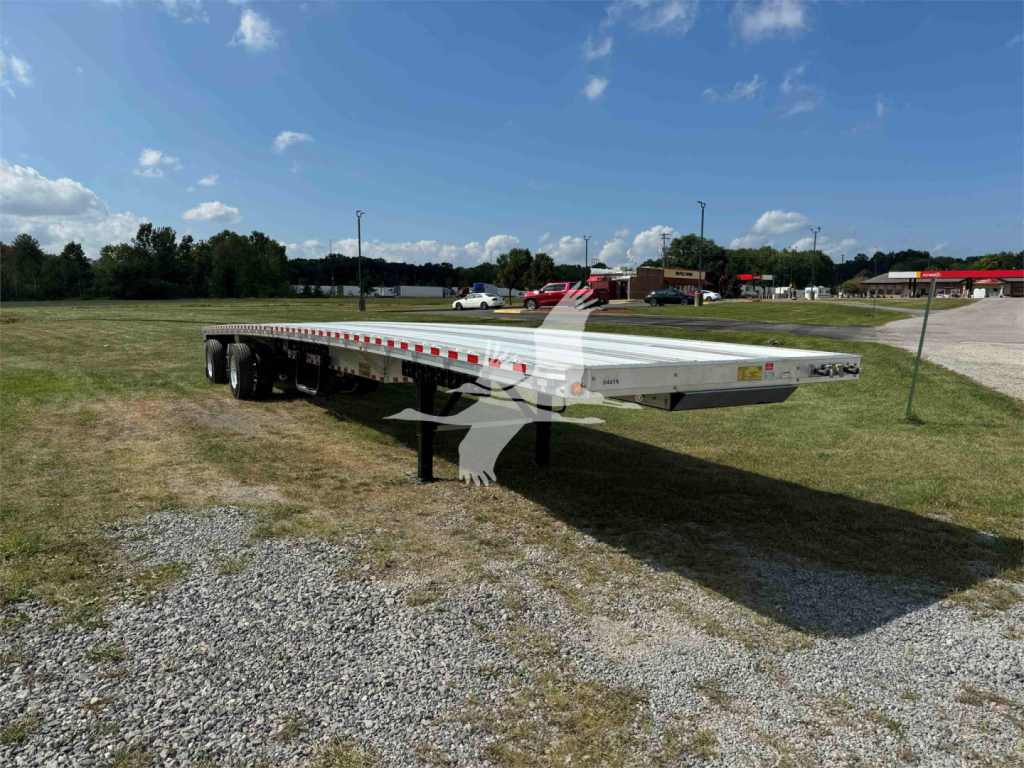
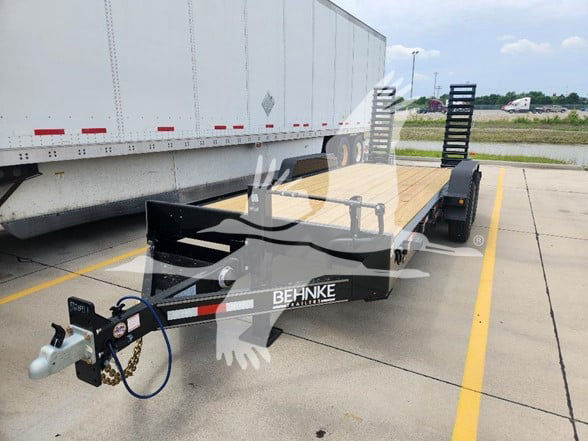
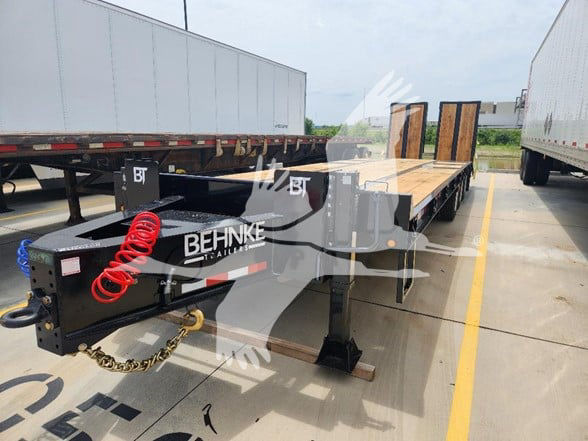
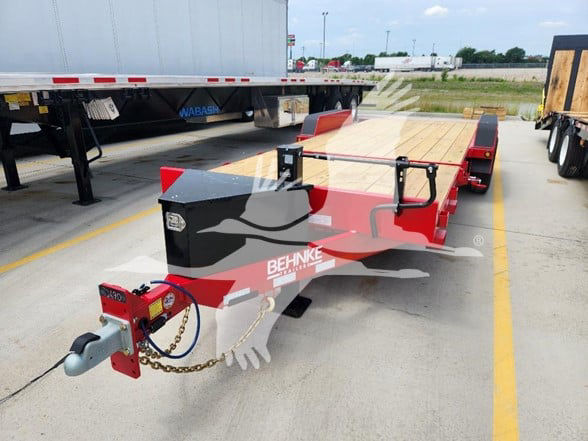
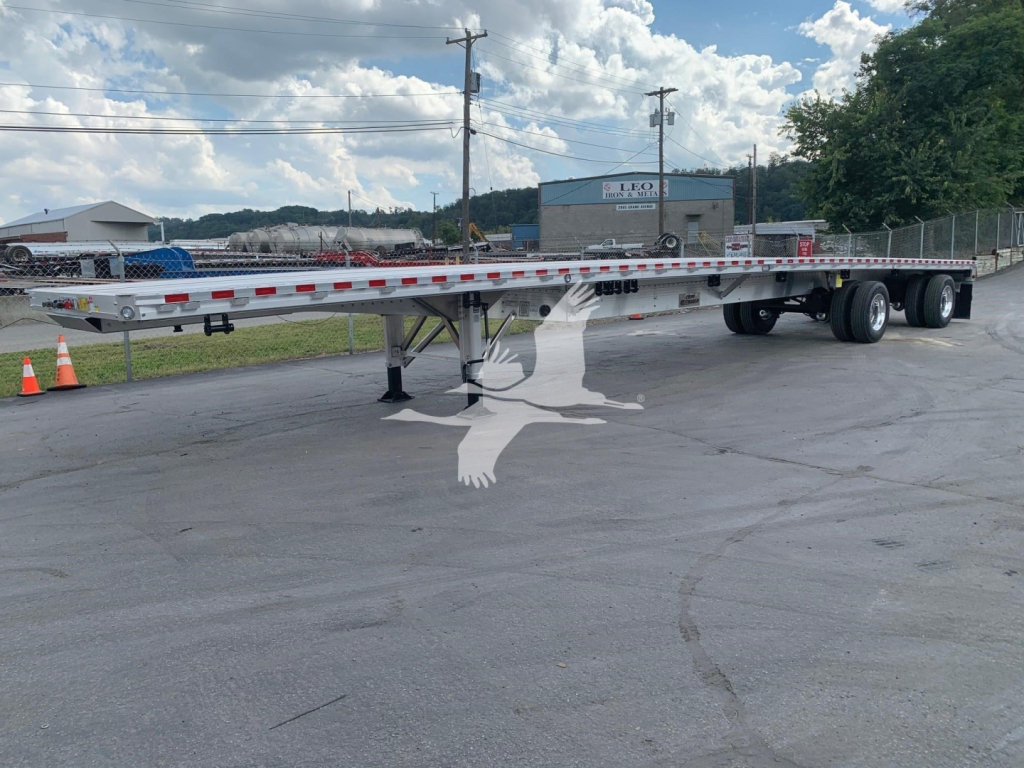
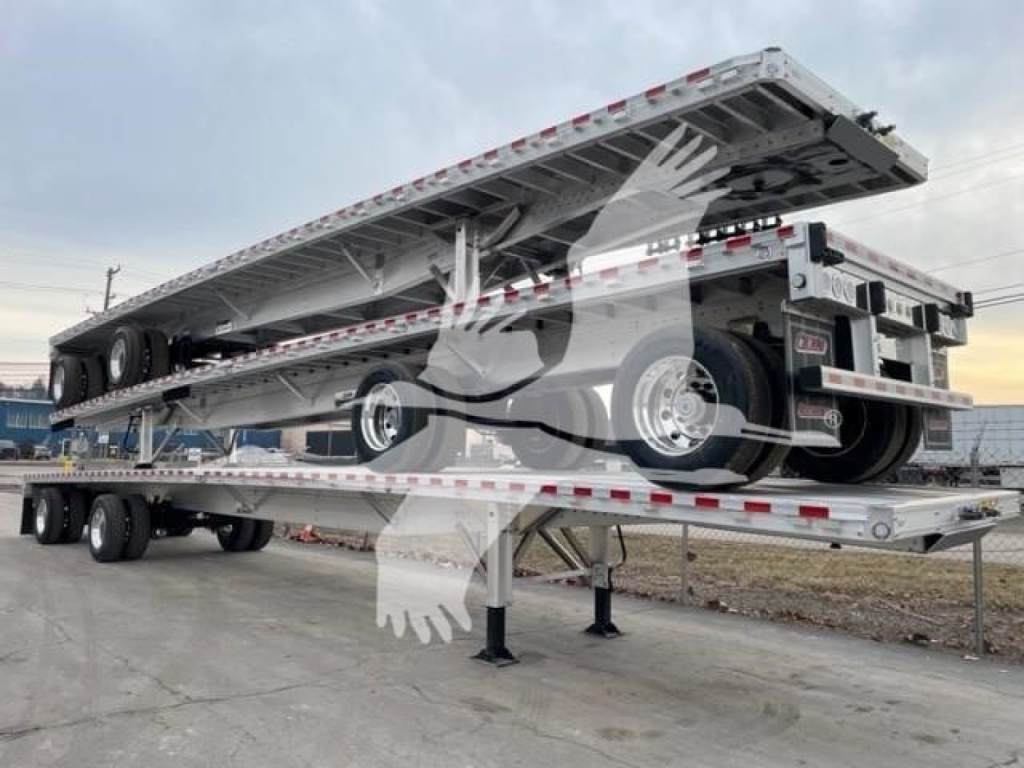
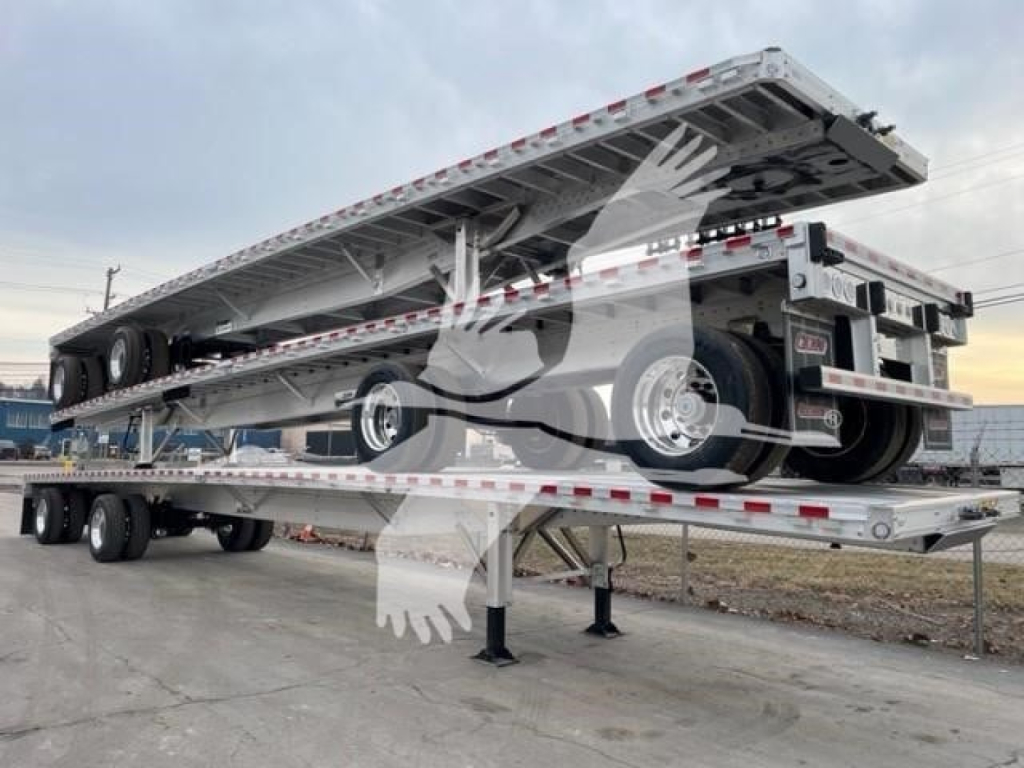
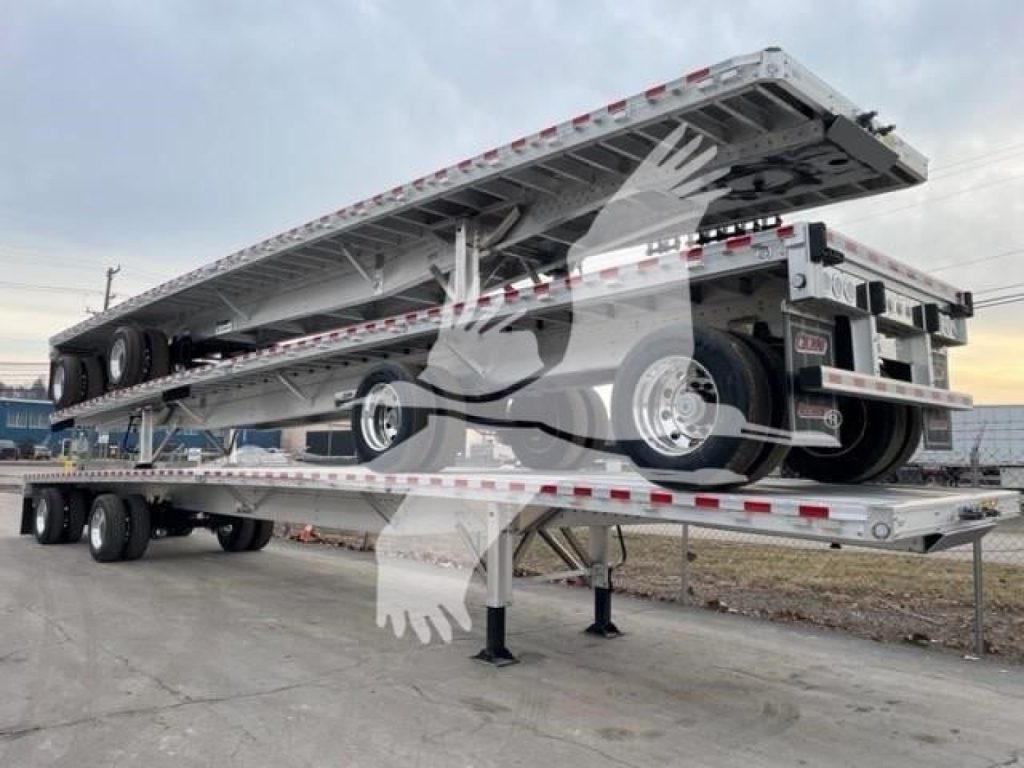
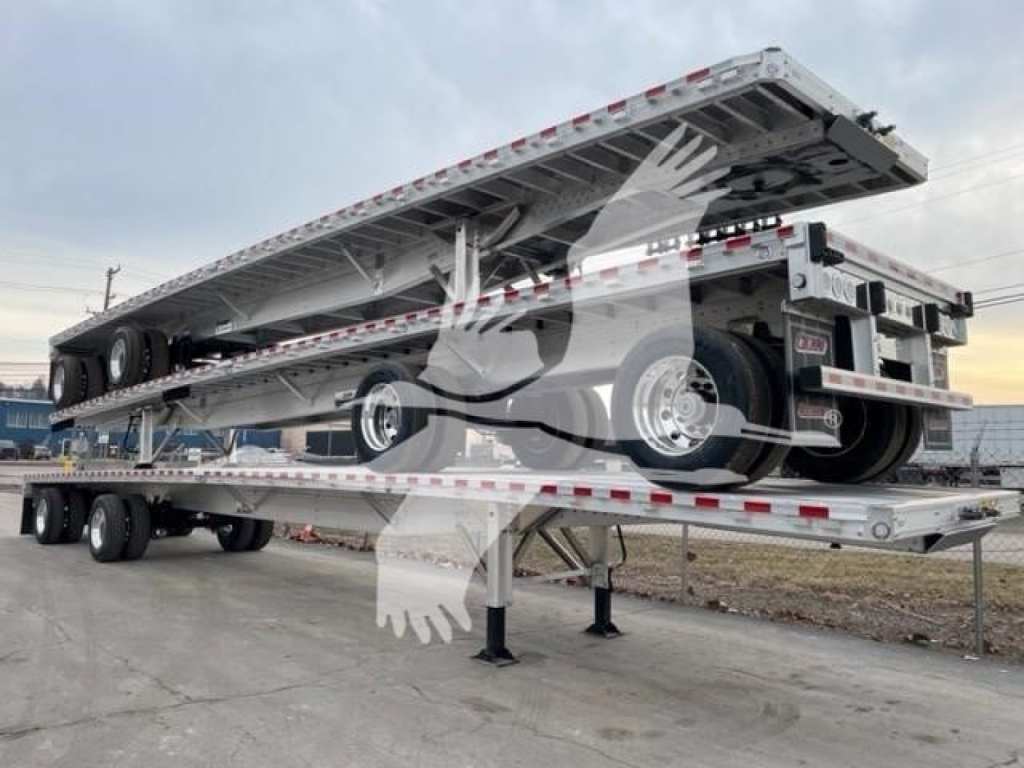
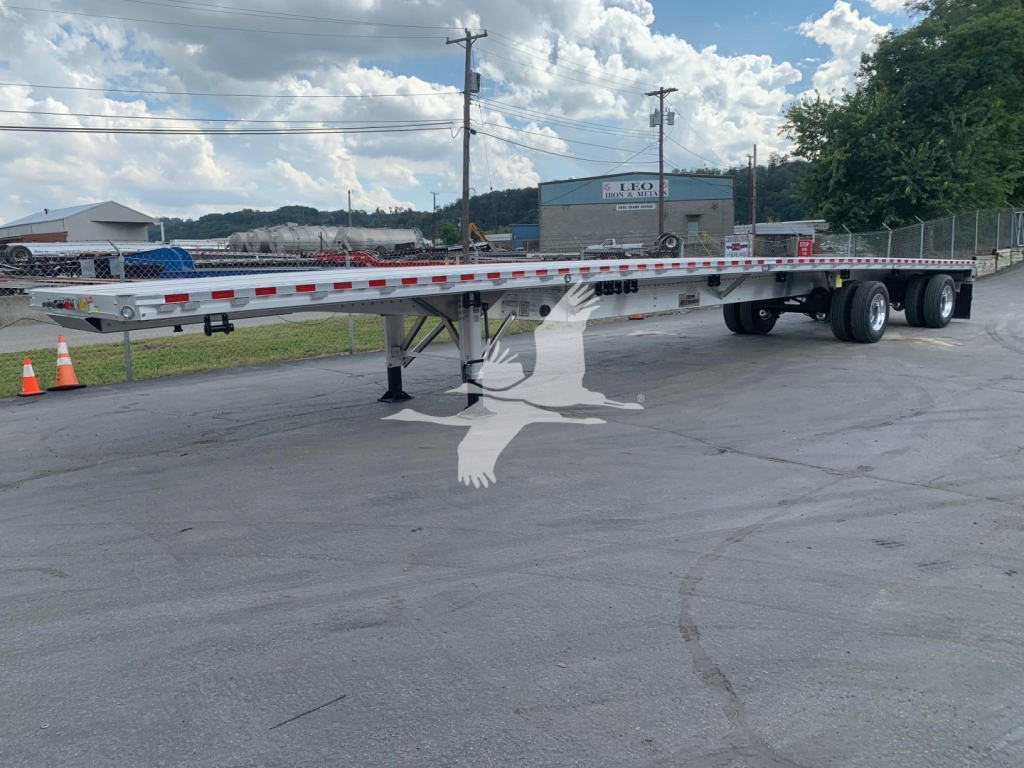
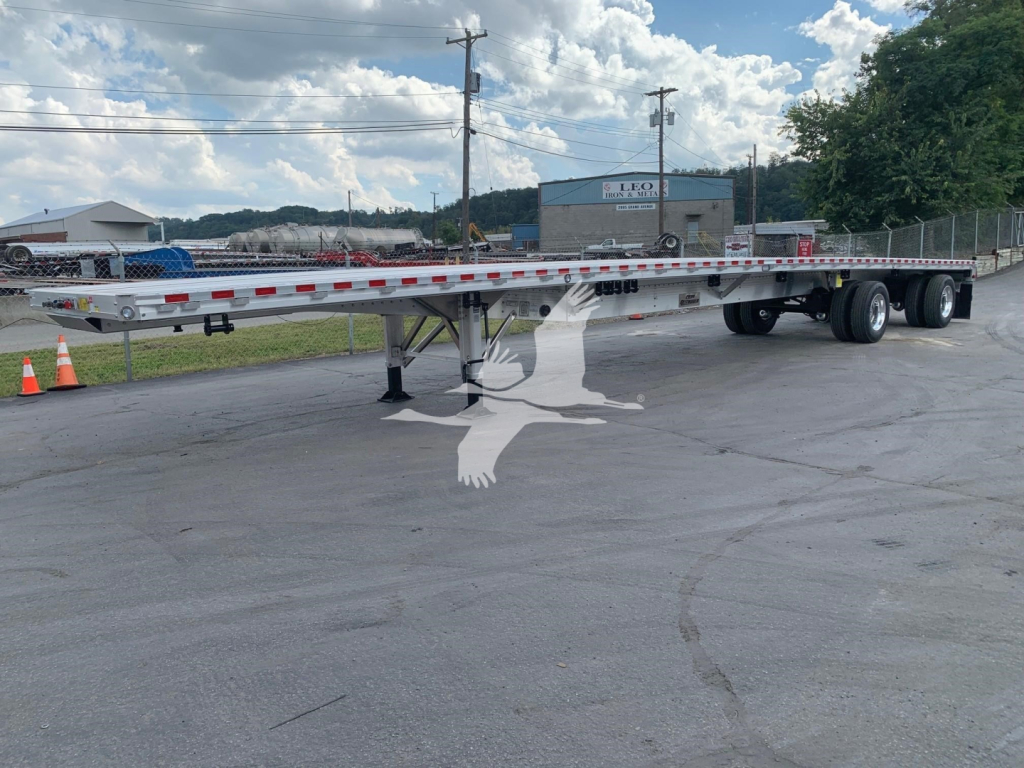
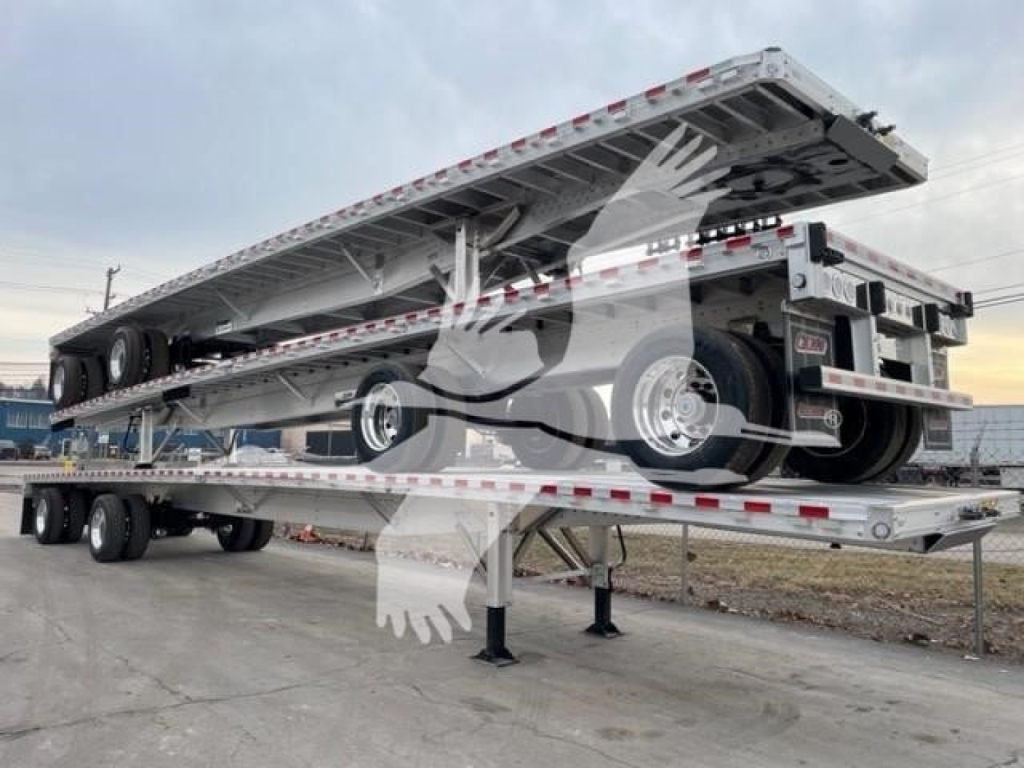
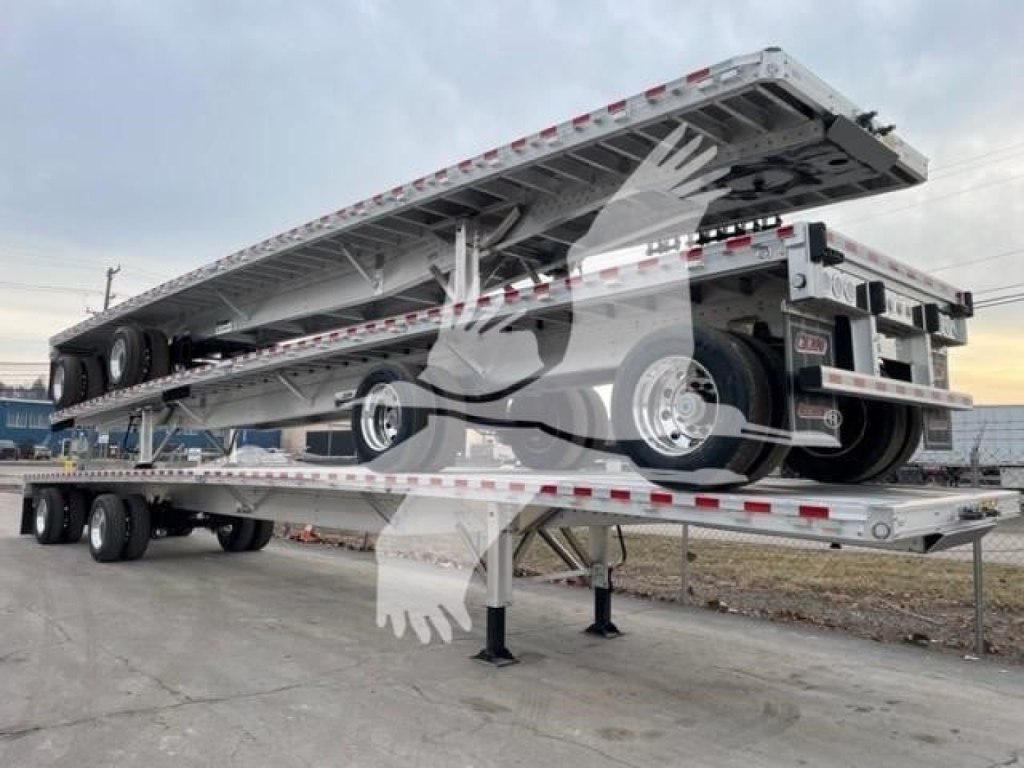
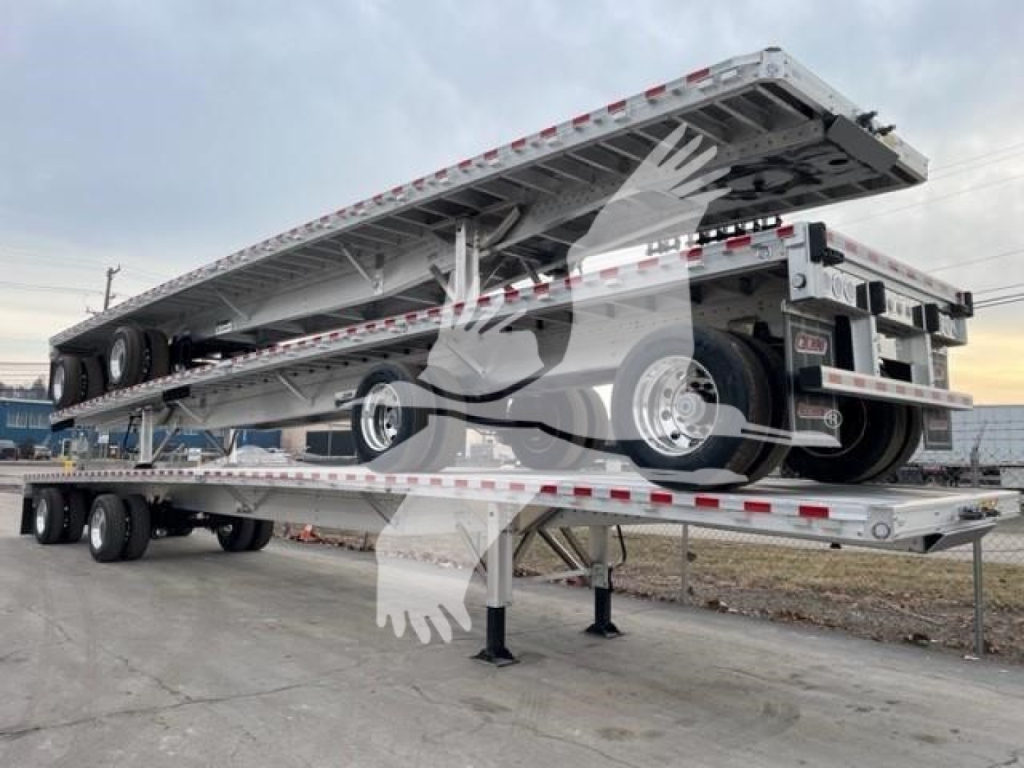
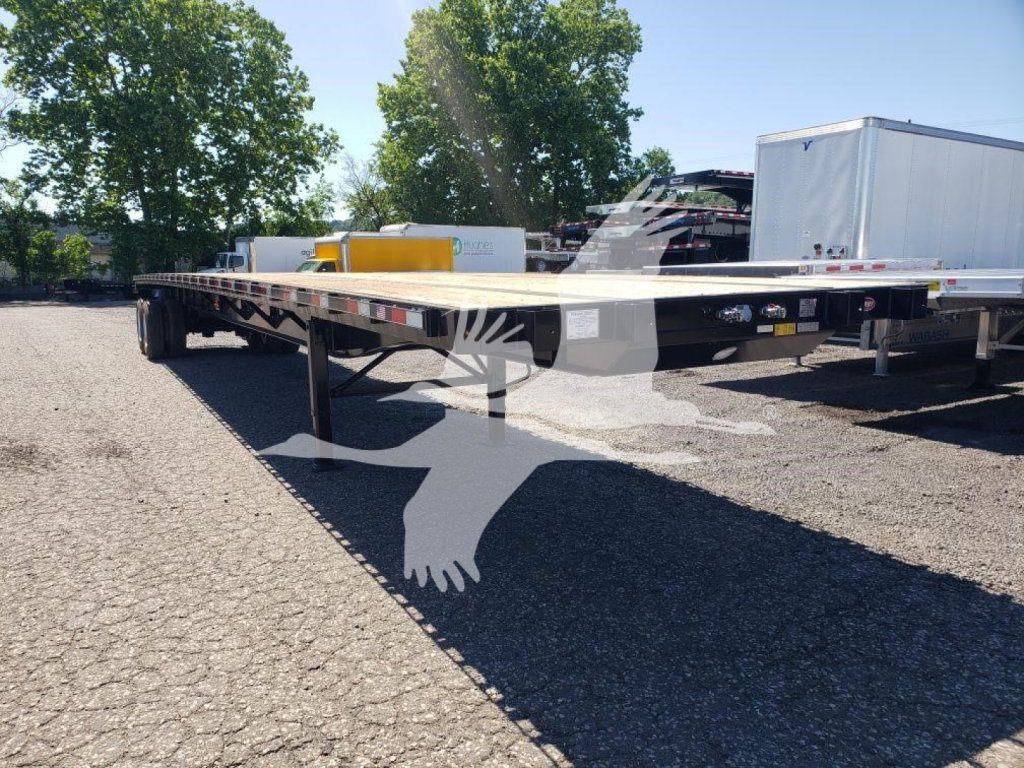
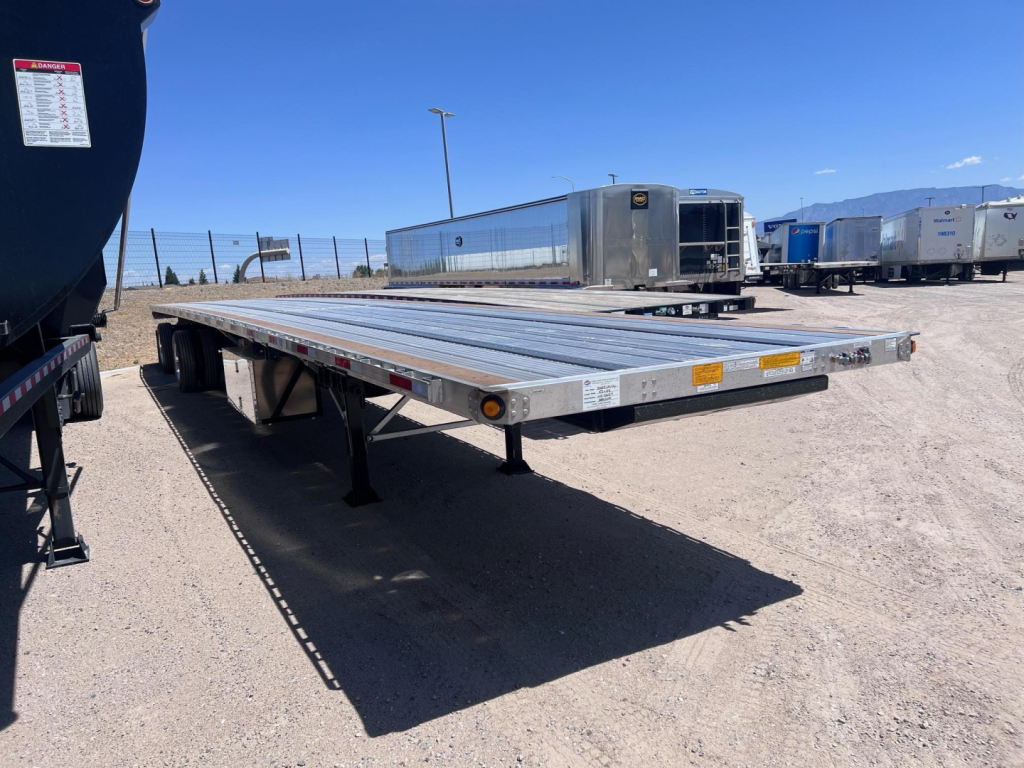
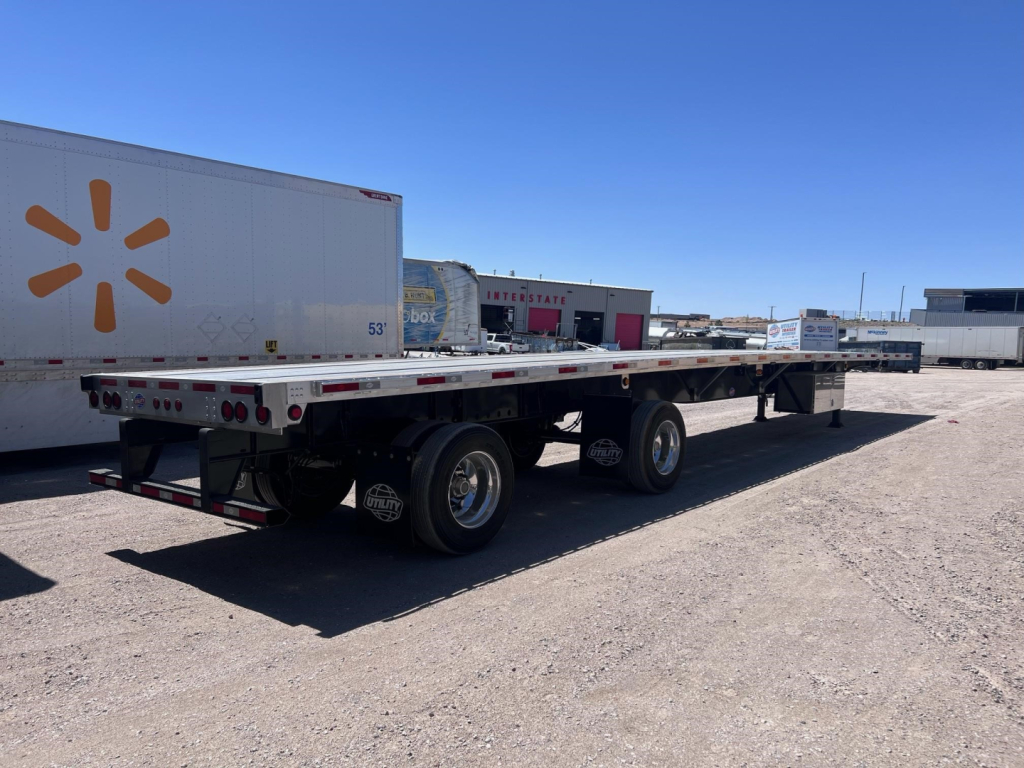
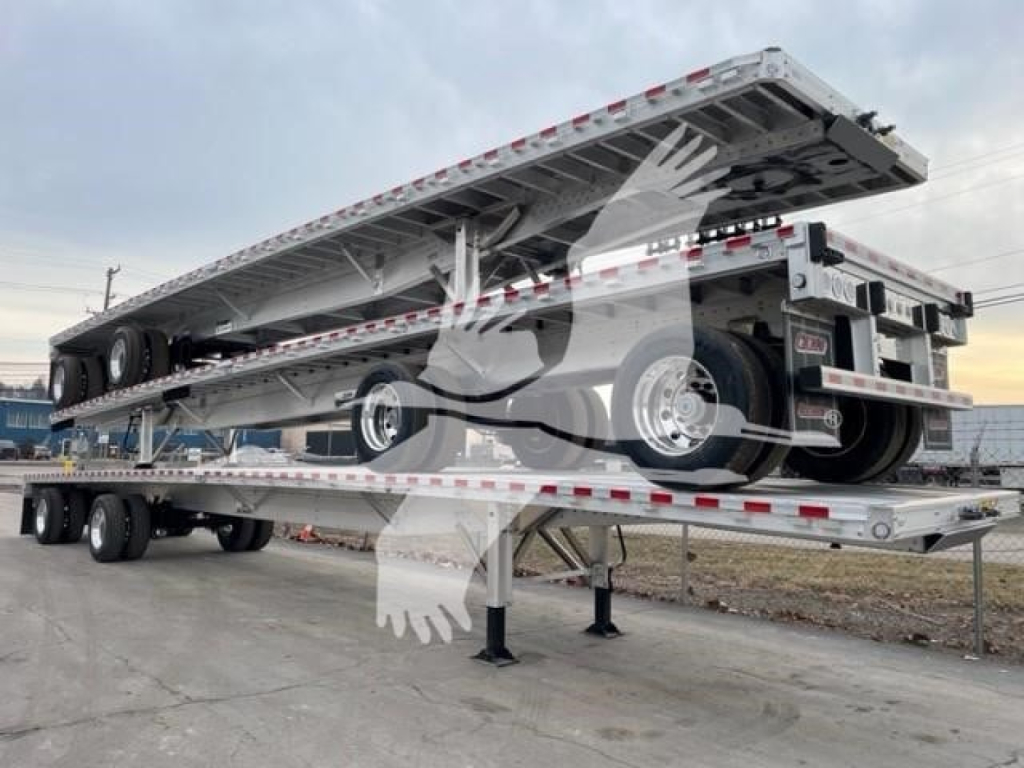
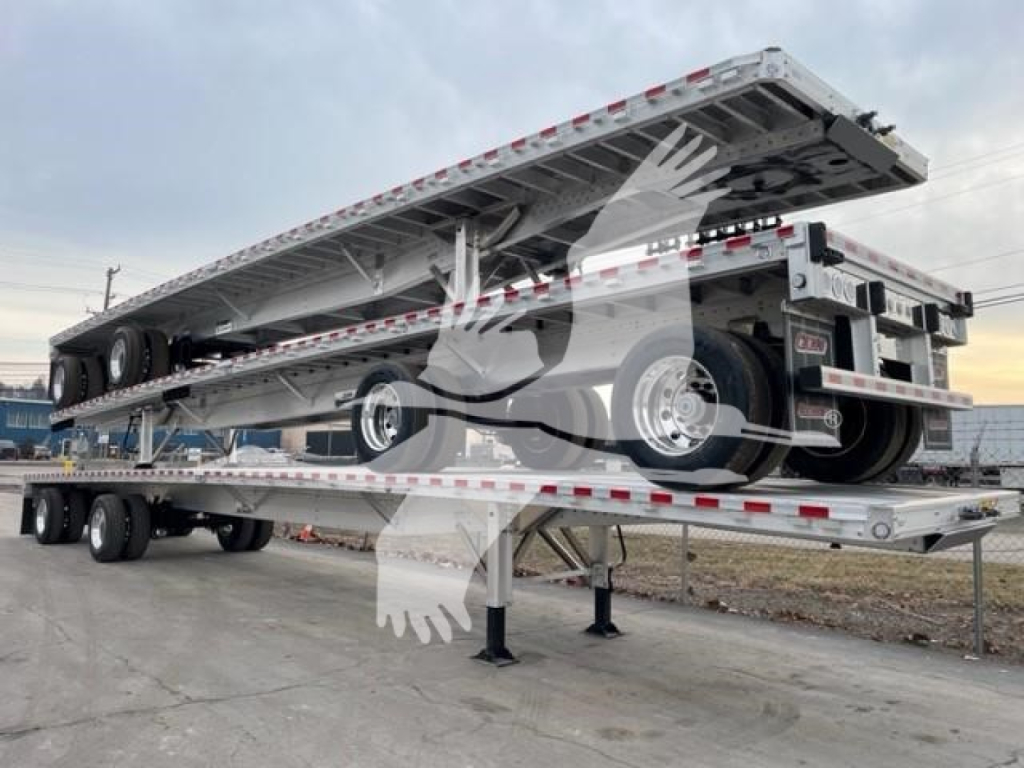
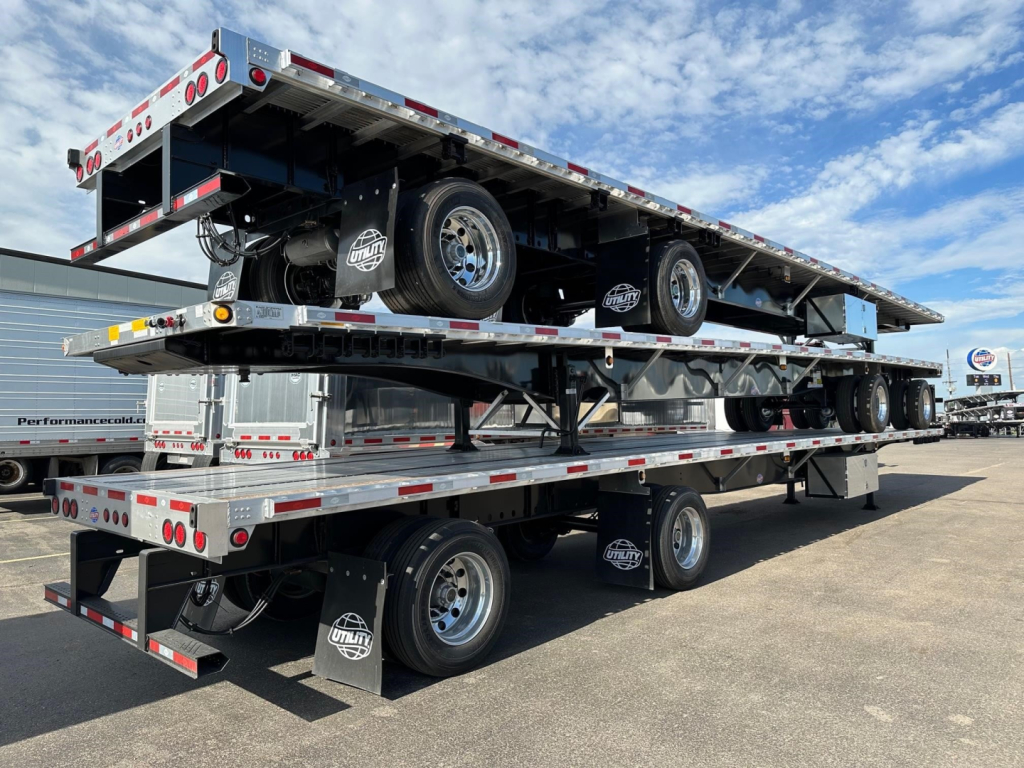
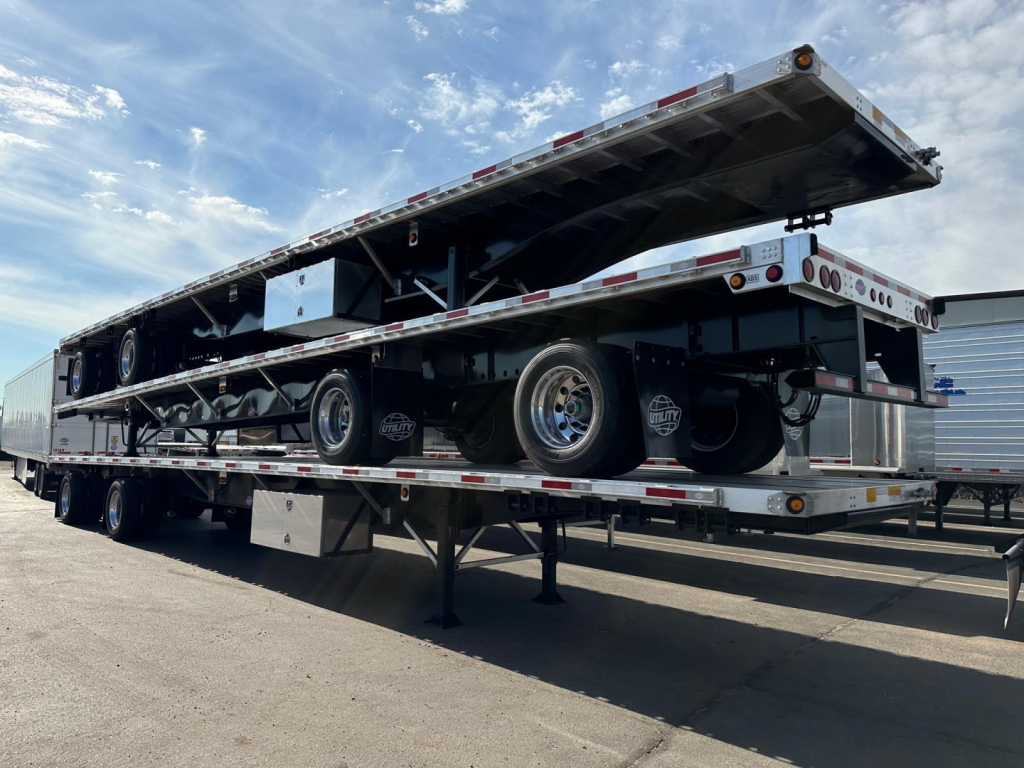
Selling a 2025 flatbed trailer? List your 2025 flatbed trailer for sale and reach thousands of commercial buyers.
2025 Flatbed Trailers
The biggest buying decision is usually trailer construction. Aluminum flatbed trailers reduce tare weight and increase payload, which matters in commodities where every pound counts. Steel flatbeds generally trade payload for durability and can be a strong fit in severe service or rental environments. Deck configuration also matters. Buyers should compare aluminum floors versus Apitong wood nail strips, crossmember spacing, side rail design, pipe spools, and full-length or roadside-only winch tracks. If coil hauling is part of the work, look closely at coil package specs, extra crossmembers, and concentrated load ratings such as capacity in 4 feet or 10 feet.
Running gear and securement details separate a basic flatbed from one that fits your freight mix. Common 2025 specs include air ride suspension, Hendrickson-type tandem setups, 22.5 low-profile or 11R22.5 tires, aluminum or steel wheel combinations, Jost two-speed landing gear, and LED lighting. Many buyers prefer disc brakes for stopping performance and lower maintenance intervals, while others stay with drum brakes for fleet standardization. A sliding rear axle can be important for California legal operation or for carriers that need more flexibility with axle spreads and bridge compliance. Tire inflation systems, dump valves, toolboxes, and pre-drilled locations for dunnage racks also add real day-to-day value.
A good flatbed trailer spec should match the freight first, not just the purchase price. Dense steel, machinery, and coils call for stronger concentrated-load ratings and tighter crossmember spacing. Mixed building products and general commodity work may favor lighter tare weight, more sliding winches, and dual-side winch tracks for faster securement. Buyers comparing 2025 flatbed trailers should pay close attention to empty weight, weight rating in a short section of deck, suspension spread, securement hardware, and deck material because those details directly affect payload, loading speed, and long-term operating cost.
Frequently Asked Questions about 2025 Flatbed Trailers
What length is most common for a flatbed trailer?
The most common flatbed lengths are 48 feet and 53 feet. A 48-foot flatbed is still widely used in general freight and can be easier to match with traditional customer loading patterns. A 53-foot flatbed gives more deck space and is often preferred for lighter, longer freight, but axle placement and bridge law requirements become more important when maximizing payload and legal compliance.
Is an aluminum flatbed better than a steel flatbed?
Aluminum flatbeds usually offer lower tare weight, which helps increase legal payload and improve fuel efficiency. Steel flatbeds are heavier but can hold up well in harsh operating conditions and repeated loading abuse. The better choice depends on the freight. If payload matters every trip, aluminum is often the stronger business case. If durability in rough service is the main priority, steel may be worth the weight penalty.
What should buyers look for in a flatbed coil package?
A proper coil package should include added structural support for concentrated loads. Key details include extra crossmembers, stronger deck support in the coil area, and published load ratings over short sections such as 4 feet or 10 feet. Buyers hauling steel coils should also verify securement points, deck condition, and whether the trailer is designed for the type and weight of coils they intend to move.
Do I need a sliding axle on a flatbed trailer?
A sliding axle or sliding suspension can be valuable if the trailer operates in states with strict bridge and axle-spacing requirements or if freight weights vary significantly. It gives more flexibility to position the tandem for legal compliance and can be especially useful for California legal setups. For operations with consistent freight and lanes, a fixed setup may be simpler and lighter.
What securement features matter most on a flatbed trailer?
The most useful securement features depend on the commodity, but buyers commonly focus on winch track location, number of sliding winches, pipe spools, nail strips, side rail strength, and the presence of coil packages or dunnage storage provisions. Full-length winch tracks and dual-side access can speed up loading and tie-down work. For fleets handling varied freight, versatile securement hardware often improves trailer utilization.