
2025 Eager Beaver Flatbed Trailers For Sale
Have 2025 eager beaver flatbed trailer to sell? List it here to reach thousands of buyers.
2025 Eager Beaver Flatbed Trailers
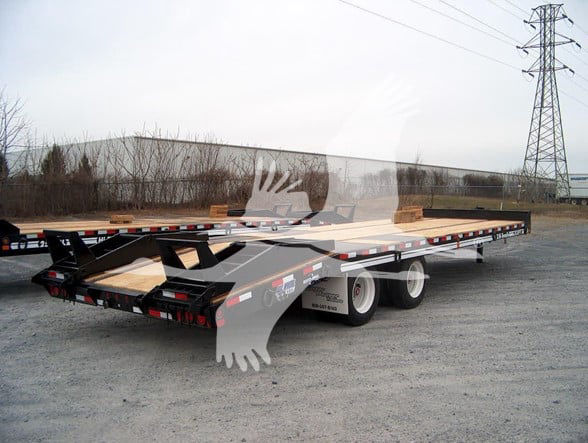
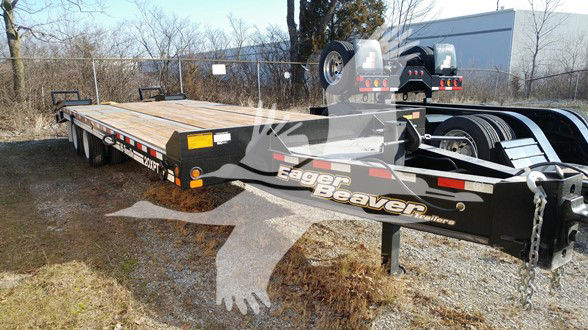
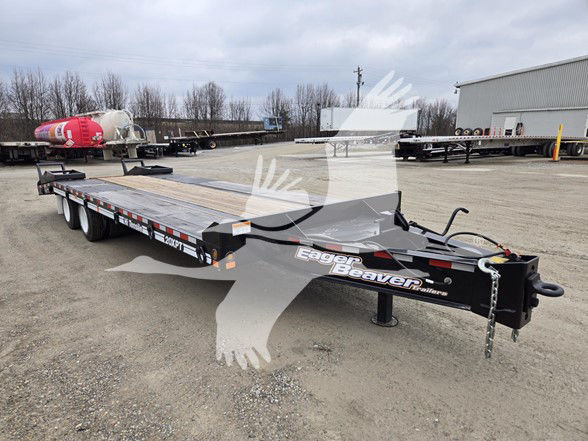
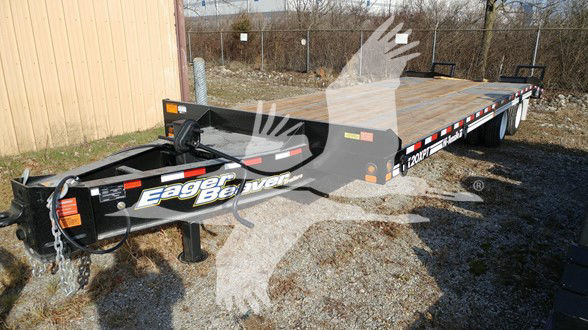
One of the first things to evaluate is deck configuration. Many trailers in this category run around 34 feet overall with a 102-inch width, a main flat deck in the 21-foot range, and a 6-foot beavertail with about an 8-degree load angle. That setup is a good fit for contractors who need enough deck length for one larger machine or a combination of smaller units and attachments. Flooring matters too. Apitong is common because it wears well under steel tracks and concentrated point loads, while mixed wood layouts can balance durability and replacement cost. D-ring count and placement are equally important because proper securement flexibility matters when hauling different machine footprints from week to week.
Suspension, axle rating, and ramp style will drive day-to-day usability. In this segment, a 20-ton rating is common, often on a tandem axle spring ride suspension with 17.5-inch tires, spring brakes on all axles, and ABS. Spring ride is simple, proven, and easy to service in severe-duty environments. Ramp choice changes loading speed and operator convenience. Angle iron ramps keep weight down and stay simple, while wood-filled or hydraulic ramps can provide better traction and easier loading for wheeled equipment, low-clearance machines, or frequent daily cycles. Adjustable pintle height is another key detail because it helps match different tow vehicles and maintain a level trailer stance, which improves braking, tire wear, and load distribution.
Buyers comparing 2025 Eager Beaver flatbed trailers should pay close attention to empty weight versus payload, deck height, brake specification, bulkhead construction, and the condition of wear items if looking at a used unit. A lower deck height can improve loading angles, but it needs to be considered alongside ground clearance and tire size. For fleets hauling compact and mid-size equipment, this category offers a strong middle ground between light tag trailers and heavier detachable lowboys. The result is a practical equipment trailer that is easier to dispatch, easier to load in the field, and well suited for contractors, municipalities, utility crews, and rental operations that need dependable hauling capacity without stepping into a much larger platform.
Frequently Asked Questions about 2025 Eager Beaver Flatbed Trailers
What is a 2025 Eager Beaver flatbed trailer typically used for?
A 2025 Eager Beaver flatbed trailer in this class is commonly used for hauling construction and rental equipment such as skid steers, mini excavators, compact track loaders, rollers, scissor lifts, and attachments. Most are configured as tag trailers with a beavertail and ramps, which makes them better suited to self-loading machinery than a standard over-the-road flatbed freight trailer. They are especially common in contractor, municipal, utility, and equipment rental fleets.
What specs matter most when comparing Eager Beaver flatbed trailers?
The key specs are overall length, usable deck length, deck height, trailer width, GVWR or ton rating, empty weight, axle and suspension setup, tire size, brake configuration, and ramp type. Buyers should also look closely at floor material, D-ring quantity and placement, bulkhead design, and pintle height adjustability. These details affect payload, loading angle, securement options, serviceability, and how well the trailer matches the tow vehicle.
Is a 20-ton Eager Beaver flatbed enough for most equipment hauling jobs?
A 20-ton class trailer covers a large share of compact to mid-size equipment hauling, but it is only the right fit if payload and axle distribution work with the machines being moved. Buyers need to account for the trailer's empty weight, the operating weight of the equipment, any buckets or attachments, and how the load sits on the deck. For heavier excavators, dozers, or high-density machines, a larger capacity trailer may be necessary.
What is the advantage of a beavertail and ramp setup on this type of flatbed trailer?
A beavertail and ramp setup reduces the loading angle compared with a straight-deck trailer, which helps machines climb onto the deck with less risk of dragging or hang-up. This is especially useful for low-clearance equipment, wheeled machines, and crews that load and unload multiple times per day. Ramp style also matters because hydraulic ramps improve convenience, while fixed ramps can be simpler and lighter.
What should buyers inspect on a used Eager Beaver flatbed trailer?
The main inspection points are deck wear, cracked welds, ramp hinges and latch points, brake function, suspension condition, tire age and tread, wheel seal leakage, lighting, ABS components, and pintle or drawbar wear. On equipment trailers, the floor and ramp area often show the hardest use, so look for track damage, broken boards, bent crossmembers, and signs of overloading. A careful inspection of securement points and frame alignment is also important before putting a trailer into regular service.