
2025 Eager Beaver Flatbed Trailers For Sale in Ohio
Have 2025 eager beaver flatbed trailer to sell? List it here to reach thousands of buyers.
2025 Eager Beaver Flatbed Trailers in Ohio
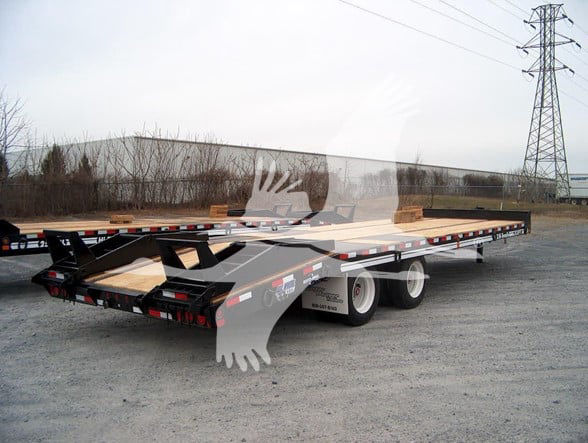
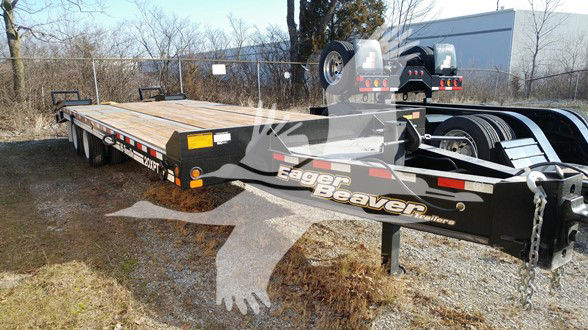
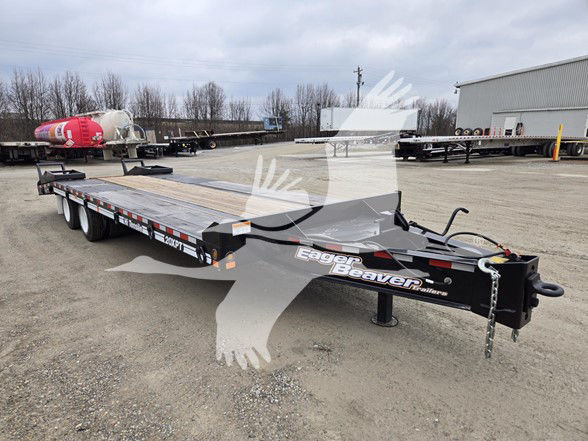
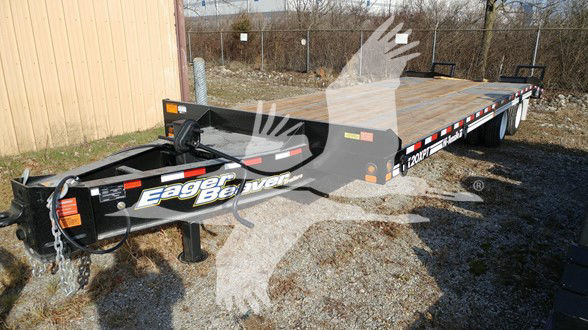
One of the most important details on an Eager Beaver flatbed is the loading geometry. A 6-foot beavertail with an 8-degree load angle can make a real difference when loading low-clearance machines. Ramp construction also changes how the trailer works day to day. Angle iron ramps tend to suit steel-track or muddy applications where traction and self-cleaning matter, while wood-filled ramps can be friendlier for rubber-tire equipment and smoother loading. Buyers should also look closely at main deck height, bulkhead design, and tie-down layout. Full-width steel bulkheads, steel side rails, and multiple pairs of D-rings are standard features that directly affect securement flexibility and everyday durability.
The running gear on this category is usually set up for jobsite duty and regional hauling. Common specs include tandem spring ride suspension, Hutchens-style suspension components, 215/75R17.5 tires, steel wheels, ABS, and spring brakes on all axles. A pintle hitch with adjustable height is a strong fit for contractors and municipal fleets pulling with medium-duty or heavy-duty trucks. A lockable toolbox in the drawbar area is also useful on equipment trailers where chains, binders, and accessories need to stay with the trailer. Flooring is often a combination of hardwoods such as apitong on the outer deck areas with other wood through the center, balancing wear resistance and replacement cost.
For buyers in Ohio, these trailers fit well in construction, utility, agriculture, paving, rental, and municipal applications where short-haul durability matters more than maximizing payload cube. The best way to compare listings in this class is to focus on actual working specs: deck length versus usable deck space, trailer empty weight, ramp type, suspension, and hitch adjustment range. If the trailer will regularly haul compact track loaders, mini excavators, or smaller dozers, pay close attention to load angle and deck height. If it will serve mixed fleet duty, tie-down spacing, brake configuration, and floor material usually have a bigger impact on long-term satisfaction than minor differences in model name.
Frequently Asked Questions about 2025 Eager Beaver Flatbed Trailers in Ohio
What is a 2025 Eager Beaver flatbed trailer typically used for?
A 2025 Eager Beaver flatbed trailer in this category is typically used for hauling construction equipment, compact machinery, tractors, attachments, and other jobsite loads. Many are configured as equipment-style flatbeds with a beavertail, loading ramps, and pintle hitch setup rather than as highway freight flatbeds. That makes them a strong fit for contractors, rental fleets, utility crews, road departments, and agricultural operations that need dependable short-haul and regional transport.
What should I look for when comparing Eager Beaver flatbed trailer listings?
The most important items to compare are weight rating, usable deck length, deck height, beavertail angle, ramp style, suspension type, and hitch arrangement. A trailer can have the same overall length as another unit but offer different usable loading space depending on the deck and tail design. Buyers should also verify tie-down points, floor material, axle and brake setup, tire size, and empty weight because those details affect both payload planning and daily usability.
Why does ramp style matter on an equipment flatbed trailer?
Ramp style affects traction, loading confidence, and compatibility with the machines you move most often. Angle iron ramps are often preferred for muddy, steel-track, or rough-duty applications because they maintain grip and shed debris well. Wood-filled ramps provide a more continuous surface that can work better for rubber-tire equipment and may feel smoother during loading. The right choice depends on your equipment mix and the jobsite conditions the trailer sees most often.
Is a spring ride suspension a good choice on this type of trailer?
Spring ride suspension is common on equipment flatbed trailers because it is durable, familiar to most fleets, and well suited to demanding jobsite service. It generally costs less to maintain than more complex suspension systems and holds up well in applications where trailers see rough surfaces, frequent loading, and repeated short trips. Buyers hauling delicate loads at higher highway miles may compare ride characteristics with other suspension designs, but spring ride remains a practical standard in this class.
What makes a pintle hitch setup useful on an Eager Beaver flatbed trailer?
A pintle hitch setup is useful because it provides a rugged connection for medium-duty and heavy-duty tow vehicles working in construction, municipal, and utility applications. Adjustable pintle height adds flexibility across different trucks and helps level the trailer for safer loading and better weight distribution. For fleets that rotate trailers among multiple tow units, that adjustability can be an important advantage.