
2025 Flatbed Trailers For Sale in Ohio
Shop 2025 flatbed trailers for sale in Ohio. Compare deck materials, axle setups, weight ratings, securement options, and hauling applications.
Learn more
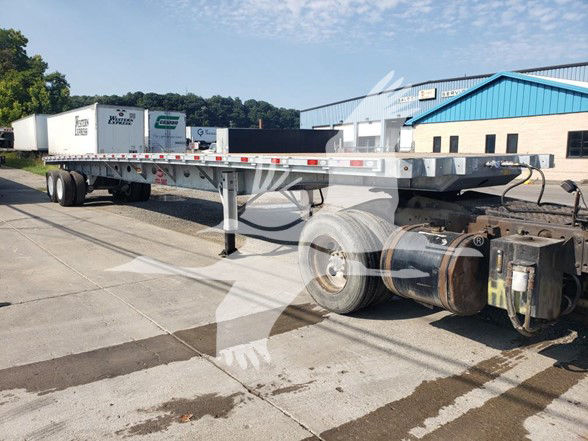
Have 2025 flatbed trailer to sell? List it here to reach thousands of buyers.
About 2025 Flatbed Trailers in Ohio
Material and floor construction have a direct impact on payload and durability. Aluminum flatbed trailers generally appeal to operators focused on maximizing legal payload and resisting corrosion, while steel flatbeds are often chosen for lower upfront cost and hard-use environments. Floor options typically include aluminum or wood, with Apitong remaining a common choice where forklifts, concentrated point loads, and repairability matter. Buyers should look closely at crossmember spacing, side rail design, nailing strips, bulkhead configuration if equipped, and whether the trailer includes a coil package or extra crossmembers for dense freight. Winch tracks on one or both sides, sliding winches, pipe spools, chain tie-downs, and D-ring placement all affect how efficiently the trailer can be loaded and secured.
Running gear and chassis details matter just as much as deck spec. Tandem axles with air ride suspension are common on road flatbeds because they improve ride quality and help protect freight, while spring ride is still seen on certain vocational or tag-style configurations. Suspension brand, sliding tandem setting, kingpin setting, brake type, wheel material, and tire size all influence service life and fleet compatibility. Disc brakes, tire inflation systems, aluminum wheels, and two-speed landing gear are features many buyers specifically look for on late-model equipment because they can improve uptime and driver acceptance. Weight ratings should be reviewed in practical terms, especially concentrated load ratings such as 60,000 pounds in 10 feet or 50,000 pounds in 4 feet, since those numbers often matter more than general GVWR when hauling coils, steel plate, or machinery.
For Ohio buyers, flatbed trailer specs should match both route conditions and freight mix. Regional building materials and steel hauling can favor coil packages, durable flooring, and strong securement hardware, while longer over-the-road lanes may push the decision toward lightweight aluminum construction and air ride tandems. Inspection status, brake wear, tire condition, FHWA compliance, frame condition, and evidence of deck repairs are all worth checking closely on any listing. A good flatbed is not just a deck on wheels. It is a freight platform built around payload, securement speed, concentrated load capacity, and the type of freight you intend to haul every week.
Frequently Asked Questions
What is the most common size for a flatbed trailer?
The most common over-the-road flatbed trailer size is 48 feet long and 102 inches wide with tandem axles. That setup works for a broad mix of steel, lumber, machinery, and palletized freight while staying compatible with standard dock, permit, and route requirements. Some operations use 53-foot flatbeds for added deck space, but 48-foot trailers remain a common benchmark because they balance maneuverability, legal loading, and freight versatility.
Is an aluminum flatbed better than a steel flatbed?
Aluminum flatbeds are generally preferred when payload matters most because the trailer itself weighs less, which can leave more legal capacity for revenue freight. They also resist corrosion well. Steel flatbeds usually cost less upfront and can be a strong fit for severe-duty work, but they typically weigh more and may require more attention to rust and finish condition over time. The better choice depends on the freight, operating region, maintenance program, and how heavily the trailer will be used.
What should I check on a used or late-model flatbed trailer?
Key inspection points include frame condition, side rail wear, crossmember integrity, floor condition, winch track damage, landing gear operation, brake type and remaining life, tire condition, suspension wear, axle alignment, and kingpin area condition. Buyers should also verify concentrated load ratings, securement equipment count, tandem slide operation if equipped, and current inspection status. On a working flatbed, damage around tie-down points and deck repairs can tell you a lot about how the trailer has been used.
What is a coil package on a flatbed trailer?
A coil package is a reinforcement setup designed for hauling concentrated loads such as steel coils. It often includes additional crossmembers and a designated coil well or mini coil package area to better support heavy freight in a shorter section of the deck. This matters because flatbeds are often rated not just by total load, but by how much weight they can carry within a limited span such as 4 feet or 10 feet. If steel freight is part of the operation, a coil package can be a very important spec.
Which flatbed trailer features help with securement efficiency?
Winch tracks on both sides, a sufficient number of sliding winches, pipe spools, chain tie-downs, rub rails, stake pockets, D-rings, and clearly usable side rail space all improve securement speed and flexibility. The right layout depends on what the trailer hauls most often. Lumber and palletized freight may benefit from straightforward strap access, while steel and machinery often demand a stronger chain tie-down setup, better concentrated load support, and easier placement for edge protectors, tarps, and binders.