
2025 Flatbed Trailers For Sale in Pennsylvania
Shop 2025 flatbed trailers in Pennsylvania. Compare 48'x102" specs, aluminum construction, axle spreads, winch setups, and payload options.
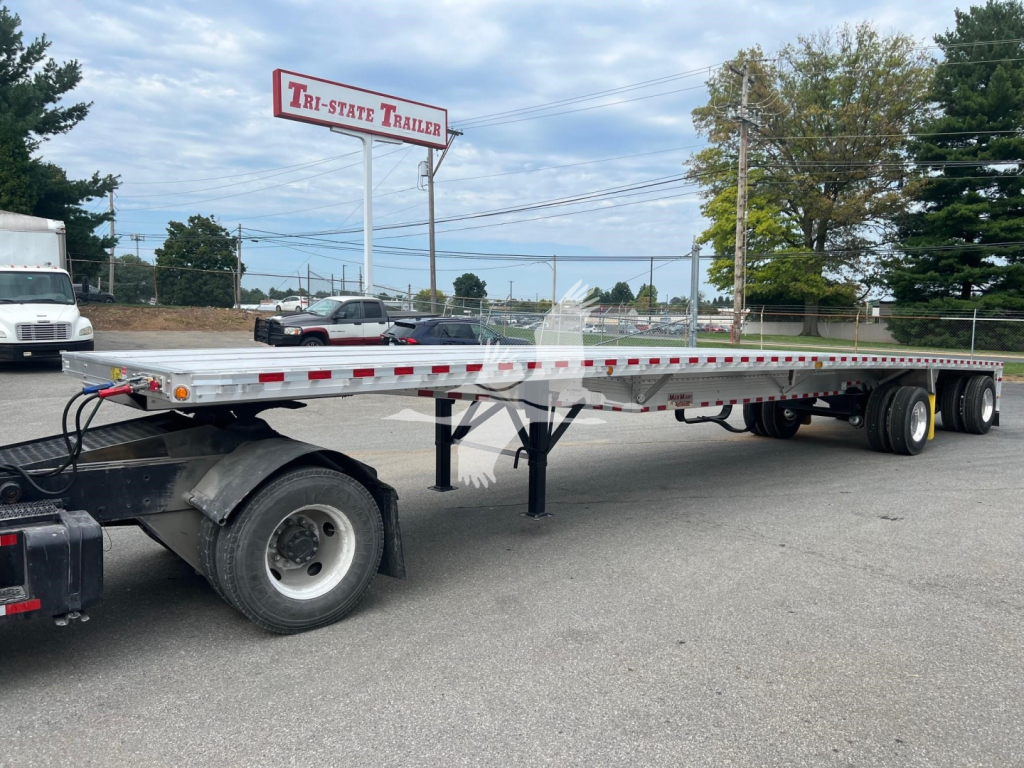
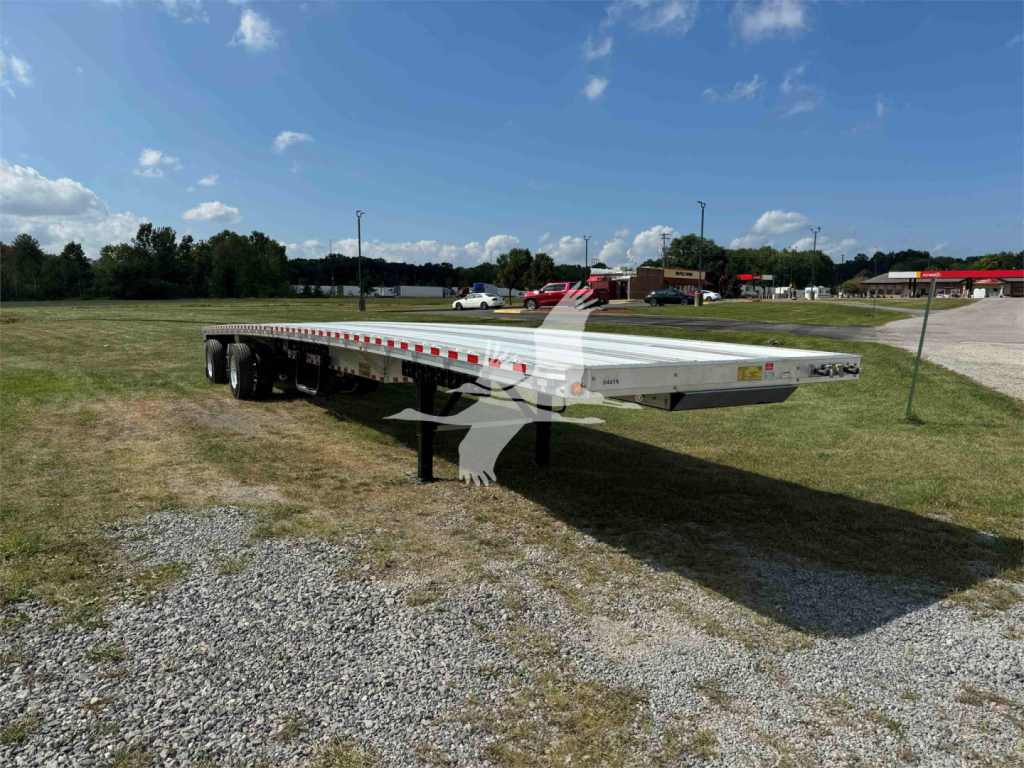
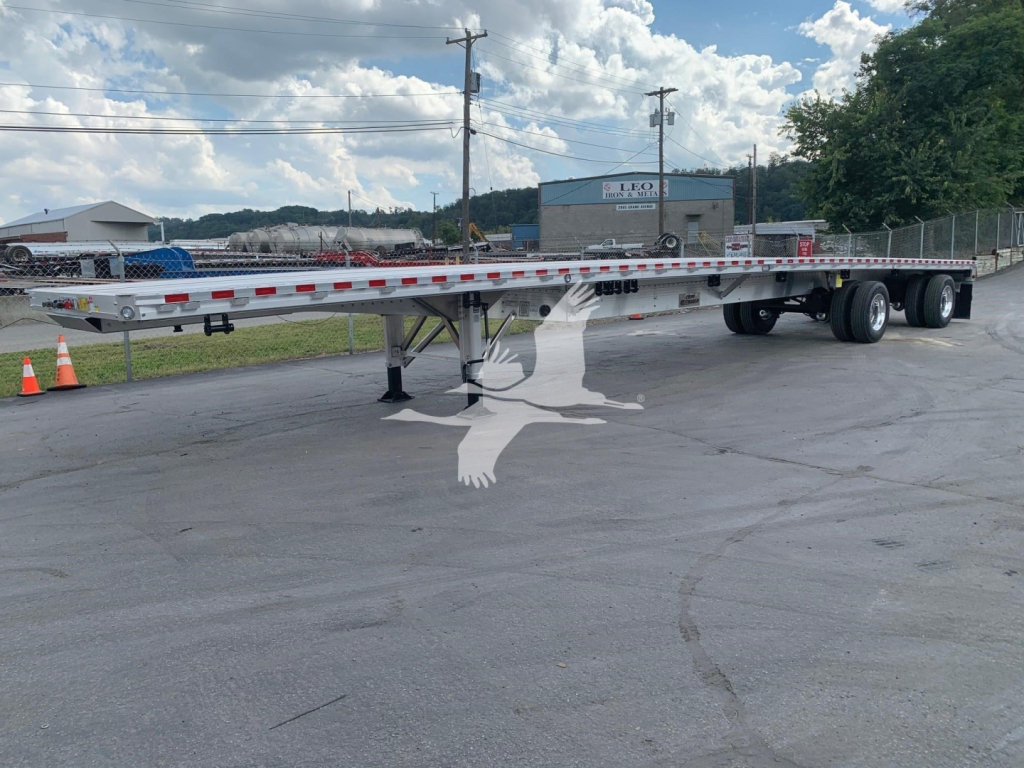
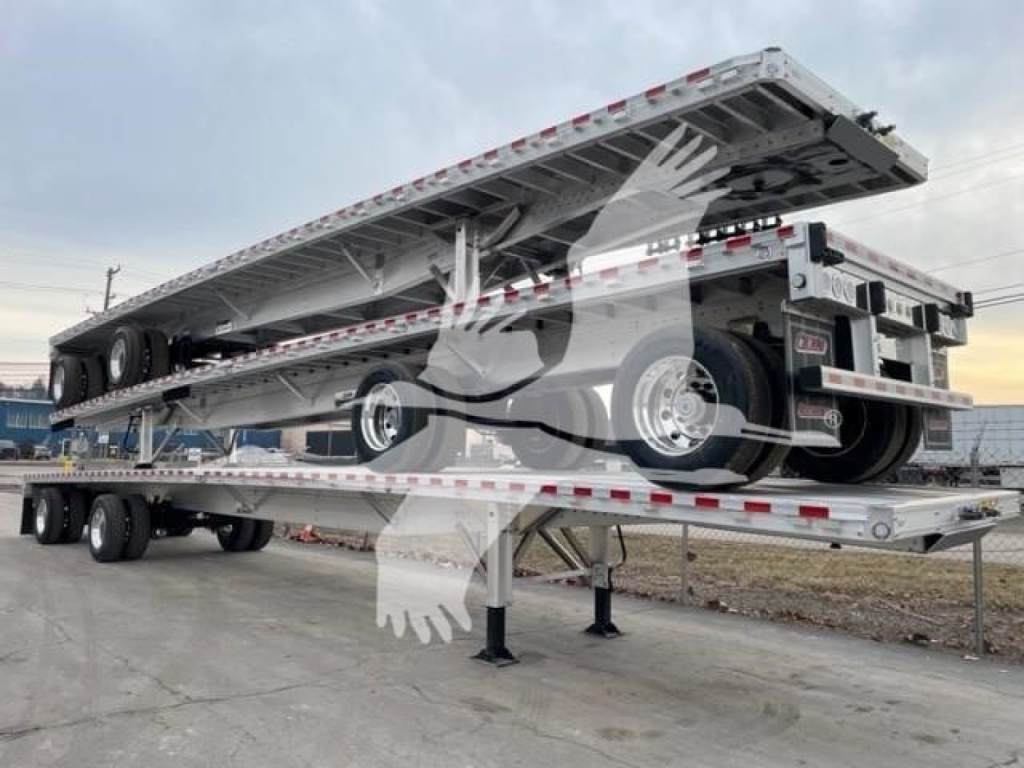
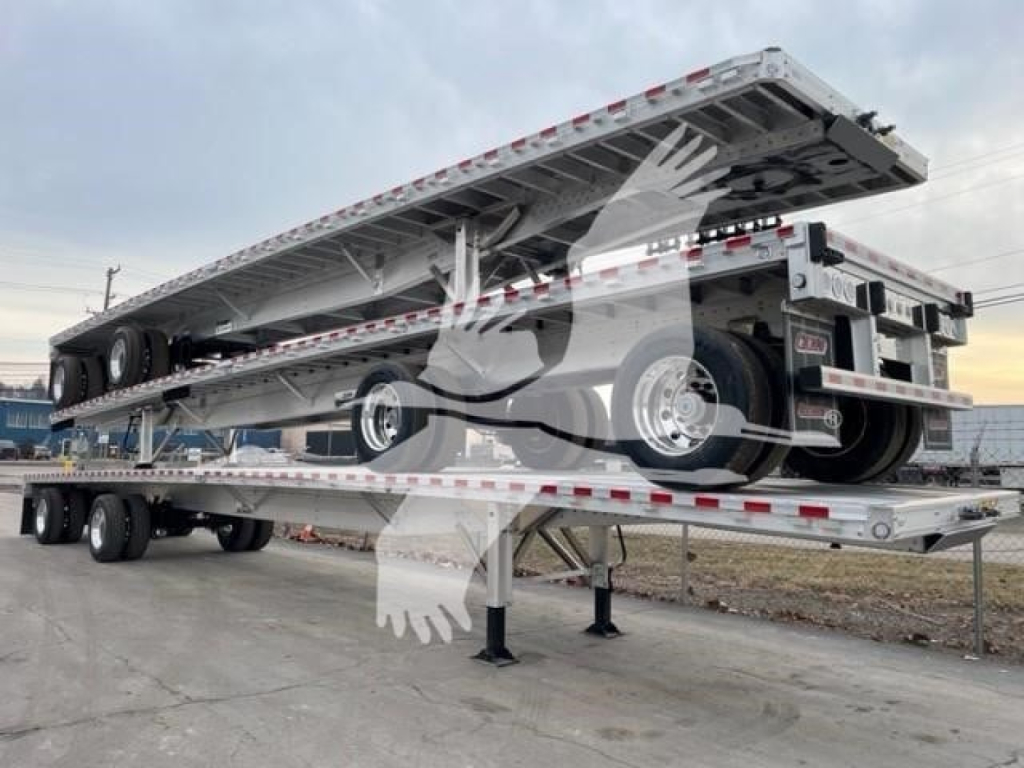
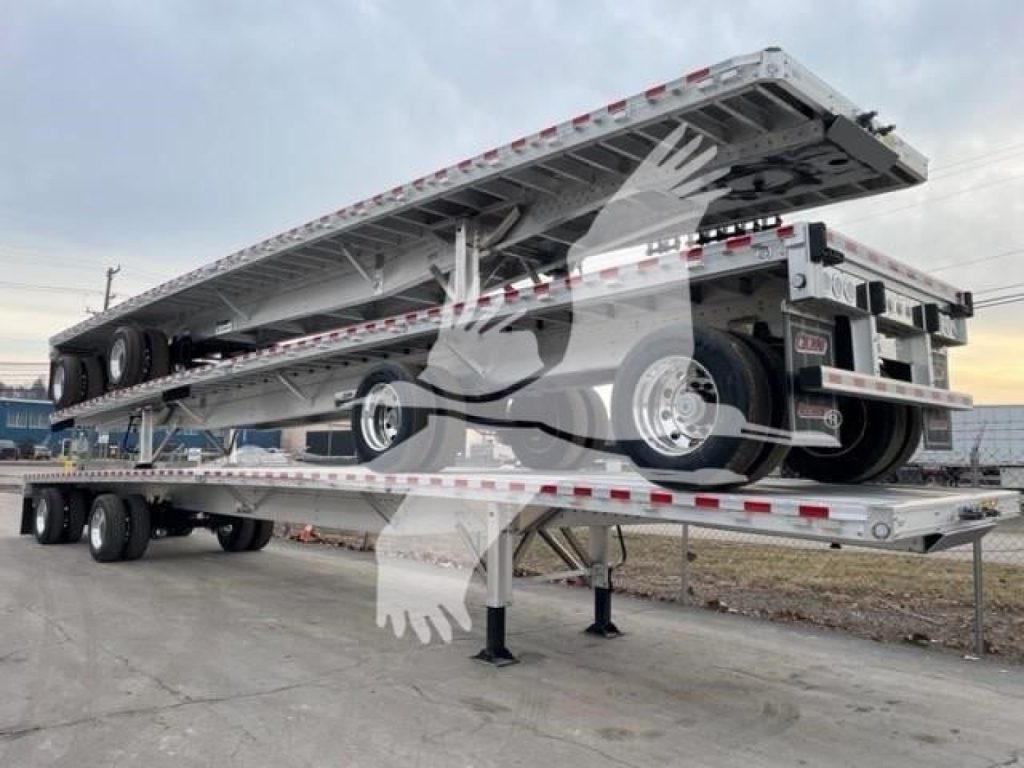
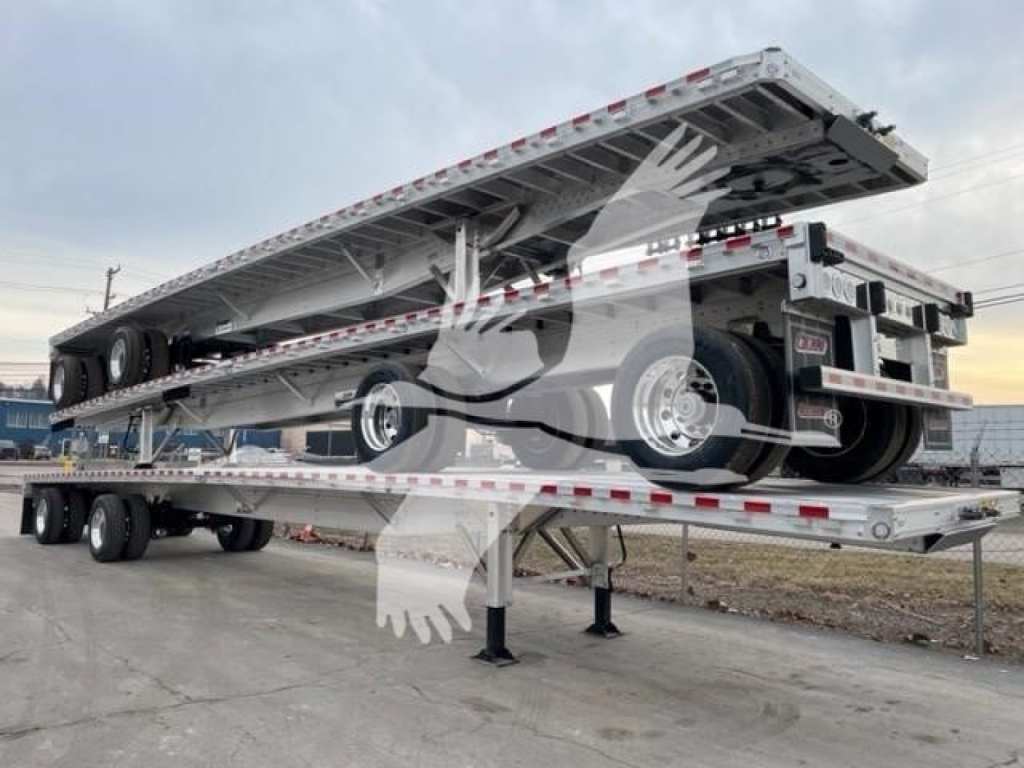
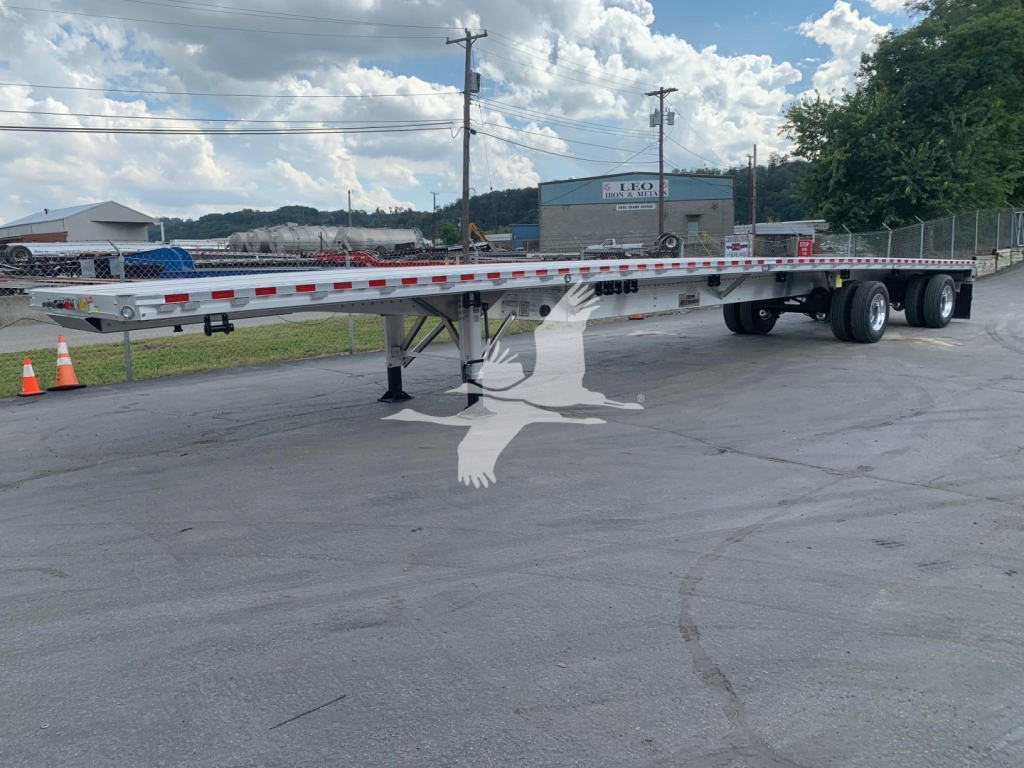
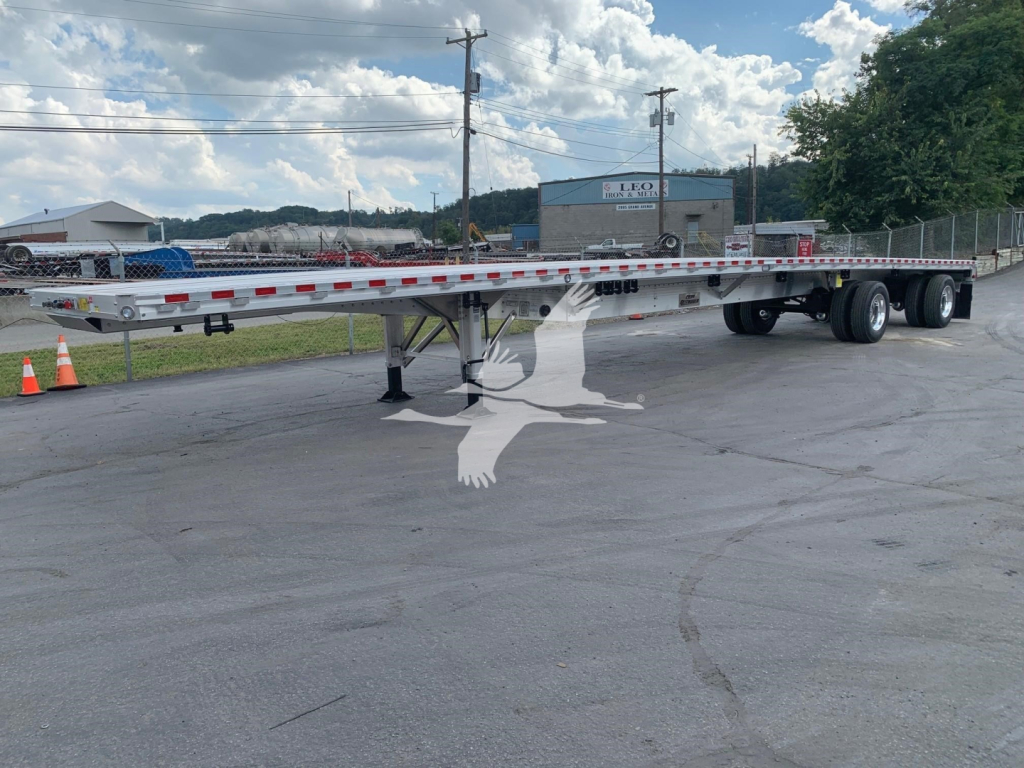
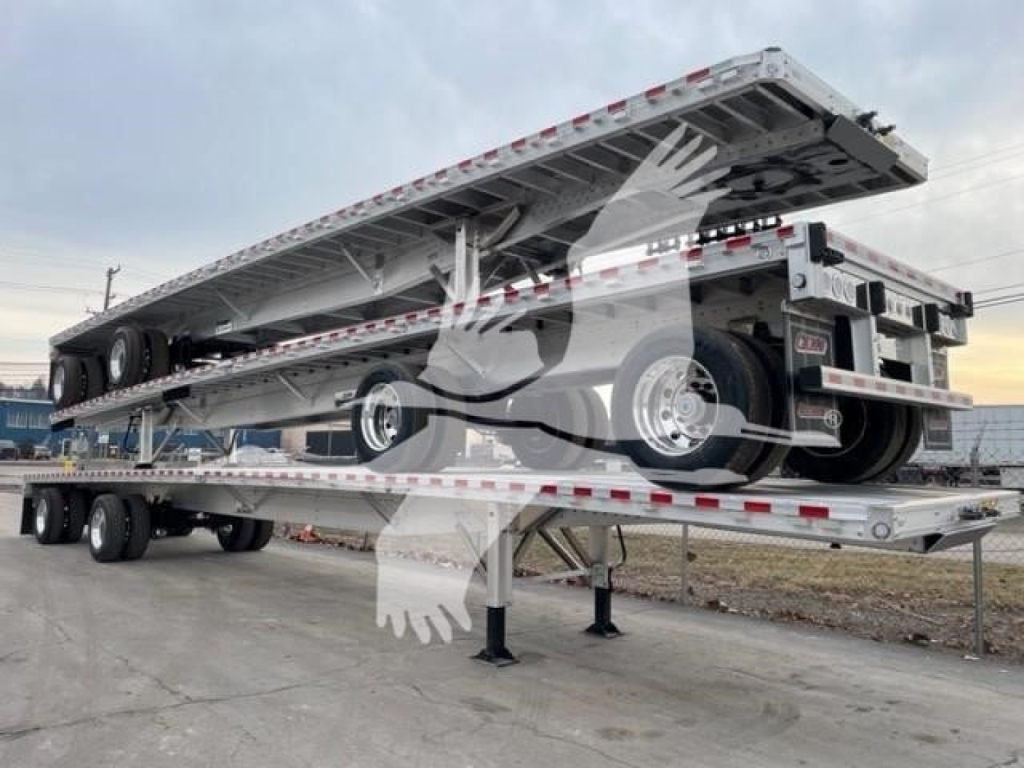
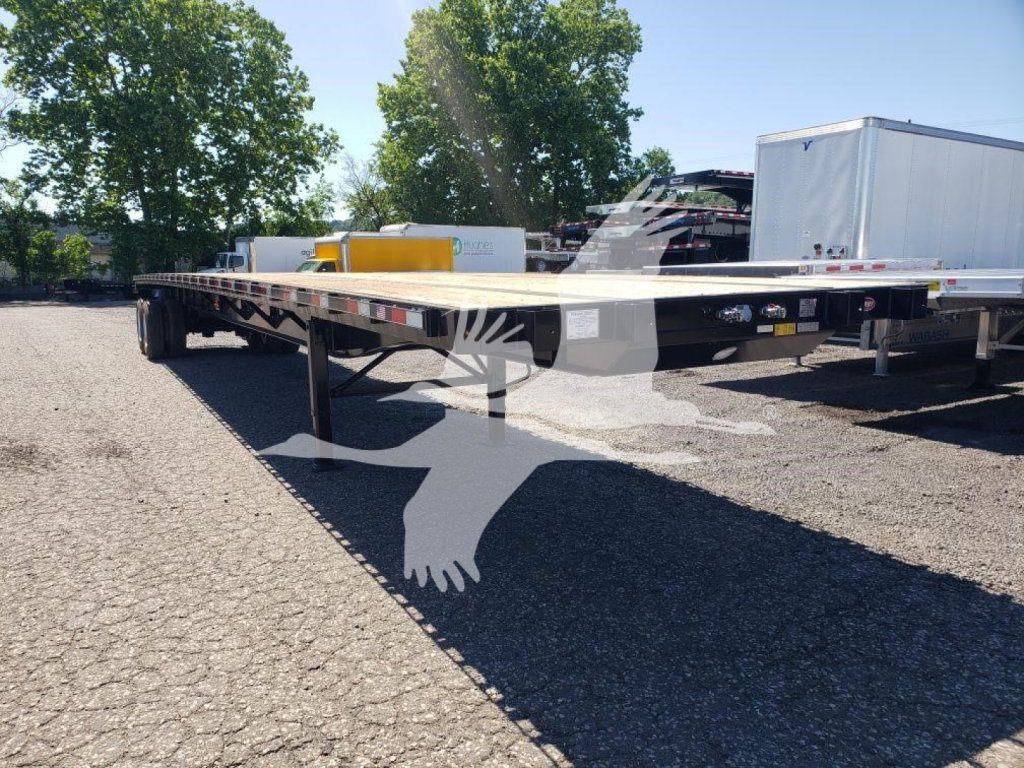
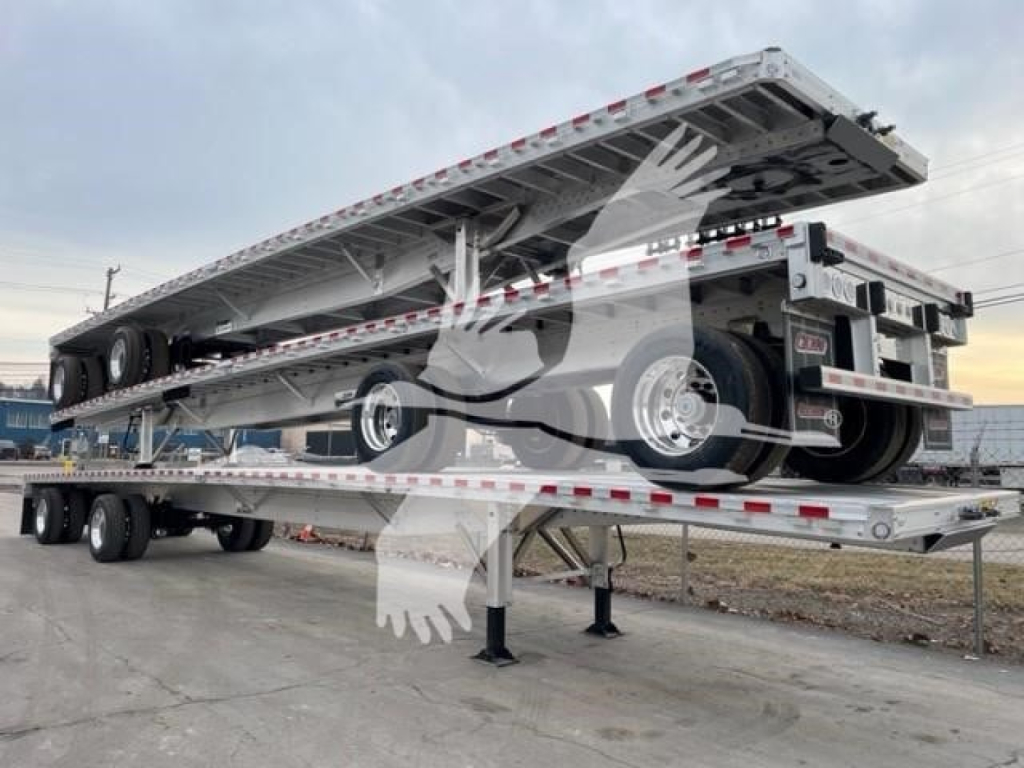
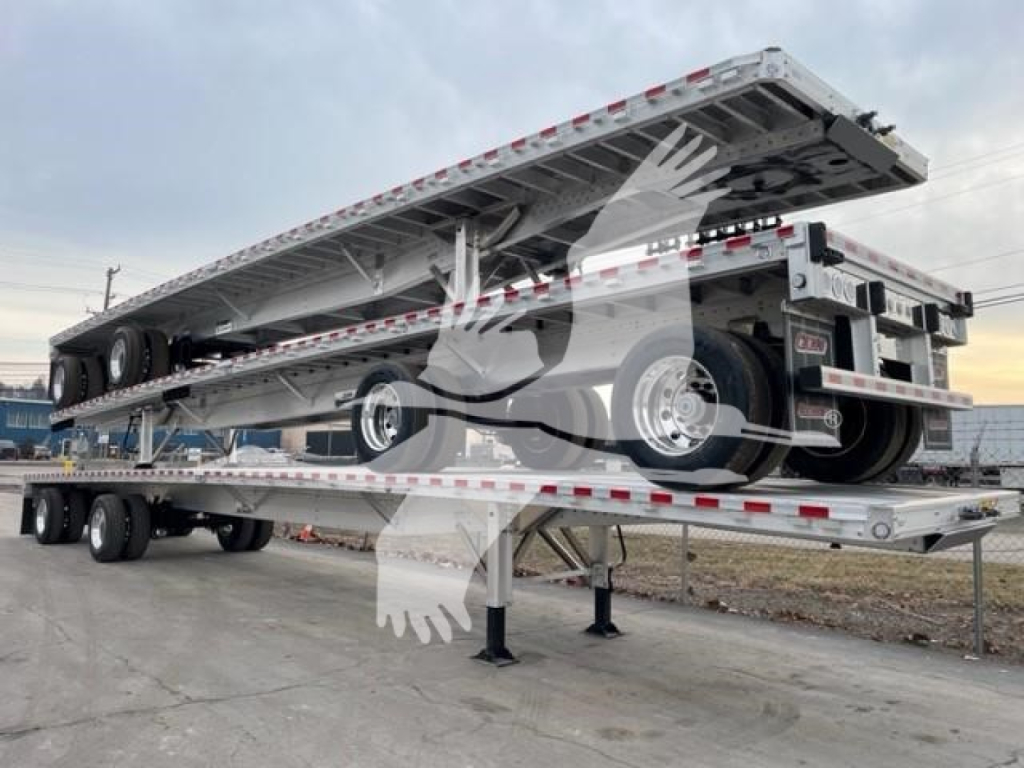
Selling a 2025 flatbed trailer? List your 2025 flatbed trailer for sale and reach thousands of commercial buyers.
2025 Flatbed Trailers in Pennsylvania
Many current flatbed trailers use aluminum construction to keep tare weight down and maximize legal payload. That is especially attractive for regional and over-the-road operations moving dense commodities. Aluminum floors, side rails, and front and rear members are common on lightweight models, while features like Apitong nailer strips, full or partial winch tracks, sliding winches, double pipe spools, and coil packages make the trailer more adaptable to different freight. Crossmember spacing matters more than many buyers expect. A 12-inch center can provide a stronger deck feel for concentrated loads, while 15-inch spacing is common on general freight trailers. If coils, machinery, or point-loaded freight are part of the plan, look for extra crossmembers, mini coil packages, and published concentrated load ratings such as 60,000 to 70,000 pounds in 10 feet.
Suspension and axle layout deserve close review for Pennsylvania routes that mix interstate miles, uneven jobsite access, and seasonal road conditions. Air ride remains a preferred spec for ride quality and freight protection, commonly paired with Hendrickson Intraax suspensions in the 23K to 25K range. Spread axle settings around 10 feet 2 inches are common and can help with bridge law positioning, but they also affect maneuverability and tire scrub in tight urban or plant environments. Kingpin setting, usually around 30 inches on this style of trailer, should match the tractors in the fleet and the turning clearance needed. Tire size, wheel composition, dump valves, hub and brake type, and optional tire inflation systems all affect long-term maintenance cost and uptime, not just the purchase decision.
The best 2025 flatbed trailer for sale is usually the one with the right securement package and weight rating for the freight lane, not simply the newest or lightest build. Buyers should verify the number of sliding winches, whether the winch track is roadside, curbside, or both sides, the presence of coil securement support, landing gear spec, and lighting layout. Rear mud flap bracket placement, additional receptacles, toolbox pre-drilling, dunnage rack provisions, and reduced arch designs can also make a real difference in daily use. For fleets and owner-operators alike, a well-specced flatbed trailer lowers loading time, improves cargo securement options, and gives more flexibility across steel, construction, agricultural, and industrial freight.
Frequently Asked Questions about 2025 Flatbed Trailers in Pennsylvania
What is the most common size for a 2025 flatbed trailer?
The most common size is 48 feet long by 102 inches wide. That configuration fits a broad range of legal over-the-road freight, works well with standard dock and yard dimensions, and gives enough deck space for general building materials, machinery, steel, and palletized loads. Some buyers move into specialized lengths or heavier-duty platforms, but 48x102 remains the standard spec for general freight flatbed work.
Is an aluminum flatbed trailer better than a steel flatbed trailer?
An aluminum flatbed trailer is usually preferred when payload matters because it reduces trailer weight and allows more legal cargo. That makes it popular for freight lanes involving dense commodities and longer hauls where every pound counts. Steel can offer durability advantages in certain severe-service applications, but modern aluminum flatbeds are widely used in commercial fleets and are often equipped with strong side rails, coil packages, and crossmember layouts designed for demanding loads.
What flatbed trailer specs matter most for hauling steel or coil freight?
For steel or coil freight, concentrated load rating, crossmember spacing, coil package design, axle rating, and securement options are critical. Buyers should look for extra crossmembers, mini coil packages, strong deck construction, and enough winches or chain securement points to match the cargo profile. Published ratings such as capacity in 10 feet or 4 feet are important because they show how the trailer handles heavy, compact loads rather than just total gross capacity.
Should I choose a spread axle flatbed trailer or a tandem axle flatbed trailer?
A spread axle flatbed trailer can improve weight distribution and bridge law flexibility, which is useful for many highway applications. It is a common choice on 48-foot flatbeds with air ride suspension. A tandem axle trailer may be easier to maneuver in tighter yards and urban delivery points. The right choice depends on route type, state bridge considerations, loading patterns, and how often the trailer must back into confined spaces.
What securement features should a buyer look for on a flatbed trailer?
The most useful securement features usually include winch tracks, a sufficient number of sliding winches, pipe spools, nailer strips, and a deck layout that supports straps, chains, and edge protection. Buyers hauling mixed freight should also consider whether the trailer has roadside or curbside winch tracks, both-side access, coil package reinforcement, and room for dunnage or toolboxes. These details directly affect load versatility, loading speed, and compliance with cargo securement requirements.