
2025 Reitnouer Flatbed Trailers For Sale
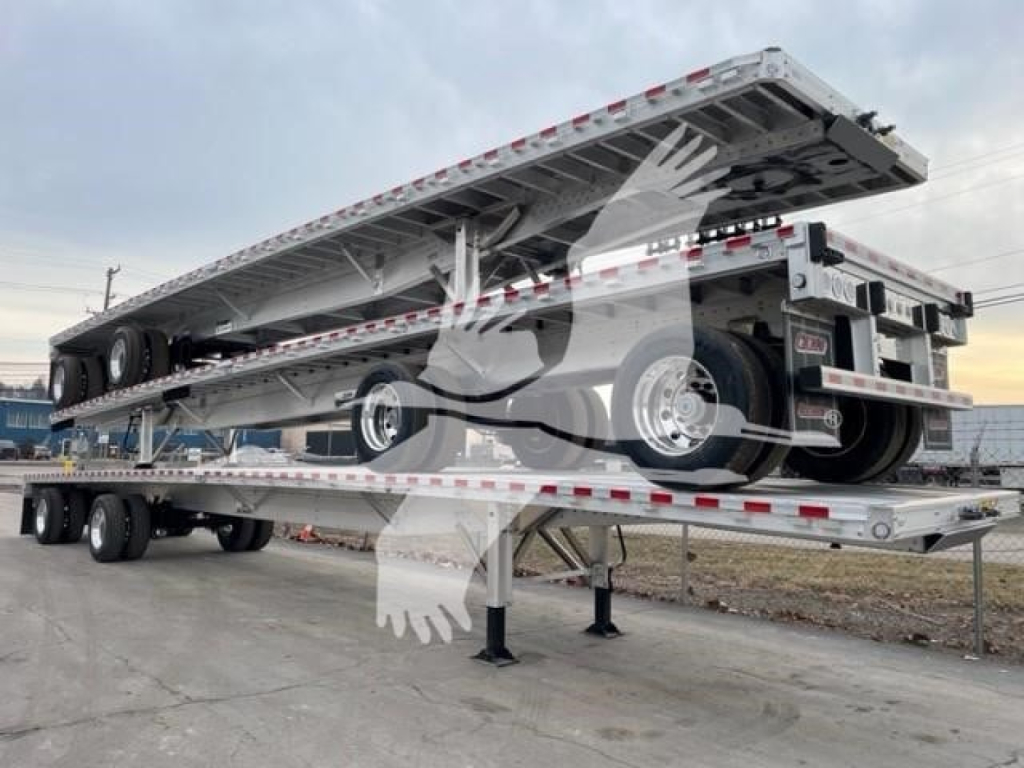
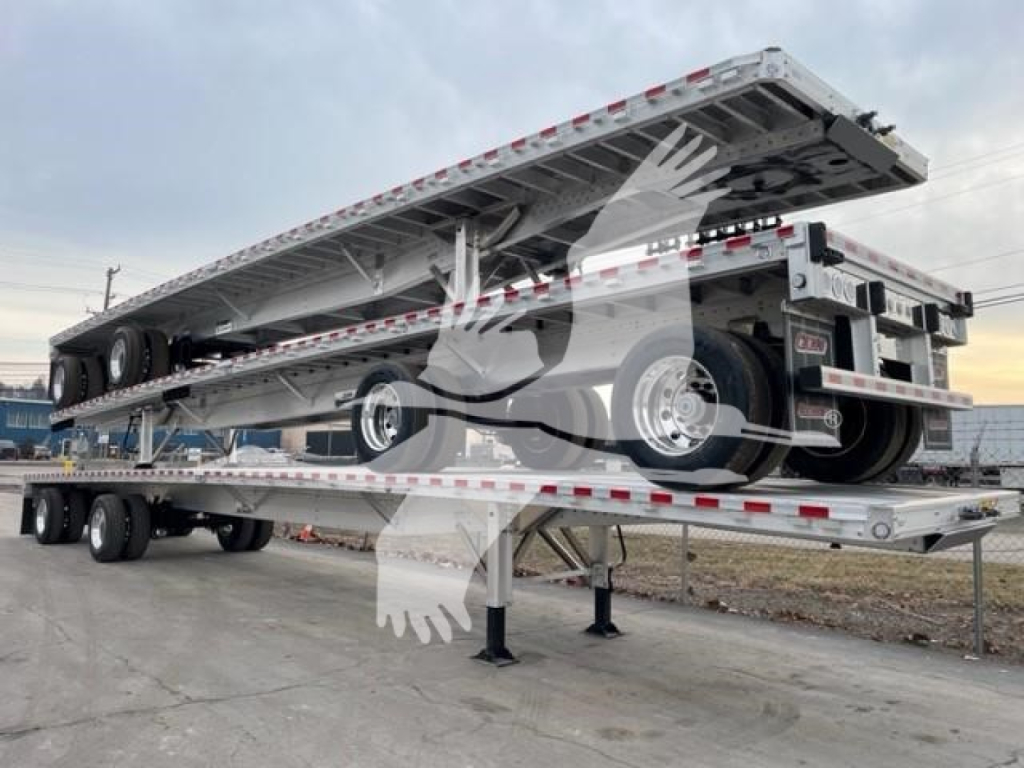
Shop 2025 Reitnouer flatbed trailers with lightweight aluminum construction, strong payload capacity, air ride suspensions, and freight-ready specs.
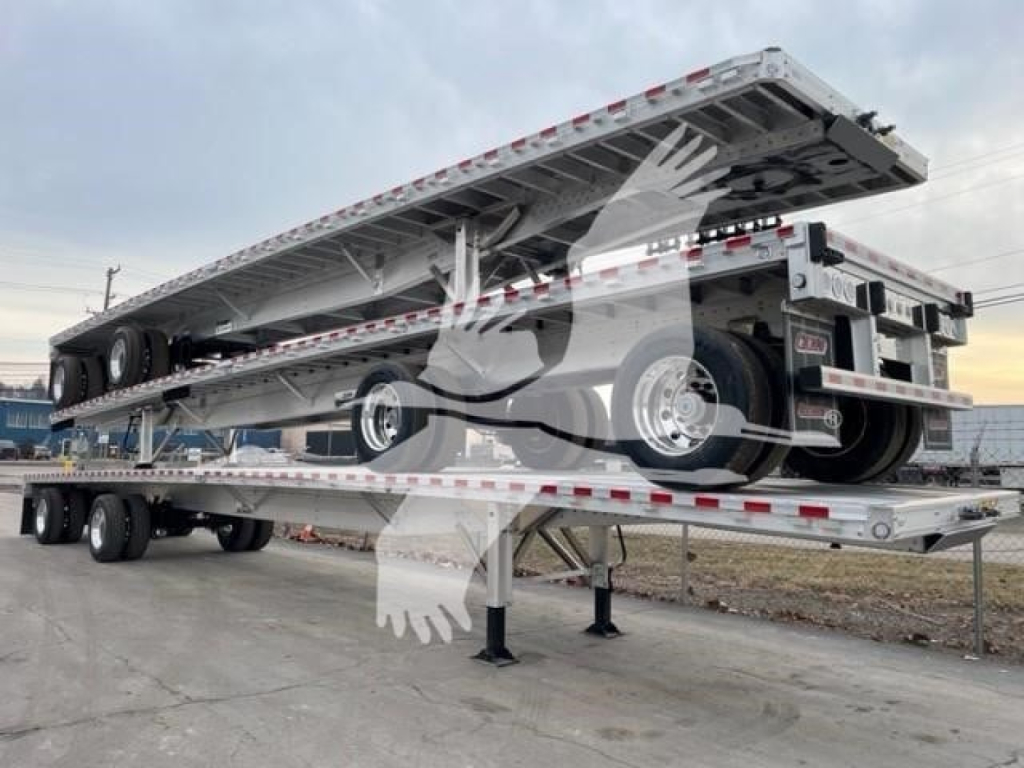
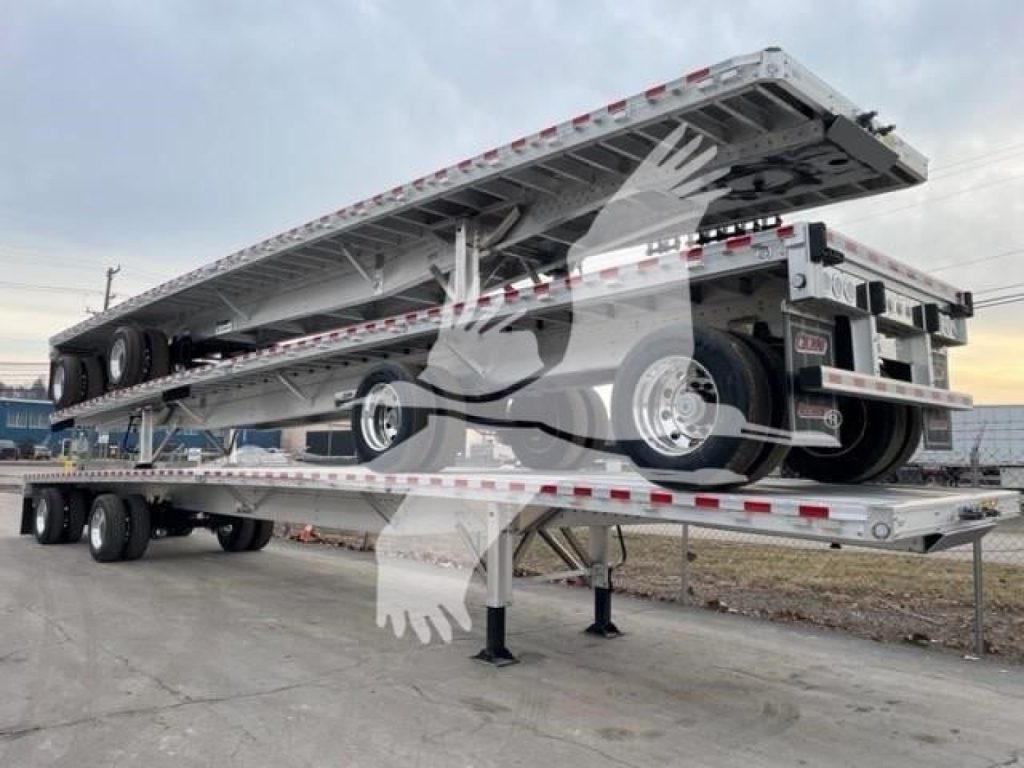
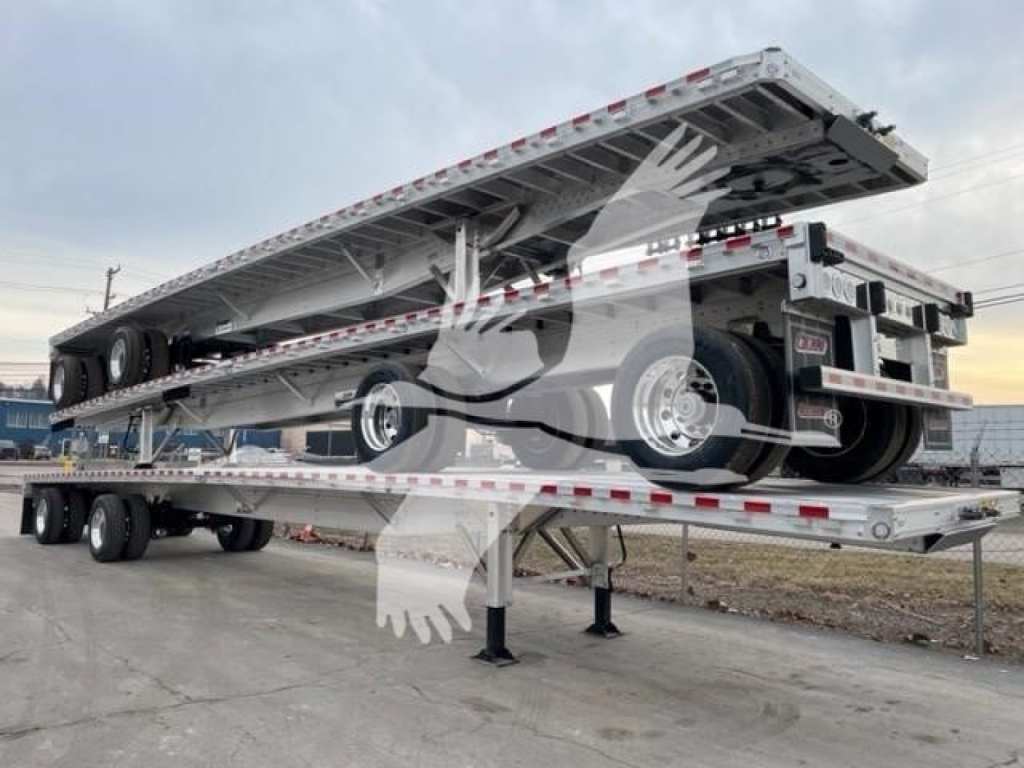
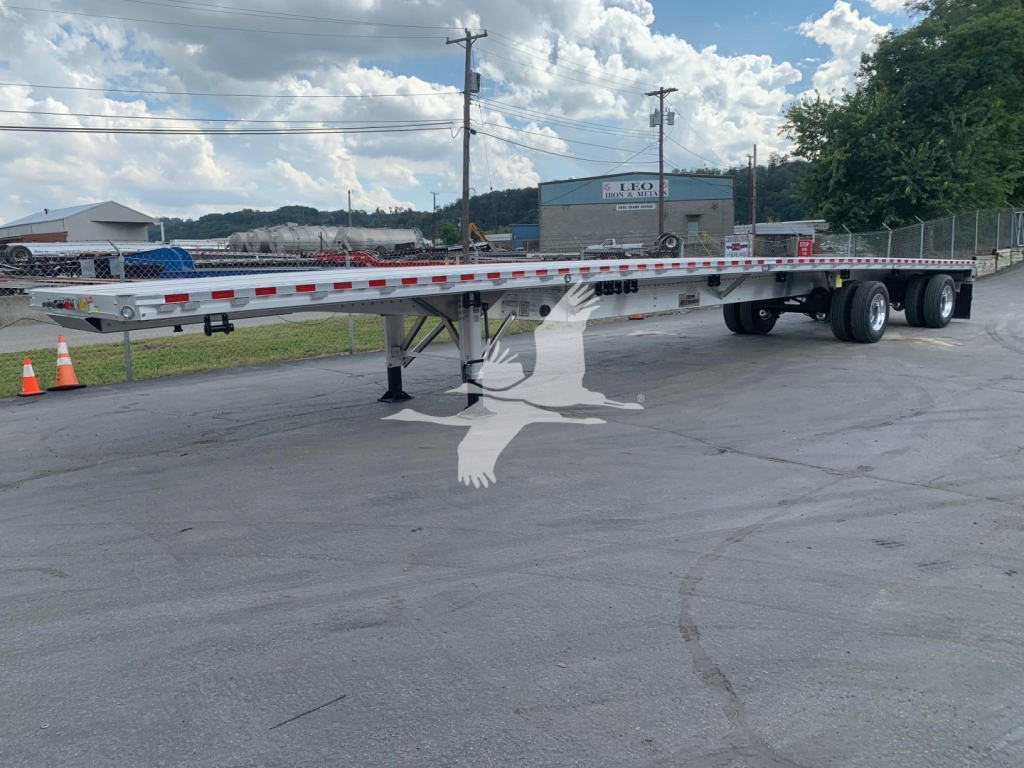
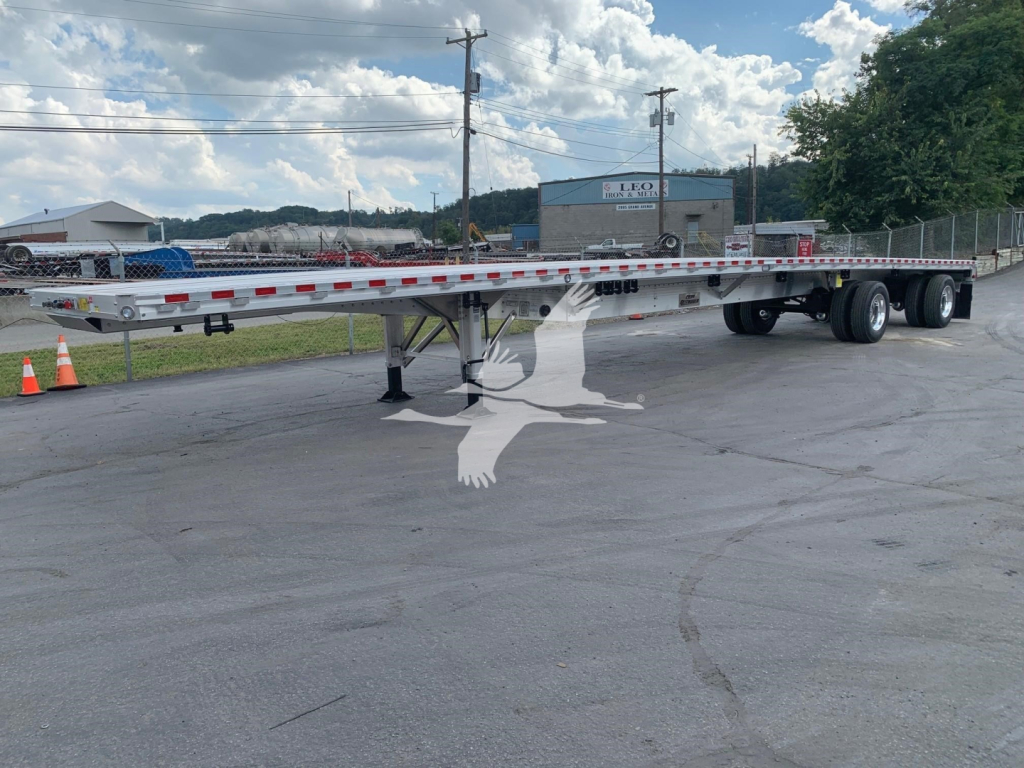
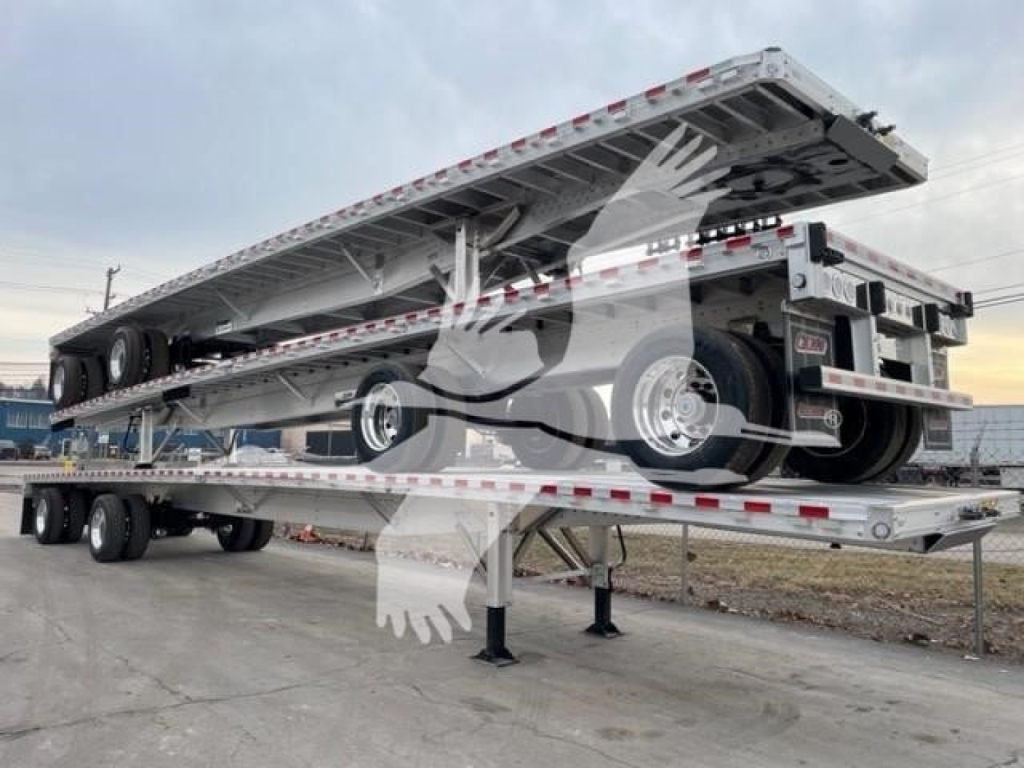
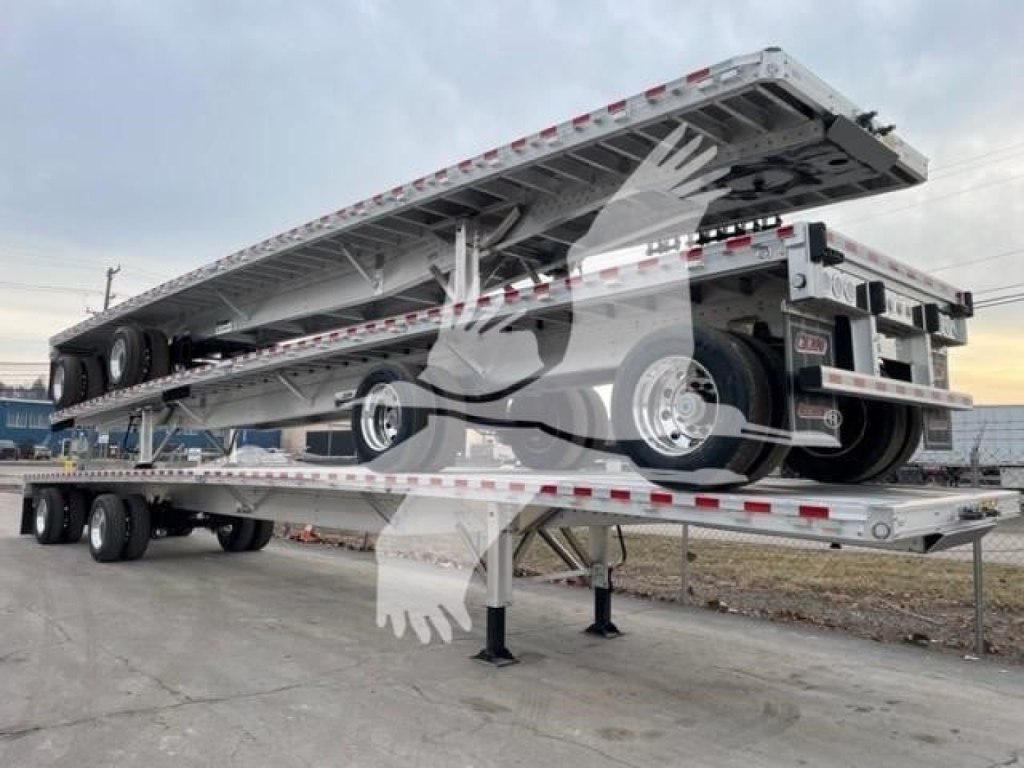
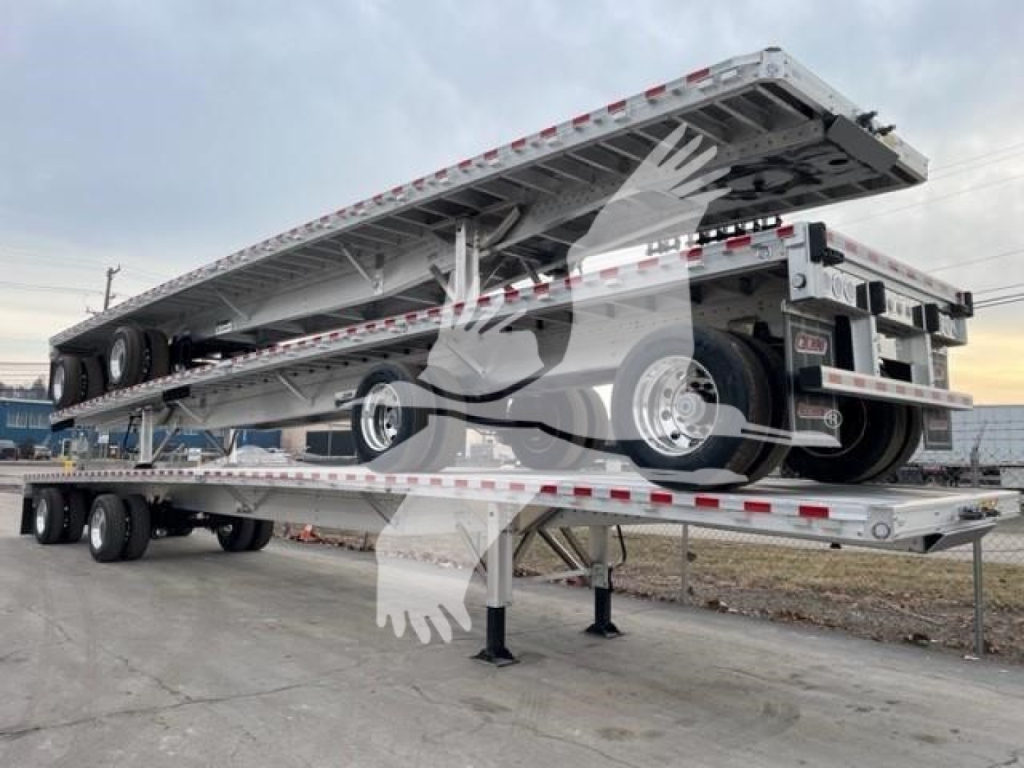
Selling a 2025 reitnouer flatbed trailer? List your 2025 reitnouer flatbed trailer for sale and reach thousands of commercial buyers.
2025 Reitnouer Flatbed Trailers
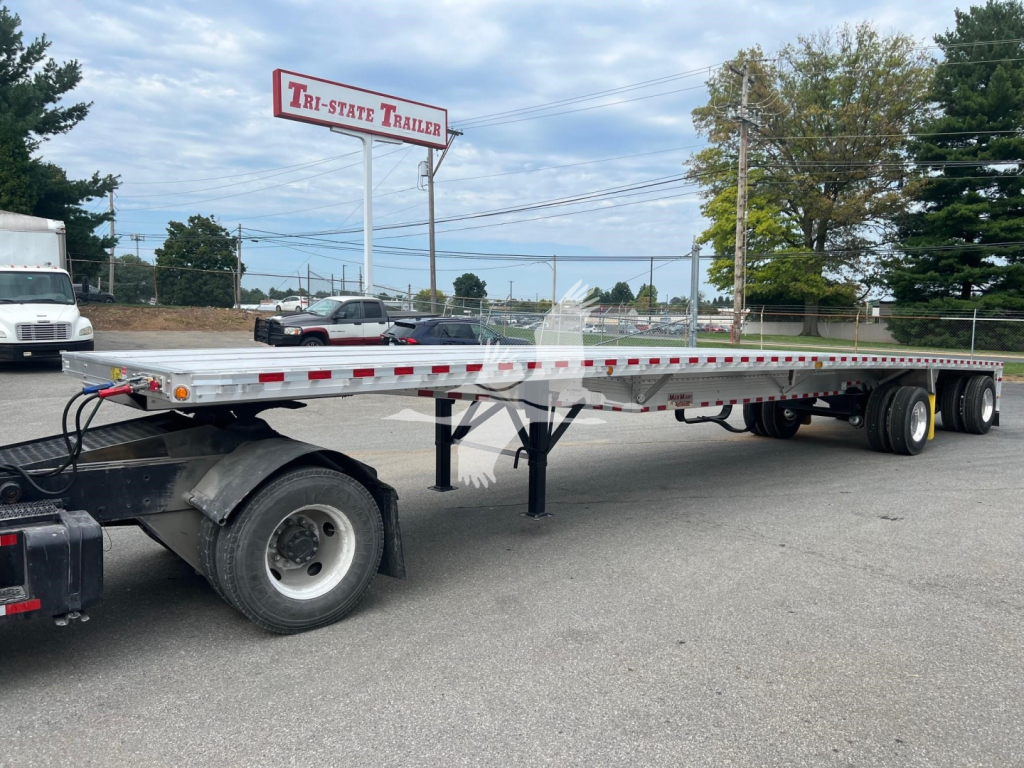
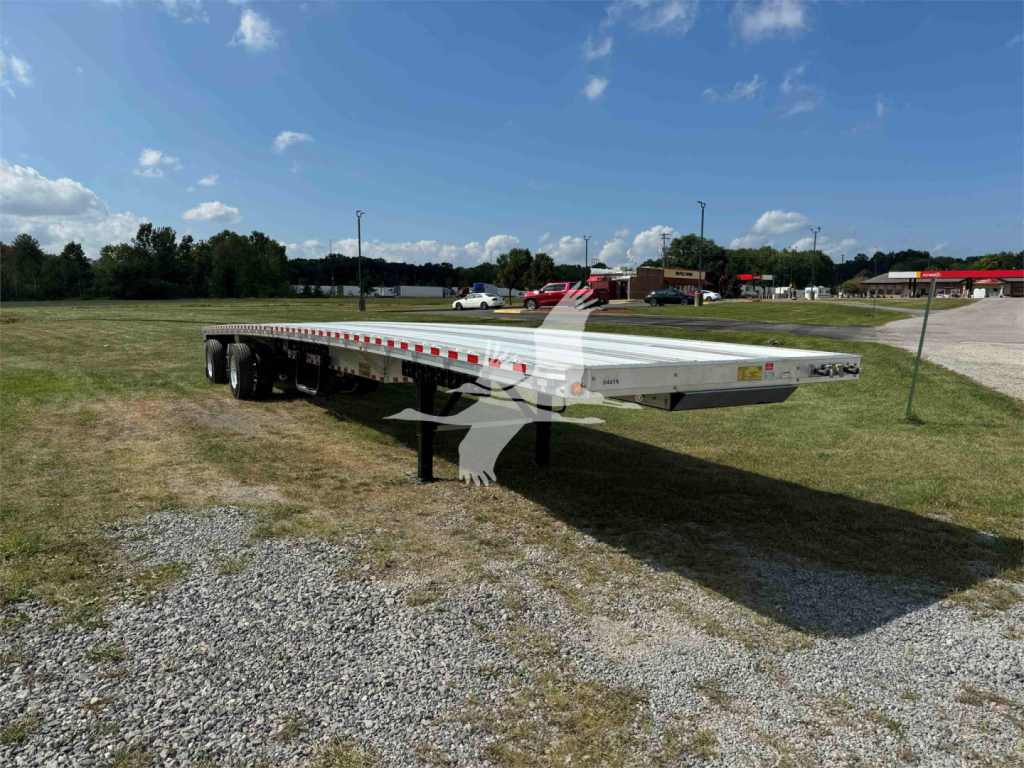
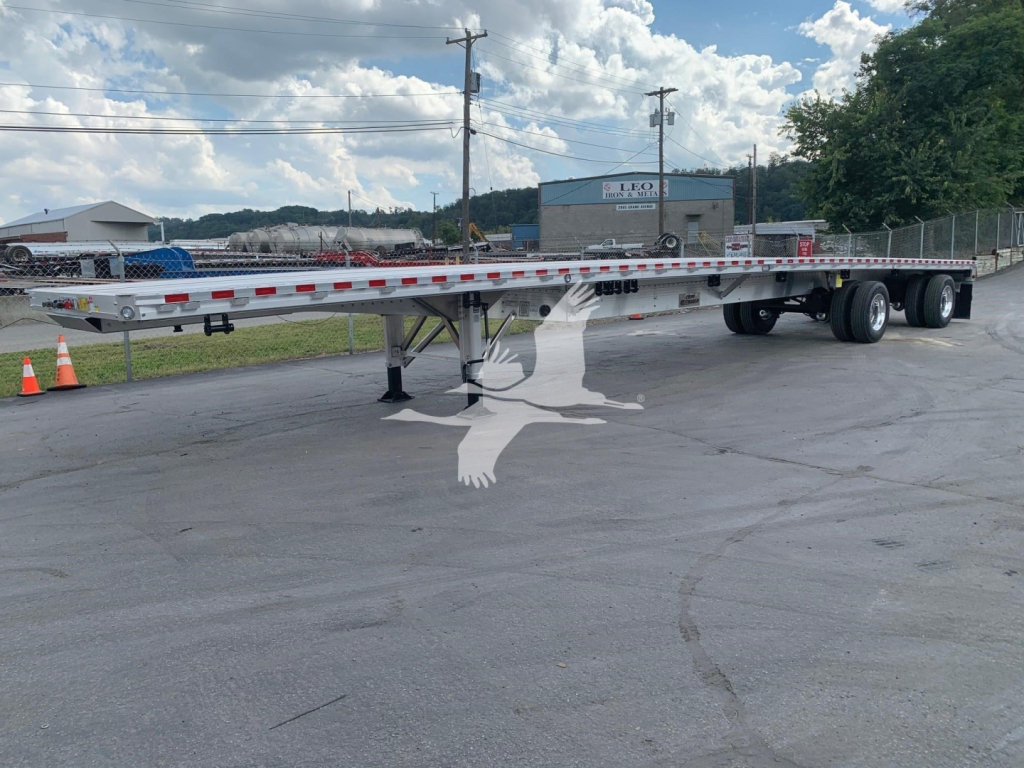
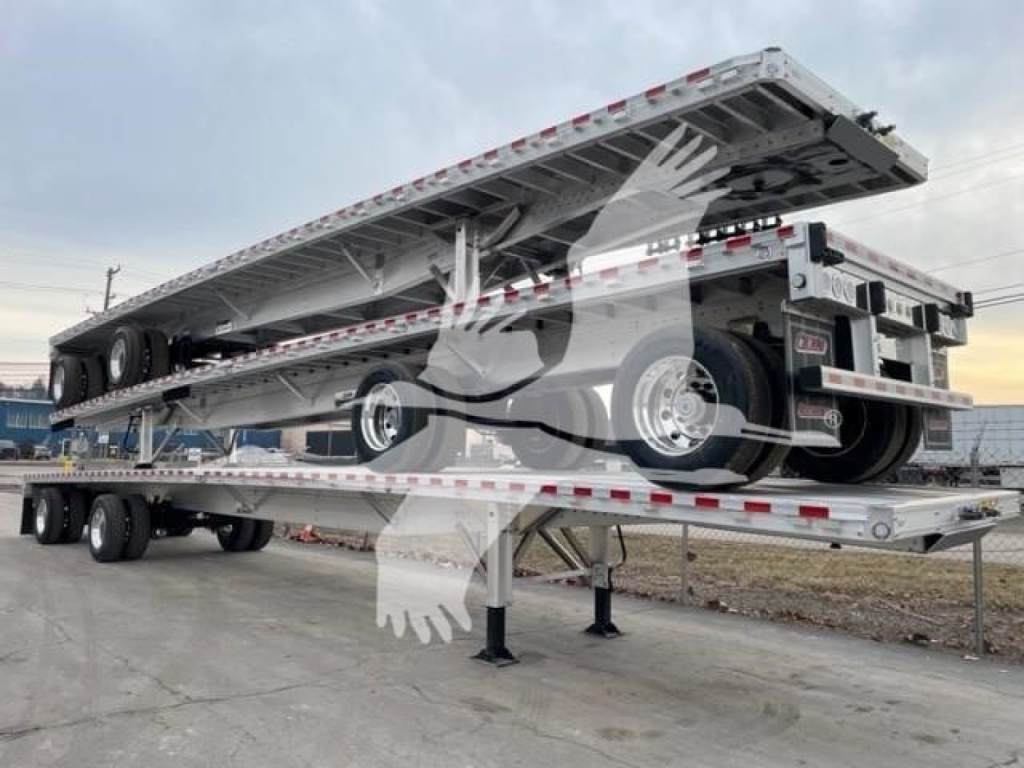
One of the first details to compare is deck and securement setup. Reitnouer flatbeds are often spec'd with aluminum flooring, apitong nailer strips, full or partial winch tracks, sliding winches, double pipe spools, and various chain tie-down arrangements. Buyers hauling steel coils, dense building products, or concentrated freight should pay close attention to crossmember spacing and coil package specs. A mini coil package or full coil package with additional crossmembers increases deck support and improves suitability for heavy point loads. Weight ratings in concentrated areas, such as 60,000 pounds in 10 feet or similar ratings, are especially important if the trailer will see steel, lumber packs, or machine components instead of evenly distributed general freight.
Suspension and running gear also deserve a close look because they affect both ride quality and operating cost. Many Reitnouer flatbeds in this class use Hendrickson Intraax air ride suspensions in 23K or 30K setups, commonly with a 10-foot 2-inch spread set toward the rear. That spread axle arrangement can help with weight distribution and load legality, though it may also affect maneuverability depending on the route profile. Common supporting specs include aluminum wheels, low-profile 22.5 tires or 24.5 rubber, Jost two-speed landing gear, dump valves, and LED lighting. Some trailers are also equipped with disc brakes, tire inflation systems, grease hubs, or reduced-arch designs that slightly alter deck profile and loading characteristics.
For many buyers, the value in a Reitnouer flatbed comes down to long-term corrosion resistance, lower empty weight, and broad freight compatibility. These trailers are also commonly referred to as aluminum flatbeds or open-deck flatbed trailers. When comparing listings, focus on axle spread, crossmember centers, coil package configuration, winch layout, brake type, and any side kit or tarping-related equipment already installed. Those details determine how well the trailer fits your freight lanes and how much additional upfitting will be needed before it goes to work.
Frequently Asked Questions about 2025 Reitnouer Flatbed Trailers
What makes a Reitnouer flatbed trailer different from a steel flatbed?
The biggest difference is construction material and resulting empty weight. Reitnouer flatbed trailers are widely known for all-aluminum construction, which reduces tare weight and can increase legal payload compared with a comparable steel trailer. Aluminum also offers strong corrosion resistance, which is valuable in regions with winter road treatment, coastal exposure, or heavy year-round use. A steel flatbed may be preferred in certain severe-duty applications, but for many general freight and building material operations, the lighter aluminum design is a major operating advantage.
What specs matter most when buying a 2025 Reitnouer flatbed trailer?
The most important specs usually include trailer length and width, axle configuration, suspension type, kingpin setting, crossmember spacing, floor design, and securement equipment. On a Reitnouer flatbed, buyers should also pay close attention to whether the trailer has a mini or full coil package, how the winch track is laid out, how many sliding winches are installed, and whether the trailer includes apitong nailer strips or chain tie-downs. These details directly affect what freight the trailer can handle efficiently and safely.
Is a spread axle Reitnouer flatbed better than a tandem closed tandem setup?
A spread axle configuration can be a strong choice for weight distribution and legal loading on many flatbed applications, especially with heavier or longer freight. It can help balance axle weights and improve flexibility when positioning loads. The tradeoff is that spread axles can be less maneuverable in tight yards or urban delivery points and may increase tire scrub in certain turning conditions. The better option depends on your freight profile, operating states, and how often the trailer has to work in confined spaces.
Do I need a coil package on a flatbed trailer?
If the trailer will haul steel coils, concentrated machinery, or other high-point-load freight, a coil package is an important feature. A coil package adds structural reinforcement, usually through additional crossmembers and deck support in the load area, helping the trailer handle concentrated weight more effectively. A mini coil package may be enough for occasional dense freight, while a full coil package is better suited for more demanding applications. Buyers focused on lighter, evenly distributed freight may not need that added structure to the same degree.
What freight is a 2025 Reitnouer flatbed trailer commonly used for?
This category is commonly used for building products, lumber, steel, machinery, crated industrial freight, palletized materials, and other loads that require side loading, top loading, or crane access. The flat deck allows flexibility that van trailers cannot provide, and the lightweight aluminum construction helps preserve payload on heavier shipments. With the right securement setup, these trailers can serve regional building supply haulers, over-the-road open-deck carriers, and specialized freight operators that need a versatile 48-foot platform.