
2025 Lowboy Trailers For Sale
Shop 2025 lowboy trailers for heavy equipment hauling. Compare detach, traveling axle, ton rating, deck height, axle setups, and load securement.
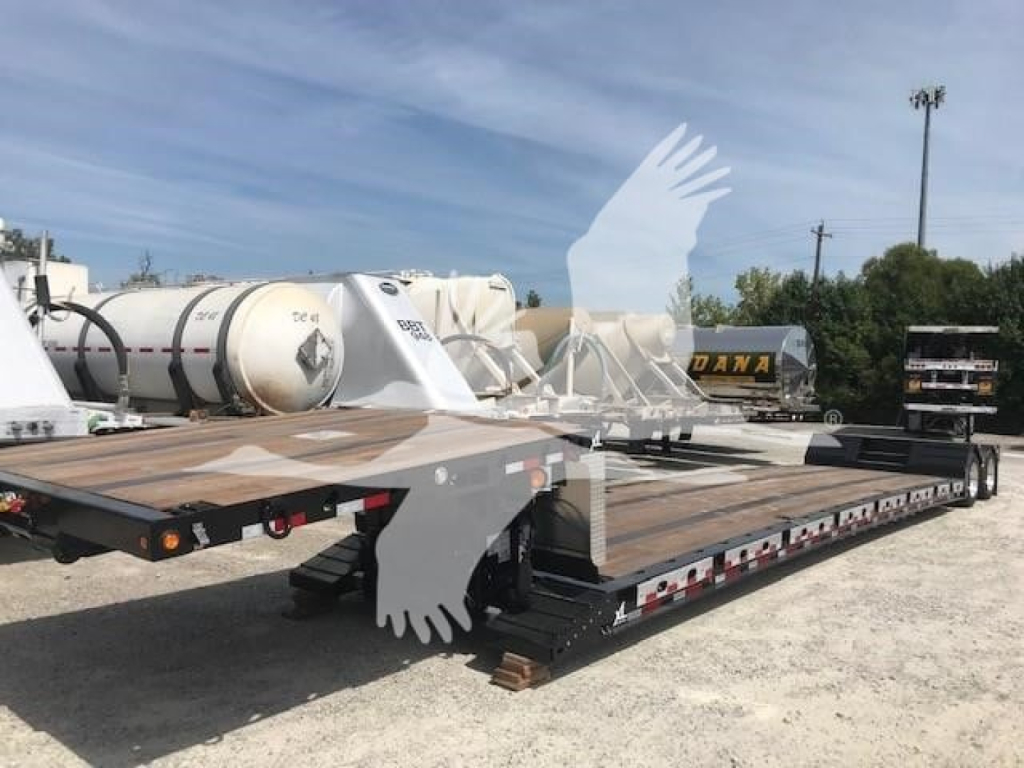
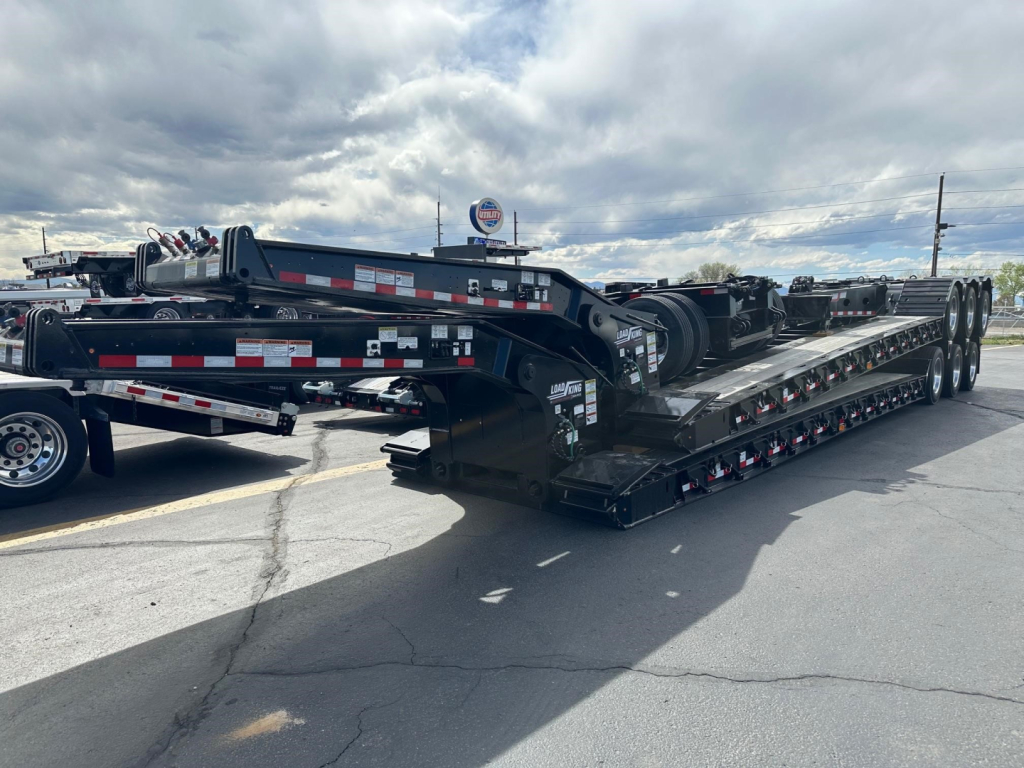
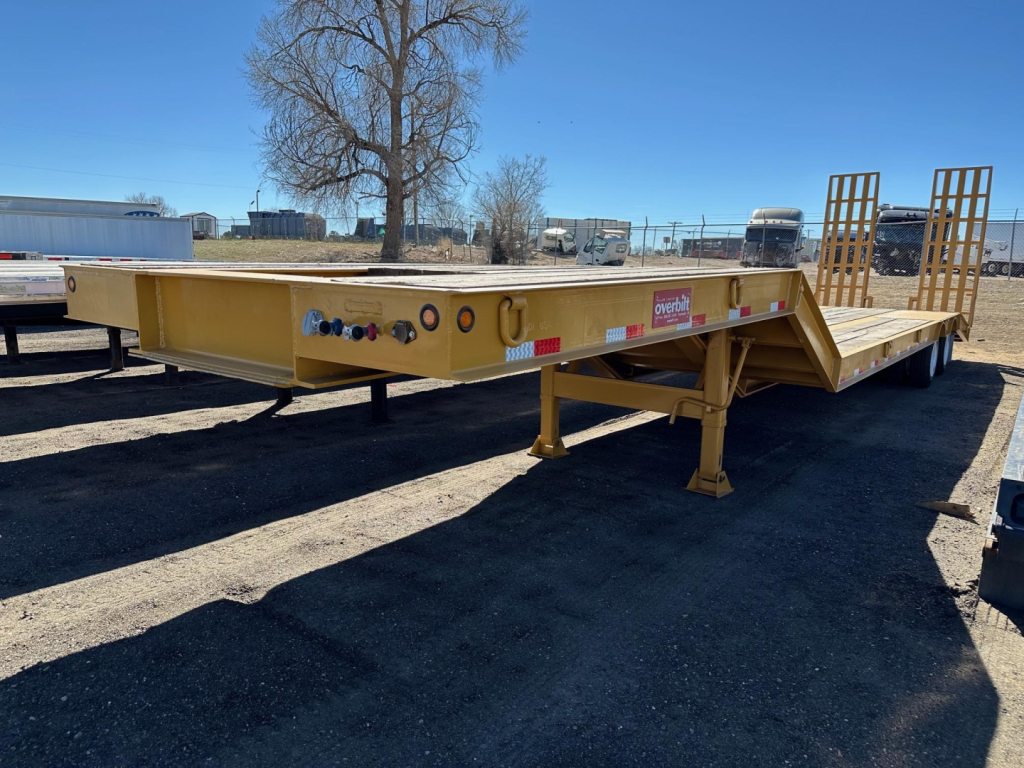
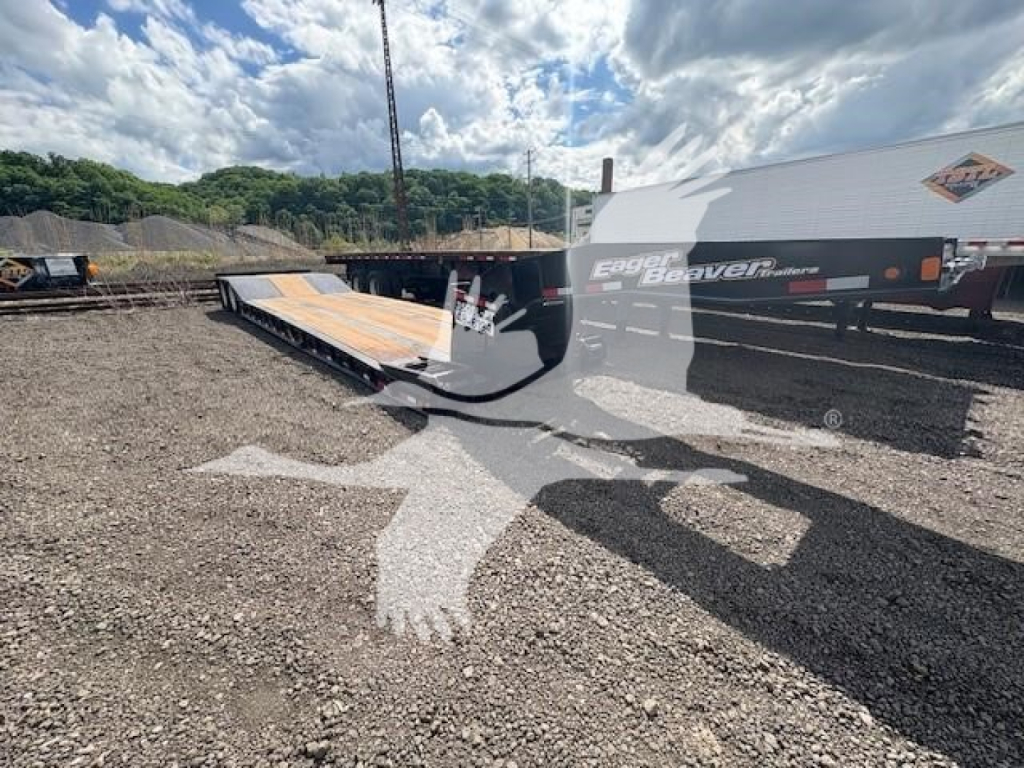
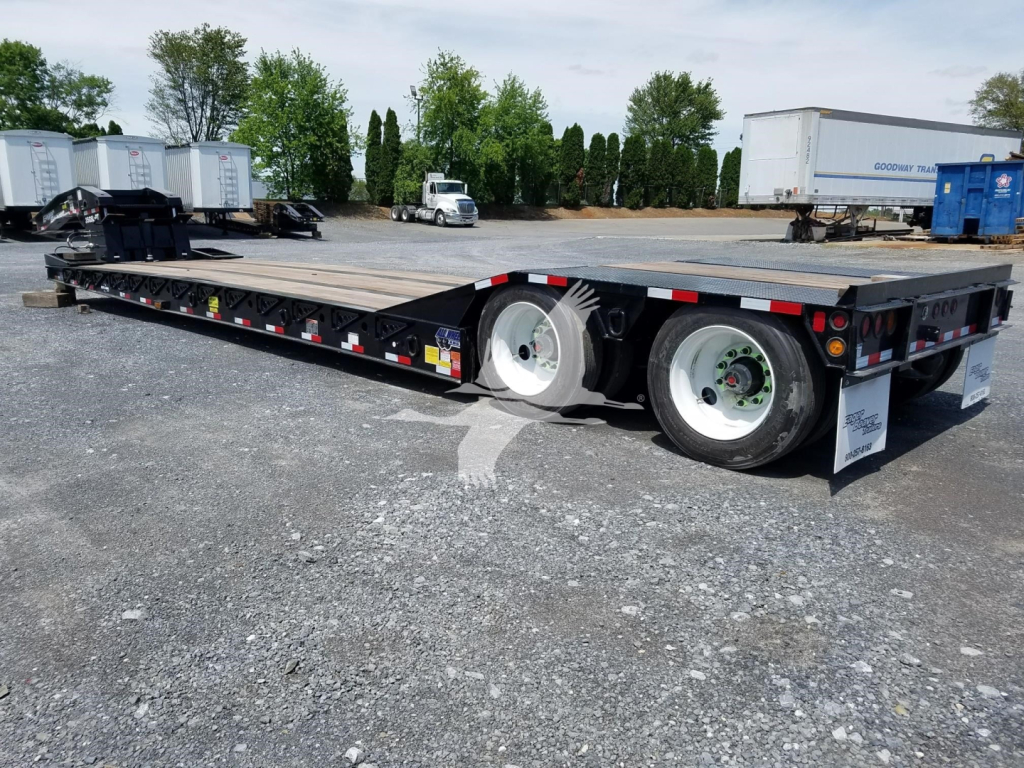
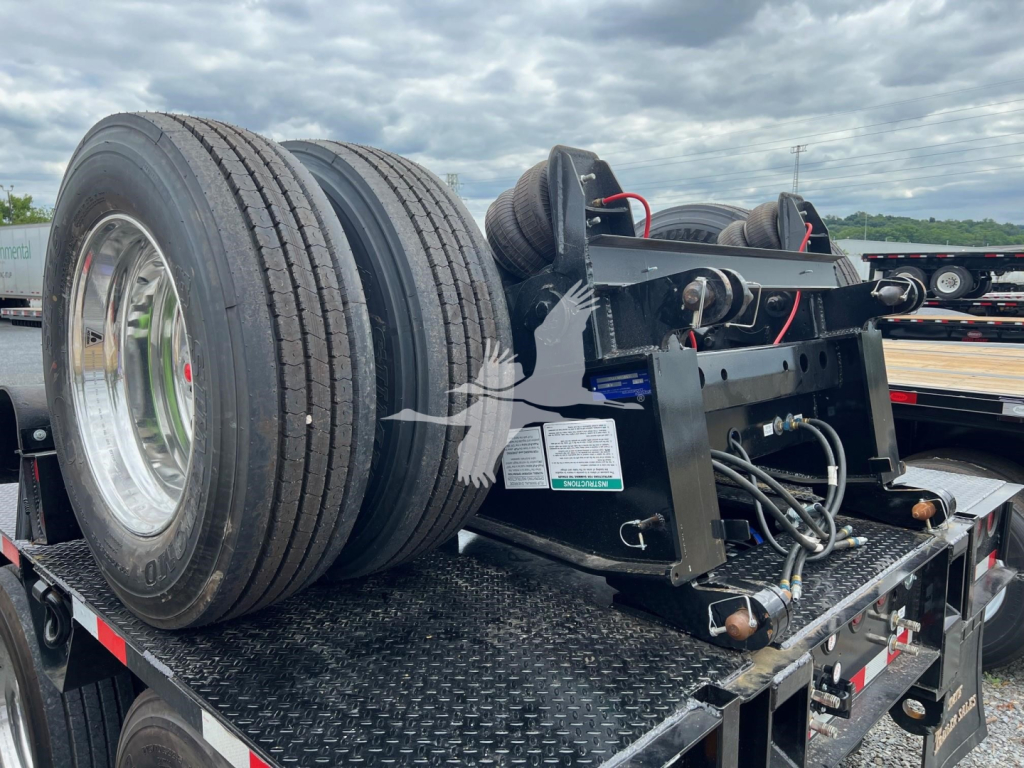
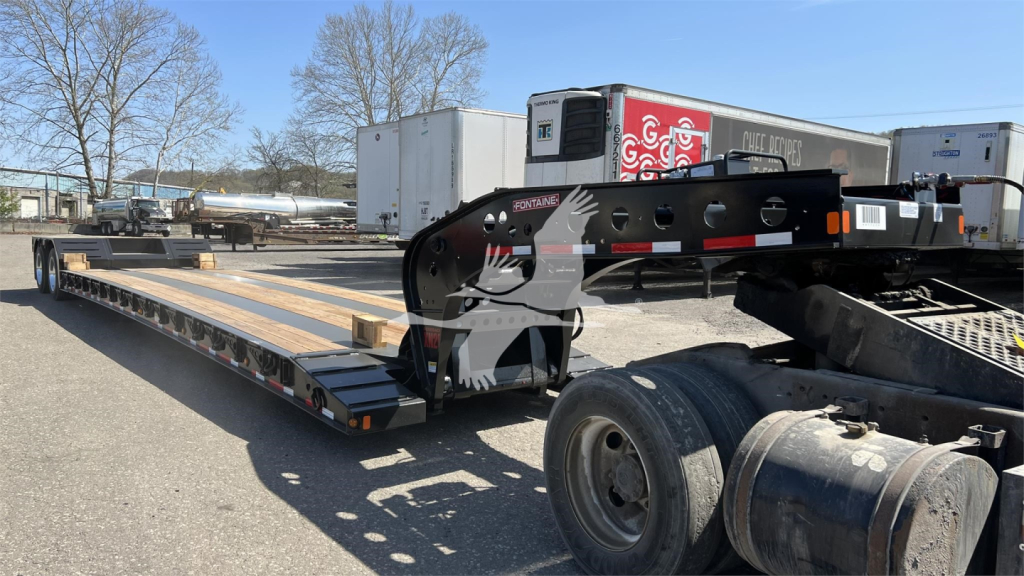
Selling a 2025 lowboy trailer? List your 2025 lowboy trailer for sale and reach thousands of commercial buyers.
2025 Lowboy Trailers
The first specs to study are ton rating, concentrated load rating, loaded deck height, and overall deck length. Many lowboys are marketed as 35-ton, 40-ton, 50-ton, 55-ton, 60-ton, or 90-ton class trailers, but the real question is how much weight the trailer is rated to carry in a given section of deck. A trailer rated at a certain gross capacity may have a much different rating in 10 feet or 16 feet, which matters when hauling machines with heavy track or axle concentrations. Buyers should also compare kingpin setting, swing clearance, ground clearance, and axle spacing, especially if the trailer will be paired with a specific tractor wheelbase or used in tight jobsite approaches.
Construction details have a direct impact on service life and day-to-day usability. Common features in this category include apitong decking, chain slots, D-rings, stake pockets, flag holders, toolboxes, swingout outriggers, flip necks, front loading ramps, and prep for flip axles or jeep combinations. Hydraulic detachable goosenecks reduce loading time and make frequent machine moves easier, while mechanical or fixed-neck designs can be simpler and lighter depending on the application. Air ride suspension, lift axles, manual or automatic ride height control, tire inflation systems, centralized grease systems, and onboard scale systems are all worth considering for operators trying to manage maintenance, tire life, and permit-sensitive axle weights.
A 2025 lowboy trailer should be matched to the freight lane as much as the machine. Regional bridge formulas, oversize permit rules, seasonal road restrictions, and the need for future axle additions all affect the right spec. Buyers hauling crawler equipment often prioritize low deck height, strong concentrated load ratings, and securement options along the main beams. Those moving longer or mixed freight may lean toward extendable lowboys or traveling axle trailers for easier loading angles and more flexibility. The best lowboy is the one that matches the heaviest machine in the fleet, the tractor that will pull it, and the permit environment it will run in every week.
Frequently Asked Questions about 2025 Lowboy Trailers
What is the difference between a lowboy trailer and a detachable gooseneck trailer?
A lowboy is the trailer category, while a detachable gooseneck is one common lowboy configuration. Lowboy trailers use a dropped deck to carry tall, heavy equipment lower than a standard flatbed. A detachable gooseneck lowboy lets the front of the trailer disconnect so equipment can be driven onto the deck from the ground. Hydraulic detachable goosenecks are especially common in heavy-haul work because they speed up loading and unloading and reduce the need for external ramps.
How do I choose the right ton rating for a lowboy trailer?
Start with the actual operating weight of the equipment, then look at concentrated load rating instead of relying only on the advertised ton class. A machine with heavy tracks or a short wheelbase can place more weight in a smaller deck area than the trailer is designed to carry. Buyers should compare gross capacity, capacity in a defined deck section such as 10 feet or 16 feet, axle group ratings, and whether the trailer is designed for flip axles or additional configurations. The right rating should leave room for attachments, fuel, and real-world loading conditions.
What deck height matters most on a lowboy trailer?
Loaded deck height is one of the most important lowboy specs because it affects legal overall height and loading stability. Lower deck heights help move tall machines under bridges and power lines, but they must be balanced against ground clearance for jobsite entrances, railroad crossings, and uneven terrain. Buyers should compare loaded deck height, gooseneck clearance, rear frame clearance, and ride height adjustment features to make sure the trailer works on both the highway and the jobsite.
Are traveling axle trailers considered a good alternative to a traditional lowboy?
Traveling axle trailers can be an excellent alternative when a low loading angle and easy equipment loading are priorities. Instead of detaching the neck, the axle group slides to change the load angle, which can make loading wheeled or tracked equipment simpler in some applications. They are often used for construction equipment and other heavy machinery, but buyers still need to compare deck height, weight distribution, concentrated load ratings, and maintenance needs against a detachable lowboy before deciding which design fits the operation better.
What features are most important for equipment securement on a lowboy trailer?
Securement points are critical because heavy equipment often has limited tie-down locations and high concentrated forces. Buyers should look for chain slots, D-rings, stake pockets, chain drops, and strong outer beam securement points positioned where machines actually sit on the deck. Swingout outriggers, boom wells, and reinforced deck sections can also improve versatility for mixed loads. A well-designed securement layout saves time, helps drivers comply with cargo securement rules, and reduces the need to improvise with load placement.