
2025 Lowboy Trailers For Sale in Pennsylvania
Shop 2025 lowboy trailers for heavy equipment hauling in Pennsylvania. Compare deck height, ton rating, detachable necks, axles, and specs.
Selling a 2025 lowboy trailer? List your 2025 lowboy trailer for sale and reach thousands of commercial buyers.
2025 Lowboy Trailers in Pennsylvania
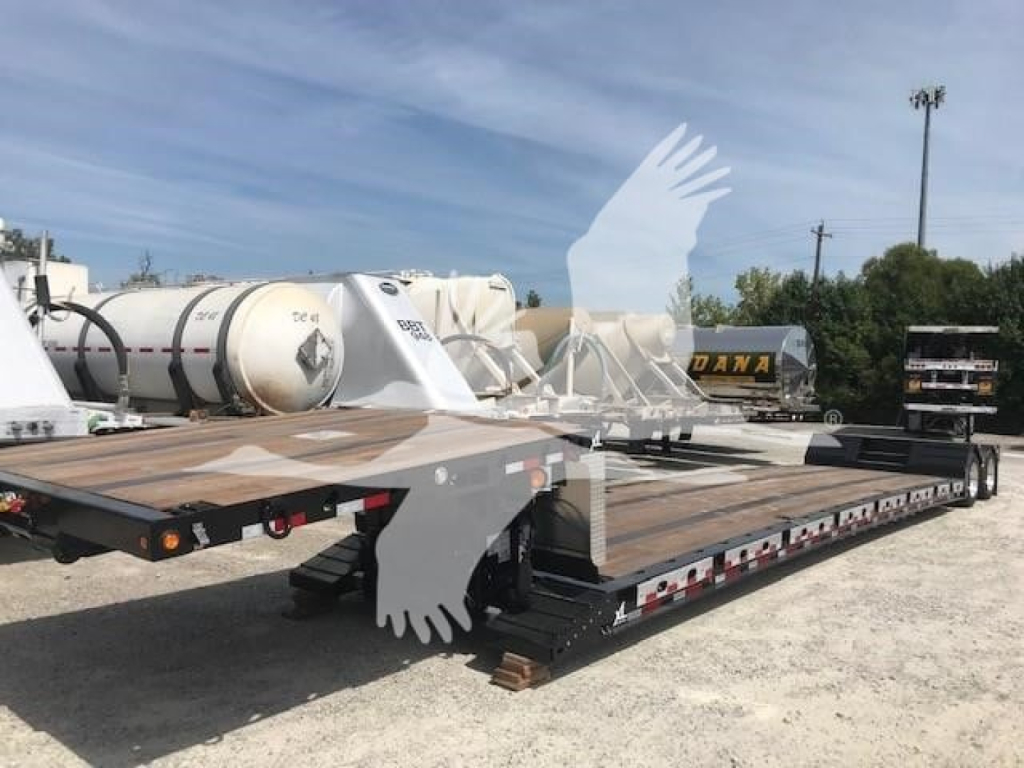
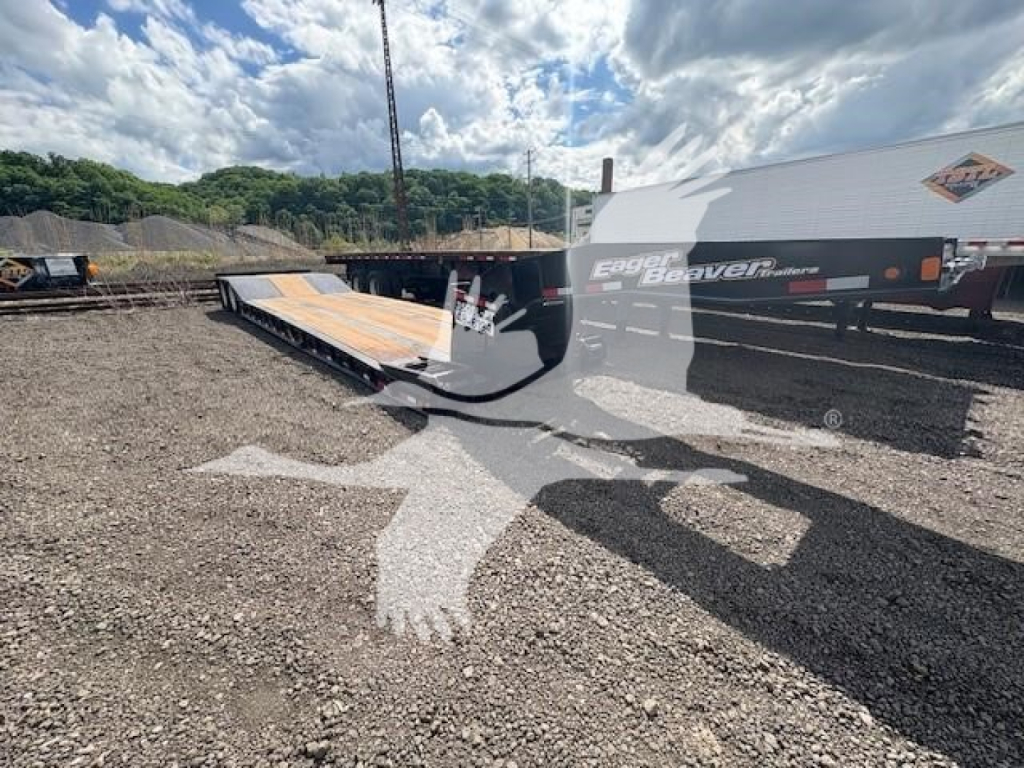
Most 2025 lowboy trailers on the market center around hydraulic detachable gooseneck designs, including non-ground-bearing setups that speed loading of tracked machines, pavers, and other self-propelled equipment. Common specs include 102-inch overall width, apitong flooring, air ride suspension, 22.5-inch rubber, and steel perimeter frames with D-rings, chain drops, and outriggers depending on intended cargo. In this category, deck lengths can vary widely, from shorter paving-style wells to 50-plus-foot heavy haul configurations. Main deck height is a critical number. A 12-inch to 24-inch loaded deck height can change what machines you can move without routing restrictions. Pennsylvania buyers should also pay attention to bridge law, axle spacing, flip axle compatibility, and kingpin settings when matching a trailer to a particular tractor and permit profile.
Capacity ratings in this class often range from around 35 tons on paving and general construction trailers up to 55 tons and beyond on heavier detachable lowboys. That rating only tells part of the story. Buyers should verify the rated capacity in the stated concentrated area, such as 12 feet or 16 feet, because excavators, dozers, and asphalt equipment do not load evenly. Hydraulic detachable necks improve loading efficiency, while rear deck design, open wheel wells, bucket wells, mini boom troughs, traction cleats, and ramp arrangements can be important depending on the machine mix. Air ride suspensions, lift axles, dump valves, and ride height control valves also matter for loading angle, tire wear, and road manners under varying payloads.
For Pennsylvania service, corrosion resistance, lighting, and securement details deserve extra scrutiny because lowboys often see year-round use on jobsite roads and treated winter highways. Look closely at crossmember spacing, frame construction, suspension brand, liquid-filled air gauge setup, and the number and placement of D-rings or chain slots. A trailer hauling compact equipment every day has a different ideal spec than one moving larger excavators, pavers, or specialized iron under permit. The best 2025 lowboy trailer is the one matched to your heaviest regular load, your tractor wheelbase and fifth wheel height, and the permitting realities of the routes you actually run.
Frequently Asked Questions about 2025 Lowboy Trailers in Pennsylvania
What is the difference between a lowboy trailer and a detachable gooseneck trailer?
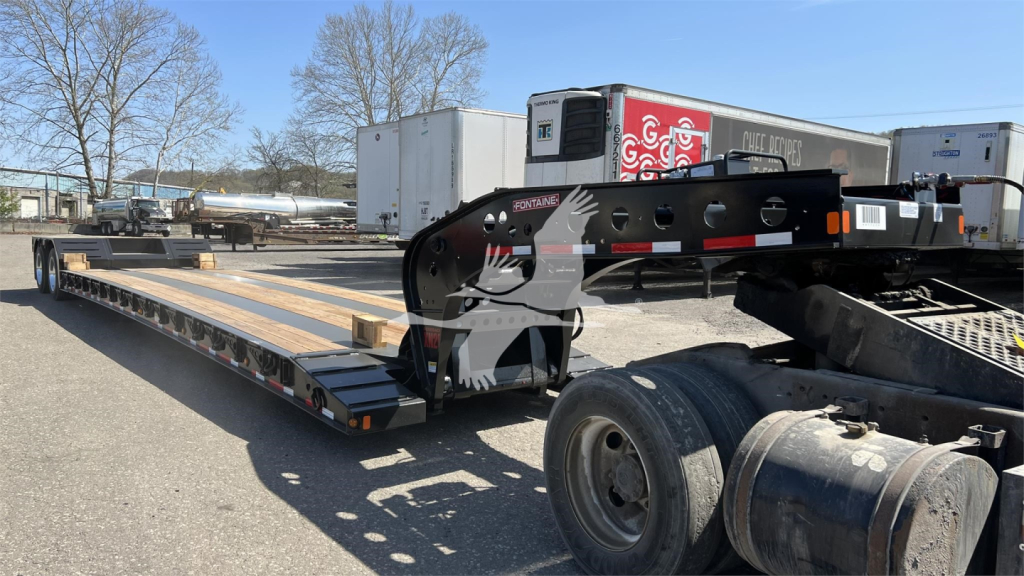
Lowboy refers to the trailer style with a very low main deck built for hauling tall and heavy equipment. Detachable gooseneck, often shortened to DGN or RGN depending on design, refers to the front connection style that allows the neck to detach so equipment can be driven onto the deck from the front. Many lowboys are detachable gooseneck trailers, but buyers should still confirm whether the neck is hydraulic, mechanical, ground-bearing, or non-ground-bearing because loading method and jobsite suitability can vary a lot.
What capacity should I look for in a 2025 lowboy trailer?
That depends on the actual machines being hauled and where their weight sits on the deck. A 35-ton paving trailer may be adequate for asphalt equipment and some mid-size construction machines, while 50-ton to 55-ton lowboys are more common for heavier excavators, dozers, and multi-machine moves. Capacity should always be reviewed with the manufacturer's rating in the stated concentrated load area, along with axle spacing, neck rating, tire and suspension specs, and the permit requirements in Pennsylvania.
Why is deck height so important on a lowboy trailer?
Deck height directly affects loaded overall height, which determines whether a piece of equipment can move legally without excessive route restrictions or special utility coordination. A lower loaded deck can allow a taller machine to stay under common height thresholds, especially when hauling excavators, pavers, or other high-profile equipment. Buyers should compare loaded deck height together with ground clearance, because an extremely low deck still has to survive uneven jobsite entrances, crowned roads, and steep transitions.
What features matter most for hauling construction equipment on a lowboy?
The most important features are usually the detachable neck design, concentrated load rating, loaded deck height, axle configuration, securement points, and the deck layout itself. Apitong flooring, traction cleats, D-rings, chain drops, outriggers, boom troughs, bucket wells, and flip axle connections can all improve how well a trailer handles real equipment loads. Suspension type, dump valves, ride height control, and rear deck design also affect loading angle and daily usability.
Are flip axles important on heavy haul lowboy trailers?
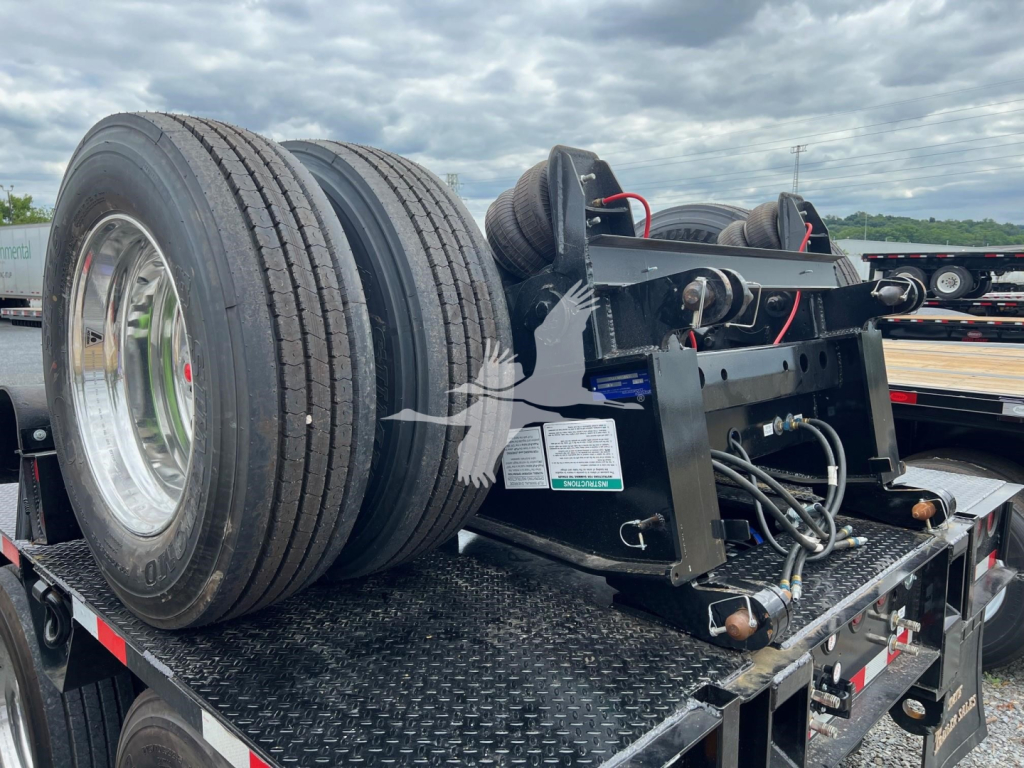
Yes, flip axles are often important for buyers who need flexibility in payload and permitting. A compatible flip axle can help distribute weight more effectively and support heavier legal or permitted loads, especially on higher-capacity lowboys. Buyers should confirm exact compatibility with the base trailer model, suspension setting, axle spacing, and connection design, because not every flip axle setup works across different trailer series or tonnage classes.