
2025 Trailers For Sale in Ohio
Shop 2025 trailers for sale in Ohio, including flatbeds, lowboys, and equipment trailers with current specs, axle setups, and deck options.
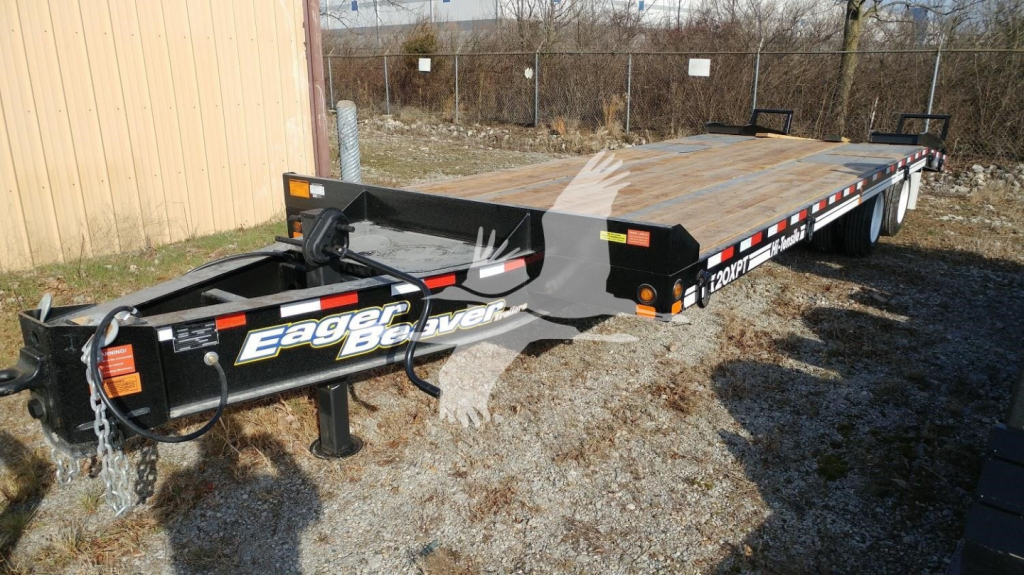
Selling a 2025 trailer? List your 2025 trailer for sale and reach thousands of commercial buyers.
2025 Trailers in Ohio
Flatbeds in this model year commonly show up in aluminum, steel, or combo construction. Aluminum trailers keep tare weight down and help maximize payload, while combo and steel designs can make sense for buyers prioritizing durability, concentrated load handling, or rougher daily use. Common specs include 102-inch width, tandem air ride suspensions, sliding rear axle or spread axle layouts, full-length winch tracks, sliding winches, pipe spools, and Apitong nail strips over aluminum floors. Buyers hauling steel coils, building products, machinery, or palletized freight should pay close attention to crossmember spacing, kingpin setting, coil package reinforcement, side rail design, and whether the axle configuration can meet California legal or other bridge-sensitive requirements when closed or slid forward.
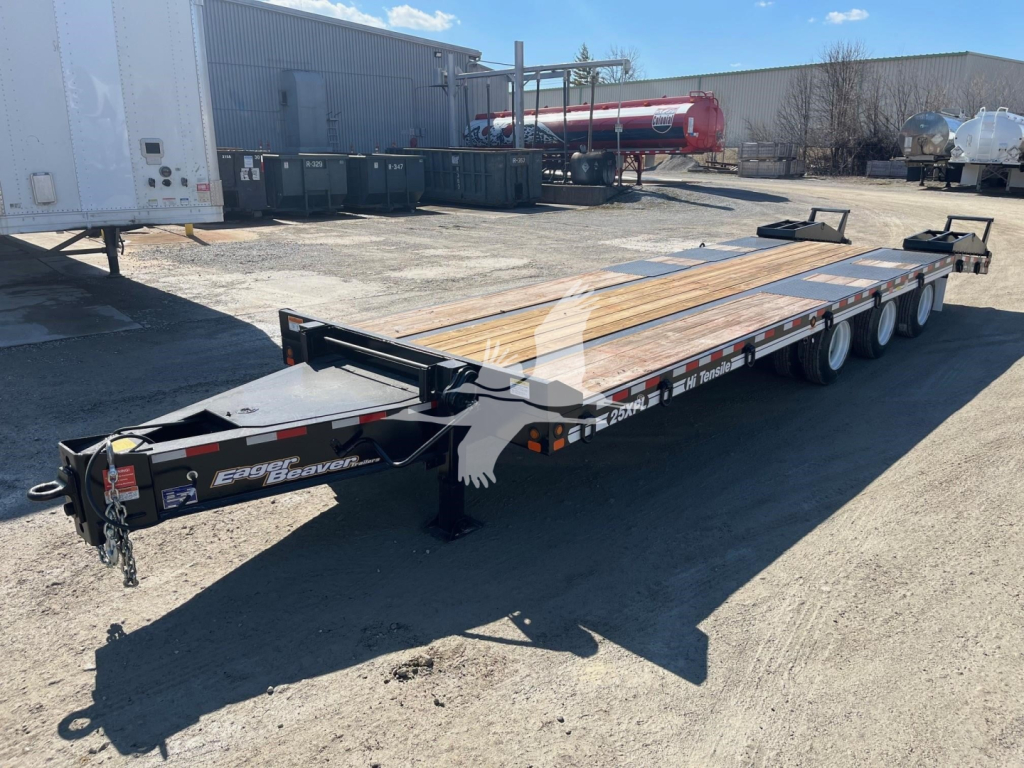
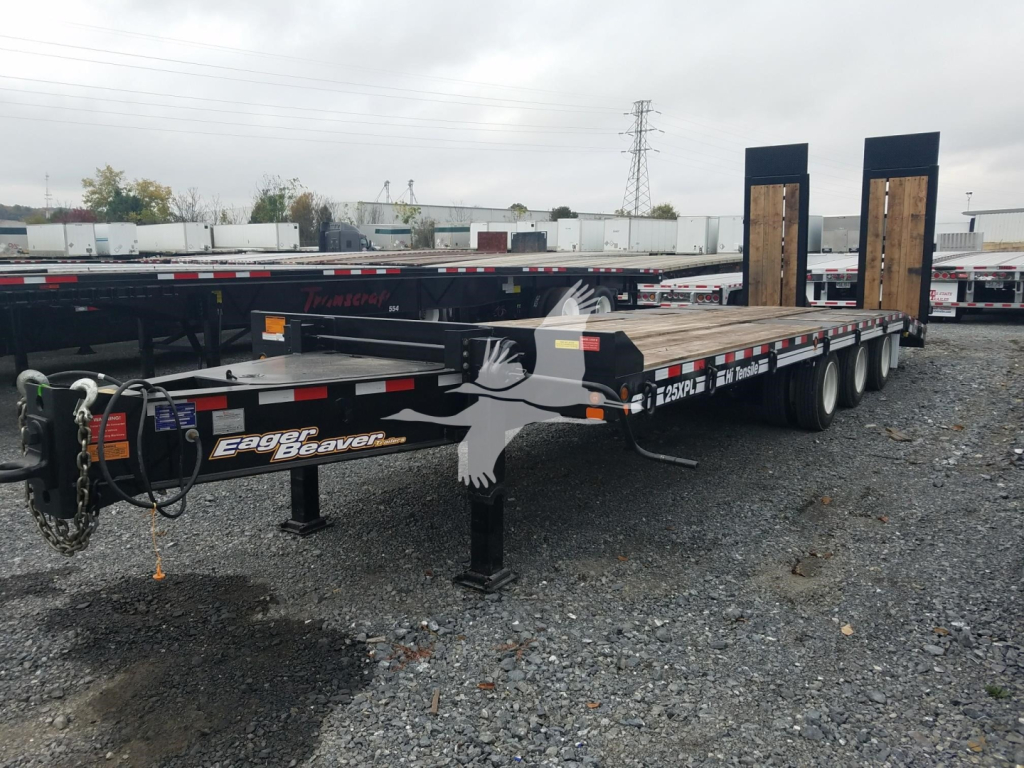
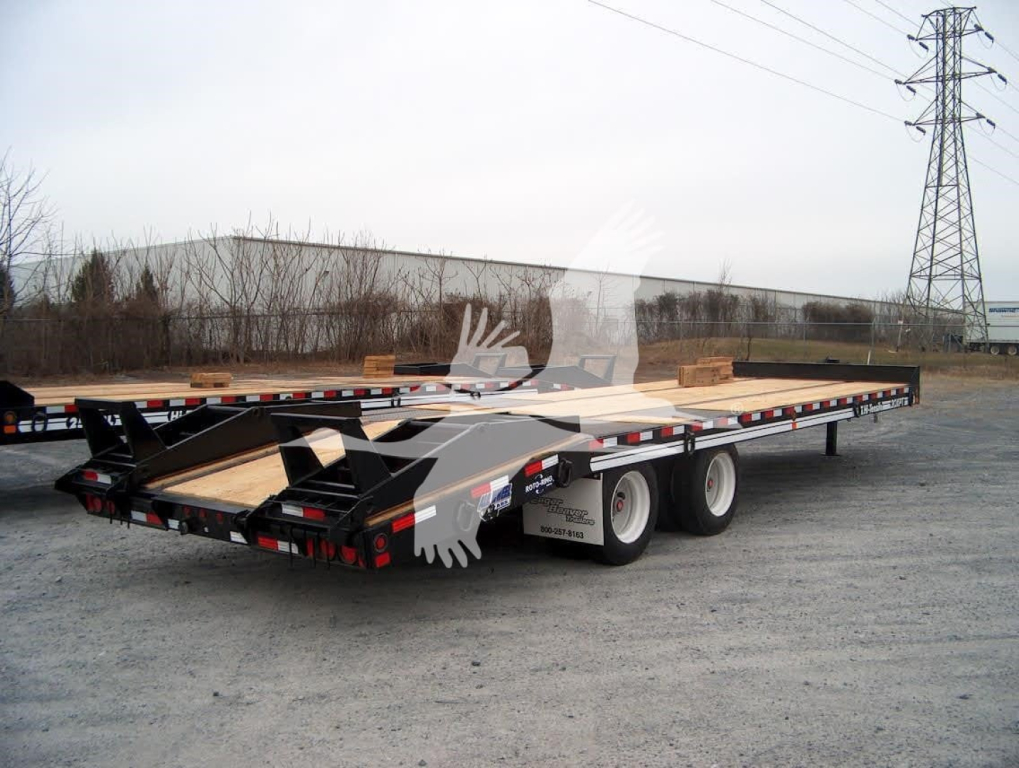
Lowboy and detachable gooseneck trailers in the 2025 range are built around load height, ground clearance, and securement flexibility. Key decision points are hydraulic detachable versus fixed neck, main deck length, loaded deck height, swing clearance, axle count, and the availability of lift axles or flip axle connections. A 55-ton class lowboy, for example, is a very different tool than a lighter equipment trailer with a beavertail and ramps. Heavy-haul buyers should look closely at outriggers, D-ring count and placement, boom trough or bucket well options, ride height control, ramp style, and floor construction such as full-width Apitong. For excavators, pavers, dozers, and crane components, the real value is in how the deck layout matches the machine's track width, axle loading, and loading angle.
For Ohio buyers, corrosion resistance, service access, and parts support matter just as much as published capacity. Air ride remains the preferred suspension on many highway and specialty applications because it helps protect cargo and improves ride quality, while spring ride still has a place on simpler equipment trailers with lower acquisition cost and straightforward maintenance. Tire size, wheel type, hub and drum spec, landing gear, dump valves, and integrated electrical connections all affect long-term operating cost. On any 2025 trailer, it is smart to compare empty weight against legal payload, verify tie-down equipment for the freight you actually move, and make sure deck material, axle placement, and suspension spec support the lanes, permits, and loading practices your operation uses every day.
Frequently Asked Questions about 2025 Trailers in Ohio
What should I look for first when comparing 2025 trailers for sale?
Start with the trailer's actual job, then match the core specifications to that use. Length, deck type, axle configuration, suspension, tare weight, and rated capacity matter more than brand alone. A lightweight aluminum flatbed may be the right fit for general freight and steel products, while a hydraulic detachable lowboy is built for equipment that requires low deck height and specialized loading. Buyers should also confirm kingpin setting, crossmember spacing, tie-down equipment, and whether the axle spread works with the states and bridge formulas that affect their routes.
Are 2025 flatbed trailers better in aluminum, steel, or combo construction?
Each construction type serves a different priority. Aluminum flatbeds usually offer the lowest empty weight, which helps maximize legal payload and improve fuel efficiency. Steel trailers are often chosen for tougher duty cycles, concentrated loads, and operations that value repair familiarity over tare weight savings. Combo trailers split the difference by using steel where strength is critical and aluminum where weight reduction matters. The best choice depends on cargo type, loading method, maintenance environment, and how important payload is to the revenue model.
What is the advantage of a sliding rear axle or spread axle on a 2025 trailer?
A sliding rear axle or spread configuration gives the operator more flexibility with weight distribution and legal compliance. On flatbeds, it can help balance axle weights for different freight placements and may allow the trailer to run in a bridge-legal or California legal position when closed or moved forward. That flexibility is especially useful for carriers hauling mixed freight, heavier point loads, or loads that vary in position from trip to trip. Buyers should still verify suspension setting, closed and open spread dimensions, and how the configuration affects turning radius and tire wear.
When does a lowboy make more sense than a standard equipment trailer?
A lowboy makes sense when the load is too tall, too heavy, or too specialized for a standard deck-over or beavertail trailer. Construction machines, paving equipment, larger dozers, and some crane or attachment loads need the lower deck height and heavier concentrated load capacity that a lowboy provides. Hydraulic detachable gooseneck designs also improve loading for tracked equipment and make it easier to position machines safely. Standard equipment trailers still work well for lighter machines and shorter local moves, especially when simplicity and lower cost are more important than maximum capacity.
Which trailer features have the biggest effect on long-term operating cost?
Empty weight, suspension type, tire and wheel package, floor construction, corrosion resistance, and serviceability all have a major impact on total cost of ownership. A lighter trailer can generate more revenue through payload, but only if it is spec'd for the freight being hauled. Air ride usually improves cargo protection and ride quality, while spring ride can reduce complexity on certain applications. Buyers should also consider brake and hub components, landing gear quality, electrical system layout, LED lighting, deck repairability, and the availability of replacement parts through the manufacturer and local service network.