
2025 Drop Deck Trailers For Sale
Shop 2025 drop deck trailers with key specs, deck lengths, axle setups, weight-saving options, and securement features for taller freight.
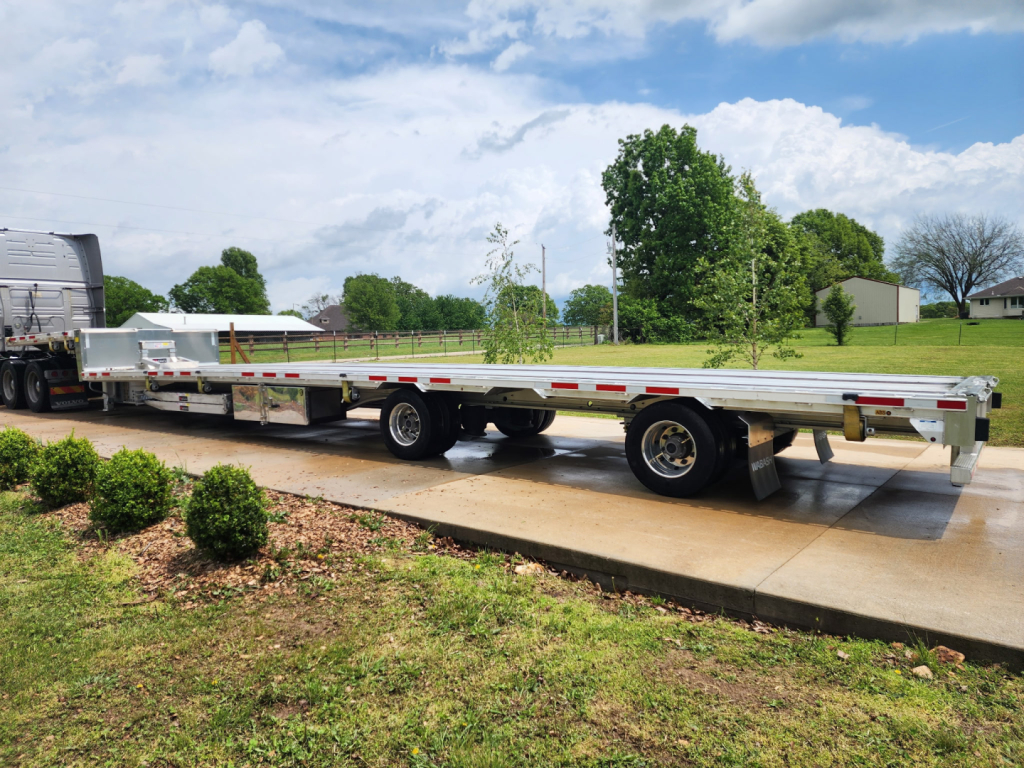
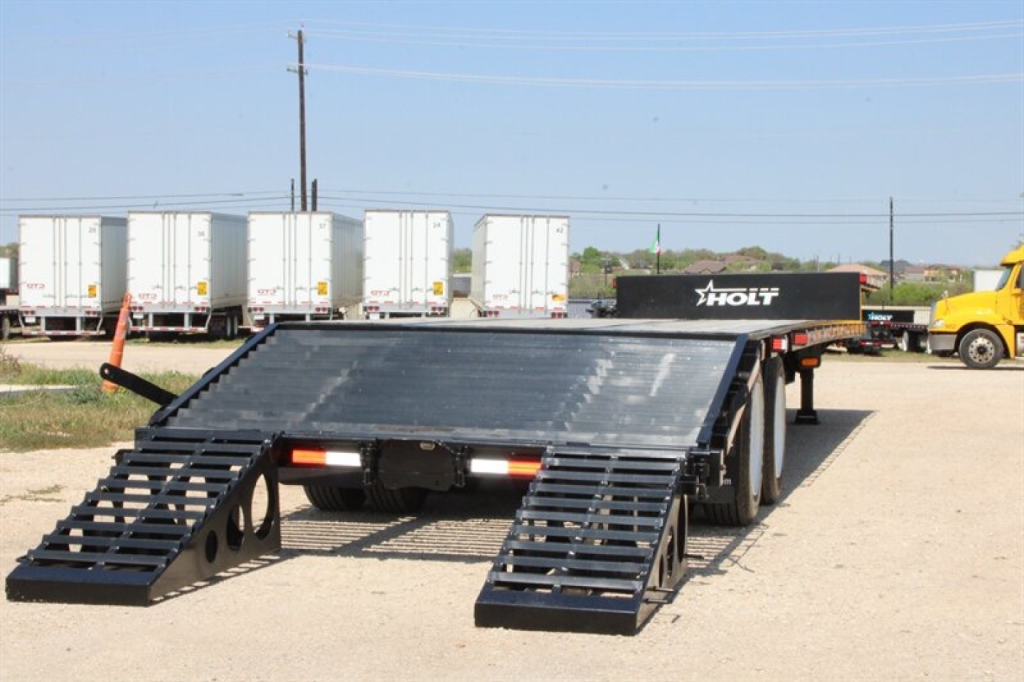
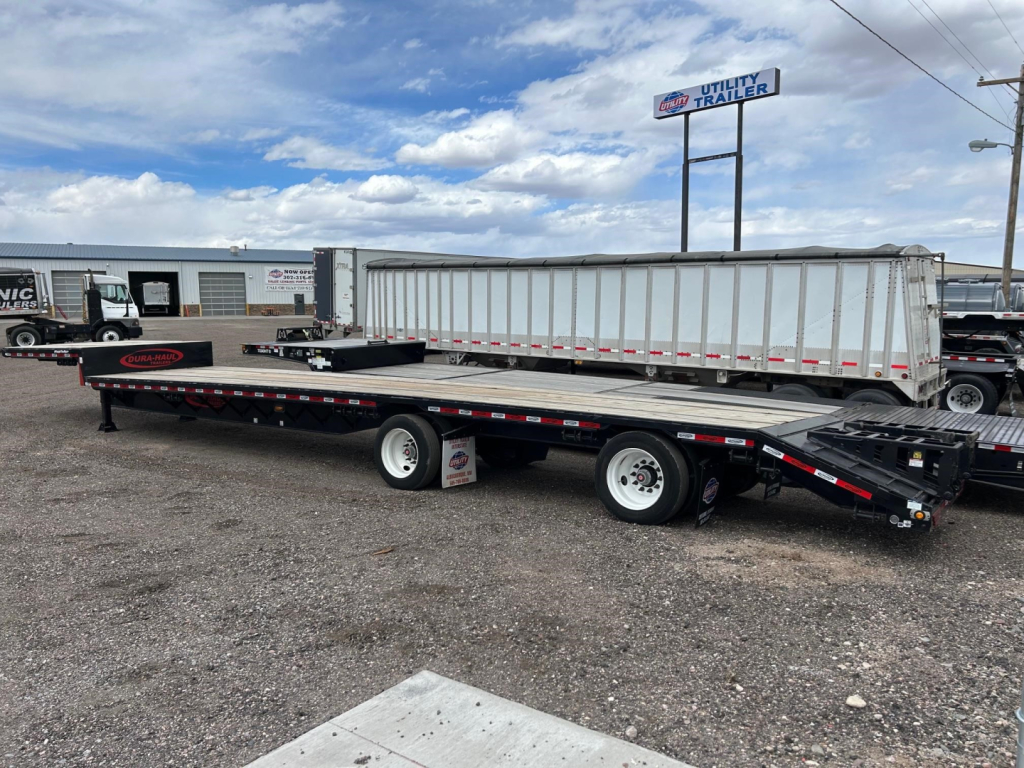
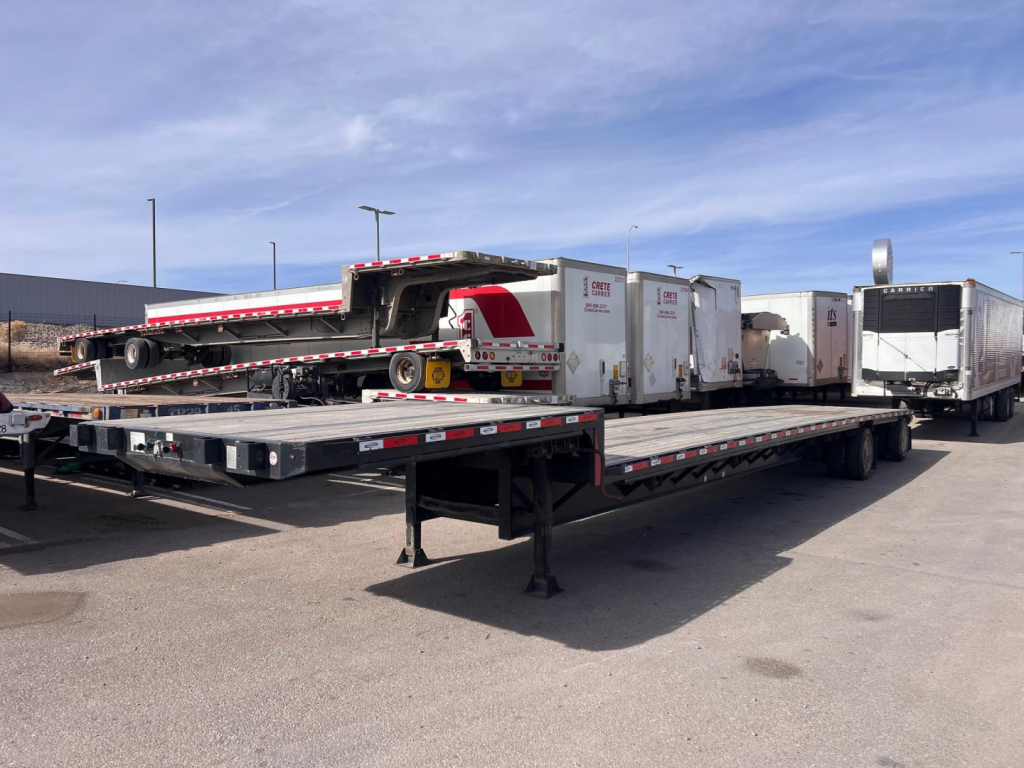
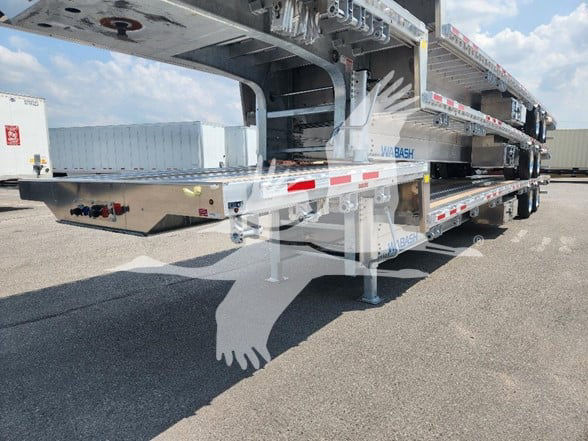
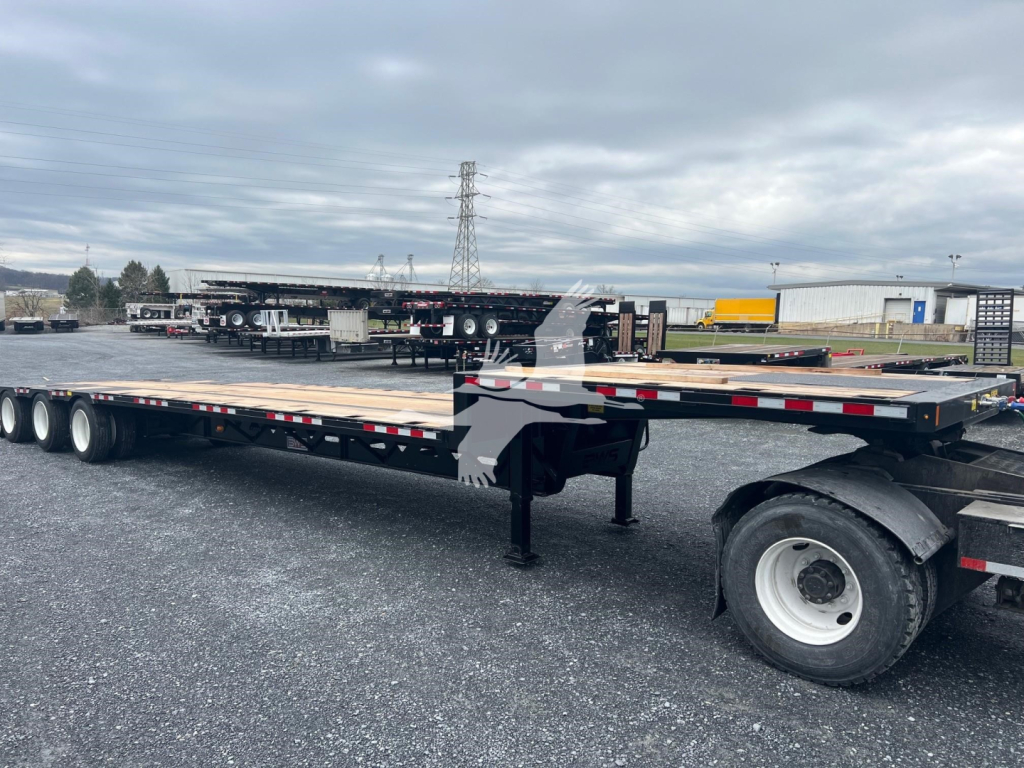
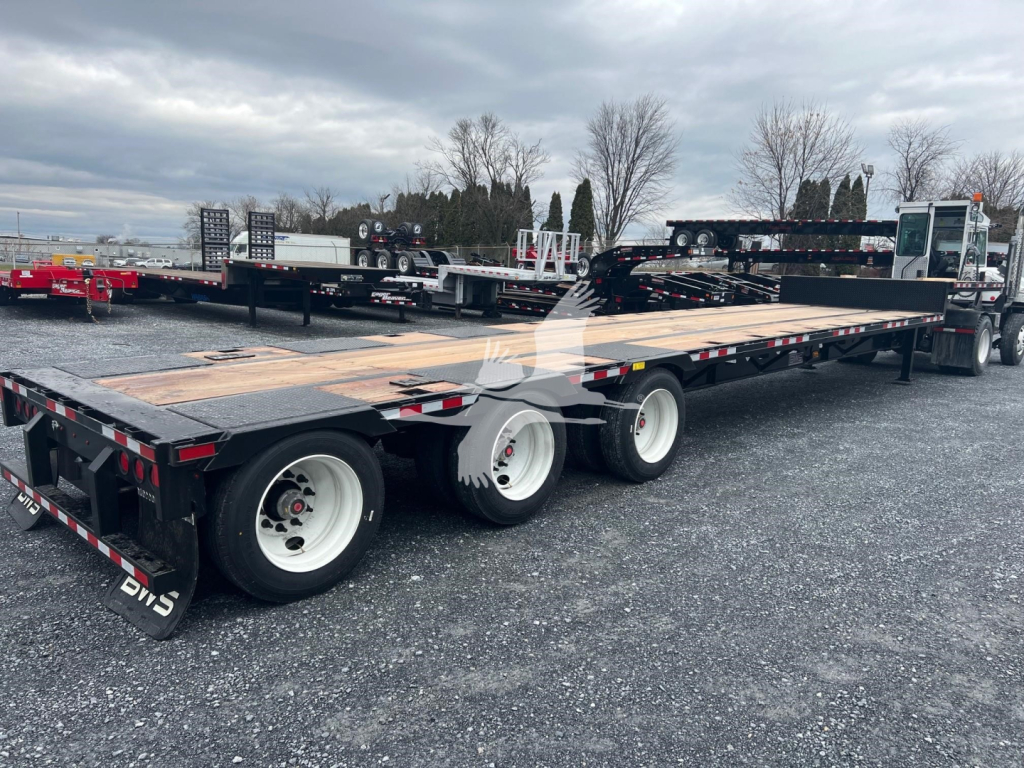
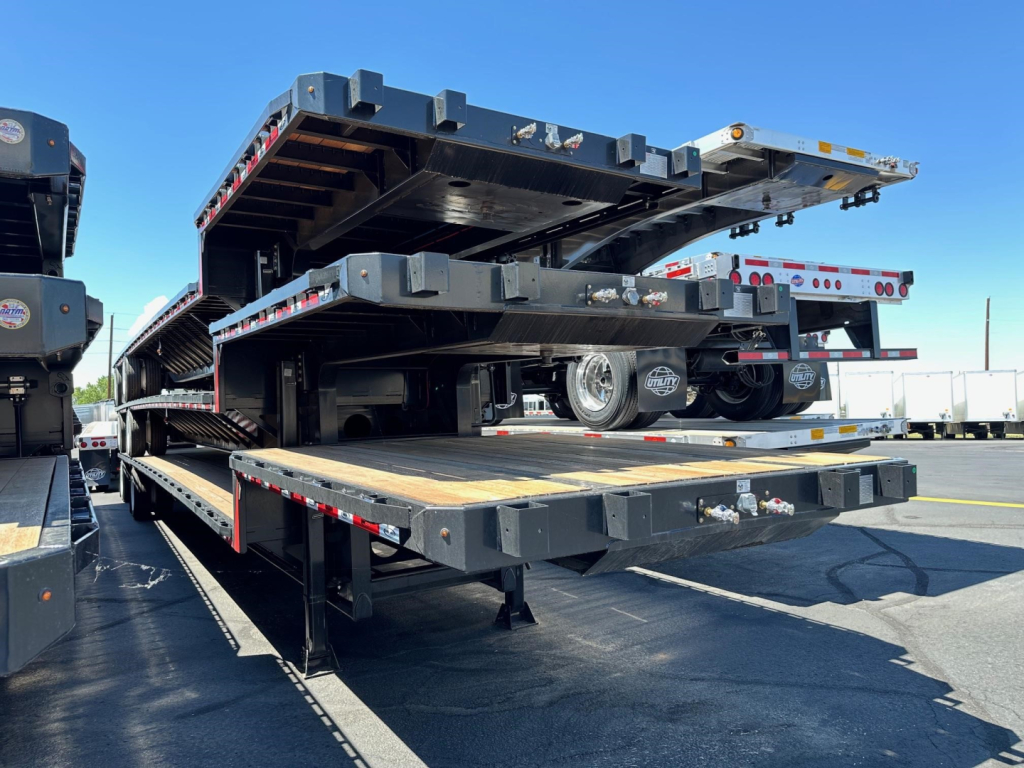
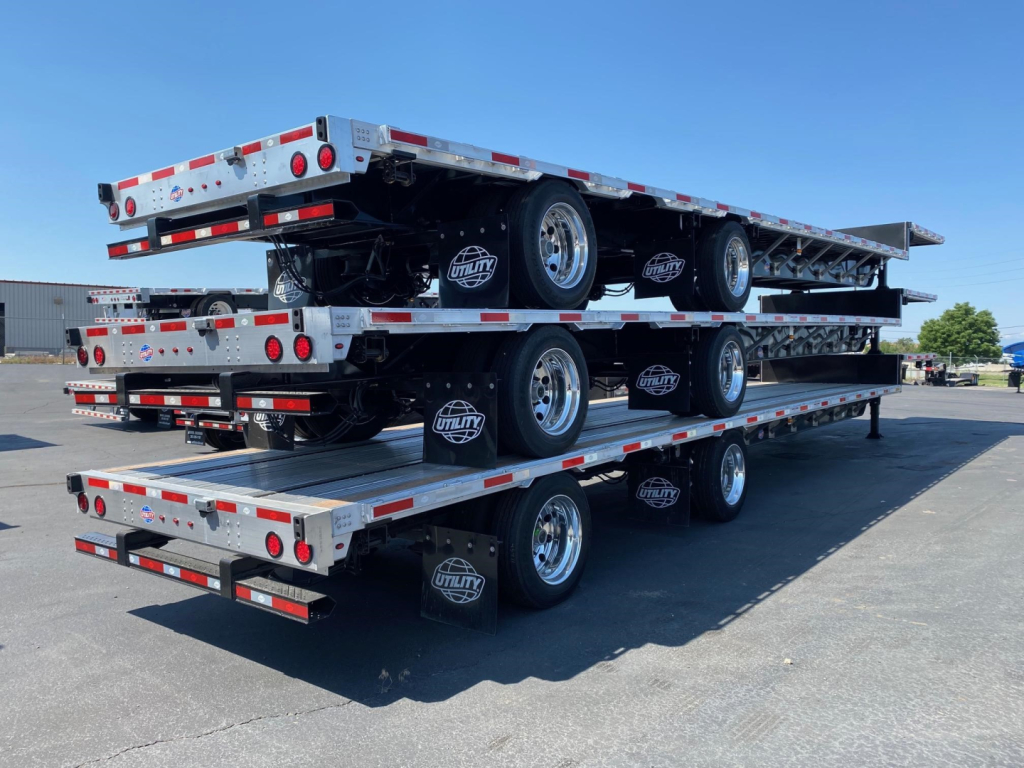
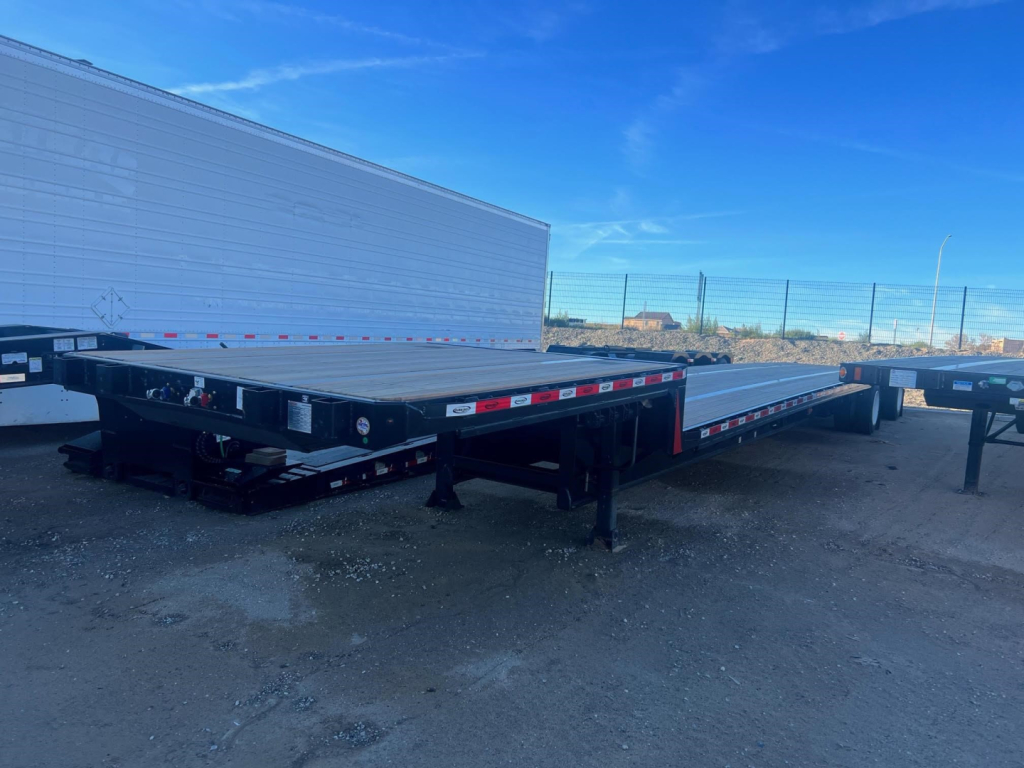
Selling a 2025 drop deck trailer? List your 2025 drop deck trailer for sale and reach thousands of commercial buyers.
2025 Drop Deck Trailers
The biggest buying decisions usually come down to weight, deck construction, and axle layout. Aluminum and combo trailers help maximize payload, while all-steel models trade weight for durability in rougher service. Apitong flooring remains common for traction and repairability, and many drop decks use aluminum floors with Apitong nailer strips for a balance of weight savings and cargo securement flexibility. Crossmember spacing matters if you haul concentrated loads like forklifts, steel, or machinery. Tighter spacing, mini coil packages, and reinforced deck sections can make a real difference in long-term durability. Buyers should also pay attention to side rail design, integrated or bolt-on winch tracks, pipe spools, and the number of sliding winches included.
Suspension and axle configuration should match the lanes and freight profile. Tandem axle drop decks are common for lighter overall tare weight and easier maneuverability, while spread axle and tri-axle setups improve load distribution and can help with bridge laws and state-specific restrictions. Air ride suspension is standard on many late-model trailers because it protects freight better and gives more flexibility at the dock or jobsite. Features like dump valves, lift axles, tire inflation systems, disc brakes, and anti-roll systems can lower operating costs and improve uptime, especially for fleets running heavy miles or mixed commodity work. Kingpin setting, axle spread, and California-legal sliding axle arrangements also matter if the trailer will cross multiple jurisdictions.
For cargo, this trailer class covers a broad range of freight including crated equipment, building materials, steel products, palletized machinery, agricultural equipment, and oversize loads that still fit step deck dimensions. Buyers comparing 2025 drop deck trailers should focus on deck length split, loaded deck height, tare weight, securement package, and how the trailer is spec'd for their most common load, not just their occasional one. A trailer that looks similar on paper can perform very differently depending on floor type, crossmember centers, suspension brand, and side rail strength. The best fit is usually the one that gives enough deck capacity and securement points to handle your regular freight without carrying unnecessary tare weight or complexity.
Frequently Asked Questions about 2025 Drop Deck Trailers
What is the difference between a drop deck trailer and a flatbed trailer?
A drop deck trailer has two deck levels, a short upper deck over the tractor and a lower main deck behind it. That lower deck gives more legal cargo height than a standard flatbed, which is why step decks are commonly used for taller freight. If your loads regularly exceed flatbed height limits but do not need a lowboy, a drop deck is usually the practical middle ground.
What lengths are most common for 2025 drop deck trailers?
The most common lengths are 48 feet and 53 feet, typically at 102 inches wide. Many 48-foot models have an upper deck around 10 feet to 10 feet 6 inches and a lower deck around 37 feet 6 inches to 38 feet. Many 53-foot models use an upper deck around 10 to 11 feet and a lower deck around 42 to 43 feet. The right choice depends on the length of your usual freight, axle laws in your operating area, and how important tare weight is to your business.
Are aluminum drop deck trailers better than steel models?
Neither is universally better. Aluminum drop decks generally offer lower tare weight, which helps maximize payload and fuel efficiency. Steel trailers are usually heavier but can be a strong choice for severe service, concentrated loads, and tougher jobsite conditions. Combo construction, with both aluminum and steel components, is a common compromise for buyers who want weight savings without giving up strength in high-stress areas.
What features matter most for cargo securement on a drop deck trailer?
Winch tracks, sliding winches, side rail strength, pipe spools, nailer strips, and crossmember spacing are all important. Buyers hauling machinery, steel, or mixed open-deck freight should look closely at how many securement points are built into the trailer and how they are positioned along the main deck. A strong securement package improves versatility and reduces the need for workarounds when load dimensions or tie-down angles change from one haul to the next.
When should a buyer choose a tandem, spread axle, or tri-axle drop deck?
A tandem axle trailer is often the lightest and simplest option, which helps payload and maneuverability. Spread axle setups improve load distribution and can be beneficial for certain freight weights and bridge considerations, though tire scrub in tight turns can be higher. Tri-axle drop decks are usually chosen when heavier load support, specialty applications, or permit-related requirements are part of the job. The best axle setup depends on freight density, route regulations, and how often the trailer will run in tight yards versus long highway lanes.