
2025 Behnke Trailers For Sale
Shop 2025 Behnke trailers including flatbed, equipment, and tilt models with heavy GVWRs, ramp options, durable steel construction, and work-ready specs.
Selling a 2025 behnke trailer? List your 2025 behnke trailer for sale and reach thousands of commercial buyers.
2025 Behnke Trailers
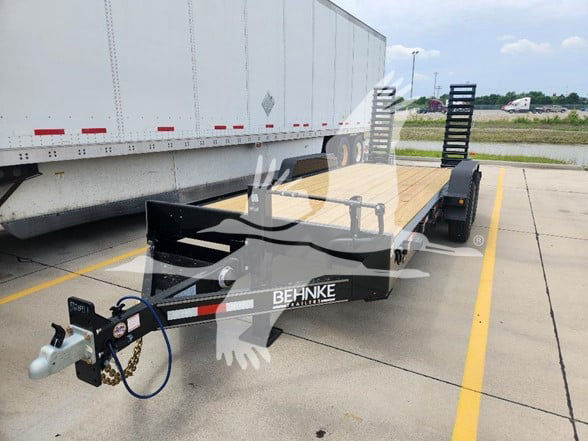
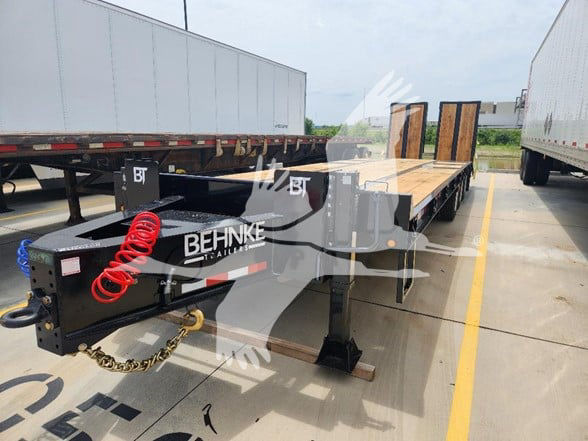
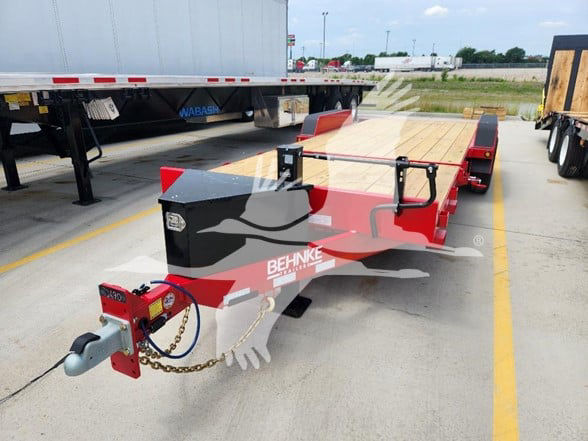
A lot of the buying decision comes down to loading style. Beavertail flatbeds with flip-up ramps are a practical fit for wheeled and tracked equipment that needs a predictable loading angle and full deck utility. Tilt deck models reduce ramp handling and speed up loading cycles, especially for operators moving compact equipment multiple times a day. On heavier versions, buyers may also find hydraulic or bi-fold ramp systems, adjustable pintle hitches, and semi-style landing gear, all of which point to applications where the trailer is expected to work hard and load fast. Deck width, beavertail length, and between-fender clearance are important details if your machines run wide attachments, low ground clearance, or uneven weight distribution.
Running gear and chassis specs are where Behnke trailers tend to separate into light-heavy and true heavy-duty applications. Common setups include tandem or tri-axle configurations, Dexter axles, spring ride or torsion suspension depending on the model, electric brakes, oil bath hubs, and commercial-grade tire packages in 17.5 or 22.5 sizes. Buyers should match axle type and suspension to the job. Torsion axles can ride smoother for certain equipment and reduce deck vibration, while spring ride and higher-capacity straight axles are often preferred for repeated heavy hauling, rougher jobsite conditions, and easier serviceability across mixed fleets. A wood floor over a steel frame remains a common and practical spec because it offers traction, manageable replacement cost, and good support for equipment traffic.
The useful details on a Behnke trailer are the ones that affect daily loading and cargo control. Look closely at D-ring placement, stake pockets, pallet fork holders, jack capacity, breakaway system condition, and ramp width versus your tire track. On pintle models, hitch adjustability matters if the trailer may move between trucks with different ride heights. On tilt models, inspect cylinder design, latch function, deck balance, and how smoothly the trailer returns under load. Buyers comparing 2025 Behnke trailers should focus less on the paint and more on GVWR, usable deck length, axle ratings, brake setup, and the exact loading system that fits their equipment mix.
Frequently Asked Questions about 2025 Behnke Trailers
What are 2025 Behnke trailers commonly used for?
2025 Behnke trailers are commonly used for hauling construction equipment, compact machinery, tractors, forklifts, pallets of material, and other dense commercial loads. Many models are built as equipment trailers or heavy-duty flatbeds, which makes them a strong fit for contractors, rental fleets, farms, and municipal operations. The main appeal is practical load handling, with features like beavertails, tilt decks, ramps, stake pockets, and heavy tie-down points that support frequent loading and unloading.
What is the difference between a Behnke tilt trailer and a Behnke flatbed equipment trailer?
A Behnke tilt trailer uses a tilting deck to load equipment without separate ramps, which can save time and reduce the hassle of ramp deployment. A Behnke flatbed equipment trailer typically uses a beavertail and flip-up or hydraulic ramps, giving you a fixed deck surface and a loading angle controlled by the ramp system. Tilt trailers are often preferred for repeated moves of compact equipment, while flatbed equipment trailers are a better fit when you want full deck flexibility and simpler mechanical layout.
How do I choose the right GVWR on a Behnke trailer?
Choose GVWR based on the actual operating weight of the equipment, attachments, fuel, chains, and any additional cargo, not just the published machine weight. Buyers should also account for tongue weight, axle ratings, and legal payload limits for the tow vehicle and hitch setup. A trailer rated at 20,000 lb. GVW may suit many skid steers and compact machines, while larger equipment or denser loads can push the need into much heavier tri-axle models.
What specs matter most when comparing Behnke trailers?
The most important specs are GVWR, deck length, deck width, axle configuration, suspension type, brake setup, hitch type, and loading method. After that, buyers should check practical items like D-ring spacing, stake pockets, ramp width, beavertail length, jack capacity, tire size, and floor material. These details directly affect how easily the trailer loads, how well it secures cargo, and how it holds up in daily commercial use.
Are Behnke trailers built for heavy commercial hauling?
Many Behnke trailers are built with heavy-duty steel construction, commercial axle packages, and equipment-focused loading features that make them suitable for demanding hauling work. In higher-capacity configurations, they can be set up for serious payloads with pintle hitches, spring ride suspensions, hydraulic ramp systems, and larger commercial tires. The right fit depends on matching the trailer’s frame, axle ratings, and deck design to the weight and type of equipment you move most often.