
Behnke Trailers For Sale
Browse Behnke trailers built for equipment hauling, with heavy-duty flatbed, tilt, and beavertail designs up to 50,000 lb GVW.
Selling a behnke trailer? List your behnke trailer for sale and reach thousands of commercial buyers.
Behnke Trailers
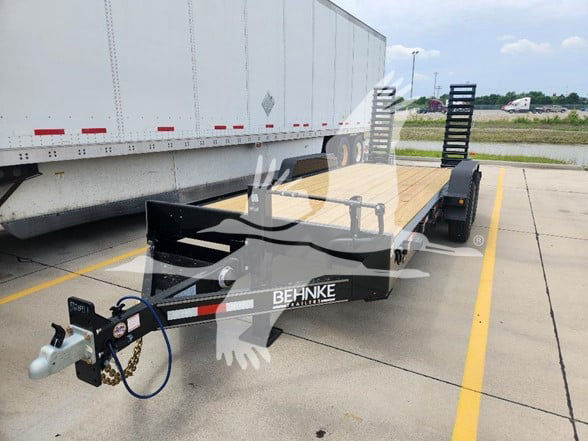
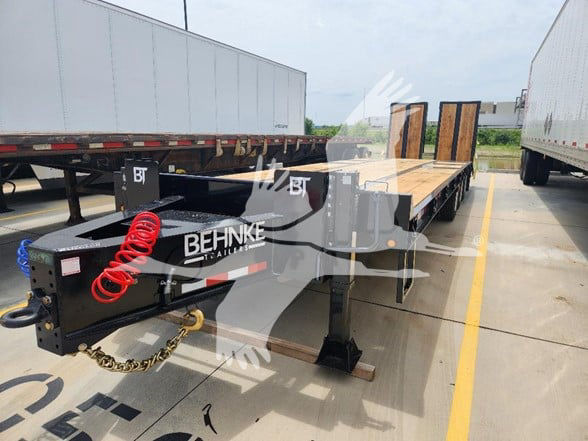
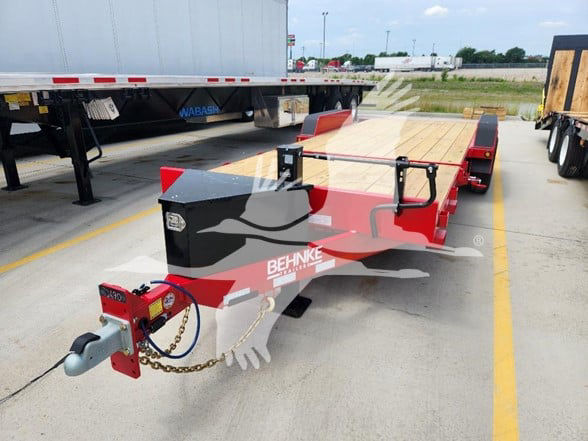
The first buying decision is usually the loading style. A tilt deck Behnke trailer can speed up loading for skid steers, scissor lifts, small tractors, and other wheeled equipment because it eliminates separate ramps and reduces setup time. Many buyers like the added control of gravity or cushioned hydraulic tilt systems, especially when loading lighter equipment repeatedly through the day. A beavertail and ramp setup is often the better fit for taller ground-clearance machines, rubber-track loaders, mini excavators, and mixed fleets that need a predictable breakover angle. On heavier units, flip-up ramps, self-cleaning angle iron ramps, and hydraulic ramp options matter because they directly affect loading time, operator effort, and how safely the trailer handles mud, debris, and uneven jobsites.
Axle and suspension specs deserve close attention on any Behnke trailer. Tandem 8,000-pound or 10,000-pound Dexter axle combinations are common in the 20K class, while larger models may step into tri-axle spring ride designs for higher payloads. Buyers should verify oil bath versus E-Z Lube hubs, brake type on each axle, tire size and load range, jack capacity, and coupler style. Pintle hitch setups are common on severe-duty trailers and make sense for heavier commercial towing, while bumper pull and gooseneck arrangements may appear depending on the build. Width between fenders, overall deck length, beavertail length, and tiedown spacing are not small details. They determine whether a machine loads cleanly, where the weight sits over the axles, and how easy it is to secure buckets, attachments, and palletized material.
Behnke trailers tend to appeal to buyers who want straightforward equipment trailers without giving up the details that matter in daily use. Features like formed fenders with guards, easy-visibility tilt latch components, dual-speed landing gear, breakaway kits with charge indicators, and multiple tiedown points all improve usability in the field. If you are comparing listings, focus less on model name alone and more on the actual working specs: GVWR, payload after trailer tare weight, ramp or tilt design, deck dimensions, axle ratings, and hitch type. Those are the factors that decide how well a trailer fits a skid steer, compact track loader, telehandler, tractor, or asphalt and paving support equipment.
Frequently Asked Questions about Behnke Trailers
What types of Behnke trailers are most common on the used and new market?
The most common Behnke trailers are equipment-focused flatbed trailers, tilt deck trailers, and beavertail trailers with loading ramps. Most are built for hauling skid steers, compact excavators, tractors, lifts, and similar machinery rather than general light-duty utility work. Buyers will often see tandem-axle 20,000-pound GVWR models and heavier super-duty designs with tri-axle layouts and commercial-grade pintle hitch setups.
Is a Behnke tilt trailer better than a ramp trailer for equipment hauling?
A Behnke tilt trailer is often the better choice when fast, frequent loading is the priority and the equipment has suitable ground clearance and wheelbase for tilt loading. A ramp-style beavertail trailer is usually better for mixed fleets, tracked machines, and equipment with attachments that change the loading angle. The right choice depends on the machine, the attachment setup, and how often the trailer is loaded on uneven ground.
What should I check first when comparing Behnke trailer listings?
Start with GVWR, axle ratings, deck length, usable width, hitch type, and the loading system. After that, confirm brake setup on each axle, suspension type, hub style, tire size and load range, jack capacity, and tiedown layout. These specs determine payload, towing compatibility, and how easily the trailer handles the equipment you plan to move.
Are Behnke trailers suitable for heavier commercial equipment?
Yes, many Behnke trailers are designed specifically for commercial equipment hauling. Lighter tandem-axle models fit compact construction and landscape equipment, while larger super-duty units with tri-axle spring ride suspensions, heavy ramps, and pintle hitches can handle substantially heavier machines. The key is matching the trailer's actual ratings and deck design to the operating weight and dimensions of the equipment.