
Behnke Trailers For Sale in Illinois
Browse Behnke trailers for sale in Illinois, including heavy-duty equipment, tilt, and flatbed models built for dependable commercial hauling.
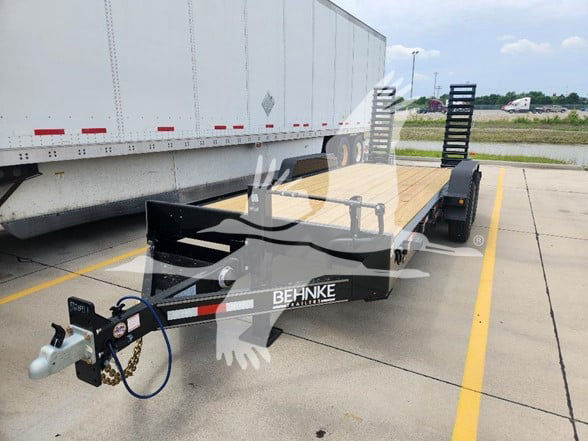
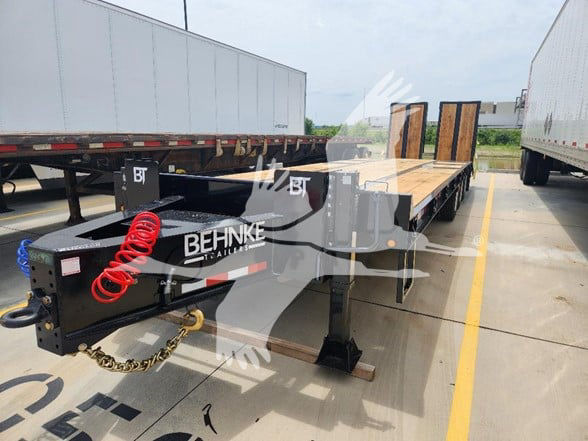
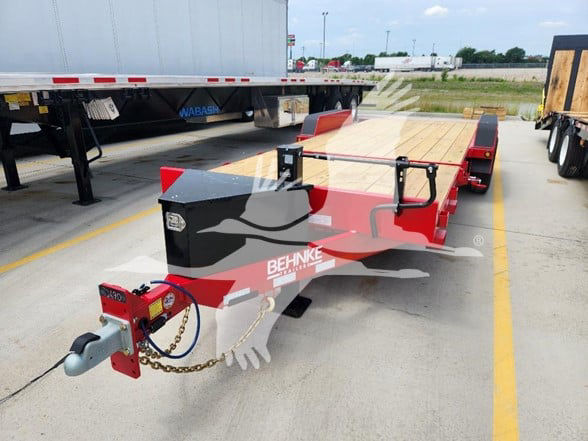
Selling a behnke trailer? List your behnke trailer for sale and reach thousands of commercial buyers.
Behnke Trailers in Illinois
One of the biggest decision points is deck layout. A beavertail trailer with flip-up ramps is straightforward, proven, and easy to service. It works well when you need a full deck with ramp loading and secure tie-down points such as stake pockets and D-rings. A tilt trailer reduces ramp handling and can speed up loading for low-clearance equipment, but buyers should pay close attention to stationary deck length, tilt section length, cylinder design, and how the trailer balances under the machines they plan to haul most often. Deck width between fenders, overall bed length, and beavertail length also affect how easily different machines can be positioned for proper tongue weight and axle loading.
Common Behnke trailer specs include tandem or tri-axle layouts, Dexter axles, oil bath or E-Z Lube hubs, electric brakes, spring ride or torsion suspension, wood floors, heavy formed fenders, and dropleg jacks from known suppliers such as Jost. On heavier models, buyers should look closely at hitch style, including adjustable pintle setups, landing gear capacity, tire size, and frame construction. For equipment haulers, practical details carry real value over time: pallet fork holders, toolbox space, self-cleaning ramps, spring-assist ramp systems, breakaway kits, and clearly placed tie-down points all affect daily use, loading speed, and operator safety.
A good Behnke trailer choice comes down to matching the trailer to the heaviest machine, attachment, and loading method you expect to use regularly, not occasionally. Check the actual payload after trailer empty weight is considered, confirm deck dimensions against your machine footprint, and verify that your tow vehicle, hitch, brake controller, and registration requirements align with the trailer's GVWR. For Illinois buyers dealing with mixed pavement, gravel yards, and seasonal weather, a durable finish, easy-to-maintain running gear, and readily serviceable brake and hub components are practical advantages that can reduce downtime over the life of the trailer.
Frequently Asked Questions about Behnke Trailers in Illinois
What are Behnke trailers typically used for?
Behnke trailers are commonly used for hauling construction equipment, agricultural machinery, compact loaders, tractors, lifts, and other heavy cargo that requires a strong deck and dependable running gear. Many models are built around equipment-hauling needs, with features such as beavertails, tilt decks, heavy-duty ramps, stake pockets, D-rings, and higher GVWR ratings than light-duty utility trailers.
What is the difference between a Behnke tilt trailer and a beavertail flatbed trailer?
A tilt trailer uses a deck section that angles down for loading, which reduces or eliminates the need to handle separate ramps. That can save time and help with low-clearance equipment. A beavertail flatbed trailer uses a fixed rear taper with ramps, which is a simpler design and often gives you more consistent full-deck cargo space. The better choice depends on the machines you load most often, their ground clearance, and whether fast loading or maximum deck flexibility is more important.
How do I choose the right GVWR on a Behnke trailer?
Start with the operating weight of the equipment, then add attachments, fuel, buckets, forks, or other accessories that will travel with it. After that, compare the total load to the trailer's payload capacity, not just its GVWR. Payload is reduced by the empty weight of the trailer itself. Buyers should also make sure the tow vehicle, hitch rating, brake system, and licensing requirements match the trailer's rated capacity.
What specs matter most on a heavy-duty equipment trailer?
The most important specs are GVWR, axle count and rating, suspension type, brake setup, deck length, deck width between fenders, ramp or tilt design, and hitch style. Equipment buyers should also pay attention to tire size and load range, jack capacity, tie-down placement, and frame construction. These details affect not only legal capacity, but also loading angles, stability, service life, and ease of use on real jobsites.
Are Behnke trailers a good fit for commercial fleets and contractors?
Behnke trailers are generally a strong fit for contractors, rental operations, municipalities, and commercial fleets that need purpose-built equipment trailers instead of light general-use trailers. Their designs often emphasize load security, durable construction, practical loading features, and serviceable components. For buyers who move machinery regularly, those traits matter more than cosmetic extras because they directly affect uptime, loading efficiency, and long-term ownership cost.