
Behnke Flatbed Trailers For Sale in Illinois
Behnke flatbed trailers in Illinois built for equipment, materials, and jobsite hauling with heavy-duty frames, ramps, tie-downs, and high GVWRs.
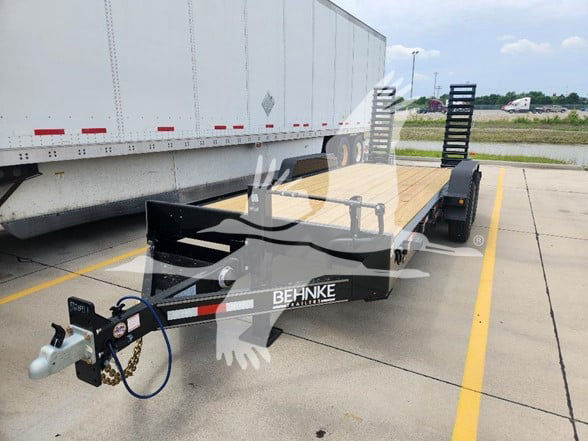
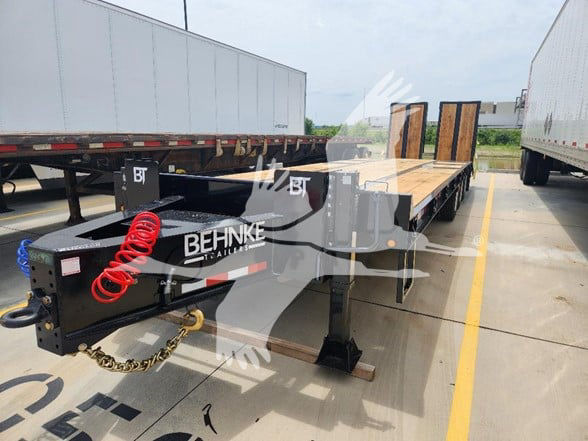
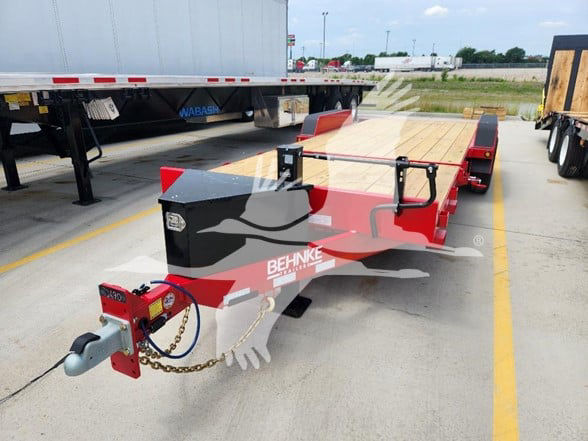
Selling a behnke flatbed trailer? List your behnke flatbed trailer for sale and reach thousands of commercial buyers.
Behnke Flatbed Trailers in Illinois
GVWR and loading method are the first specs to sort out. Sample Behnke flatbed listings in this category range from around 20,000 lb. GVW equipment trailers up to 50,000 lb. super-duty configurations with triple axles, pintle hitch setups, and semi-style landing gear. A lighter tandem-axle trailer may fit skid steers, compact excavators, tractors, or palletized materials, while a heavier tri-axle trailer is better suited to larger iron, denser loads, and higher-duty commercial use. Buyers should look closely at axle ratings, spring ride versus torsion setups, oil bath or E-Z Lube hubs, brake type, tire size, and deck length including any beavertail section. Payload is only useful if the deck length, ramp angle, and weight distribution allow the machine to load safely and sit properly over the axles.
Behnke flatbeds are often configured with features that matter on real jobsites, not just on a spec sheet. Common details include adjustable pintle hitches, drop-leg jacks, pallet fork holders, toolbox storage, formed fenders with guards, breakaway kits, and Grade 70 safety chains. Equipment-focused models may use self-cleaning angle iron ramps, tube-style flip-up ramps, or bi-fold hydraulic ramps for easier loading of low-clearance machines. Tilt deck versions can reduce ramp handling altogether and speed up loading for forklifts, scissor lifts, or compact equipment. Tie-down layout is equally important. D-rings every few feet, stake pockets, and a usable deck width between fenders can make the difference between a trailer that works with multiple machines and one that is too limiting.
For Illinois buyers, it also makes sense to consider how the trailer will be licensed, what tow vehicle will handle the loaded weight, and whether a bumper pull, pintle, or heavier-duty hitch arrangement is the best fit. A flatbed trailer in this class may also be referred to as an equipment trailer, tag trailer, beavertail trailer, or tilt trailer depending on the deck design. The right Behnke flatbed should be evaluated on frame strength, loading angle, brake confidence, tie-down flexibility, and how easily replacement running gear and service parts can be sourced. A trailer used every week for construction equipment needs a different spec than one used mainly for building materials, hay, or occasional farm and municipal hauling.
Frequently Asked Questions about Behnke Flatbed Trailers in Illinois
What should I look at first when comparing Behnke flatbed trailers?
Start with GVWR, deck length, axle capacity, and loading style. Those four items determine whether the trailer actually fits your equipment and how safely it can be loaded. A 20,000 lb. tandem-axle trailer may be enough for compact equipment and materials, while a 50,000 lb. tri-axle model with a pintle hitch is aimed at much heavier commercial hauling. After that, compare beavertail length, ramp type, deck width, tie-down points, brake setup, and jack capacity.
Are Behnke flatbed trailers good for hauling equipment?
Yes. Behnke flatbed trailers are commonly spec'd as equipment haulers with heavy steel frames, stake pockets, D-rings, spring-assisted or hydraulic ramps, and axle packages suited to skid steers, tractors, compact excavators, lifts, and similar machinery. The key is selecting a trailer with the right deck length, payload margin, and loading angle for the machines you move most often. Buyers hauling low-clearance equipment should pay extra attention to beavertail design, tilt function, and ramp geometry.
What is the difference between a Behnke beavertail trailer and a tilt deck trailer?
A beavertail trailer uses a fixed rear deck drop with ramps to reduce loading angle. A tilt deck trailer tips part of the deck, or sometimes most of it, so the equipment can be driven directly onto the trailer without separate ramps. Beavertail models are simple, proven, and often better for mixed cargo use. Tilt decks can be faster and more convenient for repeated equipment loading, especially when operators want to avoid lifting and storing ramps.
Which hitch type is better on a heavy Behnke flatbed trailer, bumper pull or pintle?
That depends on trailer weight, tow vehicle, and how the trailer will be used. Pintle setups are common on heavier-duty trailers because they handle higher weight ratings, rougher jobsite conditions, and more articulation between truck and trailer. Bumper pull and similar light-duty arrangements can work well on smaller equipment trailers but may not be ideal once weights climb. Buyers should always match the hitch rating, coupler type, brake system, and tow vehicle capacity to the trailer's loaded operating weight.
What flatbed trailer features matter most for Illinois use?
In Illinois, buyers often prioritize corrosion resistance, reliable brakes, easy-to-service axles and hubs, strong tie-down hardware, and a frame that can tolerate pavement, gravel, and jobsite transitions. Seasonal moisture, road grime, and frequent commercial use make maintenance access important. Oil bath hubs, quality wiring protection, durable paint, sealed lighting, and practical storage for chains and binders can all improve long-term ownership. Tire choice and axle spacing also matter when the trailer will spend time on secondary roads, jobsite entrances, and uneven surfaces.