
2025 Fruehauf Trailers For Sale
Shop 2025 Fruehauf trailers for sale, including dry vans and flatbeds with common specs, axle setups, suspension options, and fleet-ready features.
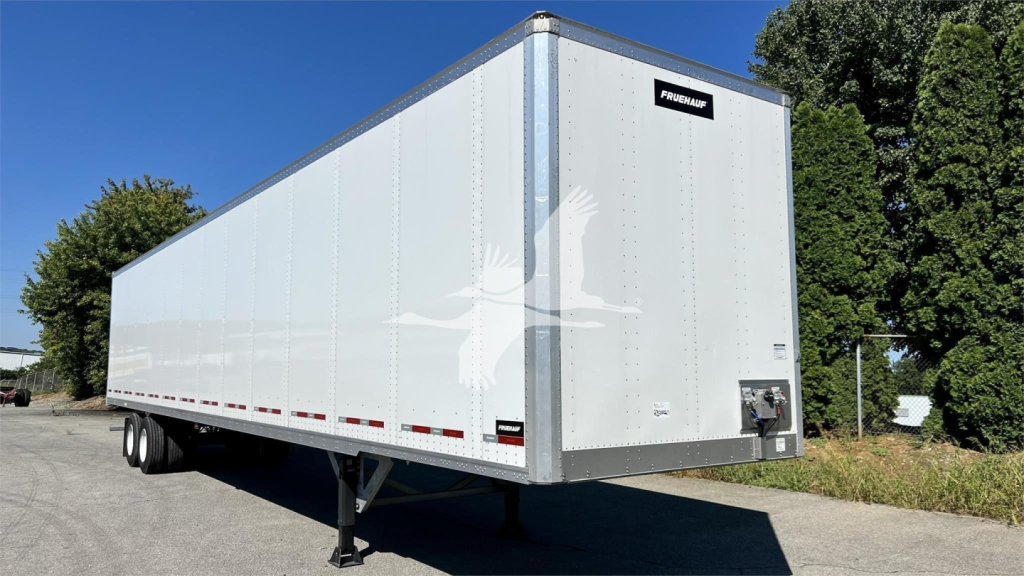
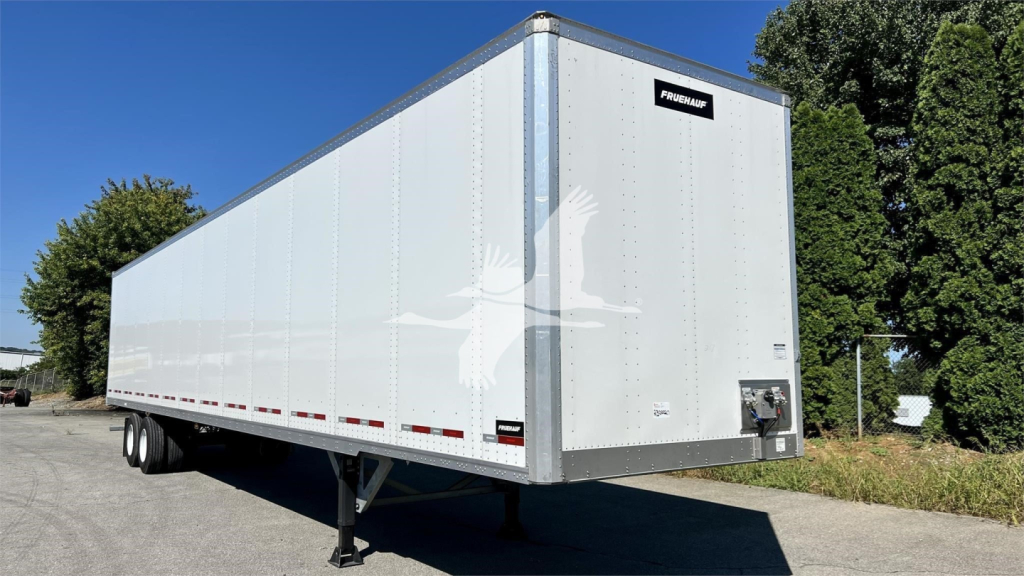
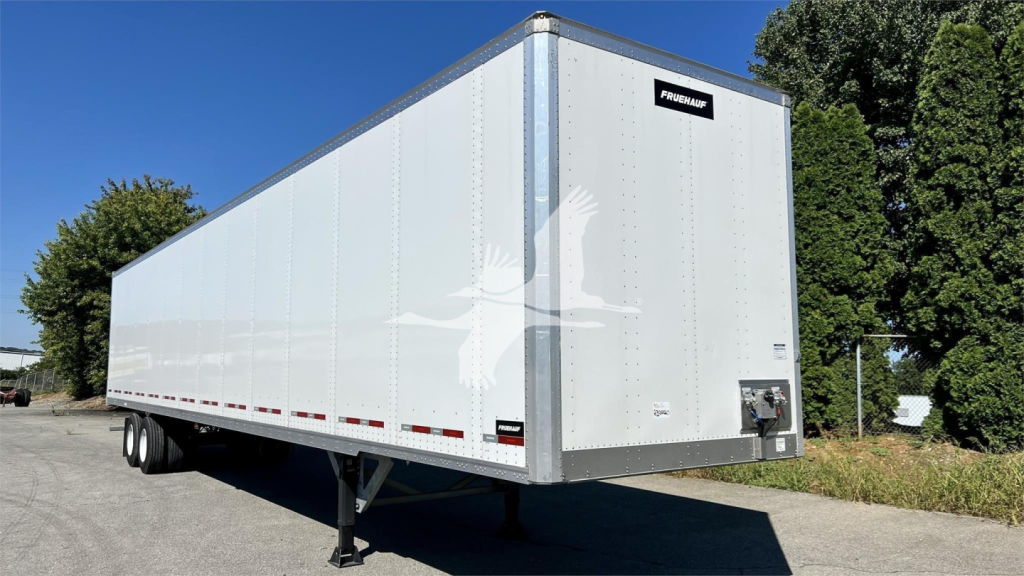
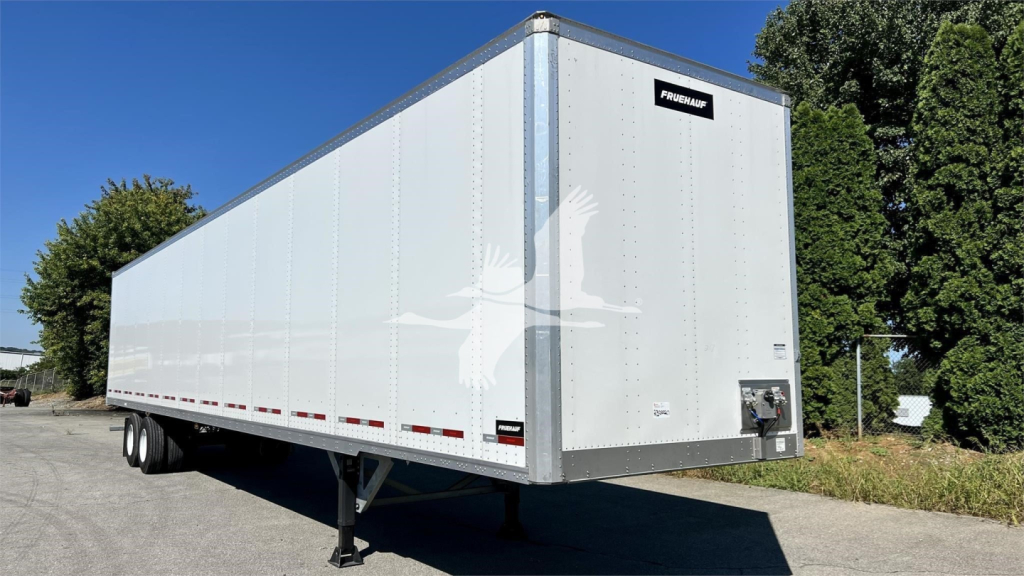
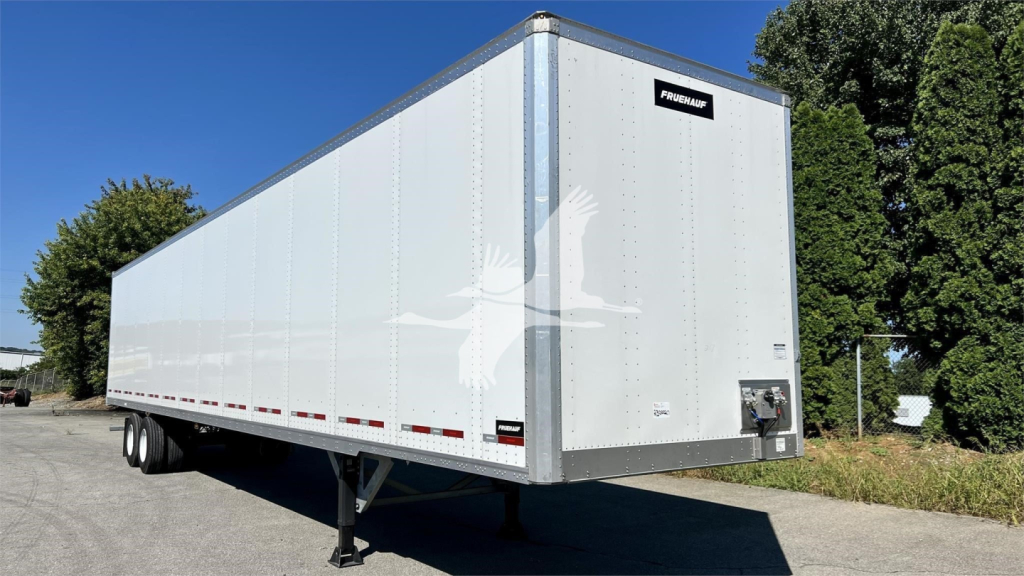
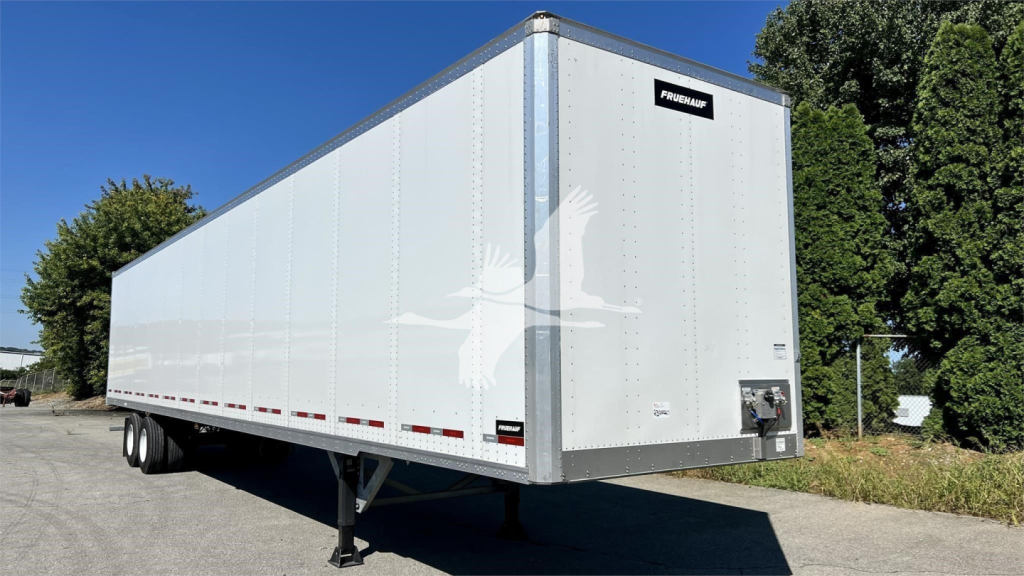
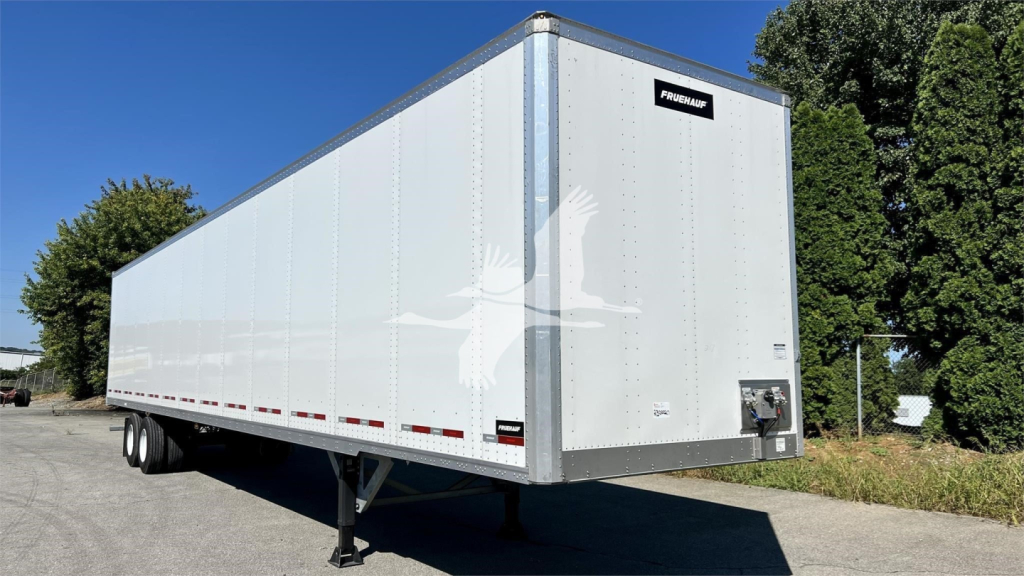
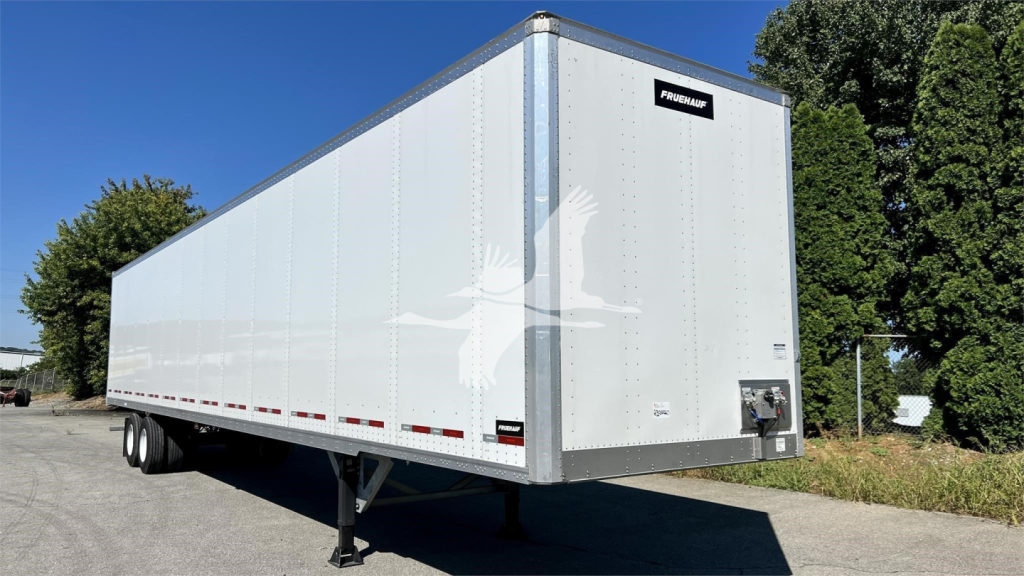
Looking for the easiest place to sell your 2025 fruehauf trailer? List it here to reach thousands of buyers.
2025 Fruehauf Trailers
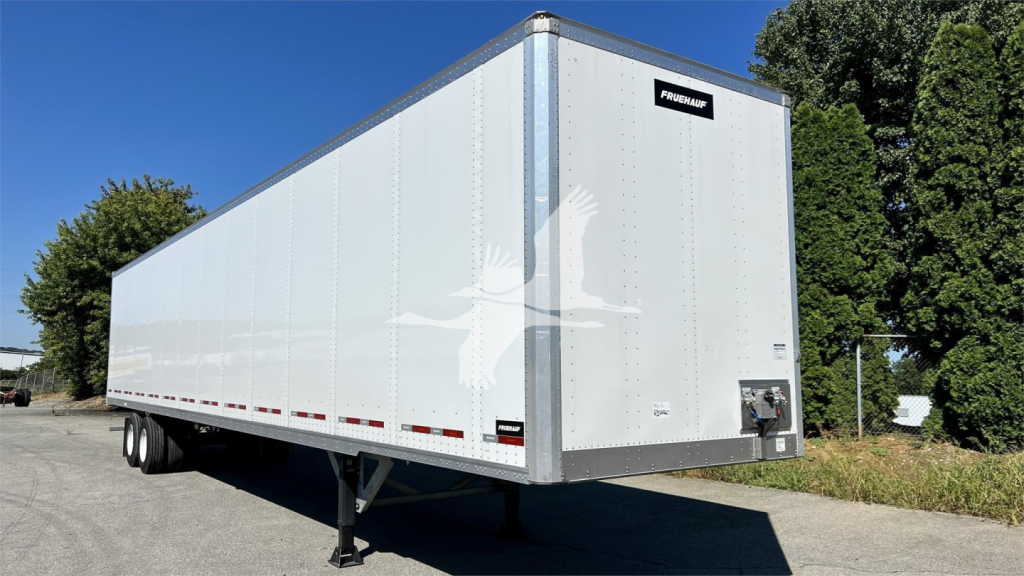
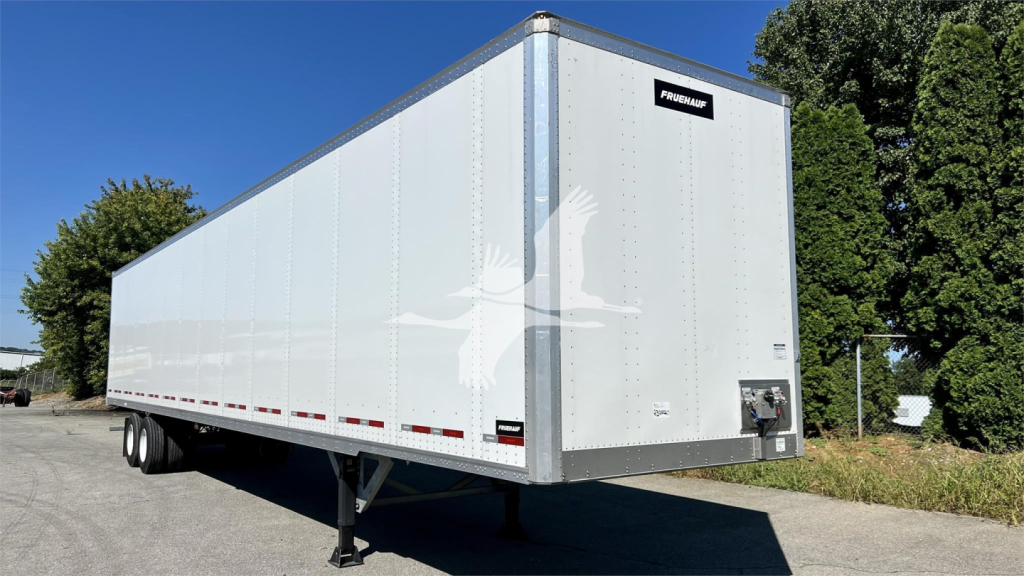
For dry van use, the most common setup is a 53-foot by 102-inch trailer with swing doors, a wood floor, tandem axles, and either air ride or spring suspension depending on the fleet’s priorities. Plate and composite sidewall construction, aluminum roofs, galvanized rear frames, logistics posts, scuff liners, and anti-snag roof bows are all common features on modern vans. Important details to compare include inside height, door opening dimensions, kingpin setting, crossmember spacing in high-load areas, and floor thickness. A van intended for palletized freight, retail distribution, or general truckload work should also be checked for rear impact protection, dock hardware condition, threshold plate wear, and lining or scuff protection at the nose and sidewalls.
On the flatbed side, 2025 Fruehauf trailers are generally aimed at steel, building materials, machinery, and other open-deck freight. Typical specs include steel main frame construction, Apitong flooring, tandem axles, sliding suspension, and winch track options. Buyers should pay close attention to deck length, axle placement, crossmember spacing, side rail design, and whether the trailer is equipped for the freight it will actually haul, such as pipe spools, sliding winches, or a coil package. Suspension choice matters here too. Spring ride can be a straightforward fit for rugged regional work, while air ride may be preferred for more damage-sensitive cargo.
The best way to evaluate a 2025 Fruehauf trailer is to match the trailer spec to the lane and commodity, not just the price point. A distribution fleet may prioritize interior cube, logistics-ready van features, and low downtime service parts. A flatbed operation may care more about frame integrity, securement hardware, and concentrated load capability. Across either type, key checks include tire size standardization, brake package, wheel type, landing gear brand, rear frame corrosion protection, and overall compatibility with the tractor fleet’s fifth wheel position and kingpin requirements. Fruehauf trailers are often chosen by buyers who want conventional, fleet-friendly specifications that are easy to integrate into everyday hauling.
Frequently Asked Questions about 2025 Fruehauf Trailers
What types of 2025 Fruehauf trailers are most common?
The most common 2025 Fruehauf trailers are dry vans and flatbeds. Dry vans are typically used for enclosed freight such as palletized consumer goods, retail distribution, and general truckload freight. Flatbeds are used for open-deck cargo such as steel, lumber, machinery, and construction materials. The exact trailer type should match the commodity, loading method, and route profile.
What should I check first on a 2025 Fruehauf dry van trailer?
Start with the basic operating dimensions and structural spec. Length, width, inside height, door opening, kingpin setting, tandem slide, suspension type, and floor construction are the main points. Then review sidewall construction, roof material, scuff liners, logistics post spacing, and crossmember spacing, especially if the trailer will see forklift traffic or dense pallet loads. These details affect cube, loading efficiency, and long-term durability.
Is air ride or spring ride better on a Fruehauf trailer?
Neither is universally better. Air ride is often preferred for smoother load protection, better ride quality, and damage-sensitive freight. Spring ride is simpler and can be a practical choice for rugged applications where maintenance simplicity matters. The right suspension depends on the freight mix, operating environment, and the service practices of the fleet.
What flatbed features matter most on a 2025 Fruehauf?
The most important flatbed features are frame design, deck construction, axle configuration, and cargo securement equipment. Buyers should confirm the floor species, crossmember spacing, side rail strength, winch track setup, number of sliding winches, and whether the trailer has specialty equipment such as pipe spools or a coil package. These features determine how flexible the trailer is across different loads and how well it handles concentrated weight.
Are 2025 Fruehauf trailers typically fleet-spec trailers?
Many late-model Fruehauf trailers are built with fleet-oriented specifications, which usually means standardized dimensions, common tire and wheel sizes, conventional tandem slider layouts, and serviceable components from widely used suppliers. That can be an advantage for buyers who want easier parts support, consistent shop procedures, and straightforward integration into an existing tractor-trailer operation.