
New Cab and Chassis Trucks For Sale
Shop new cab and chassis trucks with optimized frames, light tare weights, corrosion protection, and PTO-ready drivetrains for efficient upfits today.
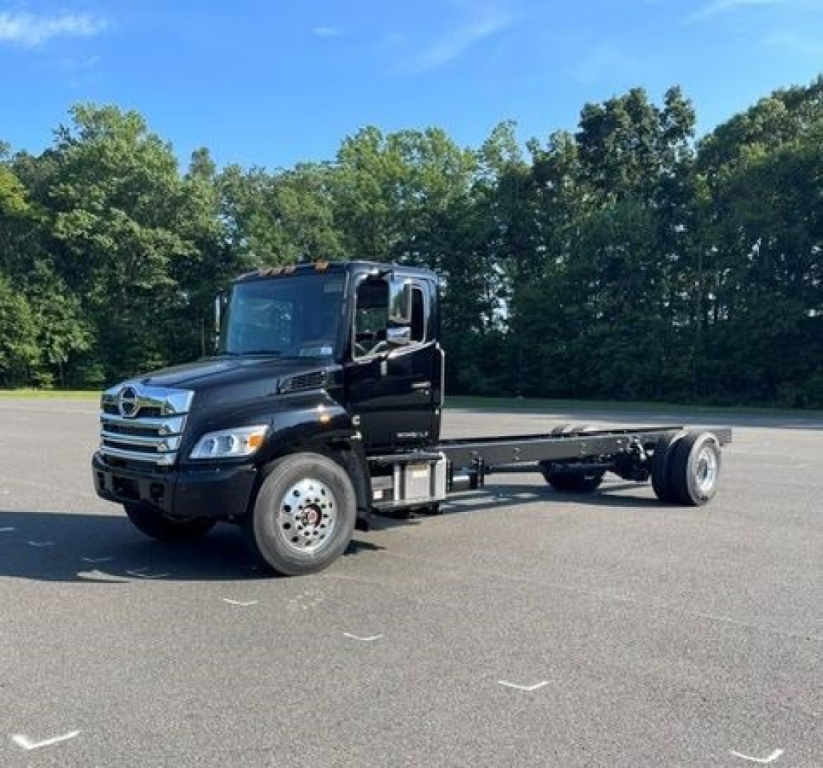
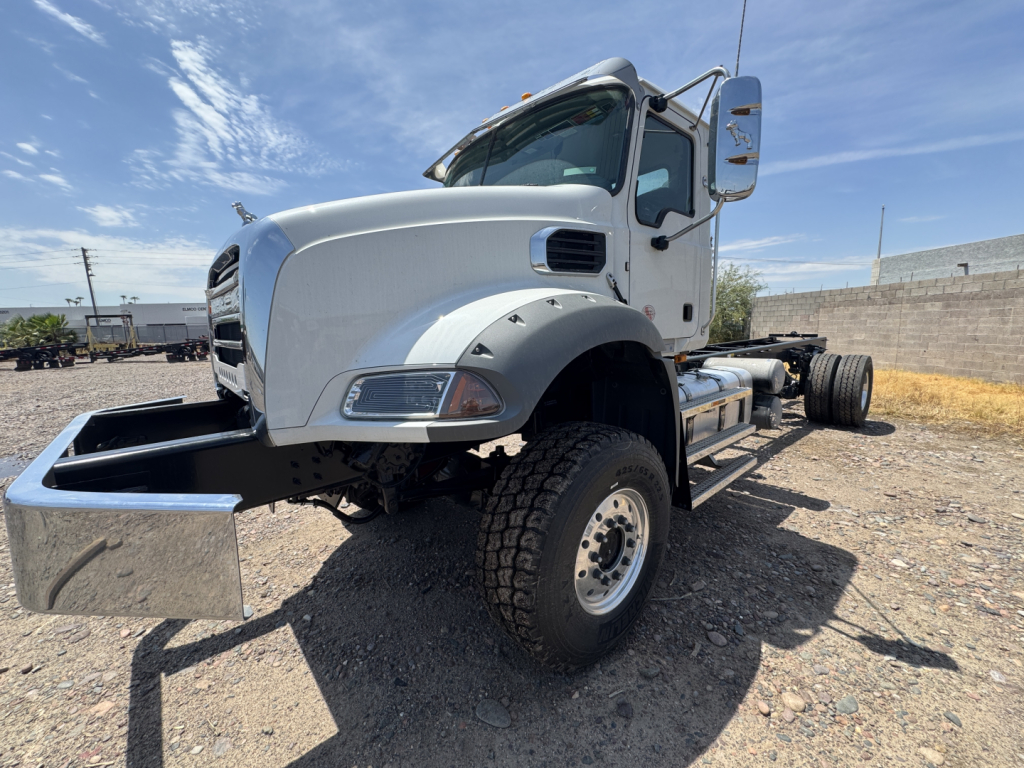
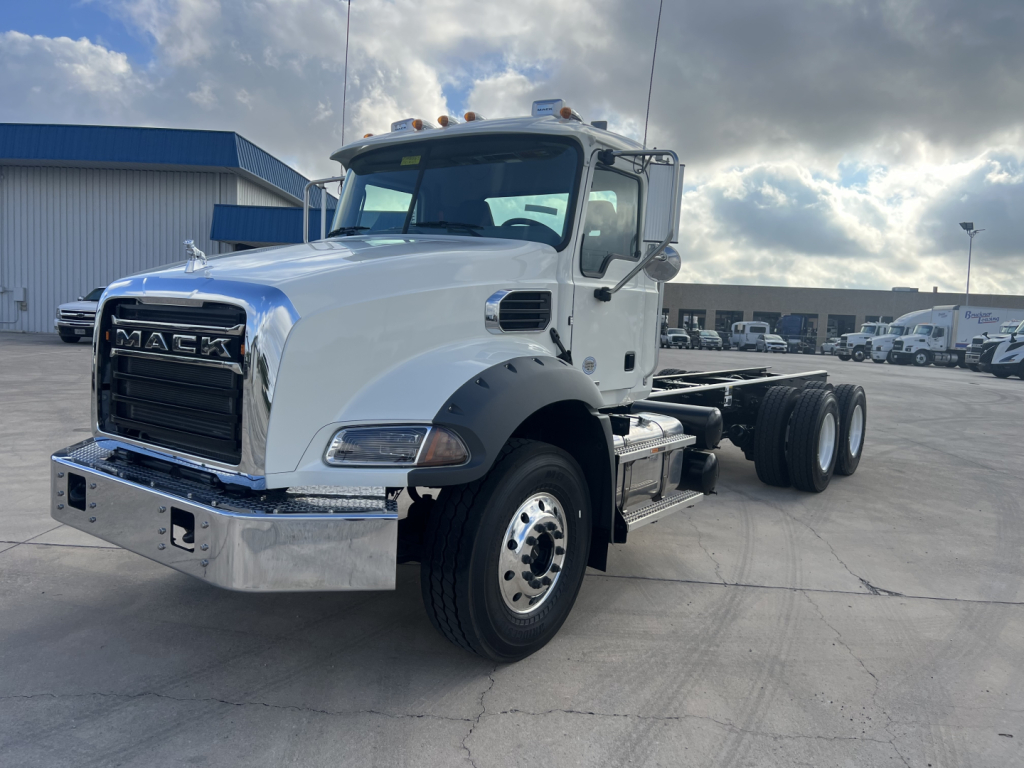
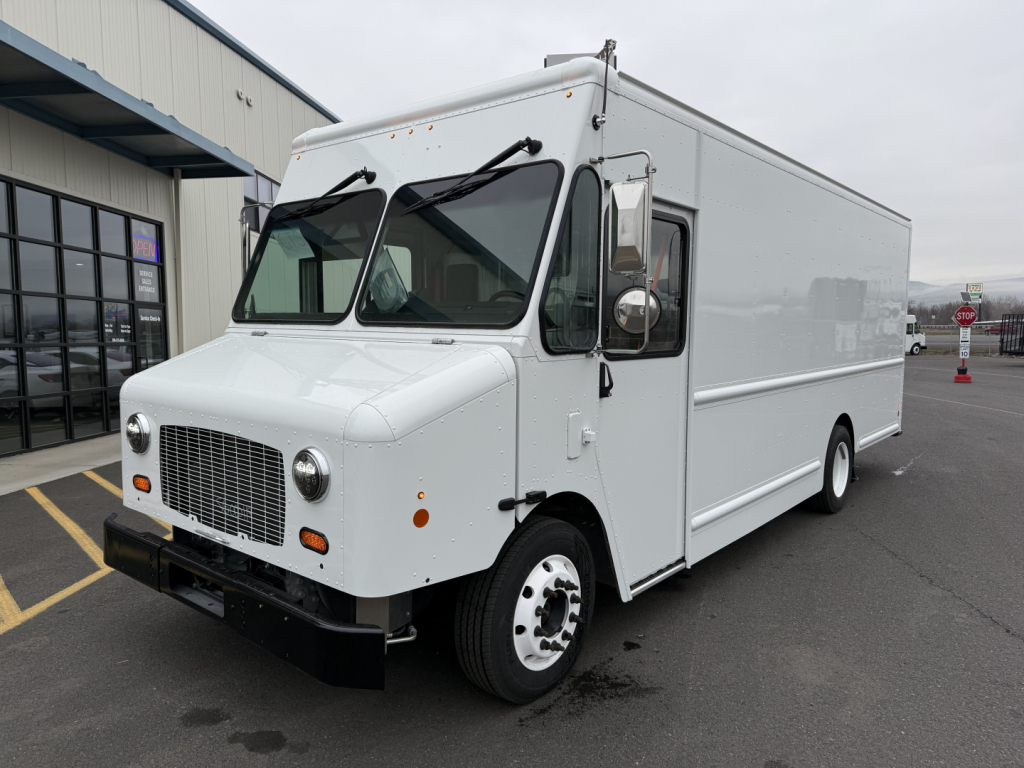
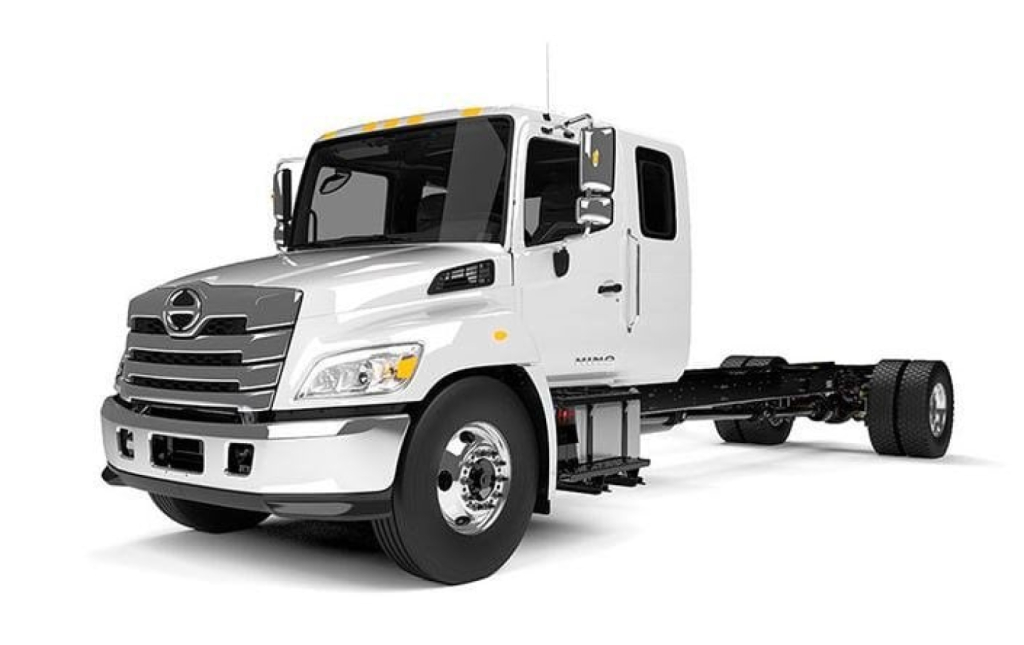
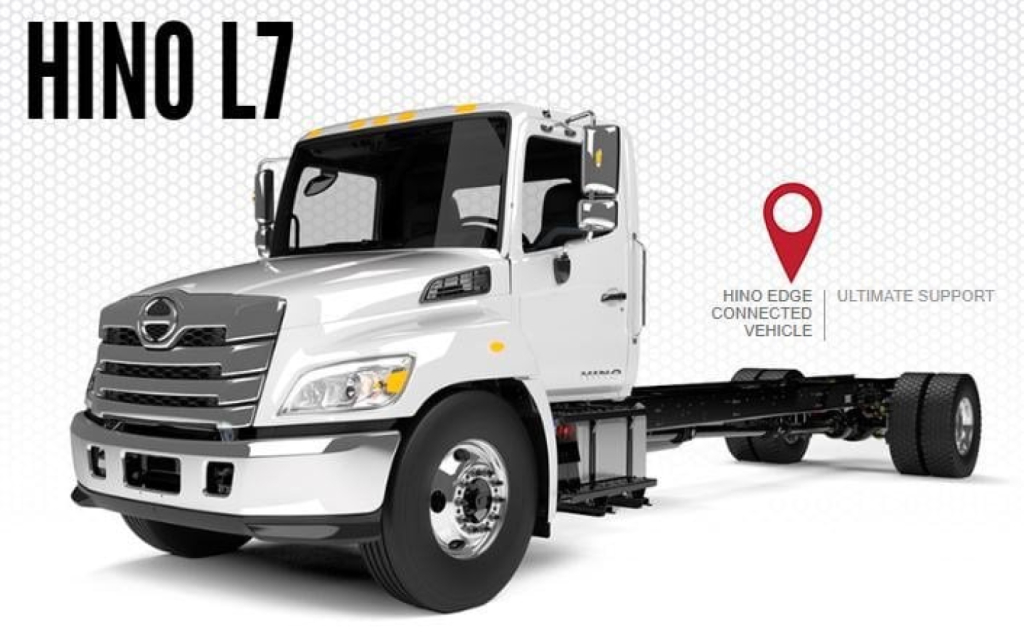
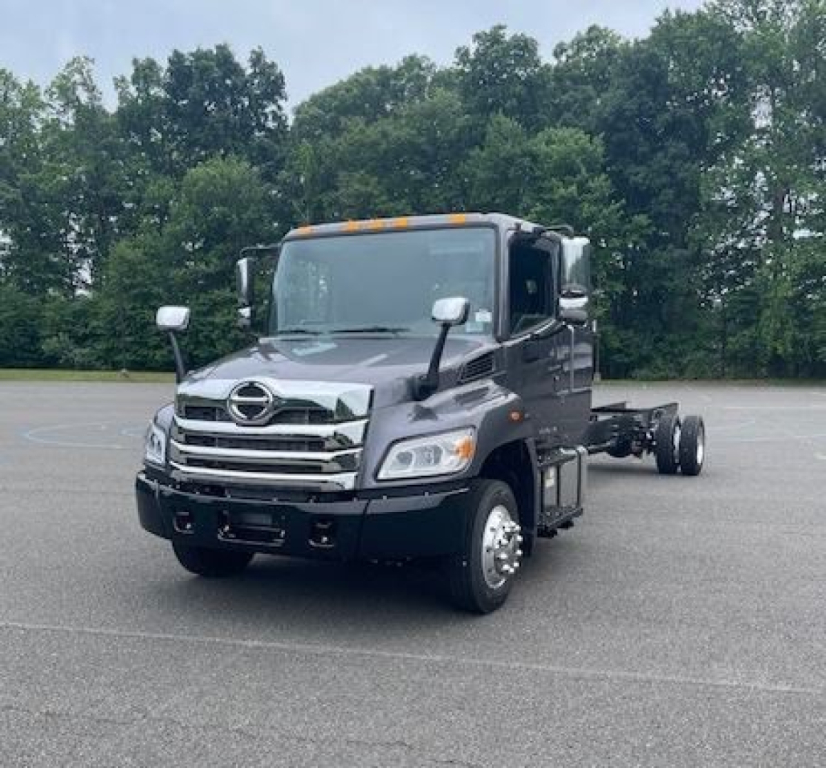
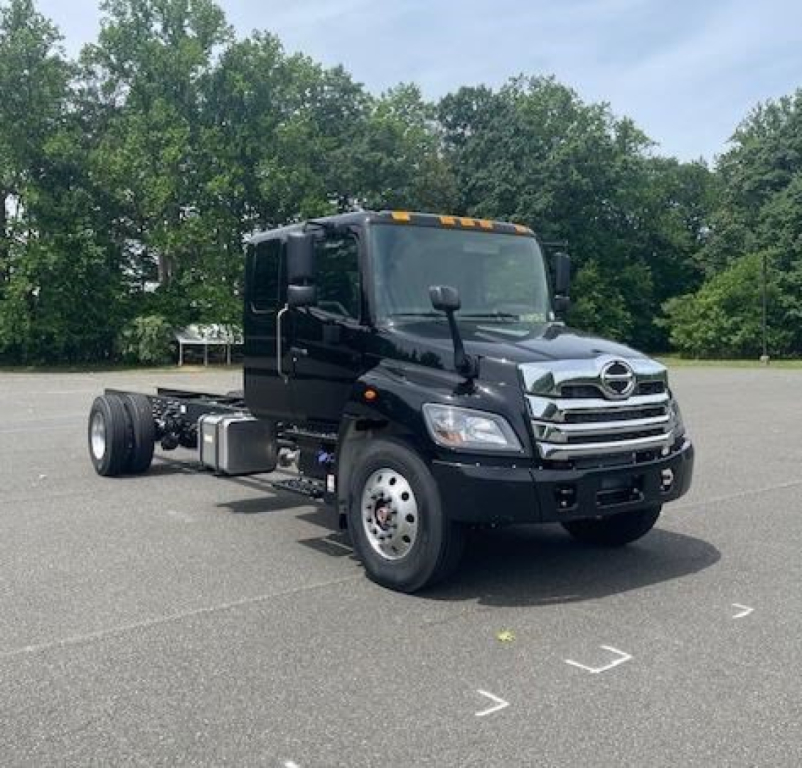
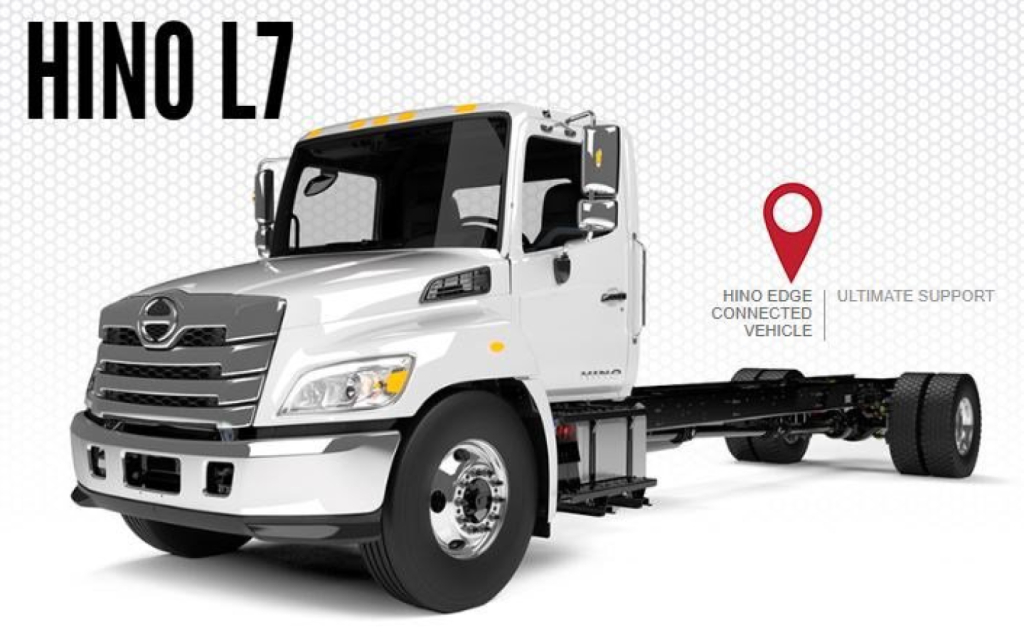
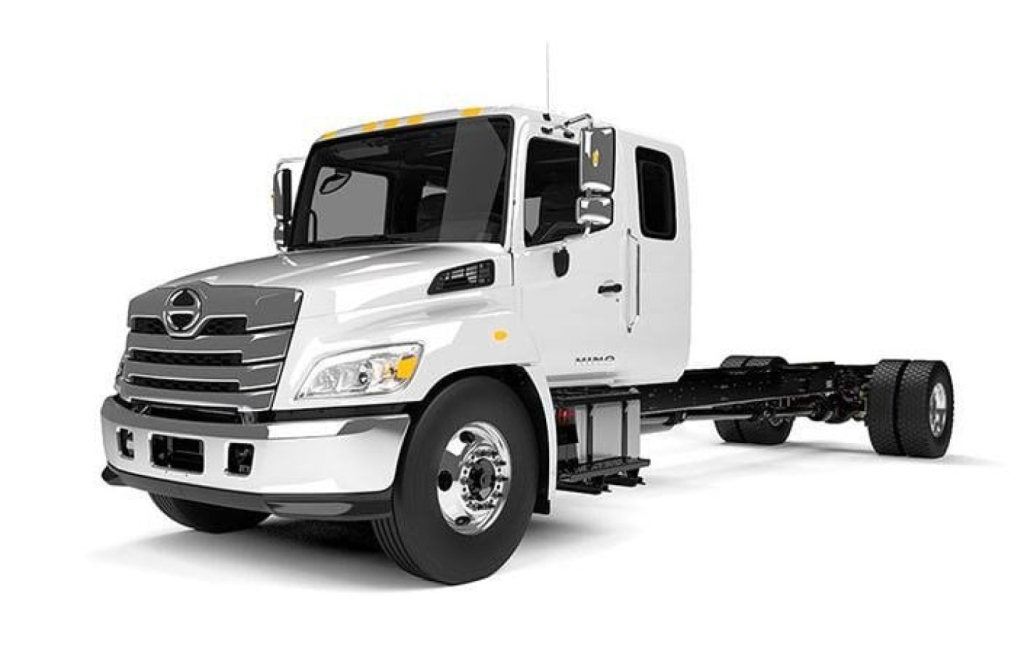
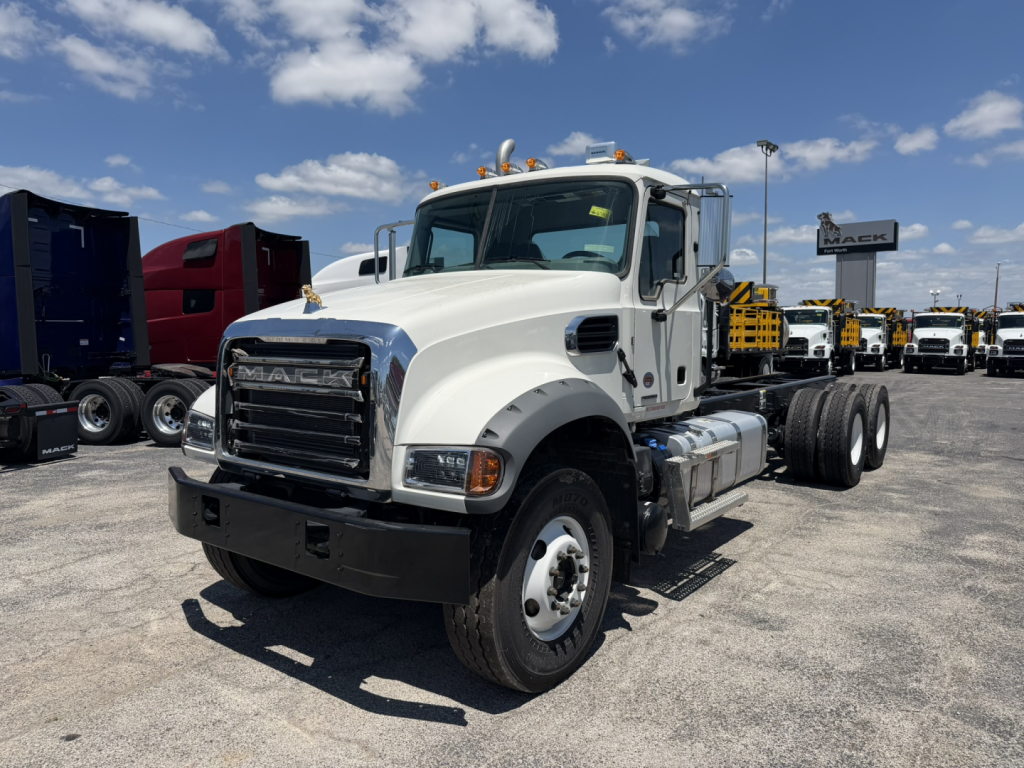
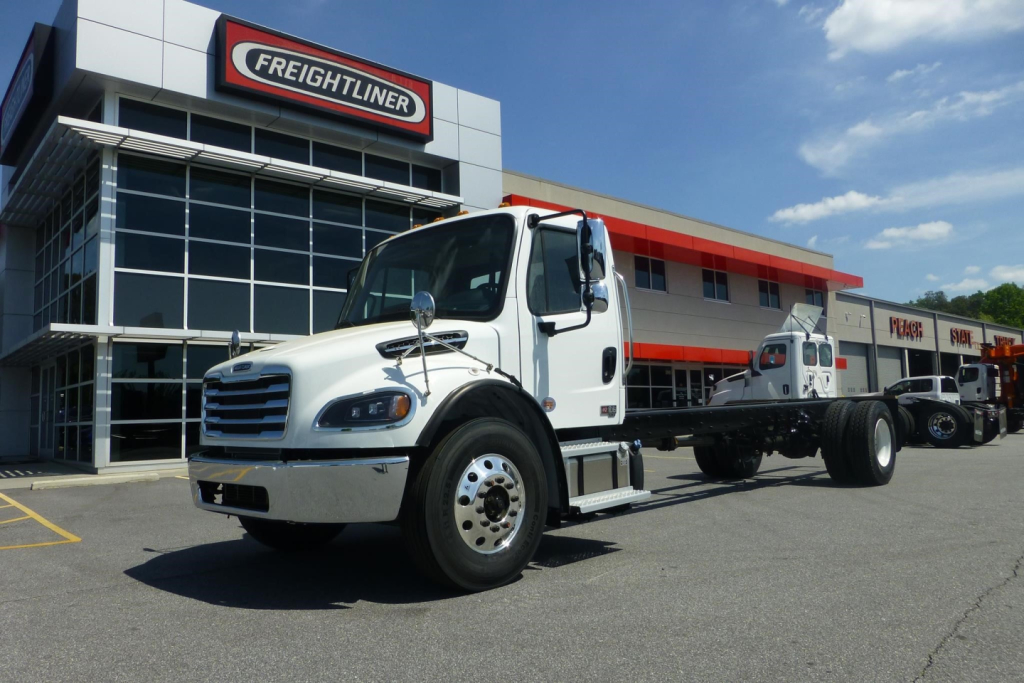
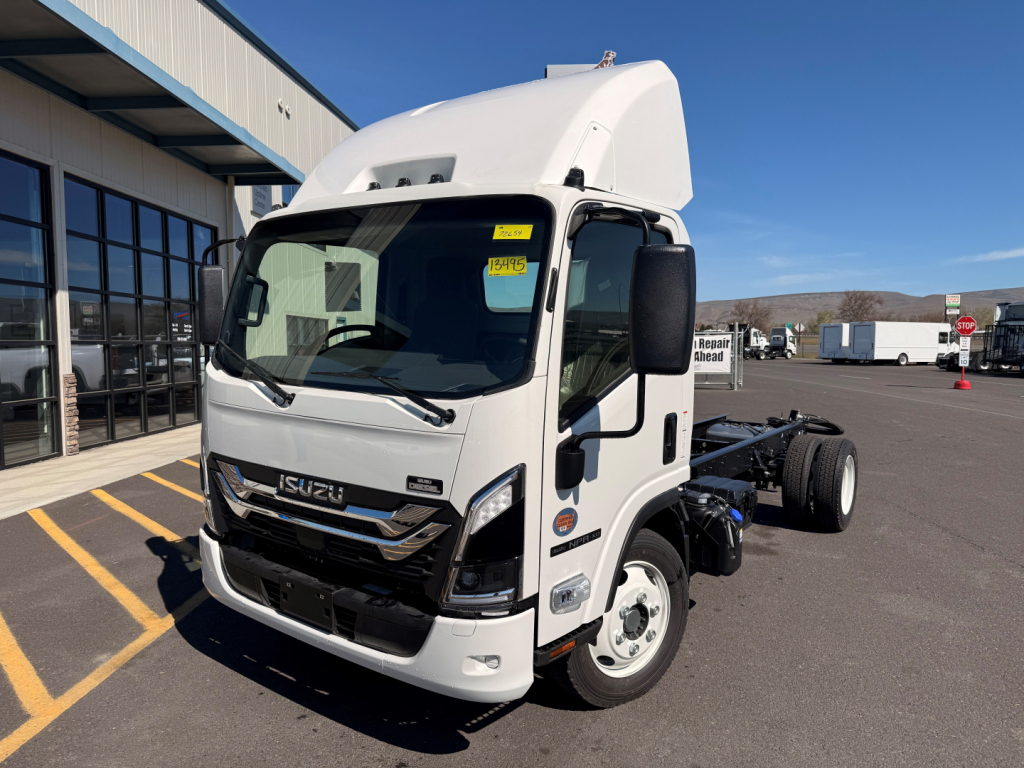
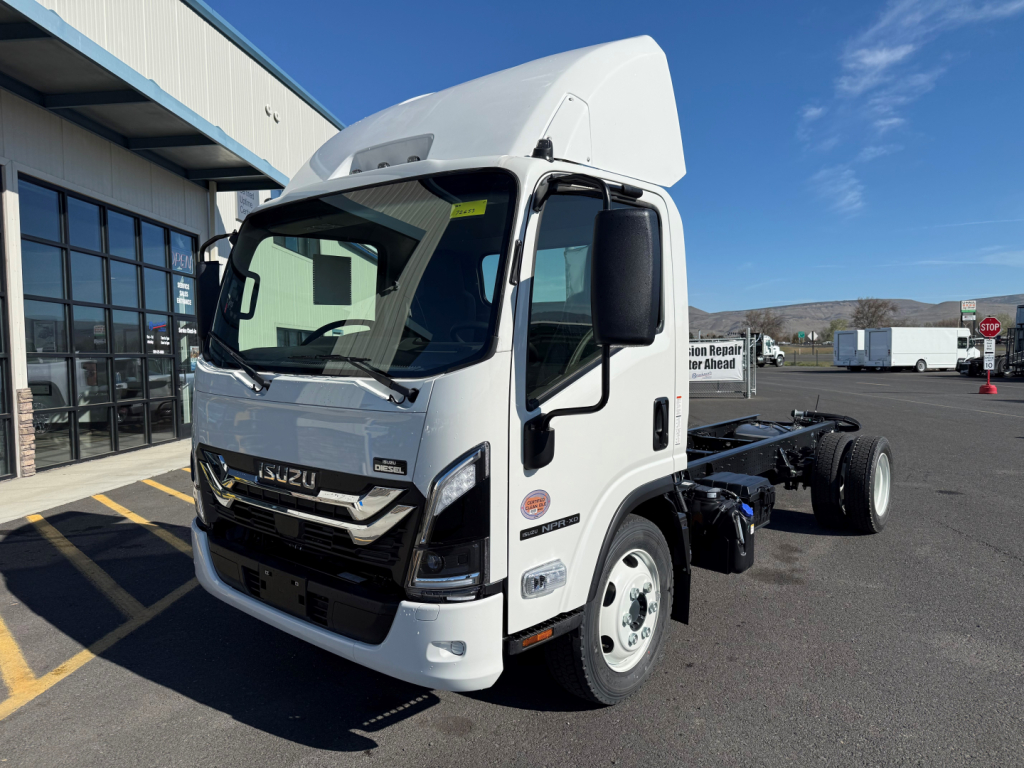
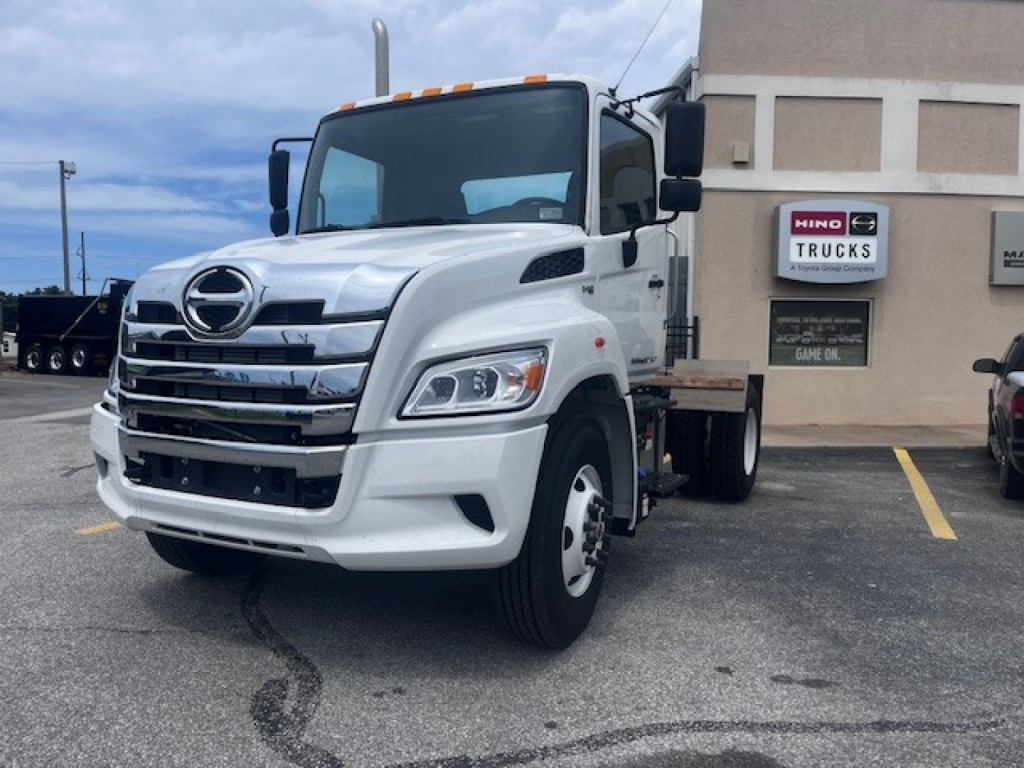
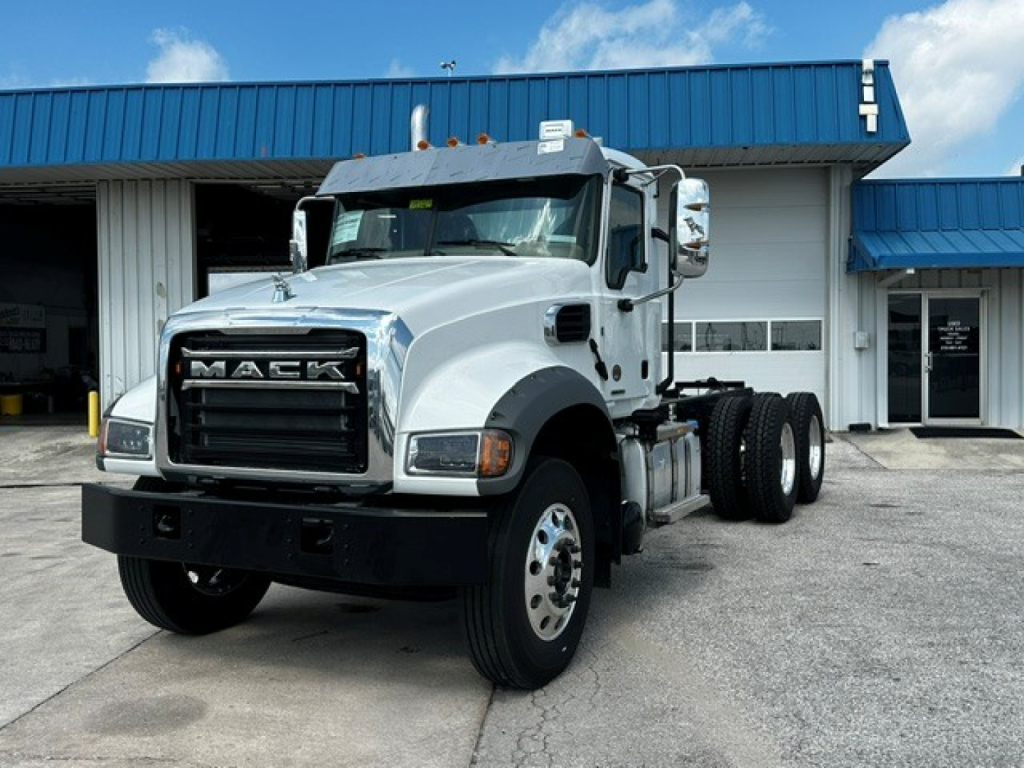
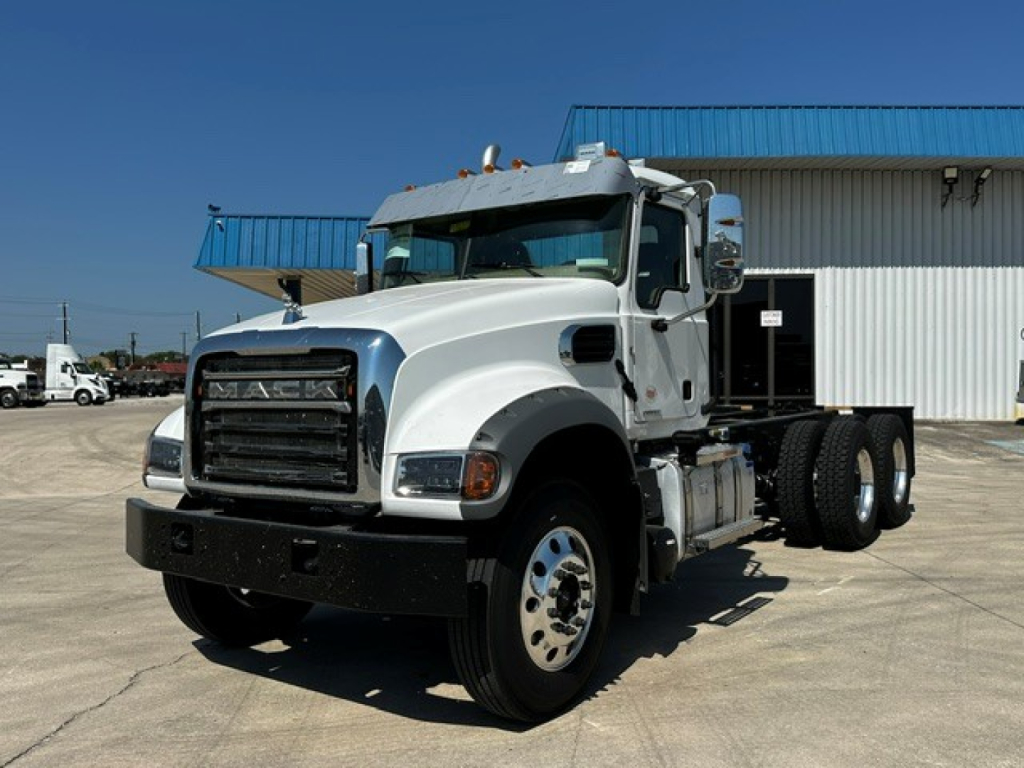
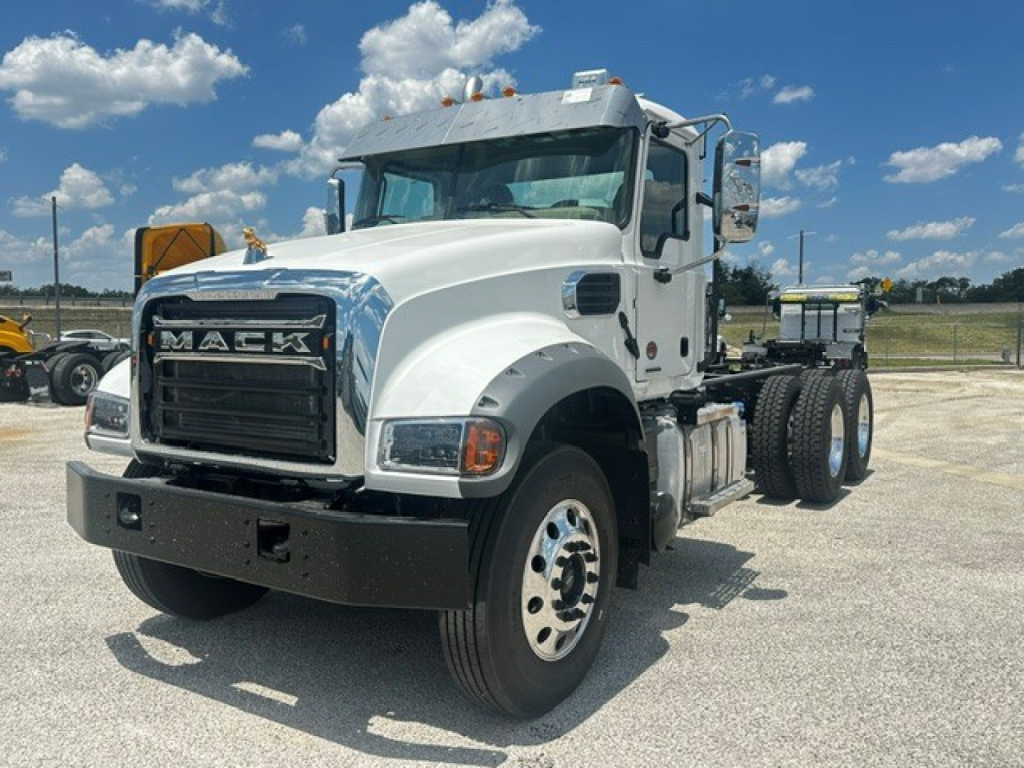
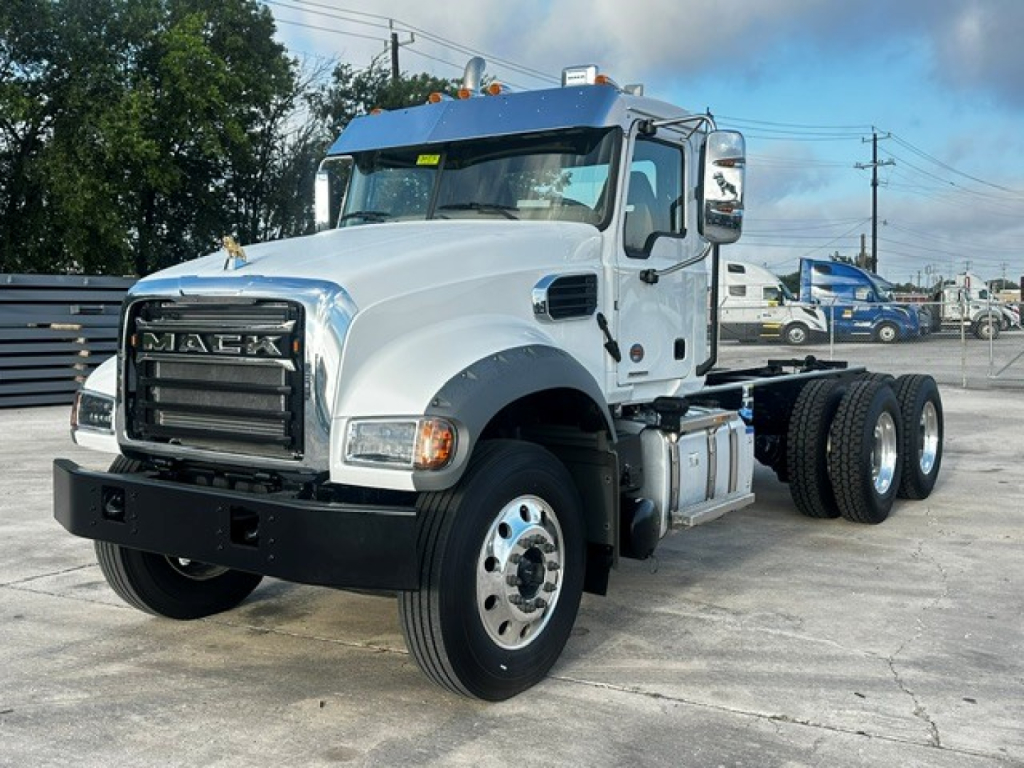
Showing 29 to 56 of 94 results
Selling a new cab and chassis truck? List your new cab and chassis truck for sale and reach thousands of commercial buyers.
New Cab and Chassis Trucks
Tare weight is the silent profit killer on a chassis cab. Select the lightest spec that still meets your duty cycle, wheelbase, and CA requirements. High strength, thinner rails can deliver the same RBM at lower weight. Aluminum wheels, aluminum air and fuel tanks, compact DEF tanks, and smaller batteries reduce tare without compromising performance. Air ride adds weight versus multi leaf, tandem axles add weight but may be required for bridge or traction needs. Gear ratios, automatic transmissions with PTO provisions, and driveline angles must be aligned to your operating speeds, startability targets, and body layout so payload is maximized without sacrificing durability.
Corrosion resistance is essential for long service life, especially in salt belt operations. Look for e coated or powder coated frames, wax injected rails, sealed Deutsch connectors, stainless or coated fasteners, and underbody protection in high spray zones. Aluminum cabs and composite hoods resist rust, while plated spring hangers and galvanized crossmembers slow corrosion creep. Spec heated mirrors, heated DEF lines, battery blankets, and treated condensers for harsh climates. Thermal integrity also includes heat management around the exhaust aftertreatment, so verify DPF and SCR clearances, heat shields, and tip locations are compatible with your body to avoid heat soak into floors or tool compartments and to ensure safe passive or parked regen events.
Powertrain and integration details separate a good chassis from a great one. Diesel remains the payload and PTO workhorse, gasoline and CNG offer lower upfront costs and simplified aftertreatment. Choose REPTO or FEPTO, or transmission PTO ports, based on pump location and duty cycle, and confirm cooling package capacity, fan drive strategy, and idle management support continuous PTO loads. Factory upfitter switches, high idle, dual alternators, 12V and 24V provisions, and body builder wiring simplify installations. Safety and uptime features like air disc brakes, electronic stability control, TPMS, automatic traction control, and full telematics provide better control and maintenance planning. Correct wheelbase and CA for body length, proper aft of frame for liftgates or tow gear, and axle spacing for weight distribution are the final checks before you commit to a new commercial truck chassis.
Frequently Asked Questions about New Cab and Chassis Trucks
How do I match wheelbase and cab to axle to my body length?
Start with the body builder’s chart for your chosen body. Most dry van and service bodies use a standard CA to body length ratio, for example a 120 inch CA typically supports a 16 foot to 18 foot body. Confirm axle load distribution with a weight study so that front axle minimum loading is maintained and rear axles do not exceed ratings. Ensure adequate aft of frame for bumpers, liftgates, or towing, and verify driveshaft length and angles remain within OEM guidelines after the upfit.
What is RBM and why does it matter on a chassis cab?
Resisting Bending Moment is the product of the frame’s section modulus and material yield strength, it is the key indicator of frame bending capacity. Higher RBM limits frame deflection under heavy or high center of gravity loads, which protects the body floor and mounting points from racking. You can achieve higher RBM with thicker rails, higher strength steel, or reinforcement liners, but each path changes tare weight and corrosion considerations, so balance RBM with payload and environment.
How should I think about tare weight versus durability?
Lightweight specs increase payload and fuel efficiency, but the chassis must still meet your duty cycle. High strength steel frames, aluminum wheels and tanks, and optimized battery counts save weight without large compromises. If you need a hoist, front plow, or heavy PTO work, some added mass in crossmembers, suspension components, and frame liners may be justified. Always evaluate curb weight with typical driver, fuel, DEF, and body options to avoid overloading axles.
What PTO configuration fits most vocational upfits?
Transmission mounted PTOs are common and flexible, with multiple ratios and rotations available. For continuous duty or higher power hydraulic demands, a front engine PTO can be preferred, since it decouples pump drive from transmission gear selection. Rear engine PTOs are another option on certain platforms. Confirm PTO torque rating, clearance to frame and exhaust, hydraulic cooling, and engine high idle controls. Also verify the cooling package can manage added thermal load during stationary work.
How do new chassis address corrosion in severe climates?
Look for factory e coat or powder coat on the frame, zinc rich primers on cut and drilled areas, wax or cavity protection inside rails, and stainless or coated fasteners. Sealed harness connectors, protected ground points, and routed airlines away from debris zones reduce failures. In snowbelt specs, add underbody coatings, heated DEF and fuel components, and frequent wash access. If a double frame is required, specify isolators and sealed liner ends to prevent salt entrapment between rails.