
New Cab and Chassis Trucks For Sale in Oklahoma
Shop new cab and chassis trucks in Oklahoma built for dump, refuse, utility, rollback, and vocational body upfit applications.
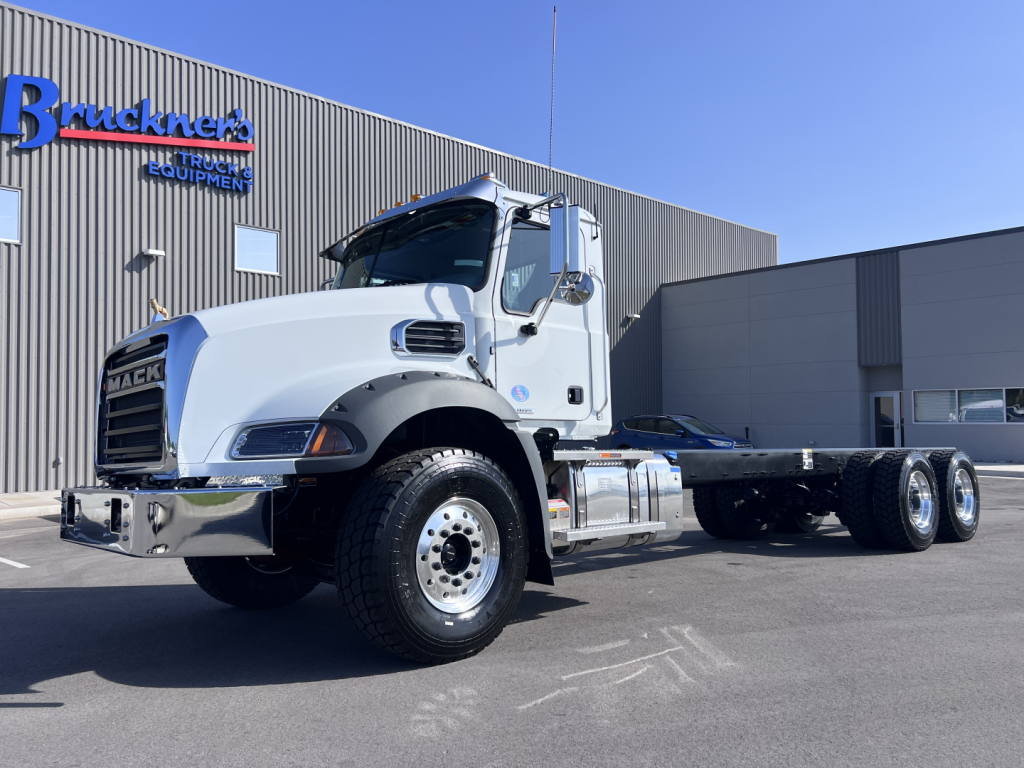
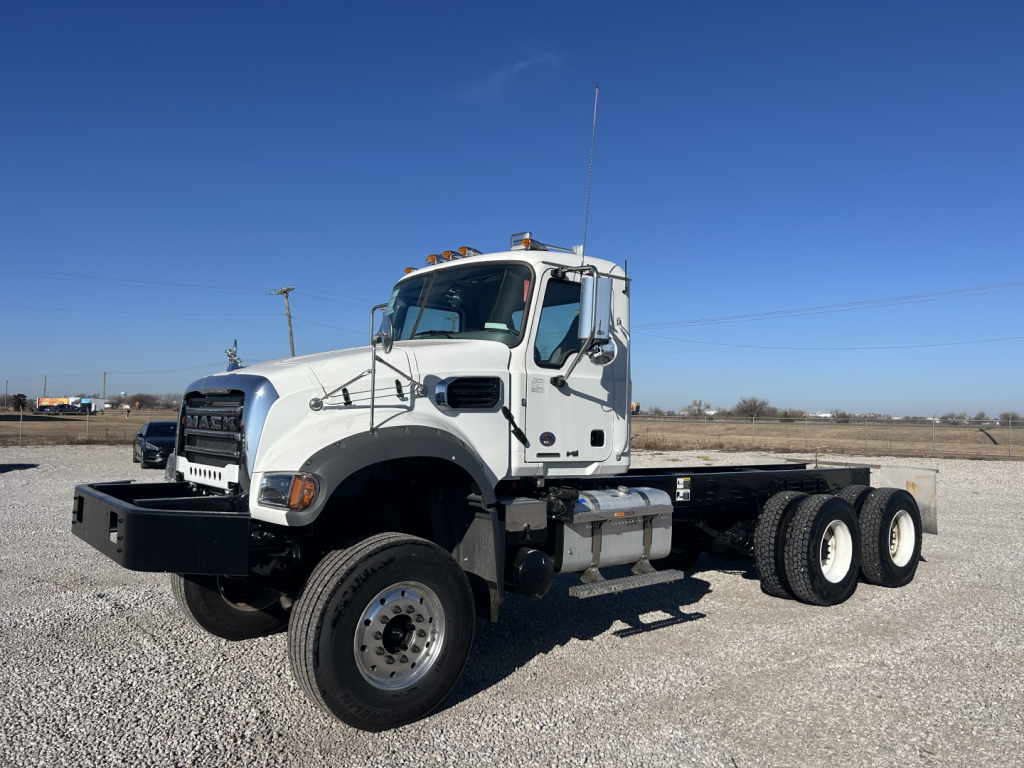

Selling a new cab and chassis truck? List your new cab and chassis truck for sale and reach thousands of commercial buyers.
New Cab and Chassis Trucks in Oklahoma
A new cab and chassis gives the buyer control over the upfit from the start. Important specs usually include wheelbase, cab-to-axle and cab-to-end-of-frame dimensions, front and rear axle ratings, suspension type, frame section modulus, and PTO compatibility. Engines in this category are commonly paired with automatic or automated transmissions, especially Allison automatic and vocational AMT setups, because stop-and-go duty and PTO work favor easier operation and consistent drivability. Rear axle ratios, suspension capacity, and ride height matter because they directly affect launch performance, body clearance, legal payload, and how well the truck handles rough jobsites, county roads, and urban routes.
For Oklahoma applications, it also pays to think about terrain, temperature, and route density before choosing a spec. Oilfield support, municipal work, aggregate hauling, and construction service all place different demands on cooling capacity, axle spread, traction, and turning radius. A lighter single-axle chassis may suit utility or rollback work, while tandem-axle configurations are more common when the truck will carry a heavier body, operate off-road, or need higher GVWR and durability. Buyers comparing new cab and chassis trucks should also look closely at frame drill patterns, exhaust routing, fuel tank placement, steering gear location, and clear back-of-cab packaging, since these details can make the body installation cleaner and reduce upfit time.
Models in this category are also known simply as chassis cab trucks or body-builder trucks. The best value is usually the truck that matches the intended body without overbuilding or leaving capacity short. A truck spec'd too light can limit payload and body choice, but a truck spec'd too heavy can add cost, curb weight, and operating expense. For many fleets, the right new cab and chassis is the one that arrives with the correct wheelbase, axle ratings, transmission programming, and body-builder provisions already in place so the upfit can be completed with minimal rework.
Frequently Asked Questions about New Cab and Chassis Trucks in Oklahoma
What is a cab and chassis truck used for?
A cab and chassis truck is built to accept a vocational body after purchase. Common uses include dump trucks, refuse trucks, flatbeds, utility bodies, mechanics trucks, tow and rollback units, tank trucks, and crane trucks. The factory provides the cab, frame, drivetrain, axles, and running gear, and the final body builder completes the truck for the intended job.
What specs matter most when buying a new cab and chassis truck?
The most important specs are wheelbase, cab-to-axle measurement, axle ratings, GVWR, frame strength, transmission and PTO provisions, suspension capacity, and rear axle ratio. These determine what body can be installed, how the truck will carry weight, and whether the finished unit will perform correctly in start-stop service, off-road use, or highway operation. Buyers should confirm the body builder's dimensional requirements before selecting a chassis.
How do I choose between a single-axle and tandem-axle cab and chassis?
A single-axle cab and chassis usually works well for lighter bodies, tighter urban operation, and lower acquisition cost. A tandem-axle chassis is typically the better choice for heavier payloads, larger bodies, severe-duty work, and applications that need more rear suspension and axle capacity. The decision should be based on finished truck weight, operating surface, legal weight limits, and how the truck will be loaded day after day.
Why is PTO compatibility important on a cab and chassis truck?
PTO compatibility matters because many vocational bodies rely on hydraulic equipment such as hoists, pumps, winches, compactors, or cranes. The transmission and chassis must be ordered with the correct PTO openings, programming, and supporting components for the intended body. If the PTO setup is not matched correctly at the chassis stage, the upfit can become more expensive and may require compromises in performance.
Are automatic transmissions common in new cab and chassis trucks?
Yes. Automatic and automated transmissions are very common in new cab and chassis trucks, especially in refuse, municipal, construction, and utility applications. They reduce driver fatigue, improve low-speed control, and work well in stop-and-go operation. In many vocational specs, an Allison automatic remains a preferred choice when smooth PTO engagement and consistent performance under load are priorities.