
New Mack Cab and Chassis Trucks For Sale in Oklahoma
New Mack cab and chassis trucks for sale in Oklahoma, including Granite and LR models built for dump, refuse, utility, and vocational upfits.
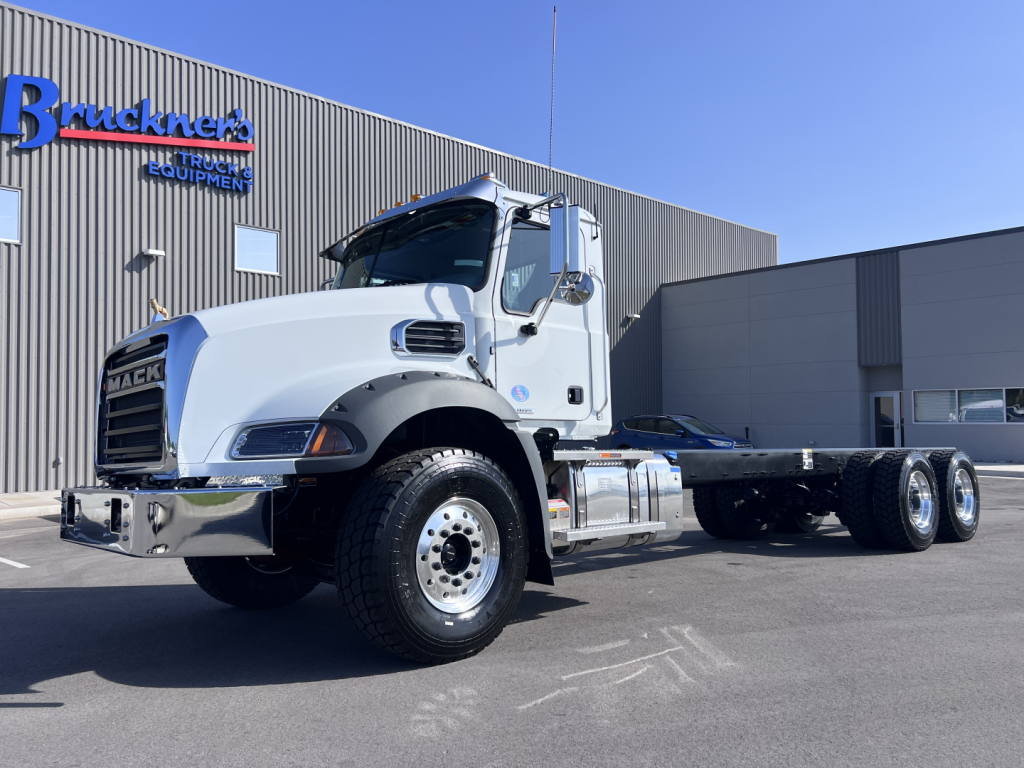
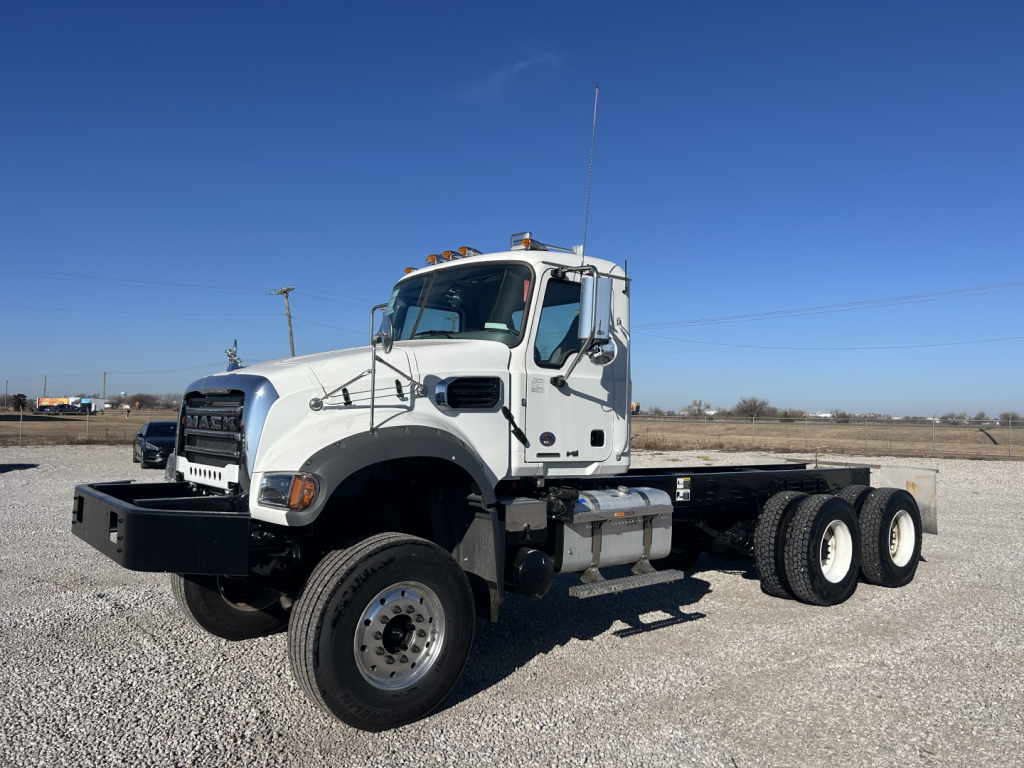

Selling a new mack cab and chassis truck? List your new mack cab and chassis truck for sale and reach thousands of commercial buyers.
New Mack Cab and Chassis Trucks in Oklahoma
A buyer comparing new Mack cab and chassis trucks should start with the chassis layout and intended body. Wheelbase, cab-to-axle, and back-of-cab clearance determine whether the truck will body up correctly without compromises in weight distribution or turning radius. Common spec points include front axle ratings around 18,000 to 20,000 pounds, tandem rears in the 40,000 to 46,000 pound range, and suspension choices that fit the duty cycle and body weight. Power typically comes from Mack MP7 or MP8 diesel engines paired with Allison automatic or Mack mDRIVE automated transmissions. For stop-and-go refuse or municipal work, an Allison setup is often preferred for smooth launch, PTO operation, and driver familiarity. For heavier construction or regional vocational hauling, an mDRIVE spec may improve efficiency and maintain strong gradeability.
Body-builder details are especially important on a new cab and chassis because the truck is only part of the final package. Buyers should confirm frame section and RBM, PTO openings and programming, fuel tank placement, exhaust routing, battery box location, and any factory-installed body builder wiring. On severe-duty Granite chassis, look closely at rear suspension design, axle ratio, ride height, and vocational frame options because those choices directly affect off-road durability, hoist installation, and payload performance. On LR cab and chassis models, dual steering configurations, visibility, and low-entry cab design can be major advantages for refuse fleets and urban municipal routes where frequent stops and operator access drive productivity.
For Oklahoma buyers, the right new Mack cab and chassis often comes down to matching the truck to local operating conditions instead of chasing the highest horsepower number. Oilfield support, road construction, aggregate hauling, municipal sanitation, and utility work all put different demands on cooling, gearing, suspension travel, and bridge compliance. A well-spec'd cab and chassis should leave enough capacity for the finished body, fluids, tools, and payload without pushing axle limits. When comparing listings, focus on the foundation specs first: engine torque, transmission type, axle ratings, wheelbase, rear ratio, and body-ready chassis provisions. Those are the details that determine how well a Mack cab and chassis will perform once it is built for the job.
Frequently Asked Questions about New Mack Cab and Chassis Trucks in Oklahoma
What is a Mack cab and chassis truck used for?
A Mack cab and chassis truck is a body-ready platform designed to receive a vocational upfit such as a dump body, refuse packer, utility body, water tank, rollback, roll-off, crane body, or vacuum system. The cab, engine, frame, axles, and driveline are factory assembled, but the rear body is added afterward to match the application. Buyers choose cab and chassis trucks when they need a purpose-built work truck instead of a tractor or a completed straight truck.
What is the difference between a Mack Granite cab and chassis and a Mack LR cab and chassis?
The Mack Granite is generally configured for construction, severe-duty, and heavier vocational applications where ground clearance, frame strength, and high-capacity axle specs are important. The Mack LR is commonly used in refuse and municipal service because it has a low-entry cab design, excellent visibility, and options such as dual steering for route efficiency. The right choice depends on the body being installed, the terrain, and how often the driver enters and exits the cab.
Which transmission is better in a new Mack cab and chassis: Allison automatic or mDRIVE?
An Allison automatic is often preferred for stop-and-go work, PTO-driven equipment, and urban duty cycles because it delivers smooth low-speed control and simple operation. Mack mDRIVE automated transmissions are a strong fit for vocational hauling and other applications where efficiency, grade performance, and reduced driver fatigue are priorities. The better choice depends on route type, body function, driver experience, and whether the truck will spend more time creeping on jobsites or running loaded on the road.
What specs matter most when buying a new cab and chassis truck?
The most important specs are wheelbase, cab-to-axle dimension, axle ratings, suspension capacity, engine torque, transmission type, rear ratio, frame strength, and PTO compatibility. Those specifications determine whether the intended body will fit correctly, how the finished truck will carry weight, and how it will perform in the field. Buyers should also verify body-builder provisions such as wiring, exhaust location, fuel tank placement, and clear back-of-cab space before committing to a chassis.
Why do axle ratings and wheelbase matter so much on a Mack cab and chassis?
Axle ratings and wheelbase control how the completed truck handles payload, balances body weight, and complies with legal weight limits. A truck with the wrong wheelbase may create poor weight distribution, interfere with body installation, or reduce maneuverability. Proper front and rear axle capacity is just as important because the upfit, equipment, fluids, and payload all count against the final gross vehicle weight and individual axle loads.