
New Cab and Chassis Trucks For Sale in Washington
Shop new cab and chassis trucks in Washington. Compare GVWR, wheelbase, engine options, and body upfit potential for delivery and service work.
Selling a new cab and chassis truck? List your new cab and chassis truck for sale and reach thousands of commercial buyers.
New Cab and Chassis Trucks in Washington
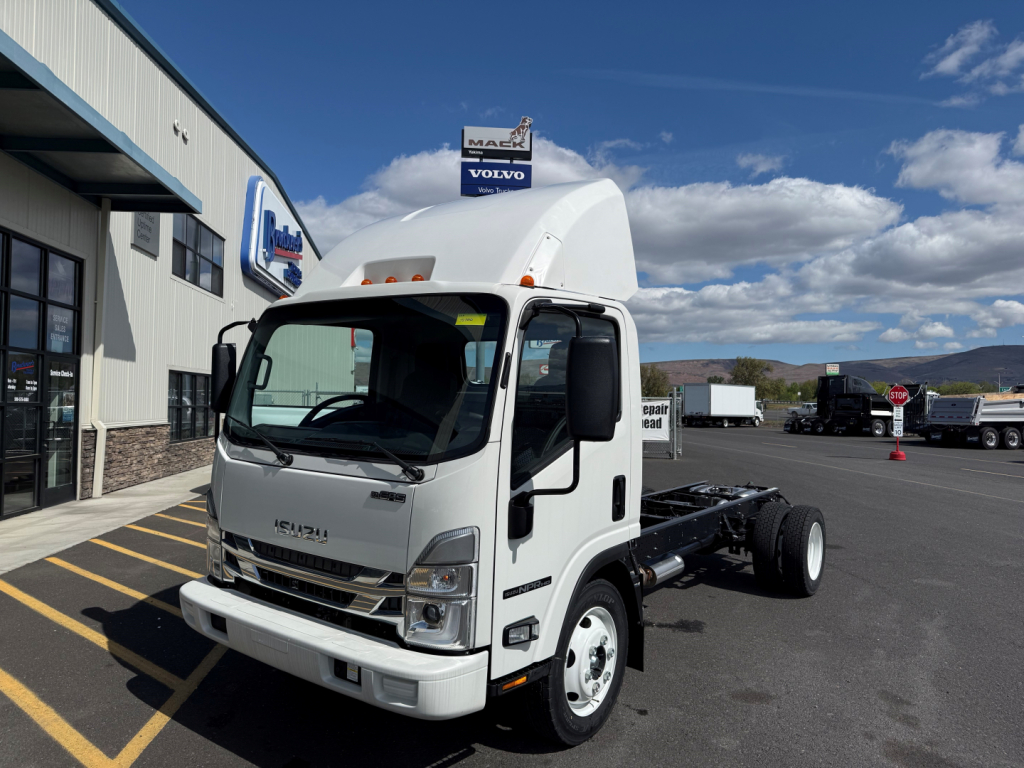
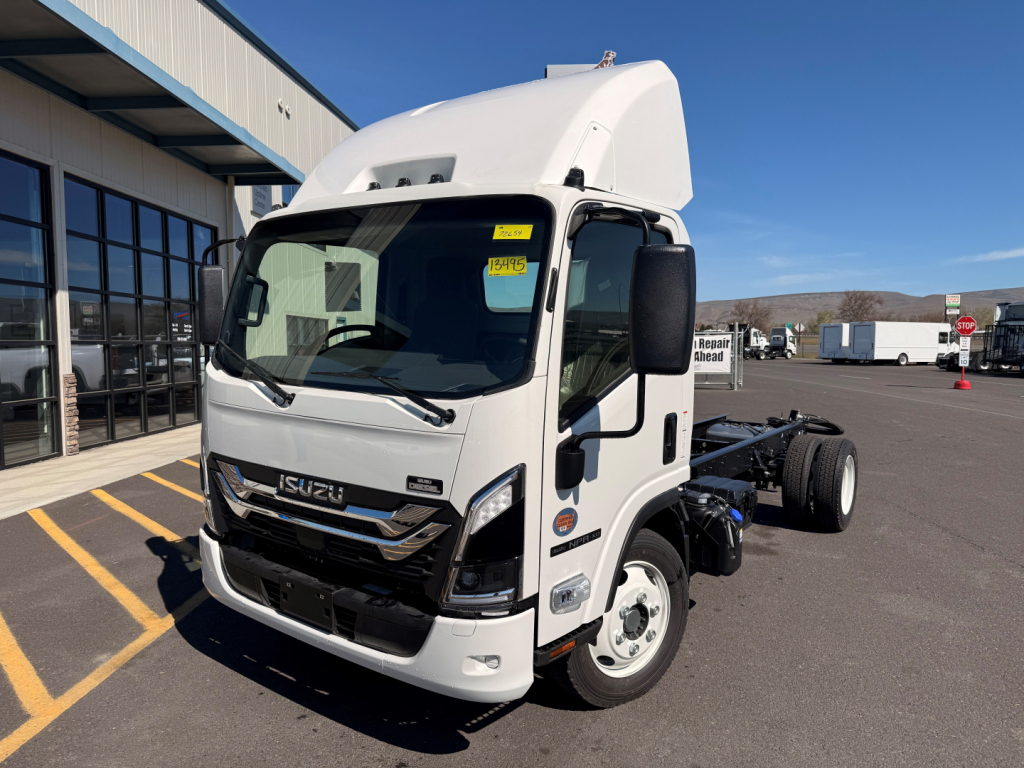
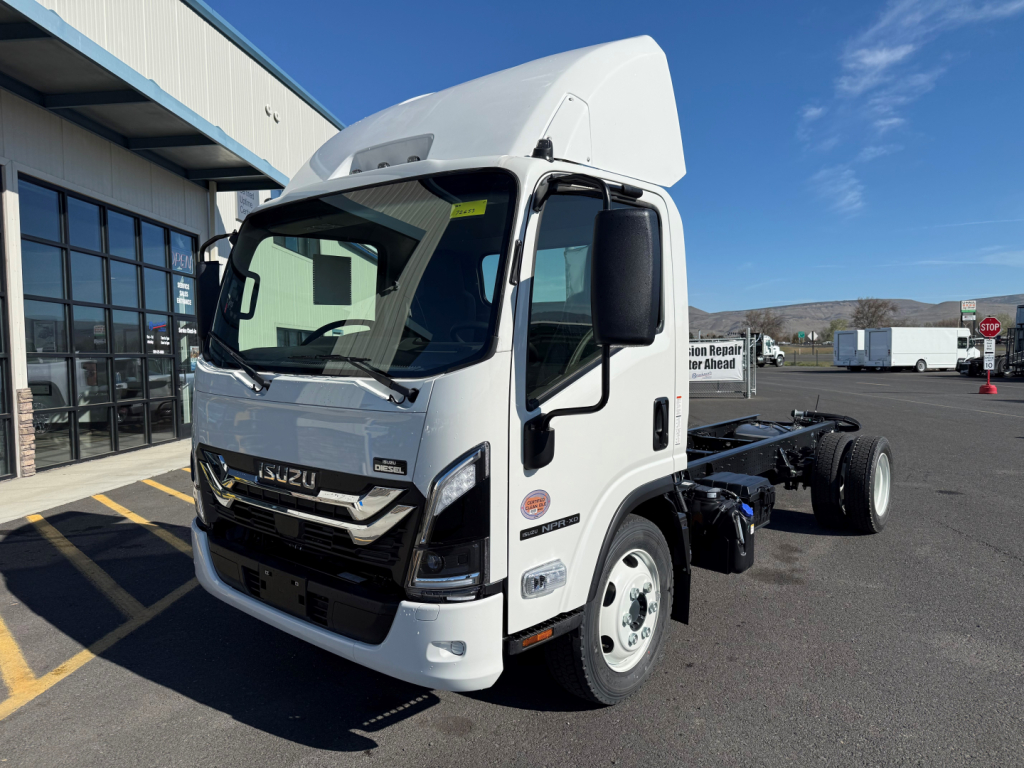
One of the first decisions is chassis size and body compatibility. In the medium-duty range, common setups support van bodies, stake beds, flatbeds, contractor bodies, reefer bodies, utility bodies, and landscape dumps. Wheelbase and usable cab-to-axle measurement determine what body length will fit correctly, and the wrong spec can limit payload distribution or create axle loading problems once the body is installed. Buyers should pay close attention to GVWR, front and rear GAWR, frame RBM, fuel type, and PTO capability if hydraulic equipment or specialized accessories are planned. Low cab forward models are especially popular for local delivery because they offer a tight turning radius, excellent forward visibility, and efficient body length on a shorter overall chassis.
Powertrain choice affects both operating cost and application fit. Gas engines are often favored for lighter-duty routes, simpler maintenance planning, and lower upfront cost. Diesel cab and chassis trucks are still a strong choice when the job calls for higher annual mileage, heavier payloads, or longer service life under demanding duty cycles. Transmission calibration, rear axle ratio, suspension type, and brake configuration should all be reviewed with the final body in mind, not just the bare chassis. A truck carrying a 16-foot box body on city routes has different needs than a chassis being set up for a landscape bed, refrigerated body, or utility crane body.
For buyers comparing new cab and chassis trucks, the real value is in how cleanly the truck can be upfitted and how well the finished unit will match the route, load, and service demands. Look for chassis layouts that simplify body installation, maintain clear access for service, and leave enough payload margin after the upfit is complete. In Washington, corrosion considerations, mountain grades, and mixed urban-rural duty cycles can all influence the right spec. A well-chosen new cab and chassis truck gives you a purpose-built platform instead of forcing your operation to adapt to a body style that was not designed for the work.
Frequently Asked Questions about New Cab and Chassis Trucks in Washington
What is a cab and chassis truck used for?
A cab and chassis truck is built to serve as a base platform for a commercial body or equipment package. Common upfits include box bodies, flatbeds, dump bodies, stake beds, service bodies, refrigerated bodies, and utility bodies. The buyer chooses the chassis specifications first, then adds the body that fits the actual work requirement.
How do I choose the right wheelbase and body length on a cab and chassis truck?
Wheelbase, cab-to-axle measurement, and rear overhang must match the body length and payload distribution you plan to run. A chassis that is too short or too long can create fitment problems, poor weight balance, or axle overload once the body is installed. The best approach is to confirm the intended upfit dimensions with the body builder before purchasing the chassis.
Is gas or diesel better for a new cab and chassis truck?
Gas is often a strong fit for lighter-duty local fleets that want lower initial cost and straightforward maintenance. Diesel usually makes more sense for higher mileage operations, heavier payloads, and applications where torque and long-term durability are priorities. The better choice depends on route length, annual miles, idle time, loaded weight, and maintenance capabilities.
What specs matter most when comparing cab and chassis trucks?
GVWR, GAWR, wheelbase, cab-to-axle, usable frame length, engine output, transmission, rear axle ratio, and suspension are the key starting points. Buyers should also review brake type, PTO provisions, fuel tank placement, and frame suitability for the intended body. These details determine how easily the truck can be upfitted and how well it will perform once in service.
Why are low cab forward cab and chassis trucks popular for delivery work?
Low cab forward trucks maximize body length on a shorter overall wheelbase, which improves maneuverability in tight urban areas. They also provide strong visibility and a tighter turning radius than many conventional cab layouts. That combination makes them especially useful for city delivery, route service, and operations that require frequent stops and tight access.