
New Cab and Chassis Trucks For Sale in Colorado
Shop new cab and chassis trucks in Colorado built for dumps, utility, service, refuse, and upfit work with the right wheelbase and axle specs.
Selling a new cab and chassis truck? List your new cab and chassis truck for sale and reach thousands of commercial buyers.
New Cab and Chassis Trucks in Colorado
The most important buying decisions usually start with GVWR, axle configuration, wheelbase, and cab style. Common configurations include 4x2, 6x4, and tandem or tri-drive vocational setups, depending on payload and traction needs. Front axle ratings, rear axle capacity, suspension choice, and frame strength have to line up with the intended upfit. Buyers should also look closely at cab-to-axle and axle-to-end-of-frame dimensions, because those measurements determine what bodies and equipment can be installed without costly rework. Allison automatic transmissions are common on vocational cab and chassis trucks because they simplify stop-and-go work, PTO operation, and driver training, while diesel engine ratings are typically selected for low-end torque and reliability under load.
A new cab and chassis is often the right choice when uptime, warranty coverage, and emissions compliance are priorities. Current models can be ordered with factory PTO provisions, body builder wiring, backup camera prep, programmable switches, telematics, and driver-assist features that make upfitting easier and day-to-day operation more efficient. In Colorado, buyers also tend to pay close attention to cooling capacity, gearing, engine brake performance, and traction equipment for mountain grades and winter roads. If the truck will spend time on job sites or unpaved routes, ground clearance, vocational bumper design, and suspension durability become just as important as horsepower.
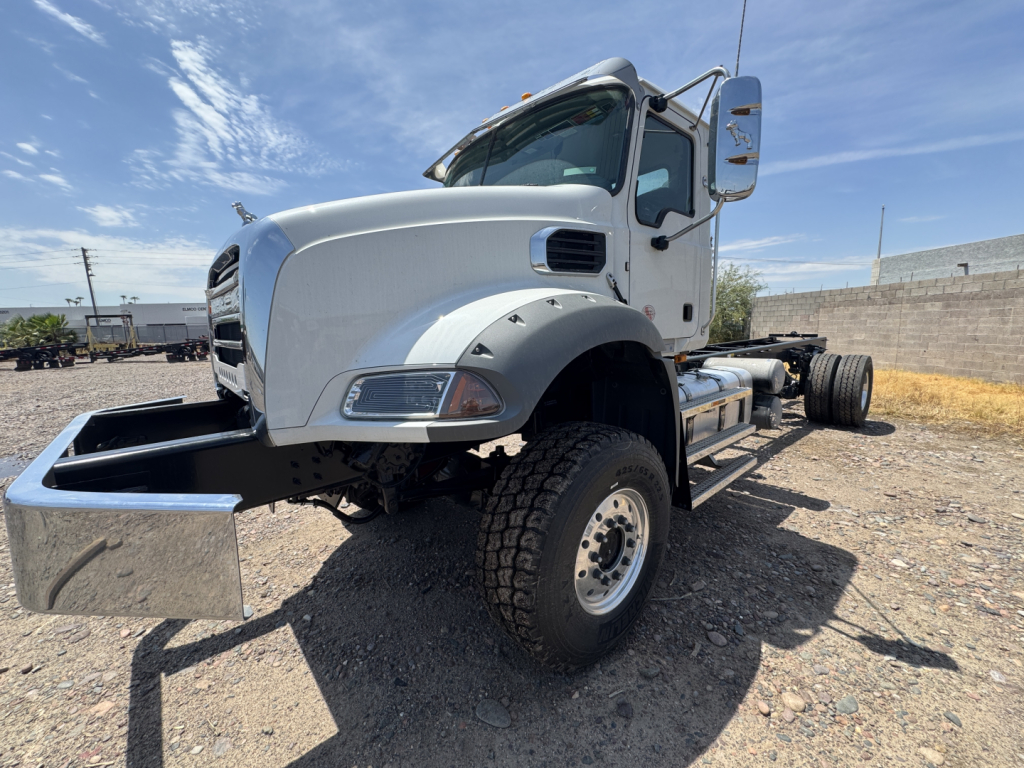
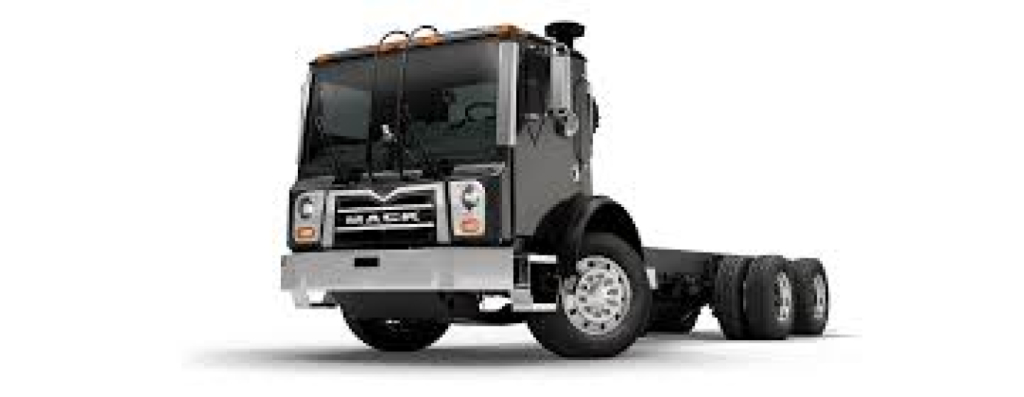
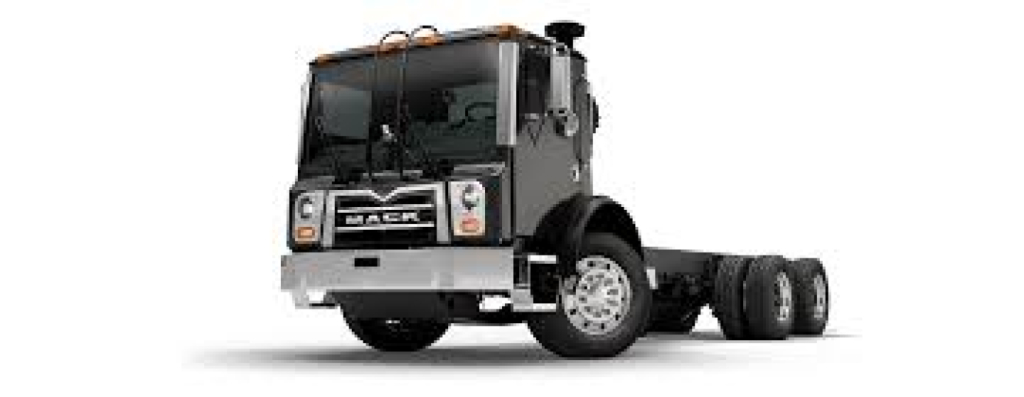
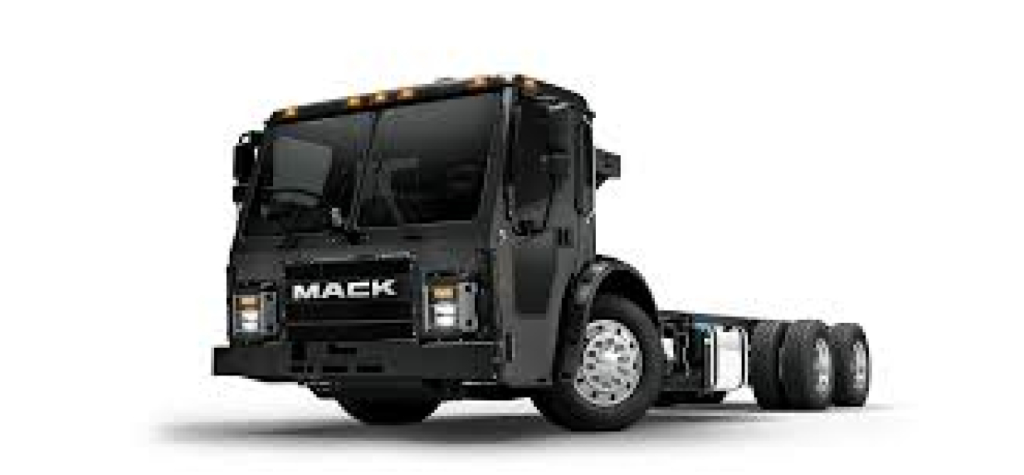
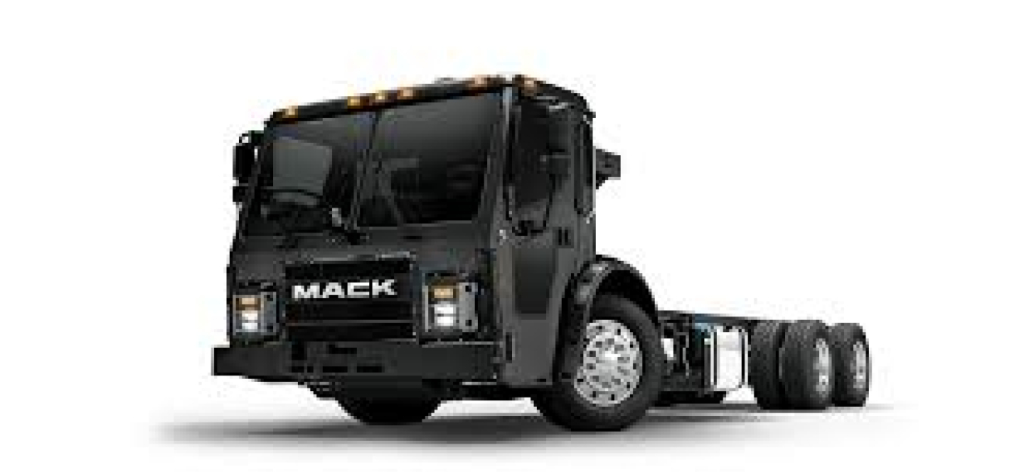
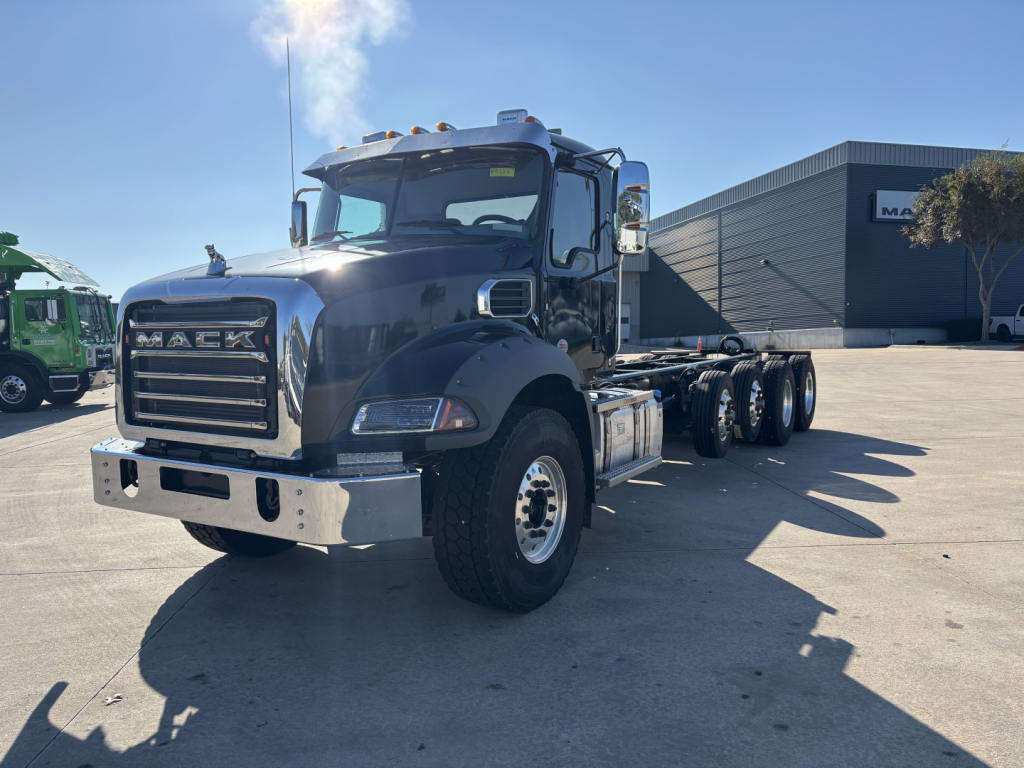
This category covers a broad range of applications, from municipal and refuse chassis to heavy construction and specialty fleet trucks. Models such as low-entry cab and chassis units are common for refuse and urban stop-start routes, while conventional vocational chassis are better suited for dump, contractor, and utility work. The right spec is the one that supports the finished body, legal payload, route conditions, and service cycle without leaving capacity on the table or overbuilding the truck. A well-matched new cab and chassis truck should make the upfit straightforward, keep the wheelbase and weight distribution correct, and deliver long-term durability in the exact job it was built to do.
Frequently Asked Questions about New Cab and Chassis Trucks in Colorado
What is a cab and chassis truck used for?
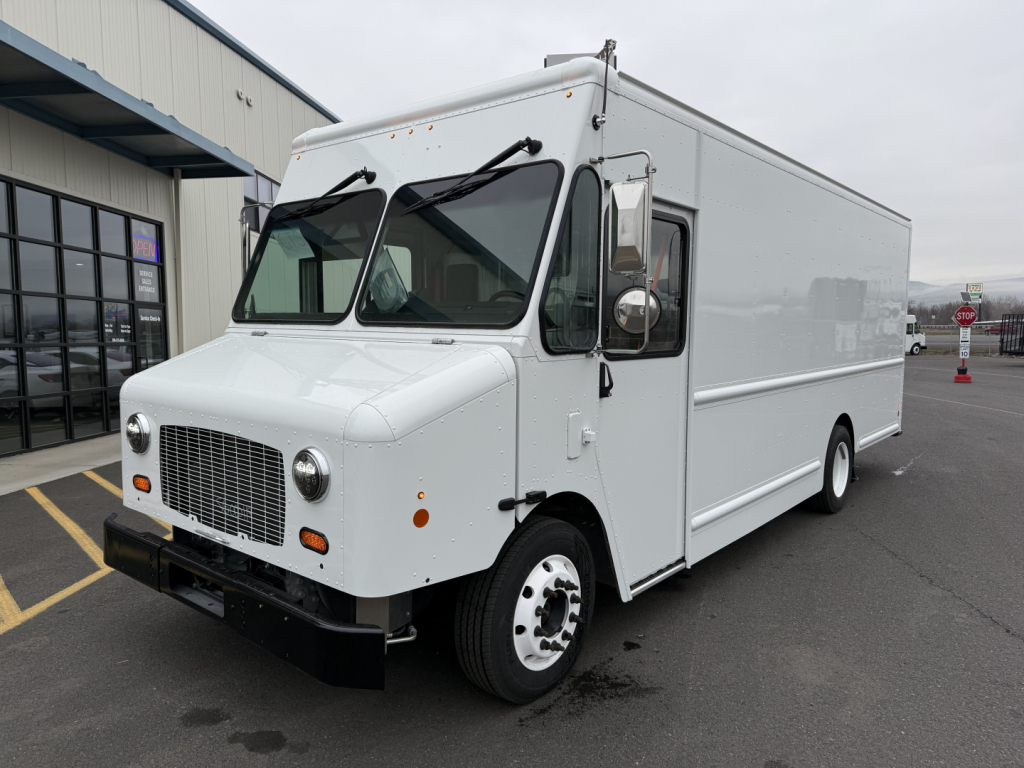
A cab and chassis truck is a truck sold with the cab, frame rails, drivetrain, and axles, but without a completed rear body. It is designed to be upfitted for a specific job, such as a dump body, flatbed, utility body, service truck, box body, tow body, refuse body, or snow and ice package. This makes it one of the most flexible truck categories for vocational fleets and contractors.
What specs matter most when buying a new cab and chassis truck?
The key specs are GVWR, front and rear axle ratings, wheelbase, cab-to-axle dimension, frame section, suspension, engine torque, transmission type, and PTO compatibility. These determine what body can be installed, how the truck will carry weight, and whether it will perform correctly in the intended duty cycle. Buyers should match the chassis to the finished application, not just the engine horsepower number.
Why are Allison automatic transmissions common in cab and chassis trucks?
Allison automatics are widely used in vocational cab and chassis applications because they perform well in stop-and-go routes, frequent backing, PTO-driven work, and mixed-driver fleets. They reduce clutch wear, simplify operation, and help keep drivers productive in refuse, municipal, utility, and construction service. For many body applications, an automatic transmission also improves low-speed control and ease of training.
How does Colorado use affect cab and chassis truck specs?
Colorado operating conditions often push buyers toward specs that handle elevation, steep grades, changing weather, and off-pavement work. Important considerations include rear axle ratio, engine brake performance, cooling capacity, traction setup, suspension durability, and tire selection. If the truck will run in mountain corridors or winter conditions, drivetrain and braking choices can matter as much as payload capacity.
What is the difference between a low-entry cab and a conventional cab and chassis truck?
A low-entry cab and chassis truck places the driver lower to the ground and is built for frequent stops, easy entry and exit, and strong visibility in urban service. It is commonly used for refuse and municipal work. A conventional cab and chassis truck has a more traditional hooded layout and is typically chosen for dump, utility, flatbed, crane, and contractor applications where highway travel, front-end service access, and broader body compatibility are priorities.