
New Mack Cab and Chassis Trucks For Sale in Colorado
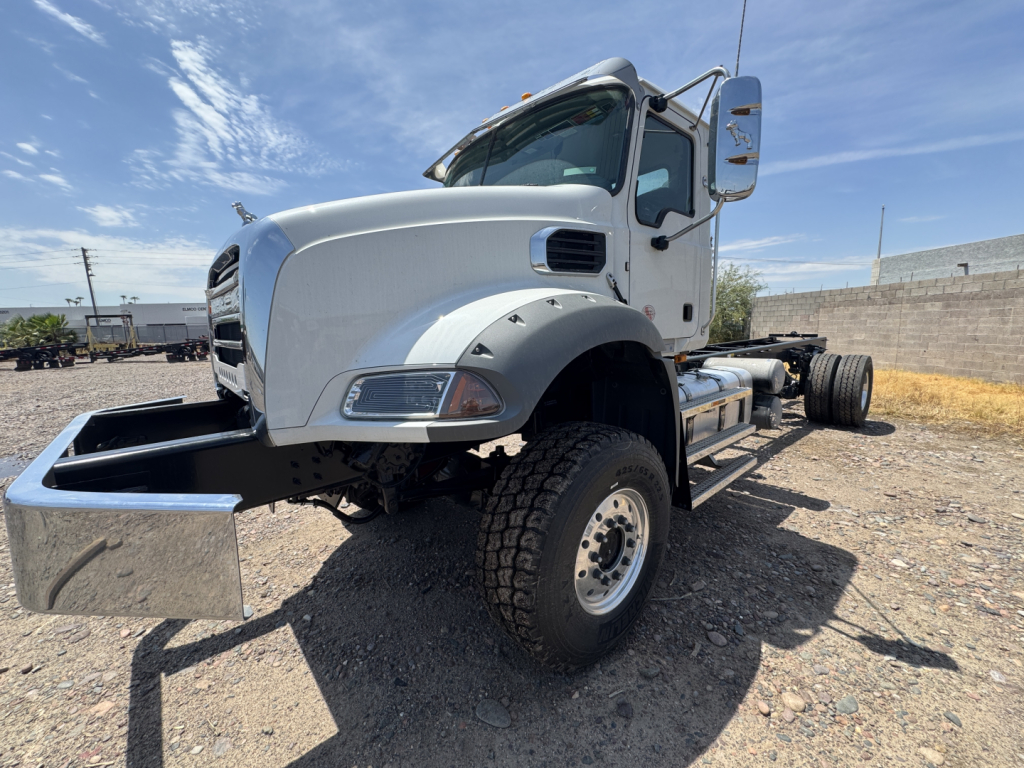
Shop new Mack cab and chassis trucks in Colorado. Compare LR, TE, and Granite configurations for refuse, vocational, and upfit work.
Selling a new mack cab and chassis truck? List your new mack cab and chassis truck for sale and reach thousands of commercial buyers.
New Mack Cab and Chassis Trucks in Colorado
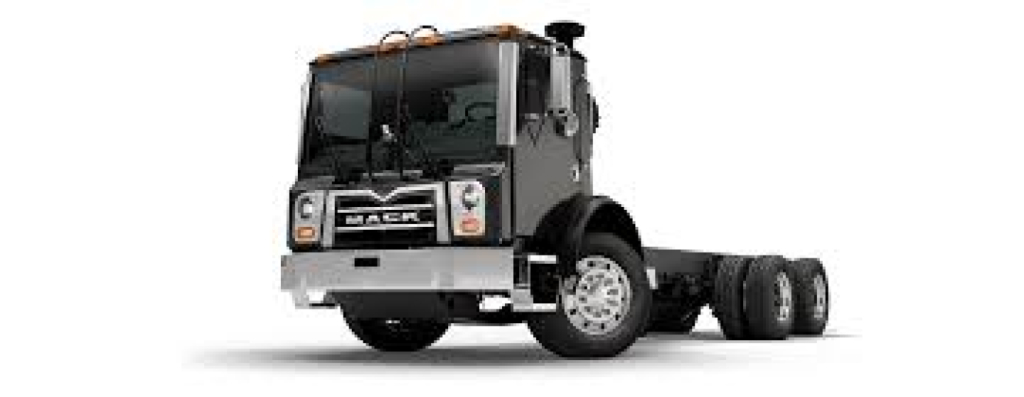
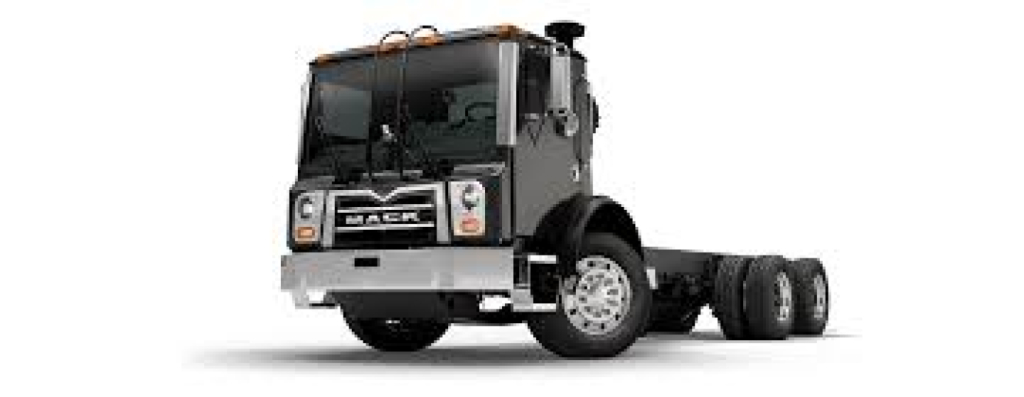
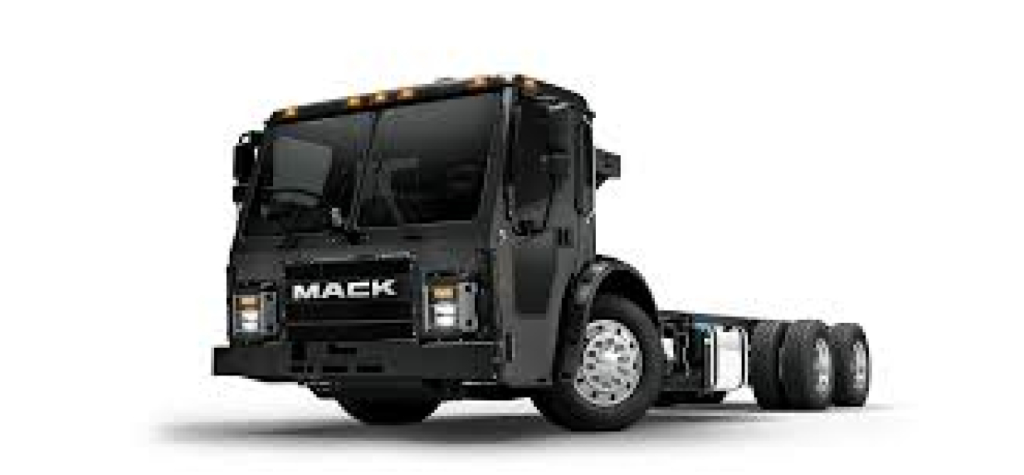
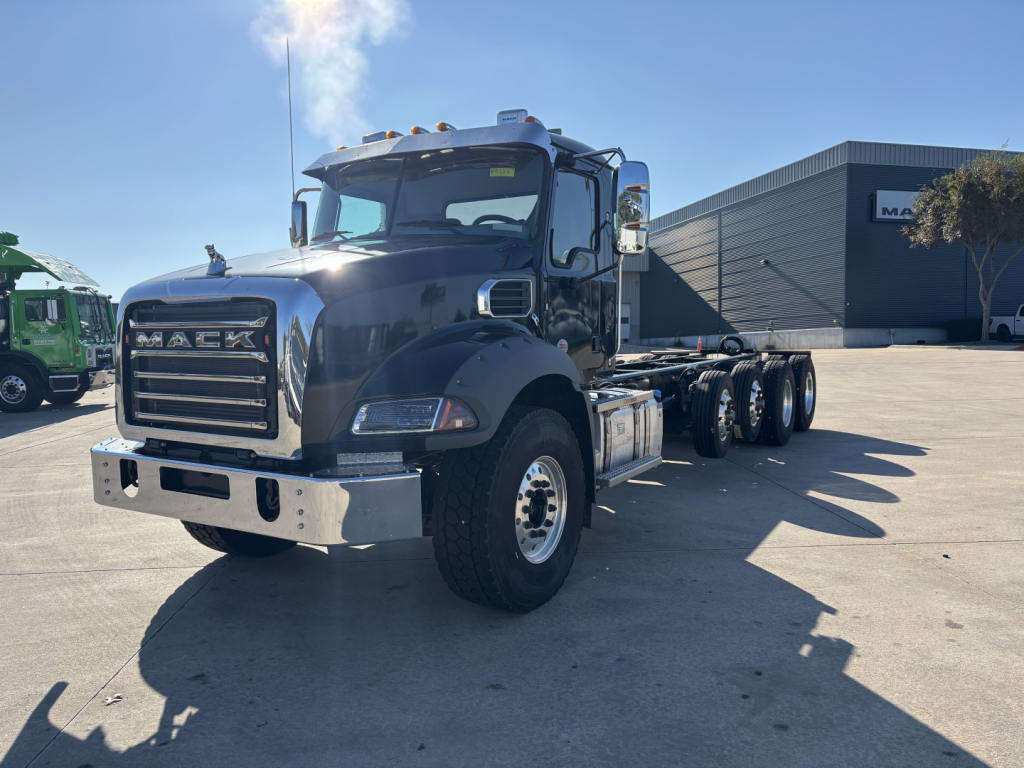
The first buying decision is usually the job the truck will carry every day. A Mack LR cab and chassis is purpose-built for refuse fleets, with low-entry access, visibility-focused cab design, and common specs like dual steer or dual drive setups, automatic transmissions, and body-builder friendly chassis layouts. Granite cab and chassis models are more common in construction, infrastructure, and municipal work where buyers need heavier front axle ratings, multiple lift axles, locking rears, and stronger suspension choices for dump bodies, snow and ice equipment, cranes, or tanker applications. Engine and transmission pairings often center on Mack MP-series diesel power, frequently matched with Allison automatic transmissions in stop-and-go work or automated manual options in heavier on-road and vocational service.
In Colorado, altitude, grades, and seasonal conditions should shape the spec. Buyers running Front Range municipal routes may prioritize tight wheelbases, visibility, and automatic shifting, while operators working in mountain corridors or on job sites may need higher horsepower, deeper rear axle ratios, traction-focused suspension specs, and careful attention to GCWR and body payload. Front axle capacity, bridge law considerations, pusher or tag axle placement, and frame rail dimensions all affect how cleanly a truck can be upfitted. It also pays to confirm cab-to-axle and axle-to-end-of-frame measurements early, since those dimensions determine body fit, hoist placement, toolbox layout, and usable payload distribution.
A new Mack cab and chassis also appeals to fleets trying to standardize serviceability and driver familiarity. Mack vocational chassis are known for stout frames, integrated driveline components, and application-specific spec flexibility. Buyers should compare wheelbase, axle configuration, suspension type, PTO provisions, steering gear ratings, electrical interfaces, and the intended body manufacturer requirements before making a final choice. The best unit in this category is not just the newest truck on paper. It is the chassis that matches the body, route, terrain, and legal weight target without forcing compromises after the upfit begins.
Frequently Asked Questions about New Mack Cab and Chassis Trucks in Colorado
What is a Mack cab and chassis truck used for?
A Mack cab and chassis truck is a truck sold with the cab, frame, drivetrain, and running gear in place, but without the final vocational body installed. It is designed to be upfitted for a specific job such as refuse collection, dump service, utility work, hooklift service, roll-off hauling, snow and ice control, or municipal maintenance. The chassis spec has to match the body and the duty cycle, so buyers should focus on axle ratings, wheelbase, cab-to-axle measurement, frame section, PTO requirements, and suspension before selecting a body.
Which Mack cab and chassis model is best for refuse or municipal work?
The Mack LR is one of the most common choices for refuse and municipal fleets because it is designed around low-entry operation, high visibility, and frequent stop-and-go service. It is often paired with Allison automatic transmissions and can be configured for dual drive or other refuse-friendly layouts. For heavier construction or municipal snow and ice work, buyers may lean toward the Mack Granite, which typically offers more severe-duty axle, frame, and suspension options.
What specs matter most when buying a new Mack cab and chassis in Colorado?
In Colorado, altitude, steep grades, and winter conditions make engine output, rear axle ratio, transmission calibration, and traction equipment especially important. Buyers should also verify front and rear axle ratings, wheelbase, bridge compliance, and whether lift axles are needed to carry the intended body and payload legally. If the truck will operate in mountain terrain, cooling performance, gradeability, and braking configuration deserve extra attention during the spec process.
Why are Allison automatic transmissions common on Mack cab and chassis trucks?
Allison automatic transmissions are widely used in cab and chassis applications because they perform well in stop-and-go duty cycles and simplify operation for mixed driver pools. They are especially common in refuse, municipal, and utility applications where constant shifting, PTO operation, and frequent starts and stops are part of the job. In many vocational applications, the automatic transmission can also help reduce driver fatigue and improve consistency across routes.
How do I know if a Mack cab and chassis will fit my planned body?
Body fit starts with accurate dimensional and weight planning. The most important items to confirm are cab-to-axle, axle-to-end-of-frame, wheelbase, frame height, frame rail section, exhaust routing, fuel tank placement, and PTO location. Buyers should also compare body manufacturer requirements for hoists, outriggers, pump drives, and hydraulic clearances. A chassis can have plenty of power and axle capacity but still create installation problems if the dimensions and component layout are not matched to the body from the start.