
New Cab and Chassis Trucks For Sale in Georgia
Shop new cab and chassis trucks in Georgia. Compare GVWR, wheelbase, engine, and upfit readiness for dump, flatbed, service, and van bodies.
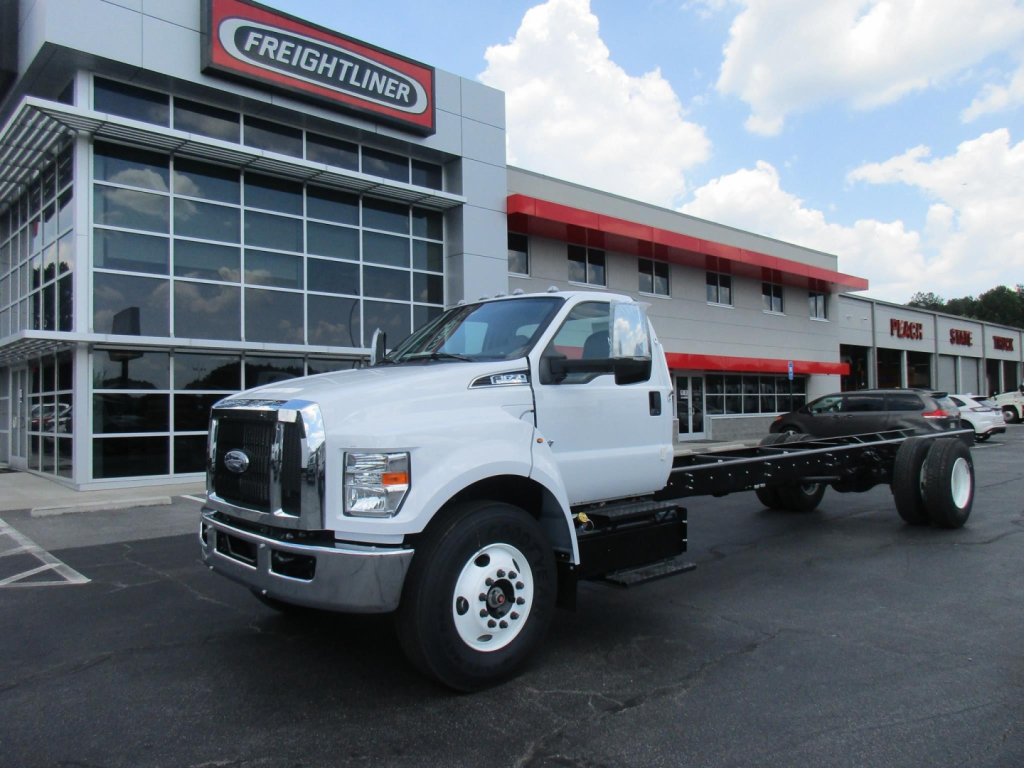
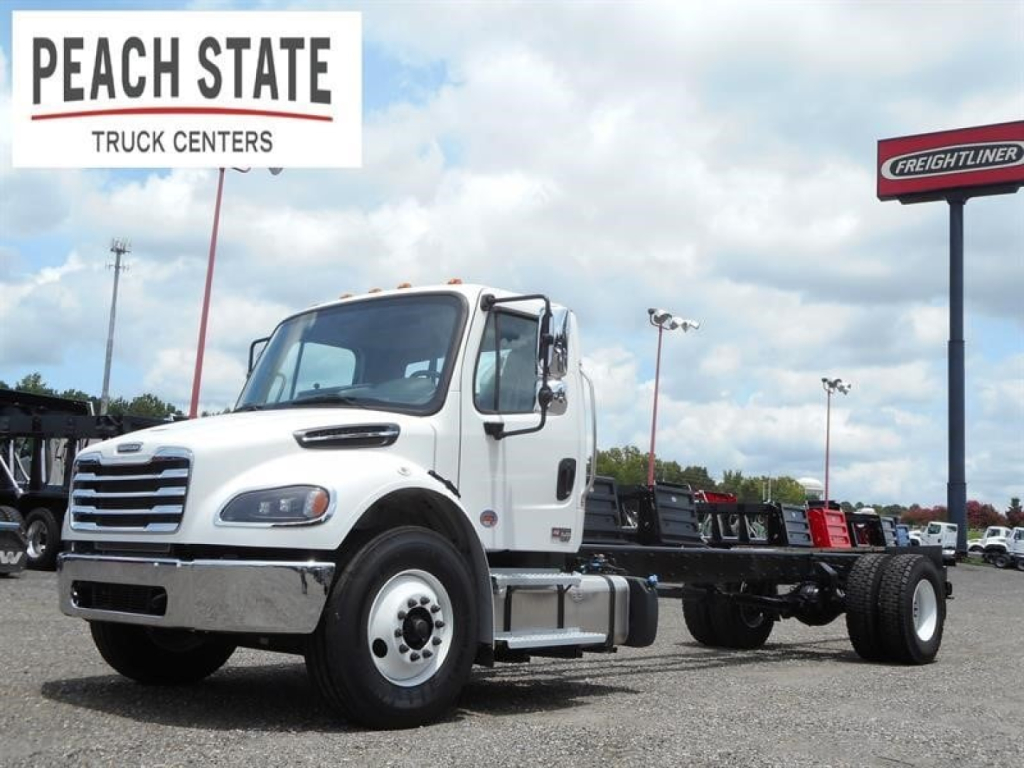
2027 Freightliner M2 106
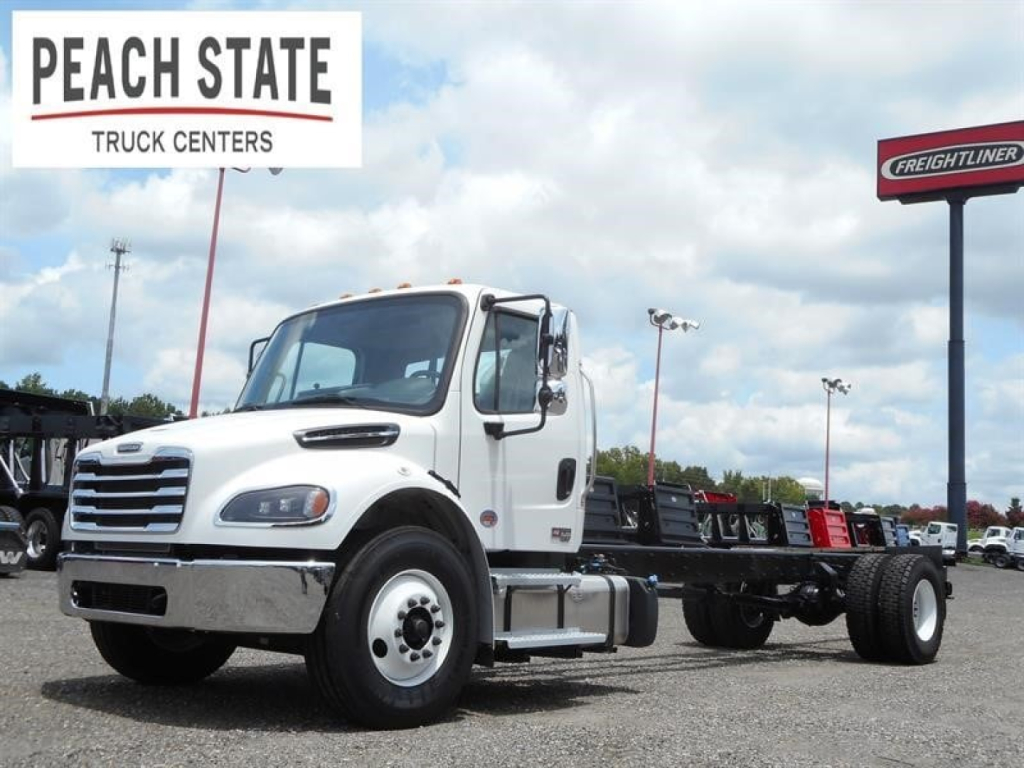
2027 Freightliner M2 106
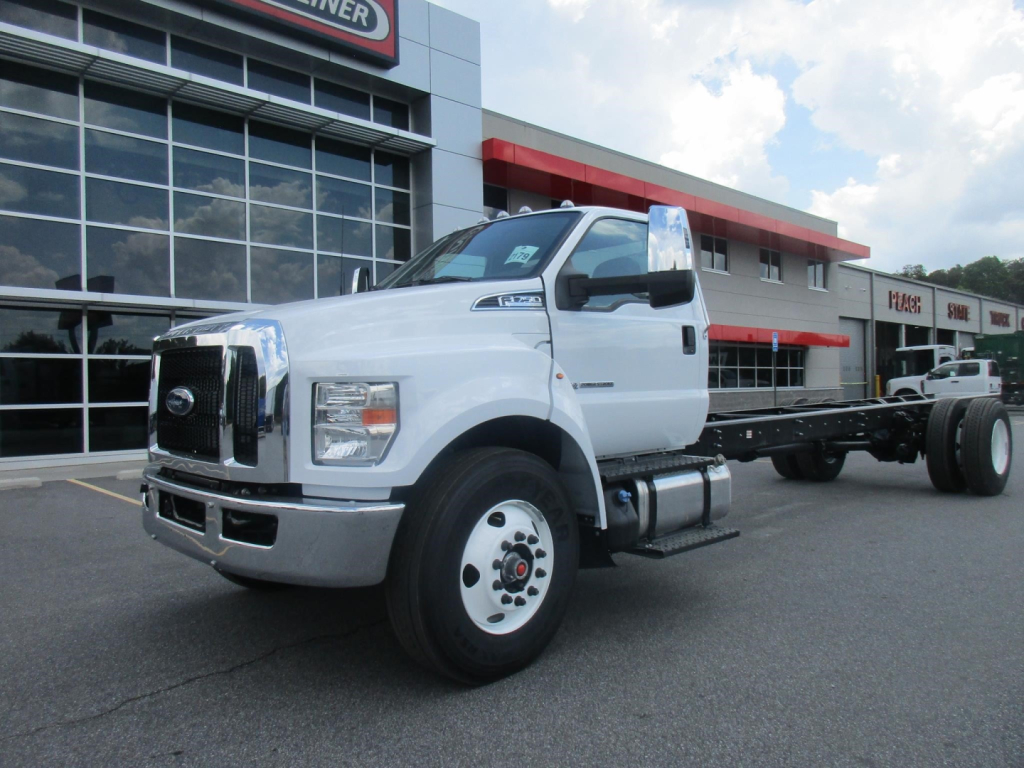
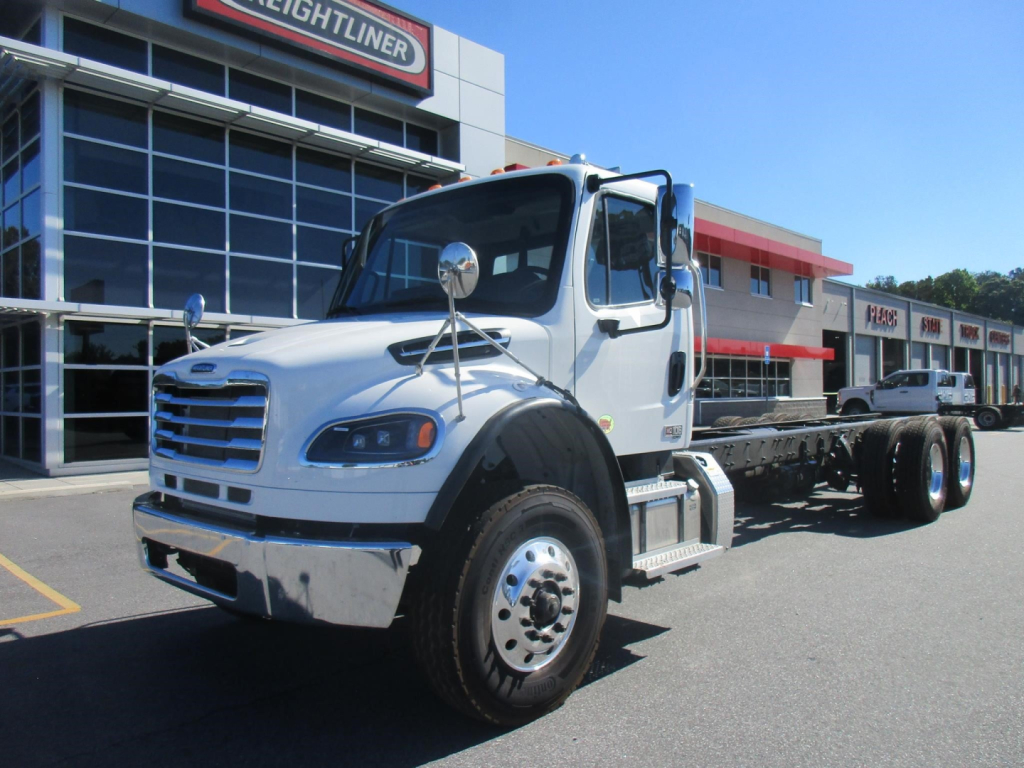
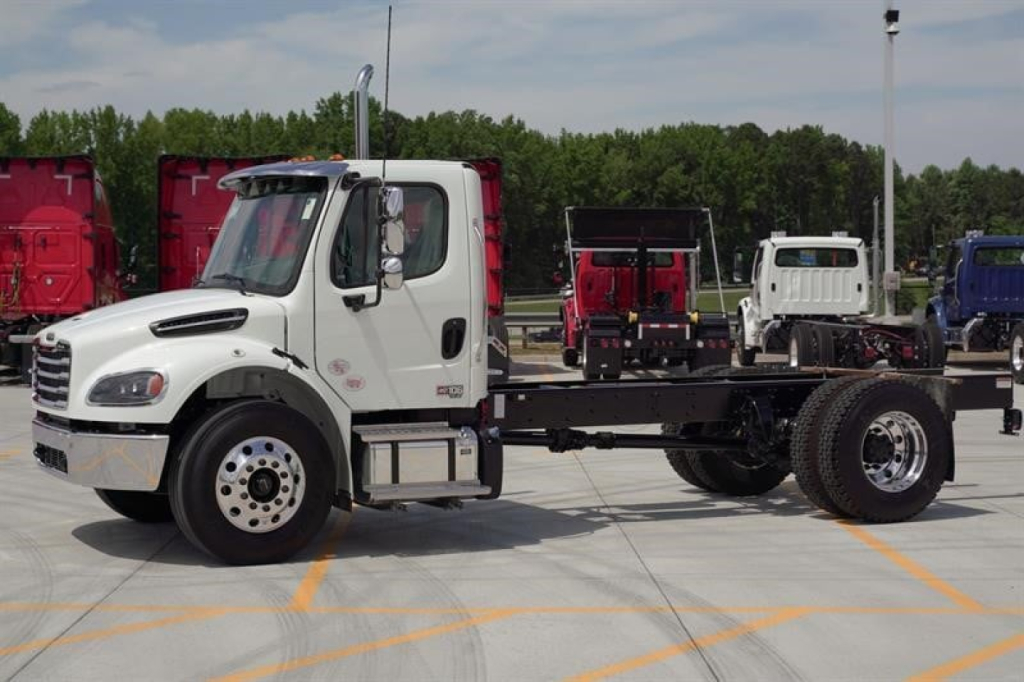
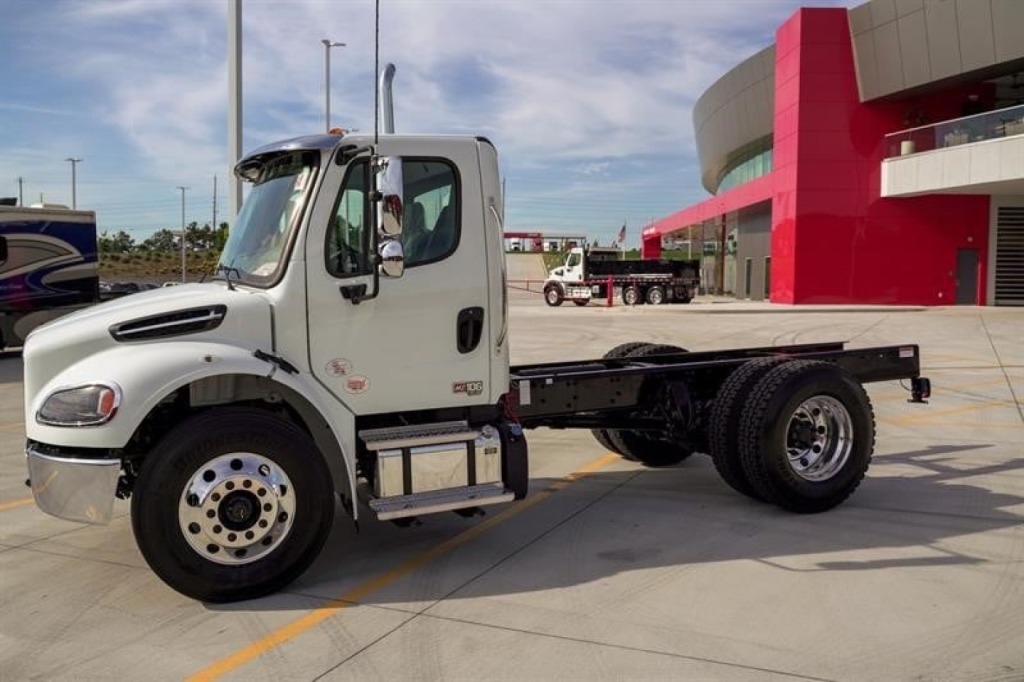
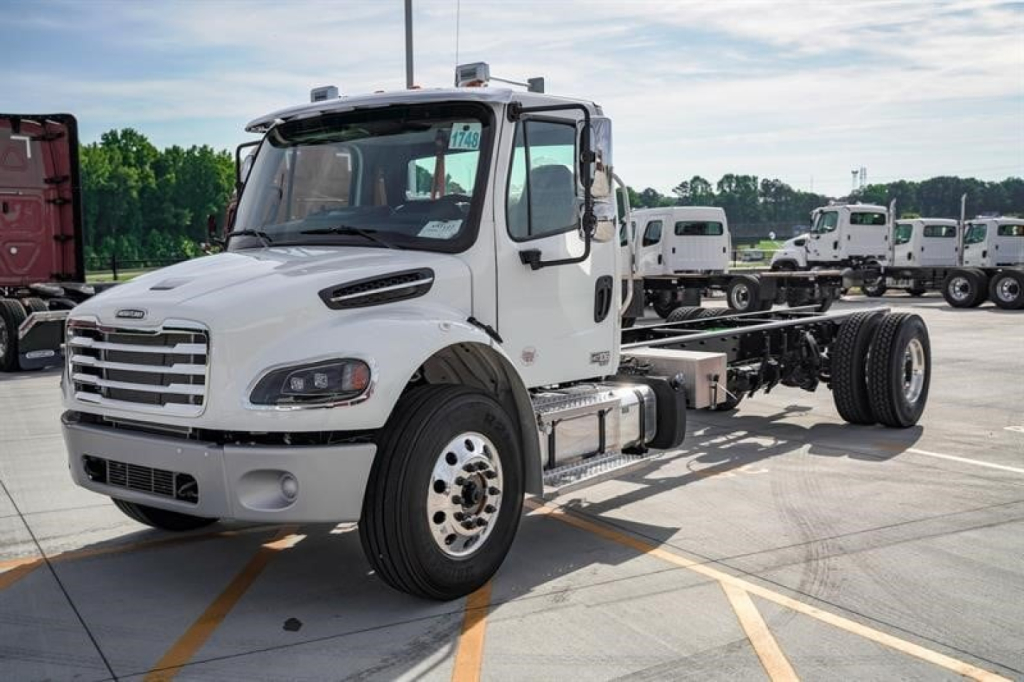
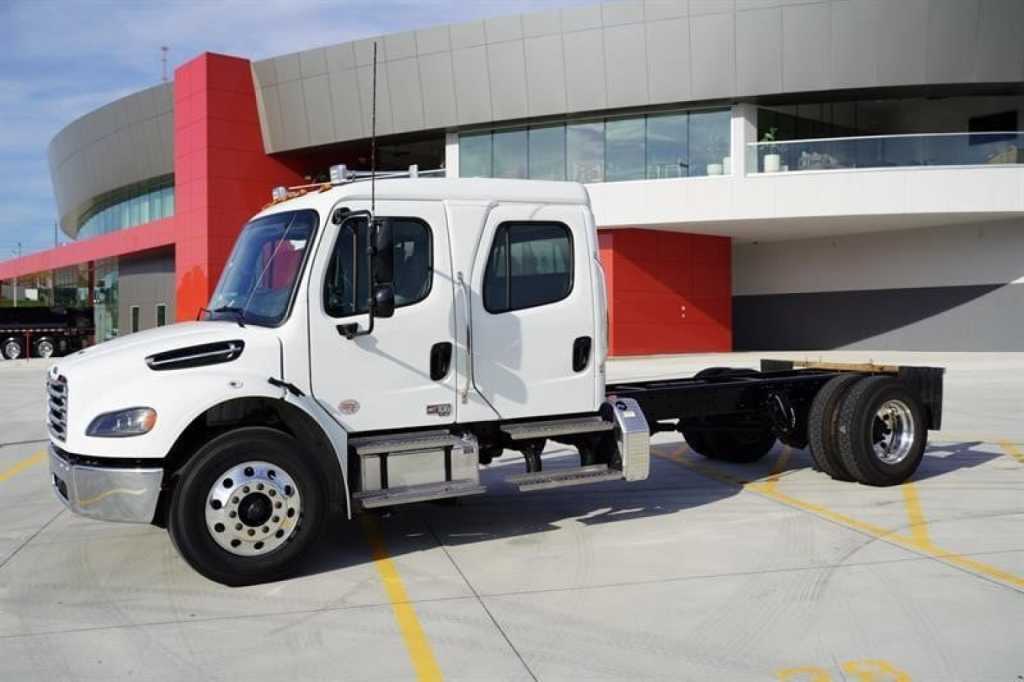
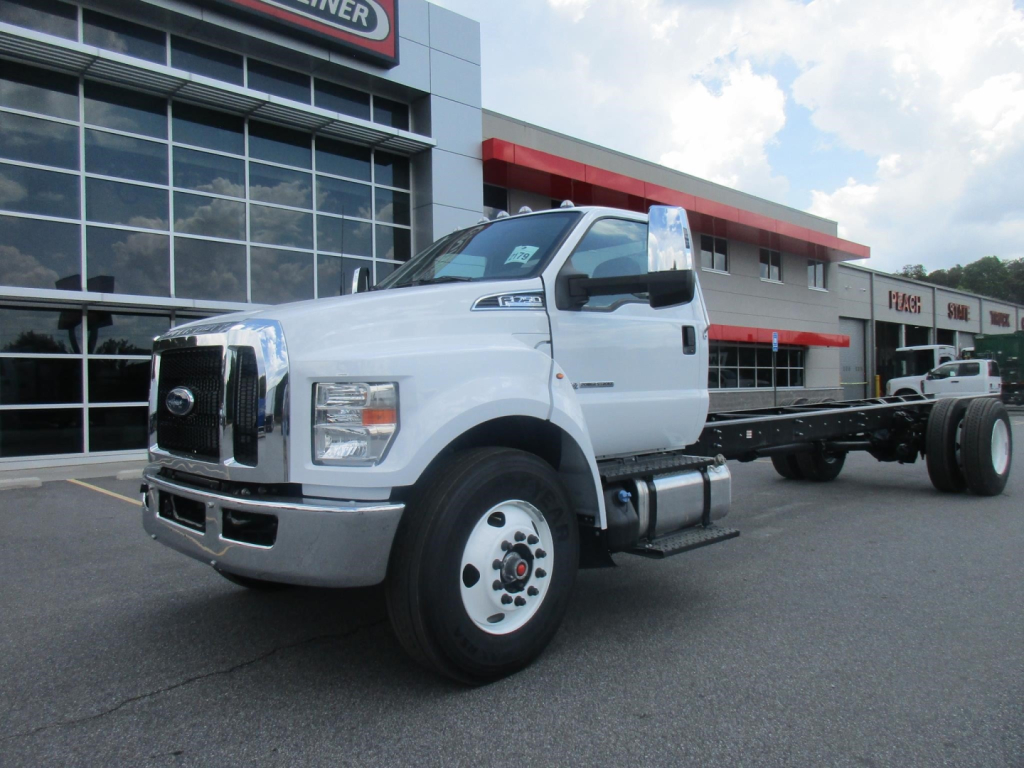
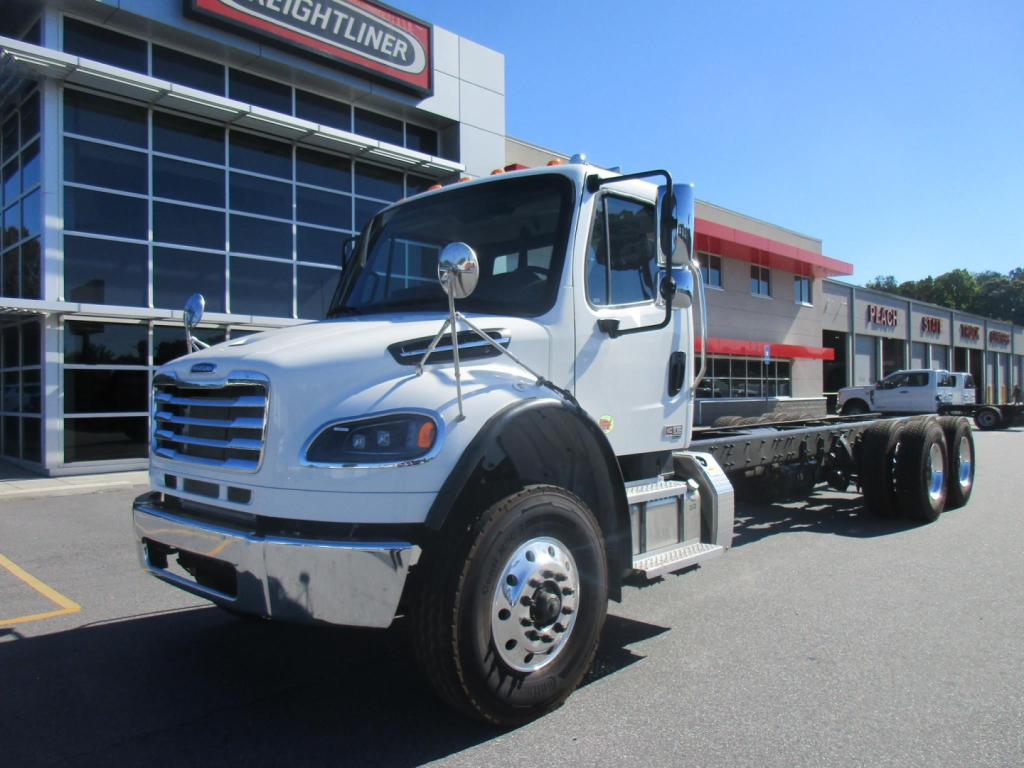
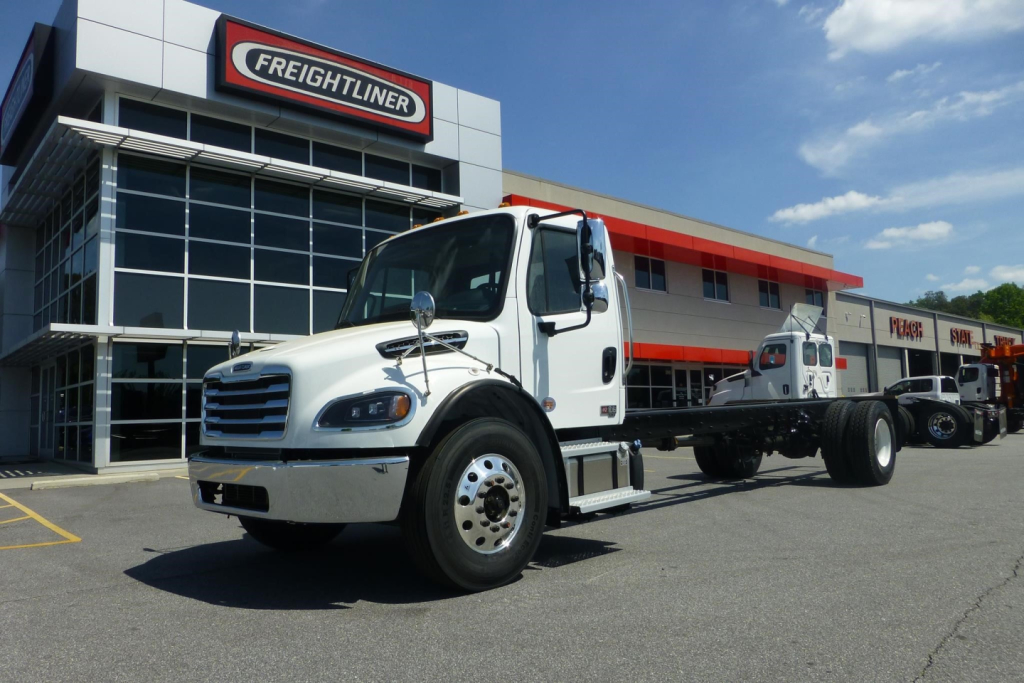
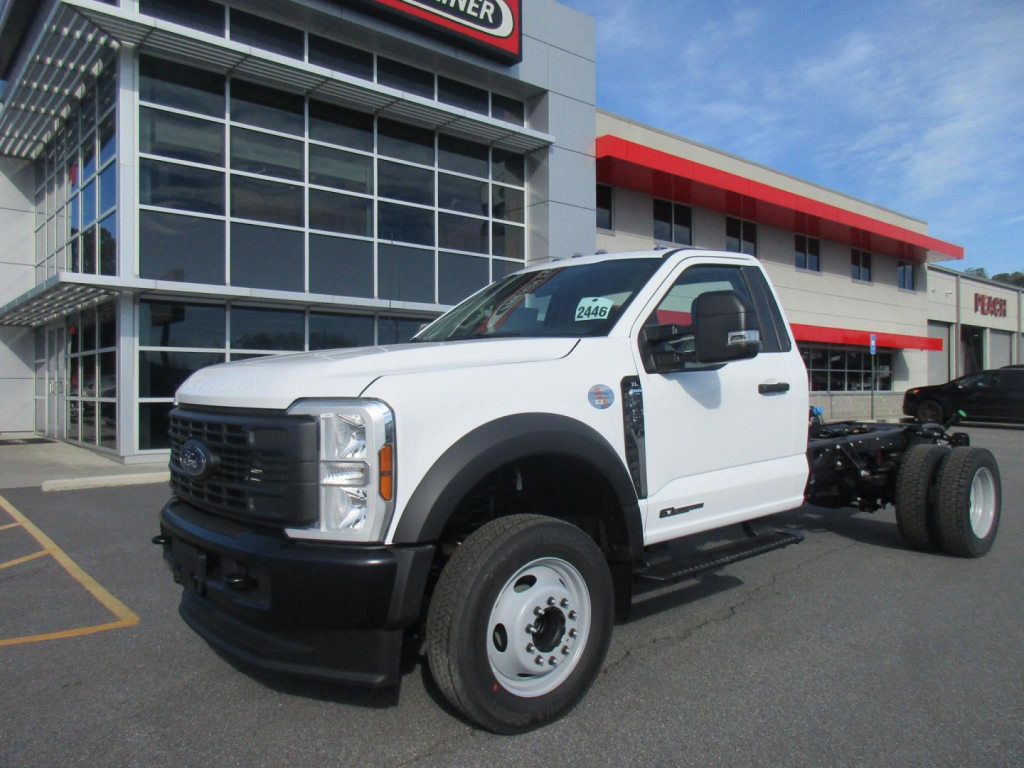
Selling a new cab and chassis truck? List your new cab and chassis truck for sale and reach thousands of commercial buyers.
New Cab and Chassis Trucks in Georgia
The first decisions are usually size class and powertrain. On the lighter end, trucks such as a Ford F-350 or F-450 cab and chassis are common for 8 to 12 foot bodies, tighter jobsite access, and operations that want pickup-based serviceability. These units often run gas V8 or diesel engines with automatic transmissions and GVWRs in the 14,000 to 16,500 pound range. Moving up to medium-duty platforms like the Freightliner M2 106 brings more frame capacity, higher front and rear axle ratings, larger brakes, and better suitability for heavier vocational bodies or higher daily duty cycles. Buyers should compare wheelbase, cab-to-axle measurement, rear axle ratio, suspension type, and PTO compatibility before selecting a chassis, because those details determine what bodies can be mounted and how the truck will perform once fully equipped.
Upfit readiness is where a cab and chassis truck either saves time or creates problems. A chassis intended for a dump body may need the right frame spacing, fuel tank location, exhaust routing, and PTO provisions. A service truck may need enough cab-to-axle length for side packs, crane reinforcement, and compressor installation. A flatbed or stake body setup may prioritize payload, deck length, and trailer brake controls. For Georgia buyers, turning radius, cooling performance in summer heat, and highway gearing can be just as important as raw payload if the truck will split time between metro traffic and rural routes. New units also offer the advantage of current safety and driver-assistance features, updated interior ergonomics, and warranty coverage that can reduce early lifecycle cost for growing fleets.
A good cab and chassis spec is built backward from the finished truck, not forward from the badge on the grille. Confirm the intended body type, loaded body weight, material density, trailer requirements, and licensing implications before choosing GVWR. Check wheelbase against the body manufacturer’s recommended dimensions, and verify that axle ratings, tires, and suspension capacity still work after the body, tools, fuel, and crew are added. Buyers comparing new cab and chassis trucks in Georgia should focus on fit for the final application, because the right chassis becomes a durable revenue-producing asset and the wrong one can limit payload, body options, and resale value from day one.
Frequently Asked Questions about New Cab and Chassis Trucks in Georgia
What is a cab and chassis truck used for?
A cab and chassis truck is built to serve as the foundation for a vocational body. Common uses include dump trucks, flatbeds, stake beds, utility and service bodies, box or van bodies, rollback carriers, and specialty municipal or contractor upfits. The bare chassis lets the buyer match the truck to a specific application instead of compromising around a factory bed or prebuilt body.
How do I choose the right GVWR for a new cab and chassis truck?
Start with the finished truck weight, not the empty chassis weight. Add the body, mounted equipment, fuel, passengers, tools, materials, and any trailer tongue weight the truck will carry. The correct GVWR gives enough legal and practical capacity for the real job while keeping axle ratings, tires, wheels, and suspension within their limits. If the truck will regularly haul dense materials or support heavy equipment, a higher-capacity chassis is usually the safer long-term choice.
Why do wheelbase and cab-to-axle measurements matter on a chassis cab?
Wheelbase and cab-to-axle dimensions determine what body lengths can be installed and how the truck will balance weight across the axles. If the dimensions are wrong, the body may not fit properly, rear overhang may be excessive, or axle loading may become uneven once the truck is upfitted. Body manufacturers typically publish recommended cab-to-axle and frame requirements, so those measurements should be confirmed before a chassis is selected.
Is a light-duty chassis cab like an F-350 or F-450 enough, or should I move to a medium-duty truck?
That depends on body weight, payload, daily duty cycle, and operating environment. A light-duty chassis cab is often a strong fit for smaller flatbeds, service bodies, and lighter dump applications where maneuverability and lower acquisition cost matter. A medium-duty truck like a Freightliner M2 106 is better suited for heavier bodies, higher annual mileage, more demanding vocational work, and applications that need stronger frames, larger brakes, and higher axle ratings.
What should Georgia buyers pay attention to when shopping for a new cab and chassis truck?
Georgia buyers should look closely at cooling capacity, gearing, and maneuverability because many trucks see a mix of summer heat, stop-and-go city traffic, highway travel, and rural jobsite work. The right axle ratio and transmission setup can improve launch performance with a loaded body while still keeping road speed comfortable. It is also important to confirm that the chassis is ready for the intended upfit, including PTO provisions, frame clearances, fuel tank placement, and trailer equipment if towing is part of the operation.