
New Ford Cab and Chassis Trucks For Sale in Georgia
New Ford cab and chassis trucks in Georgia, F-350 to F-750, upfit-ready frames, PTO options, corrosion protection, and strong payload capacity rating.
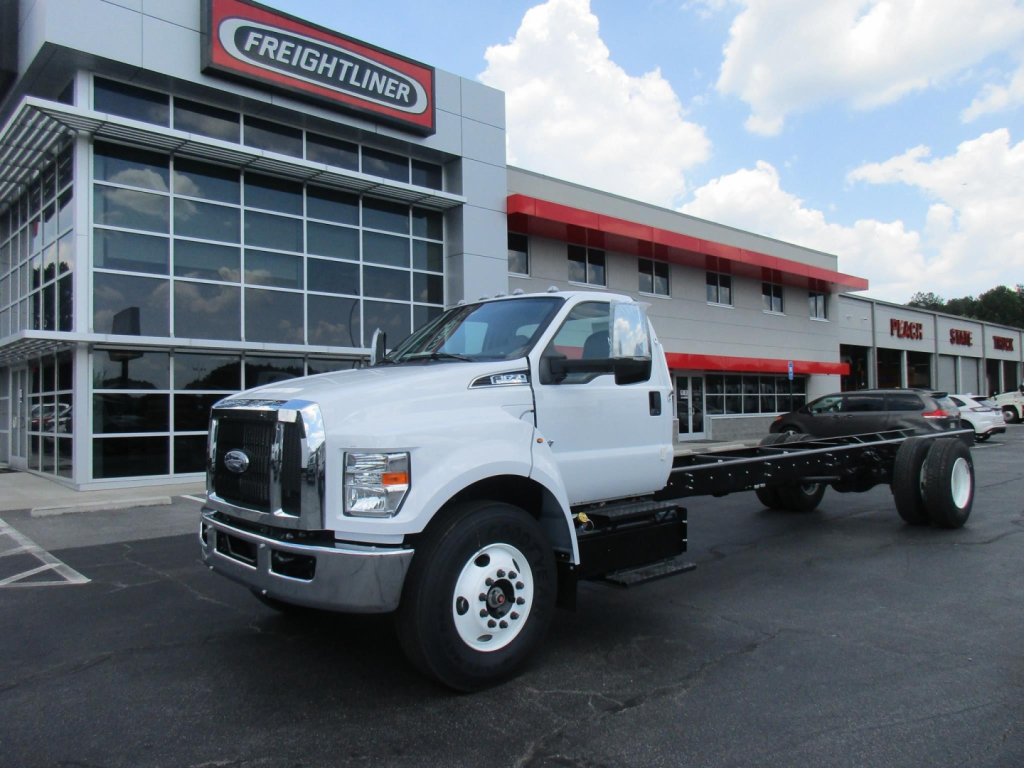
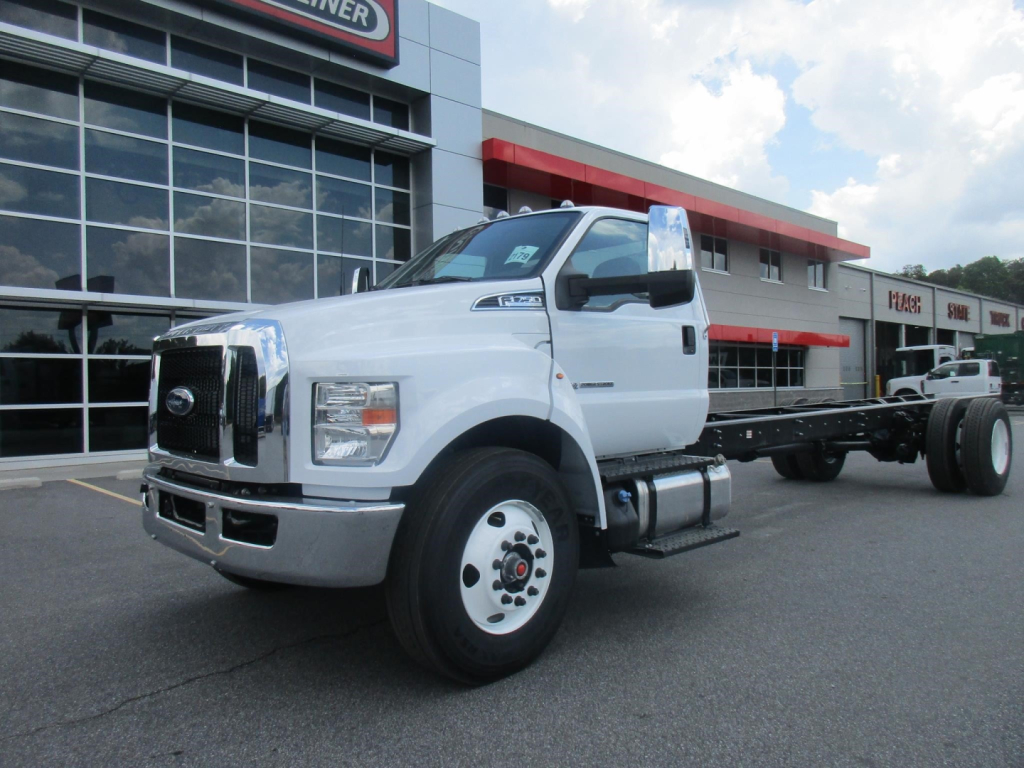
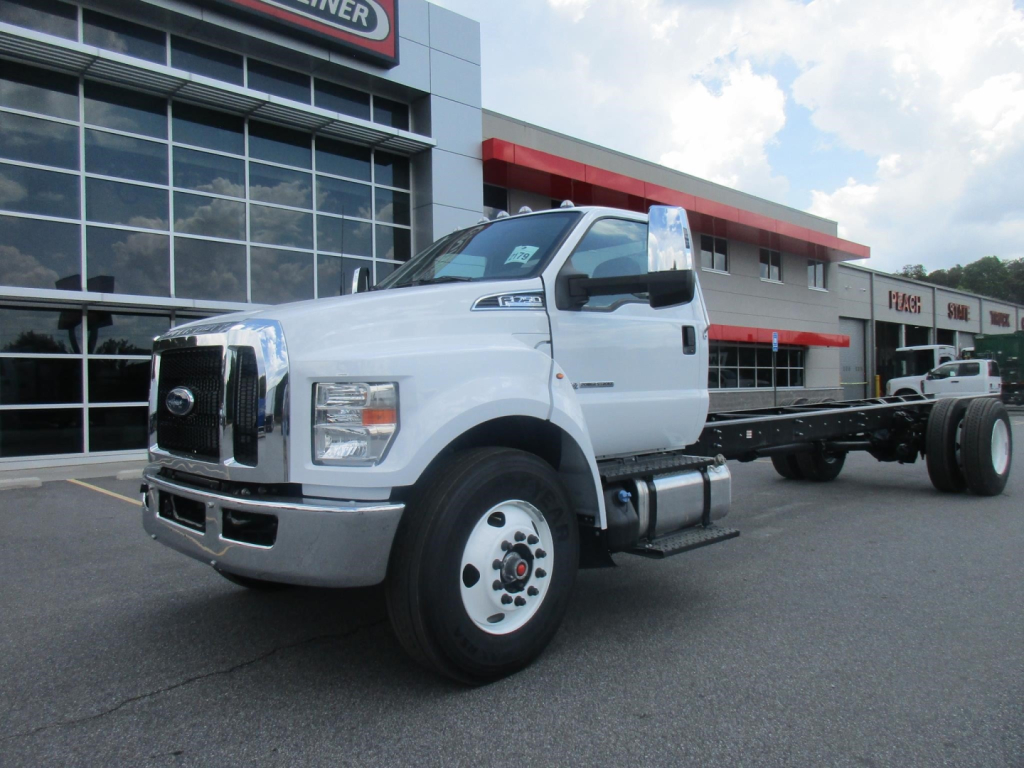
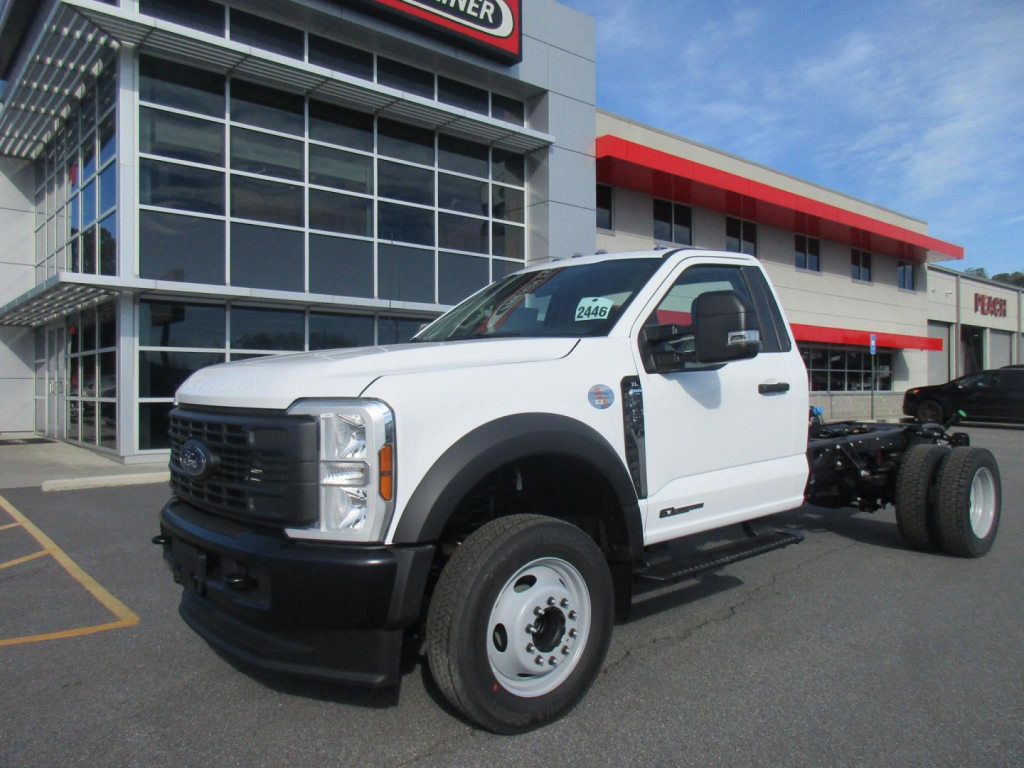
Selling a new ford cab and chassis truck? List your new ford cab and chassis truck for sale and reach thousands of commercial buyers.
New Ford Cab and Chassis Trucks in Georgia
Spec decisions start with GVWR, axle ratings, and RBM. Choose a frame section and rear axle that support body weight, payload, and any torsional loads from hoists or cranes. Verify rear frame height and overhang for proper departure angle and tow equipment. Fuel and DEF tank placement, battery box location, and exhaust routing should leave a clear CA for body mounts and PTO shafts. Ford’s upfitter interface module, dash upfitter switches, and programmable idle help streamline electrical integration for beacons, compressors, and hydraulic power packs without cutting into factory harnesses.
Powertrain options cover gas and diesel duty cycles. The 7.3L gas V8 offers strong low speed torque and lower upfront cost for regional and municipal fleets that rack up engine hours more than miles. The 6.7L Power Stroke diesel maximizes GCWR and fuel efficiency on longer routes and heavy tow work. TorqShift automatics provide PTO provisions on many configurations, including live drive on select diesel packages for stationary hydraulic operation. High capacity cooling, dual alternators, and idle management maintain thermal stability during PTO or slow job site work in summer heat.
Match CA to body length to keep axle loads within limits and avoid excessive rear overhang; common pairings include 84 inch CA for a 12 foot body, around 108 inch CA for a 14 foot body, and 120 inch CA for a 16 foot body, always verify with your body builder’s chart. Select axle ratios based on route profile and speed, steeper gears for stop and go or hilly North Georgia, taller gears for flatter highway corridors. Decide between DRW and SRW for footprint and payload, 4x2 for lower tare and height, 4x4 for sites with soft ground. On F-650 and F-750, consider hydraulic versus air brake systems, and factor CDL thresholds at 26,001 lb GVWR into driver requirements under Georgia regulations.
Frequently Asked Questions about New Ford Cab and Chassis Trucks in Georgia
How do I choose the right GVWR and axle ratings for a Ford cab and chassis build?
Start with a realistic body weight plus payload target, then add tools, fuel, and hitch or PTO equipment to find your true operating weight. Size GVWR and axle ratings so your worst case front and rear axle loads remain under GAWR with a margin, not just under the total GVWR. For cranes, hoists, and dumps, look at frame RBM and section modulus, and spec heavier springs, stabilizers, and appropriate tires to control roll and meet upfitter requirements.
What CA and wheelbase do I need for common body lengths like 12, 14, or 16 feet?
A typical guideline is 84 inch CA for a 12 foot body, about 108 inch CA for a 14 foot body, and around 120 inch CA for a 16 foot body. These are starting points only. Final CA depends on body design, front axle set, rear frame height, and desired hitch or liftgate overhang. Always confirm with the body builder’s chart and verify axle load distribution with the chosen wheelbase and component placements such as fuel, DEF, and batteries.
Should I choose the 7.3L gas V8 or the 6.7L Power Stroke diesel for Georgia duty cycles?
Pick gas if your routes are short, idle time is high, and annual miles are modest, since it reduces upfront cost and simplifies emissions service. Choose diesel for higher GCWR, better fuel efficiency on longer routes, frequent towing, and intensive PTO use. In hot Georgia summers, both engines benefit from high capacity cooling and proper idle management; diesel live drive PTO options can be a major advantage for continuous hydraulic work.
What PTO and electrical options help with hydraulic or accessory power on Ford chassis cabs?
TorqShift transmissions offer PTO provisions on many models, with live drive available on select diesel applications for stationary work without clutching. Add dual alternators and higher amp outputs when running cranes, compressors, or liftgates. Ford’s upfitter interface module and factory upfitter switches allow clean integration of circuits and logic for interlocks, strobes, and work lights without splicing into the factory harness, improving reliability and warranty alignment.
How does corrosion protection and tare weight affect long term value in Georgia?
Aluminum cabs and e-coated frames reduce corrosion from humidity and coastal exposure, and sealed connectors protect electrical integrity. Lower tare weight from aluminum and efficient frame designs increases payload, which can reduce trips or allow heavier equipment on the same chassis. Consider stainless or composite body options, proper undercoating, and regular washdowns if operating near the coast, and specify tire and wheel materials that balance weight with durability.