
New 2026 Ford Cab and Chassis Trucks For Sale in Georgia
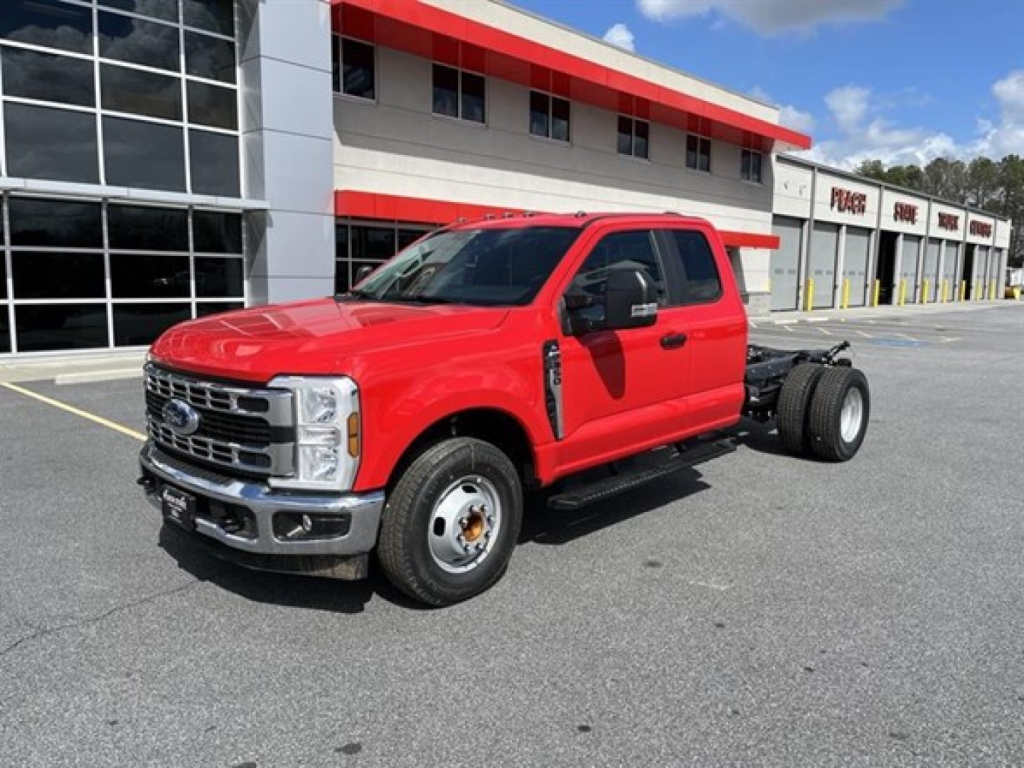
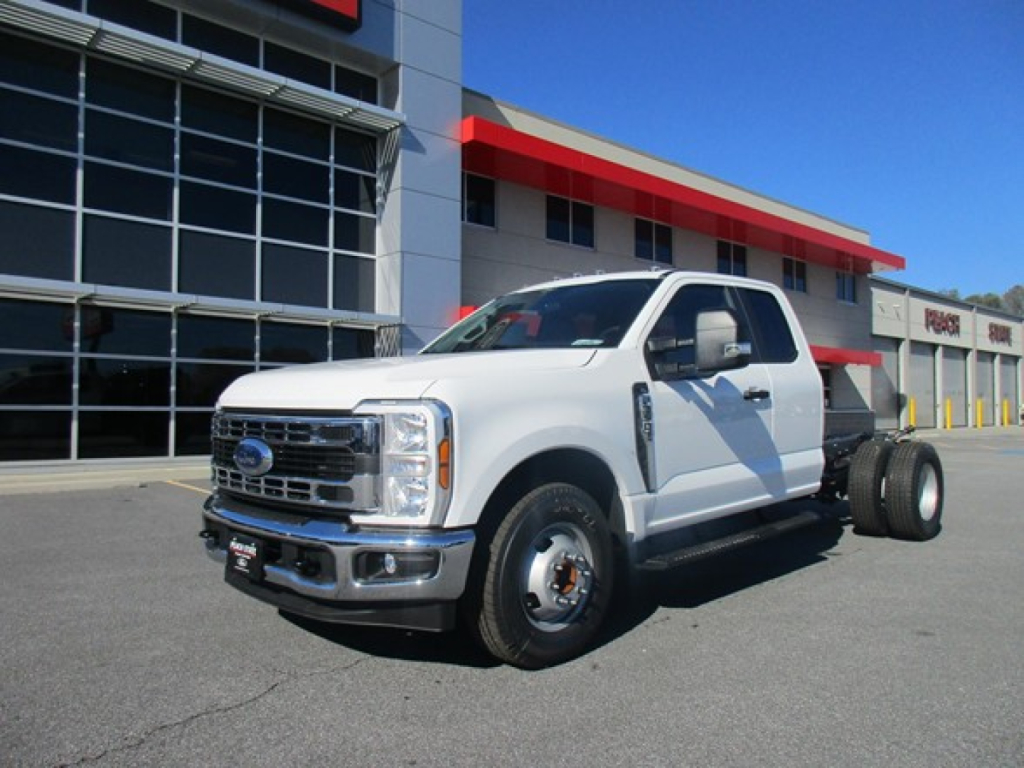
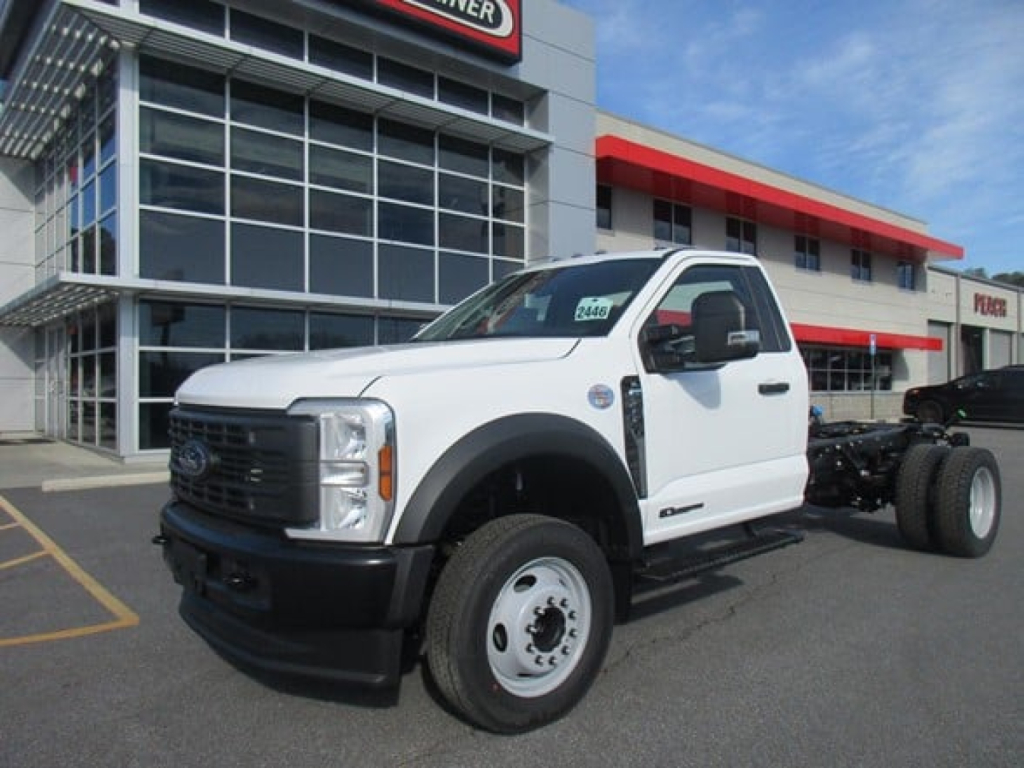
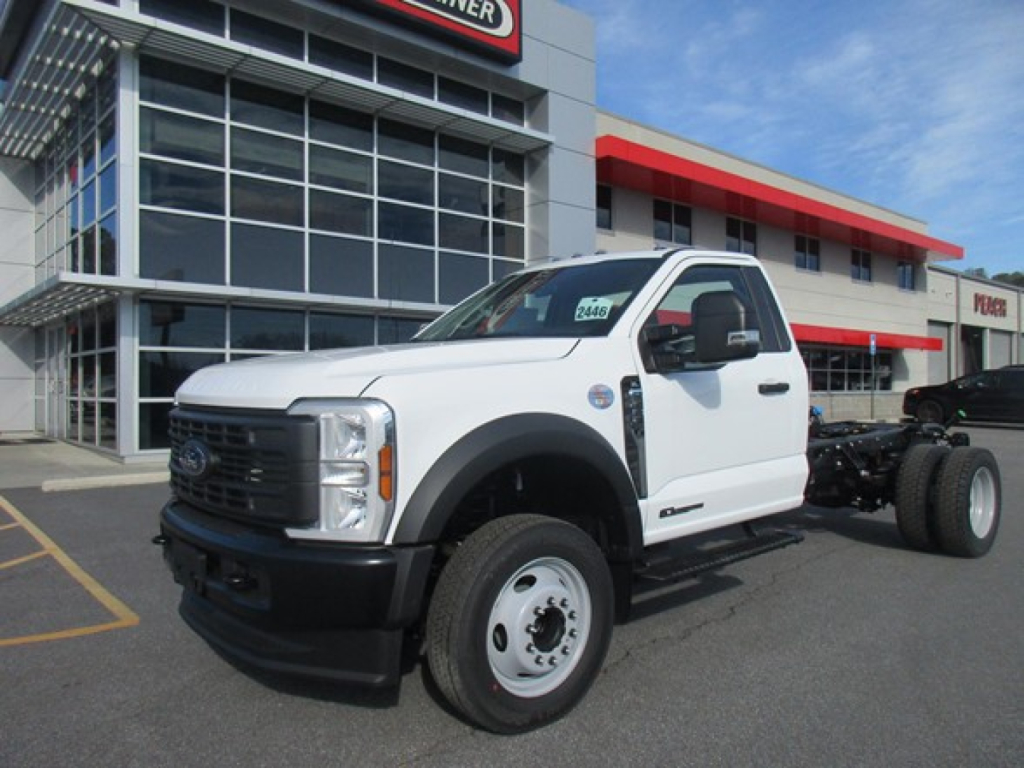
Shop 2026 Ford cab and chassis trucks in Georgia, including F-350 and F-450 models built for flatbeds, dumps, service bodies, and van bodies.
Have new 2026 ford cab and chassis truck to sell? List it here to reach thousands of buyers.
New 2026 Ford Cab and Chassis Trucks in Georgia
On lighter commercial builds, the F-350 chassis cab is a common fit when you need a 14,000 lb GVWR class truck for an 8 to 9 foot body and straightforward operating costs. Ford’s 7.3L V8 gas engine is popular in this range because it keeps initial cost lower, simplifies maintenance for many fleets, and delivers strong low-speed torque for local hauling and utility work. Moving up to an F-450 chassis cab typically brings a higher GVWR, often around 16,500 lbs in this class, making it better suited for heavier dump applications, longer flatbeds, and van body installs where body weight and cargo weight add up quickly. The 6.7L Power Stroke diesel is a common choice when towing, higher annual mileage, or sustained loaded operation matter more than acquisition cost.
Ford chassis cabs are typically ordered with practical fleet features rather than cosmetic packages. Buyers often look for the 10-speed automatic transmission, integrated trailer brake controller, rear view camera or camera prep, engine block heater, tow package, power windows and locks, and remote start depending on the assignment. Wheelbase matters as much as engine choice. A 168-inch wheelbase, for example, is a common starting point for 8 to 9 foot flatbed, stake, service, or dump upfits, while longer body plans on an F-450 may support 10 foot dump bodies or 12 foot flatbed and van body installations. In Georgia, that makes these trucks a strong fit for contractors, landscape operations, municipalities, utility crews, equipment rental fleets, and regional delivery applications that need a new chassis ready for a specific body builder.
The best way to compare 2026 Ford cab and chassis trucks is to match the truck to the final upfit, not just the badge on the fender. Confirm the rear axle ratio, payload after body installation, CA dimension, suspension rating, PTO compatibility if required, and trailer tow requirements before buying. A properly spec'd Ford chassis cab gives you a cleaner upfit process, better weight distribution, and fewer compromises once the body is mounted and the truck goes to work.
Frequently Asked Questions about New 2026 Ford Cab and Chassis Trucks in Georgia
What is the difference between a Ford F-350 and F-450 cab and chassis truck?
The main differences are GVWR, axle and suspension capacity, and the type of body each chassis can realistically support. An F-350 chassis cab is often used for lighter commercial upfits such as 8 to 9 foot flatbeds, stake bodies, and service bodies where lower acquisition cost and simpler operating economics matter. An F-450 chassis cab carries a higher GVWR and is generally a better choice for heavier dump bodies, longer flatbeds, van bodies, and jobs that involve more trailer weight or sustained loaded use.
Is the 7.3L gas engine or 6.7L Power Stroke diesel better for a cab and chassis truck?
The 7.3L gas V8 is a strong fit for fleets that run local routes, lower annual mileage, or applications where maintenance simplicity and purchase price are priorities. The 6.7L Power Stroke diesel makes more sense when the truck will tow regularly, operate at higher combined weights, or spend long periods under load. The right answer depends on duty cycle, annual miles, body weight, and whether the truck is being spec'd for stop-and-go municipal work or heavier commercial hauling.
What body types are commonly installed on a Ford cab and chassis?
Ford cab and chassis trucks are commonly upfitted with flatbeds, stake beds, service bodies, dump bodies, utility bodies, and van bodies. The correct body depends on the truck’s wheelbase, CA dimension, GVWR, and rear axle capacity. Matching the body length and body weight to the chassis is critical because an improperly matched upfit can reduce payload, hurt balance, and create clearance or handling issues.
What specs matter most when buying a new cab and chassis truck?
The most important specs are GVWR, wheelbase, cab-to-axle measurement, engine, transmission, rear axle ratio, and suspension capacity. Those numbers determine what body can be mounted, how much payload remains after upfit, and how the truck will perform once loaded. Buyers should also confirm towing equipment, brake controller availability, camera provisions, and any PTO or electrical requirements before sending the chassis to a body installer.
Why are cab and chassis trucks popular in Georgia fleets?
Georgia fleets often need versatile trucks that can be tailored to construction, landscape, utility, municipal, and delivery work. A cab and chassis platform lets the buyer start with a new factory chassis and match it to a body built for local operating conditions and jobsite demands. That flexibility is especially useful for businesses that want one truck class to support multiple applications across urban routes, rural service areas, and contractor jobs.