
New 2026 Ford Cab and Chassis Trucks For Sale
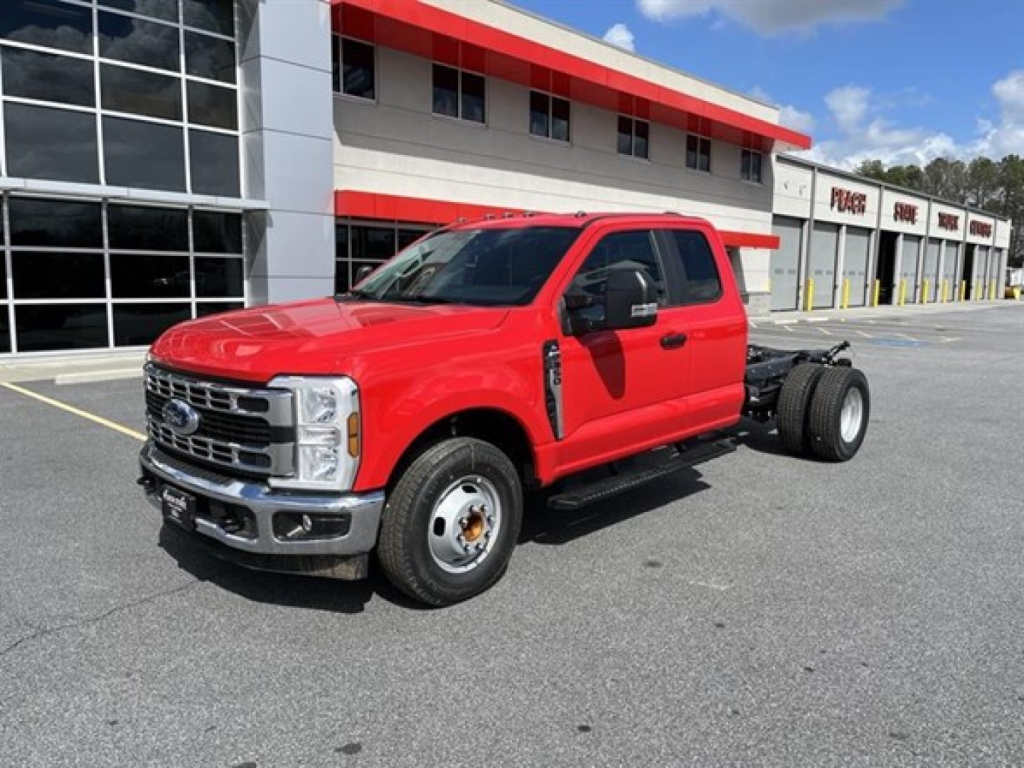
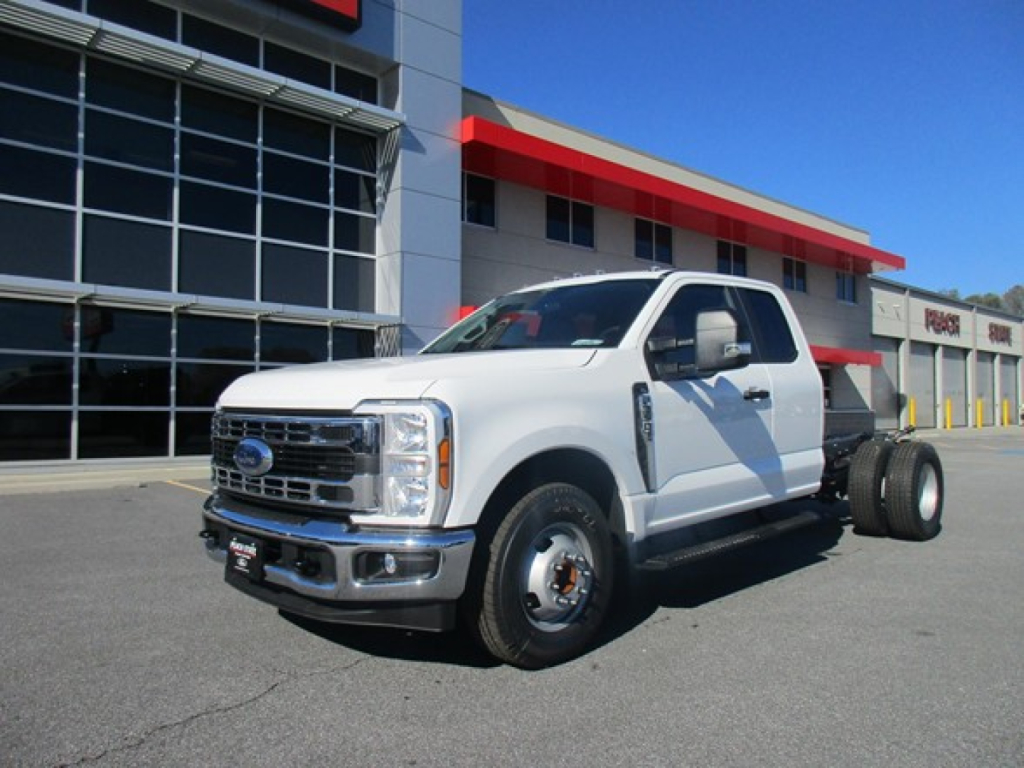
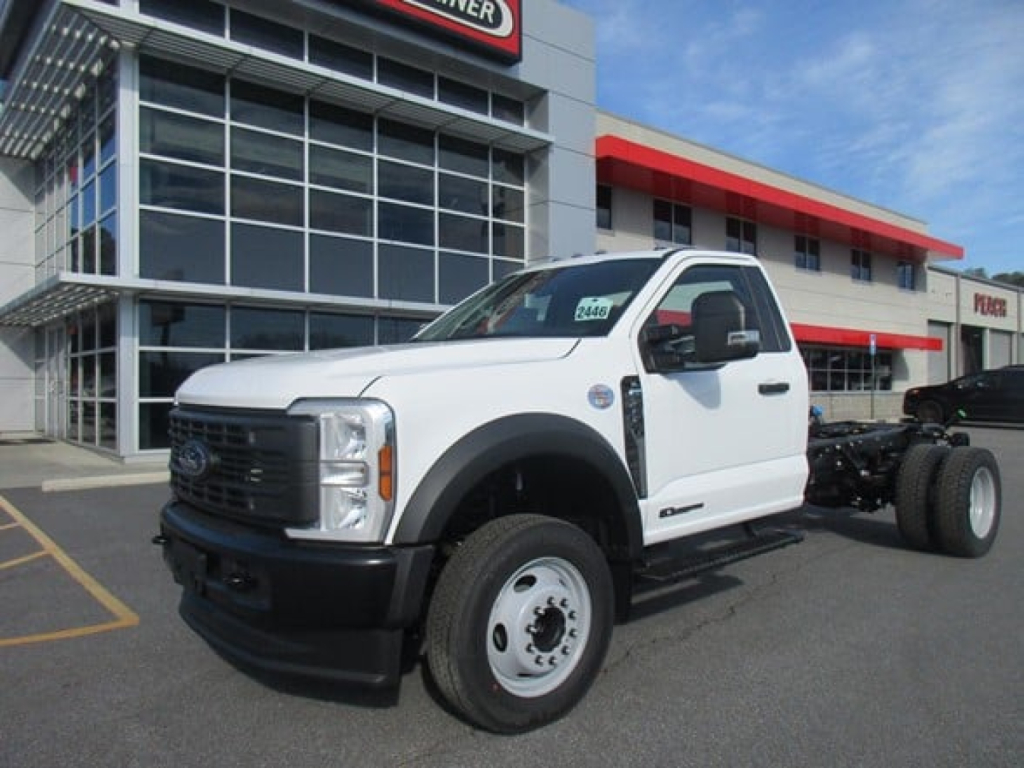
Shop new 2026 Ford cab and chassis trucks with flexible upfit options, diesel or gas power, and GVWRs suited for dump, flatbed, and service work.
Have new 2026 ford cab and chassis truck to sell? List it here to reach thousands of buyers.
New 2026 Ford Cab and Chassis Trucks
Powertrain choice matters because it changes operating cost, payload balance, and intended duty cycle. The 7.3L V8 gas engine is a practical fit for fleets that want lower upfront cost, simpler maintenance, and strong performance for municipal, contractor, and local delivery applications. The 6.7L Power Stroke diesel is the better match for heavier towing, higher annual mileage, or jobs that spend more time loaded. Ford’s 10-speed automatic transmission is a major part of the package in either setup, helping keep the truck in the power band and making it easier to live with in stop-and-go work or on mixed highway routes. Buyers comparing specs should look closely at rear axle ratio, trailer tow package content, PTO compatibility if needed, and whether the suspension is matched to the finished body weight.
Body planning is where a cab and chassis purchase is won or lost. A truck with a 168-inch wheelbase may be right for an 8- to 9-foot service or stake body, while a longer wheelbase or frame extension can support 12-foot-plus platform bodies or larger utility builds. Ford cab and chassis frames are popular with upfitters because they offer straightforward body installation and broad vocational compatibility. For dump applications, pay attention to hoist clearance, rear suspension capacity, and where the finished center of gravity will land once the body, toolbox, and material load are on the truck. For flatbed and van body use, confirm body length, overhang, and loaded axle distribution so the final build stays legal and stable.
New 2026 Ford cab and chassis trucks also tend to bring the everyday features that make work trucks easier to manage, including trailer brake controllers, rear camera systems or prep kits, towing packages, remote start, and power convenience options depending on trim and vocation. For cold-weather fleets, an engine block heater can be a meaningful spec. For towing and equipment-hauling operations, the difference between a basic chassis and a properly optioned one can be substantial. The right buyer should focus less on trim appearance and more on body-ready dimensions, front and rear GAWR, fuel type, and how the chassis will perform once fully upfitted. A cab and chassis truck is ultimately a platform, and the best one is the one that fits the body, payload, and route profile without compromise.
Frequently Asked Questions about New 2026 Ford Cab and Chassis Trucks
What is the difference between a Ford cab and chassis truck and a pickup with a factory bed?
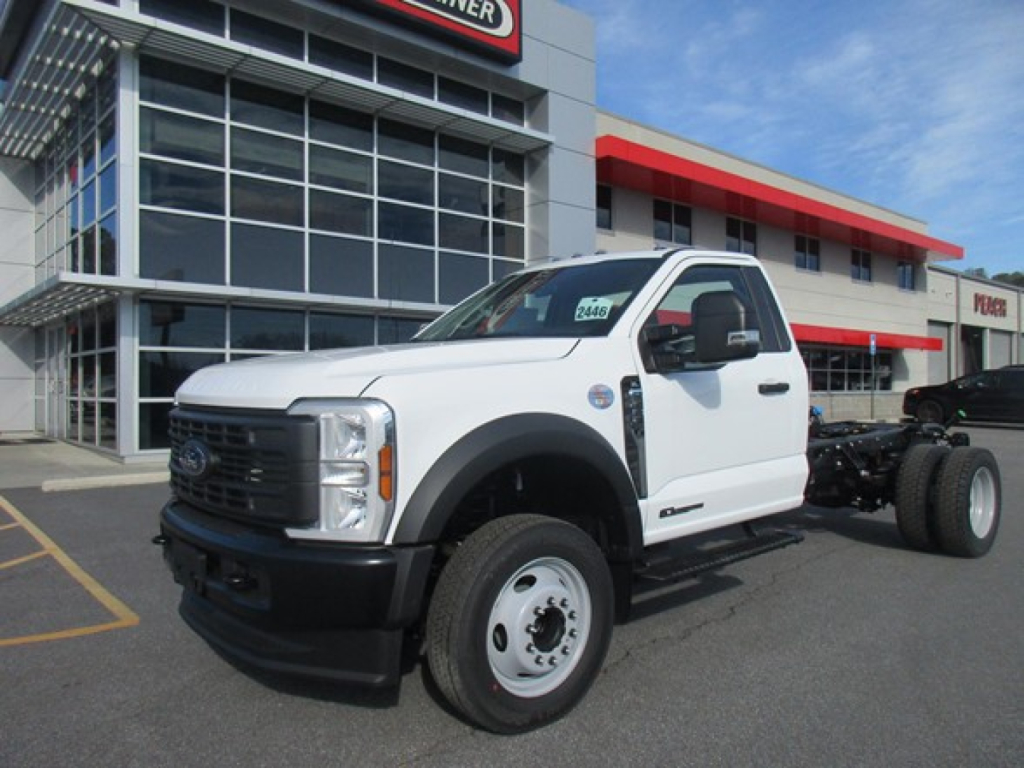
A Ford cab and chassis truck is delivered without a pickup box so it can be upfitted with a vocational body such as a flatbed, dump body, service body, utility body, stake body, or van body. It is designed around body installation, wheelbase selection, and chassis ratings rather than consumer bed features. In many work applications, a cab and chassis is the better choice because it allows the truck to be matched to the job instead of forcing the job to fit a standard pickup bed.
Which is better for a 2026 Ford cab and chassis, the 7.3L gas engine or the 6.7L Power Stroke diesel?
The 7.3L gas engine is often the right fit for local-duty fleets, contractors, and municipal users who want lower acquisition cost and simpler service. The 6.7L Power Stroke diesel makes more sense when the truck will tow heavy, run at higher combined weights, or log more miles under load. The best choice depends on duty cycle, annual mileage, terrain, idle time, and whether the truck will spend more of its life carrying a body payload or pulling equipment trailers.
How do I know what body length will fit a Ford cab and chassis?
Body fit is determined by wheelbase, cab-to-axle measurement, frame length, and the intended weight distribution after upfit. An 8- to 9-foot body may fit a shorter wheelbase chassis, while 10- to 12-foot or longer bodies usually require more wheelbase and careful axle placement. A buyer should confirm body length with the actual CA dimension and upfitter requirements instead of relying only on model name or GVWR.
What GVWR range is common on Ford cab and chassis trucks?
In this category, common Ford cab and chassis ratings often start around 14,000 pounds GVWR in an F-350 and move upward into heavier F-450 and F-550 configurations. The right GVWR depends on the finished body, cargo, passengers, tools, fuel, and trailer tongue weight if applicable. Buyers should also review front and rear GAWR because axle capacity matters just as much as total GVWR once the truck is fully built.
What should I check before buying a new cab and chassis for a dump or flatbed build?
Start with wheelbase, cab-to-axle, GVWR, rear axle rating, and engine choice. Then verify the body size, hoist requirements for a dump build, PTO or hydraulic needs, trailer brake controller, towing package, and any frame modifications required by the upfitter. It is also smart to estimate finished curb weight before the body is installed so you know the true payload and axle loading after the truck is completed.