
New Cab and Chassis Trucks For Sale in Texas
Shop new cab and chassis trucks in Texas for vocational upfits, including dump, utility, crane, service, tanker, and electric fleet applications.
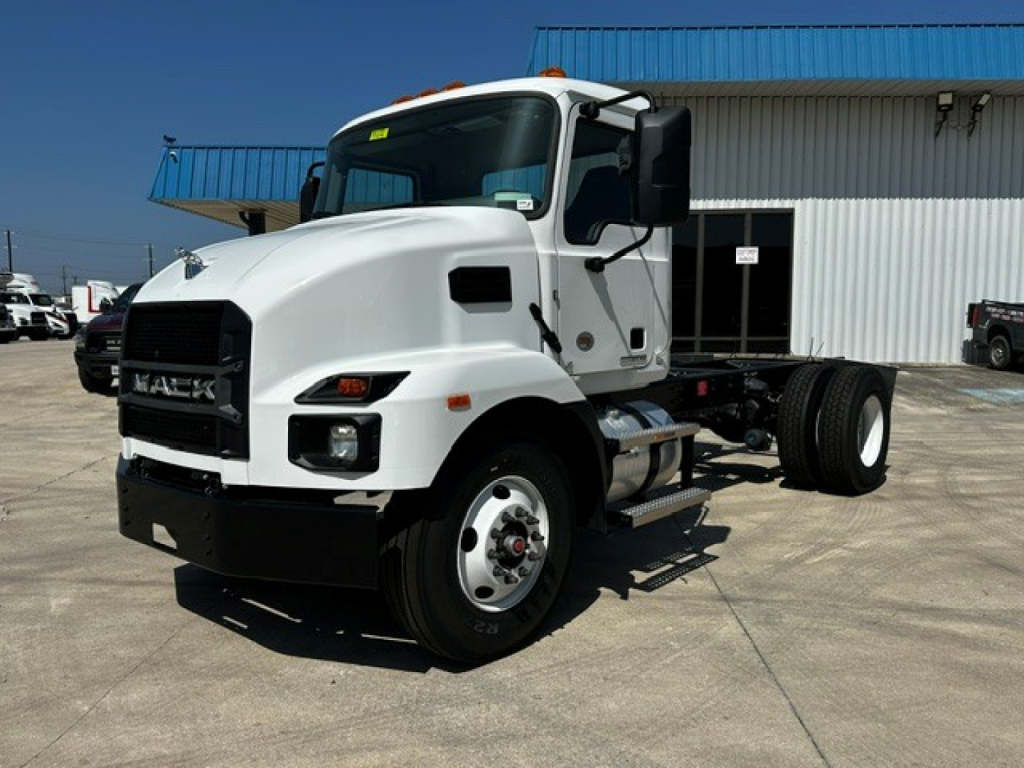
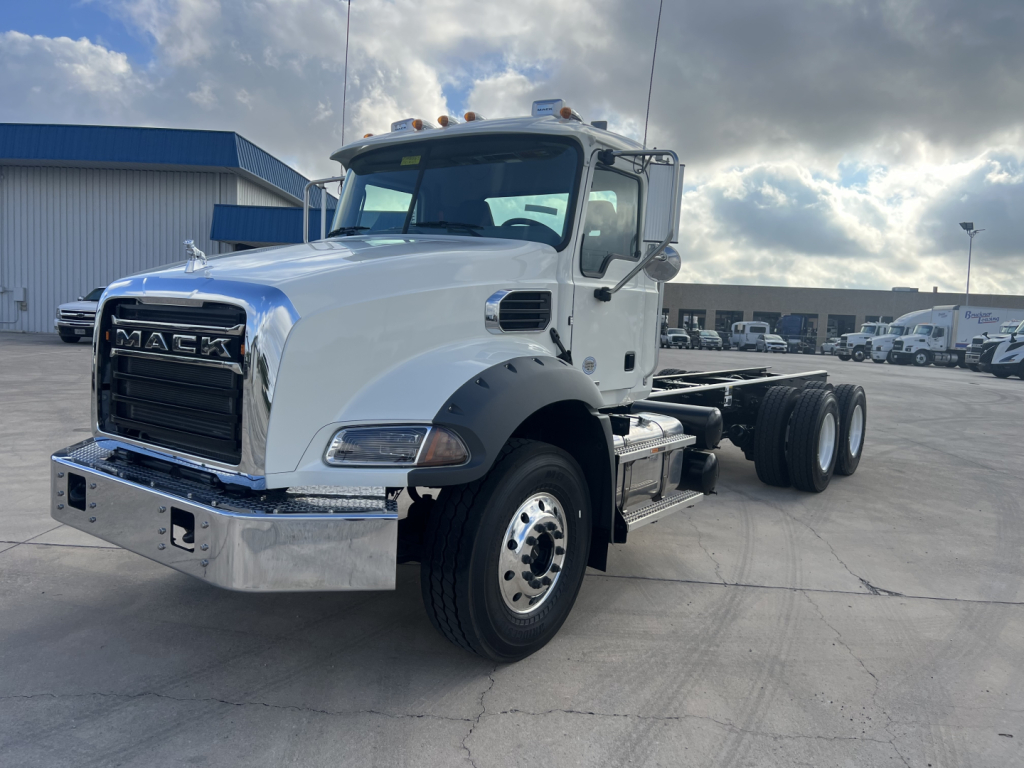
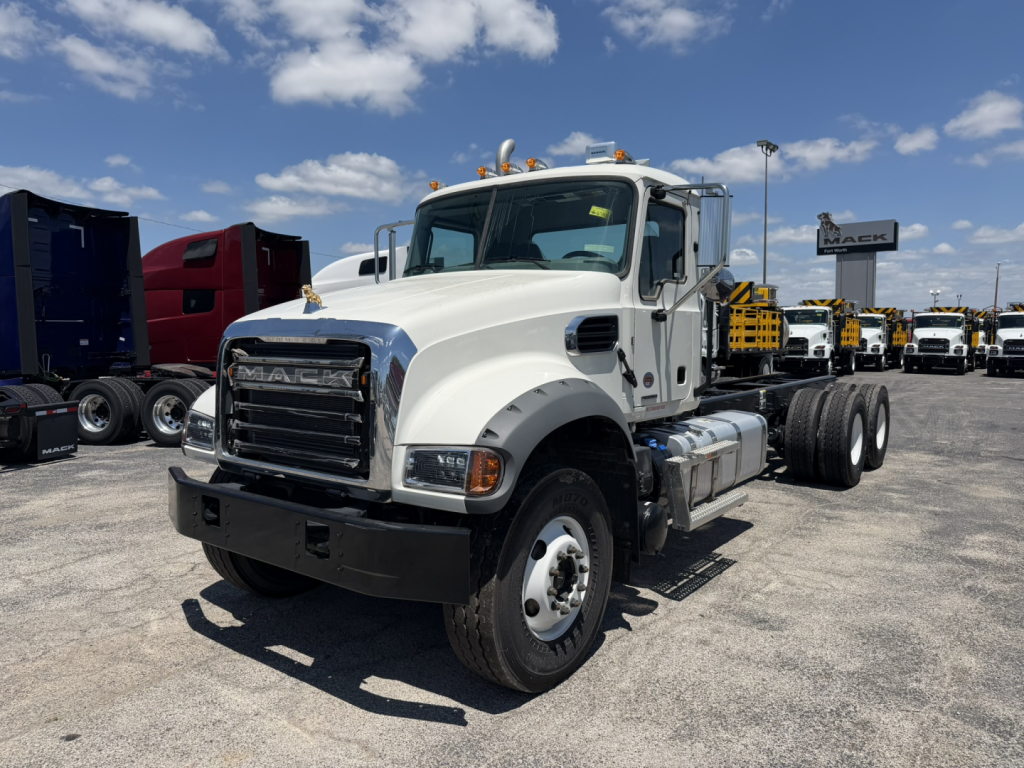
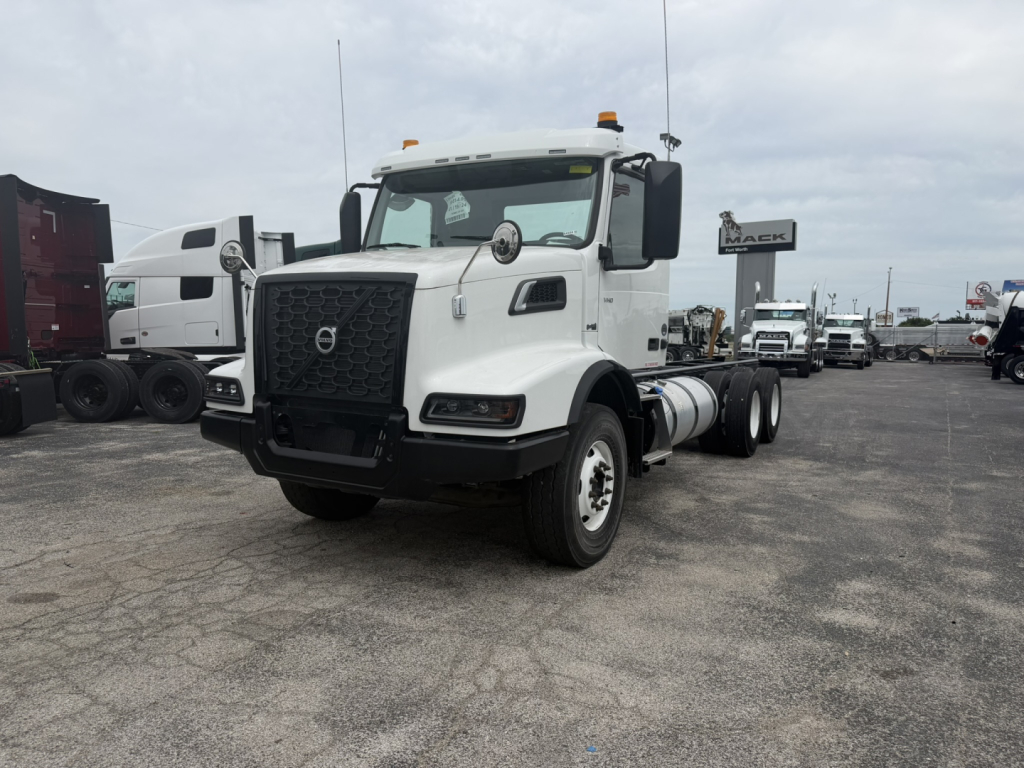
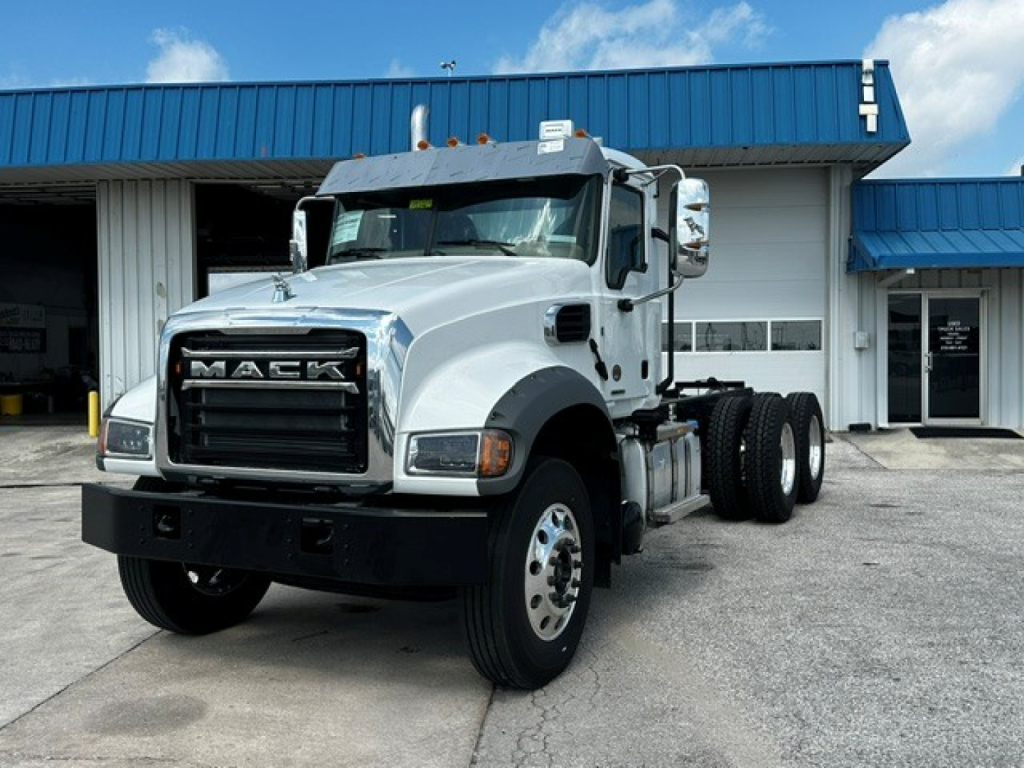
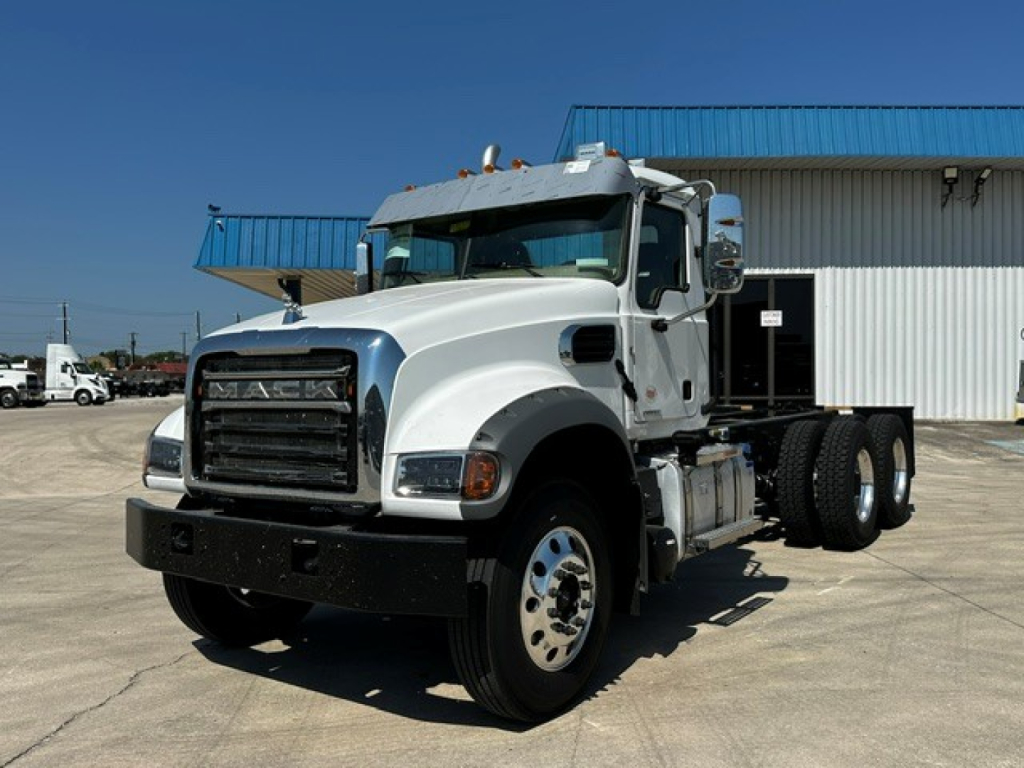
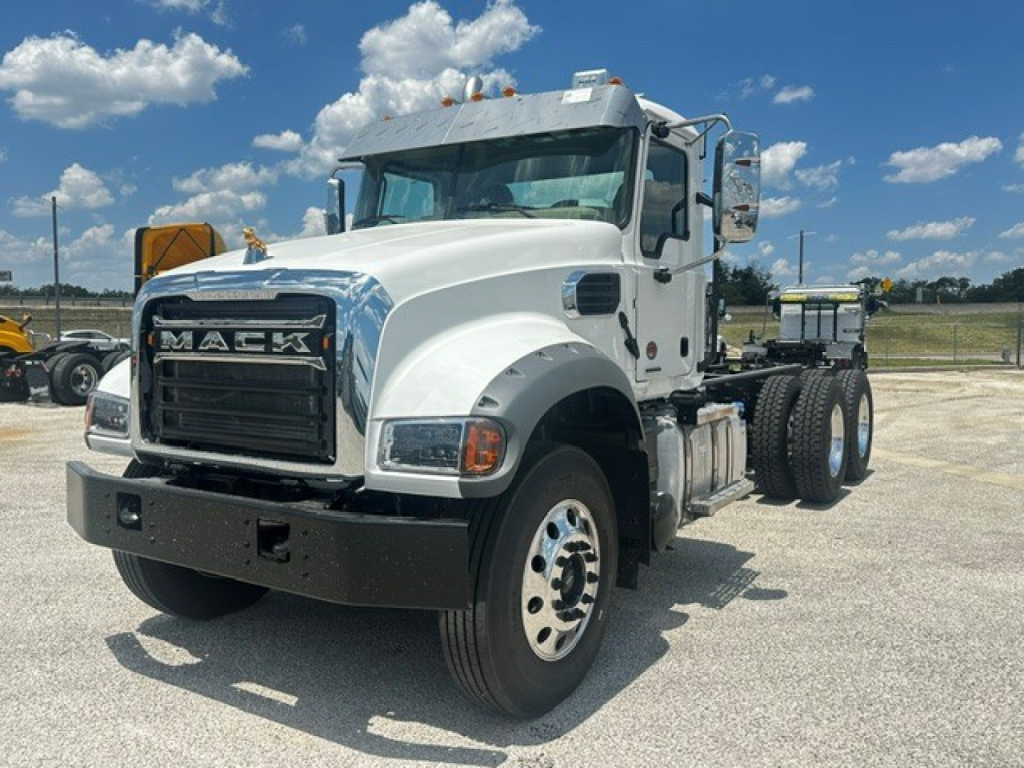
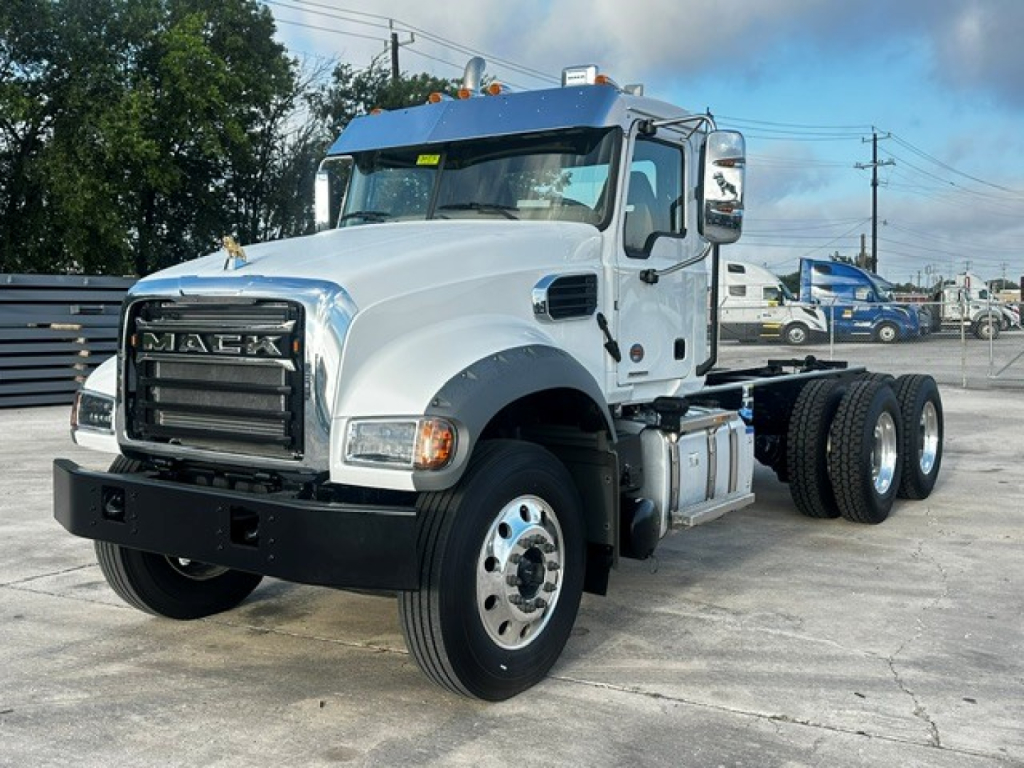
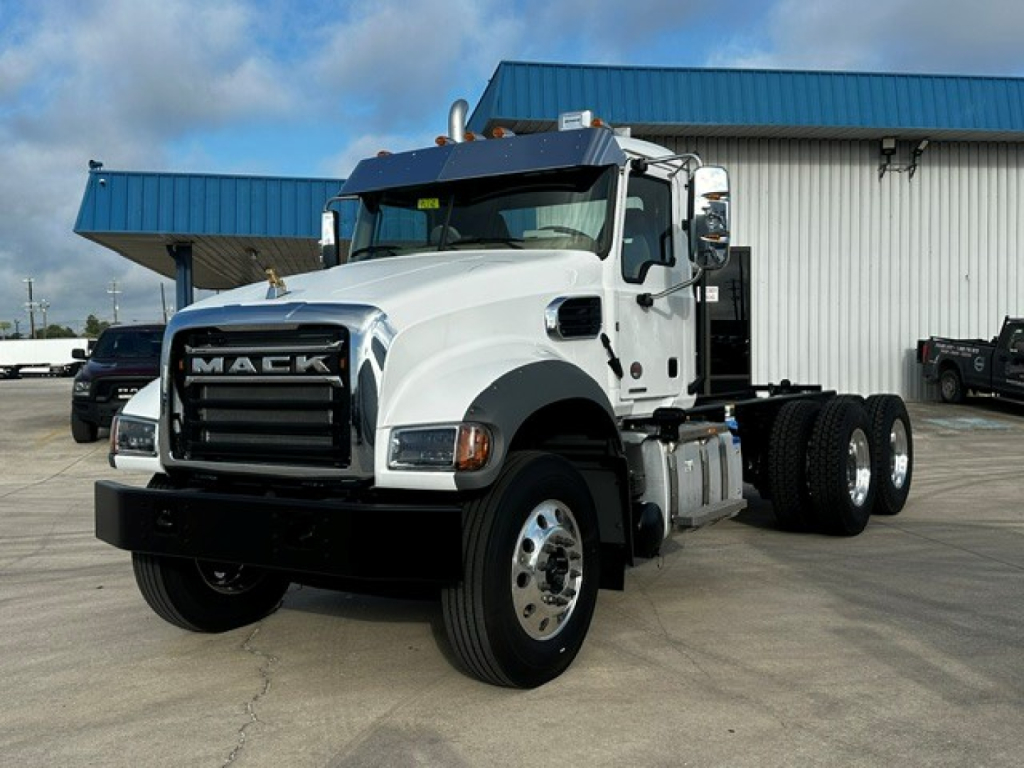
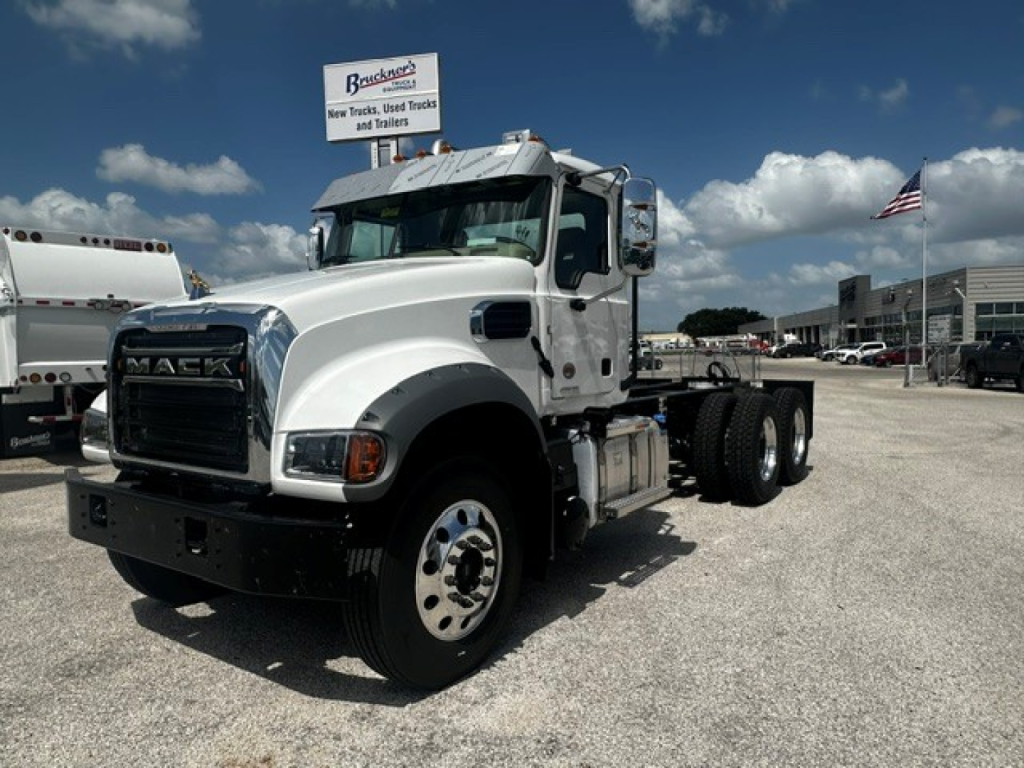
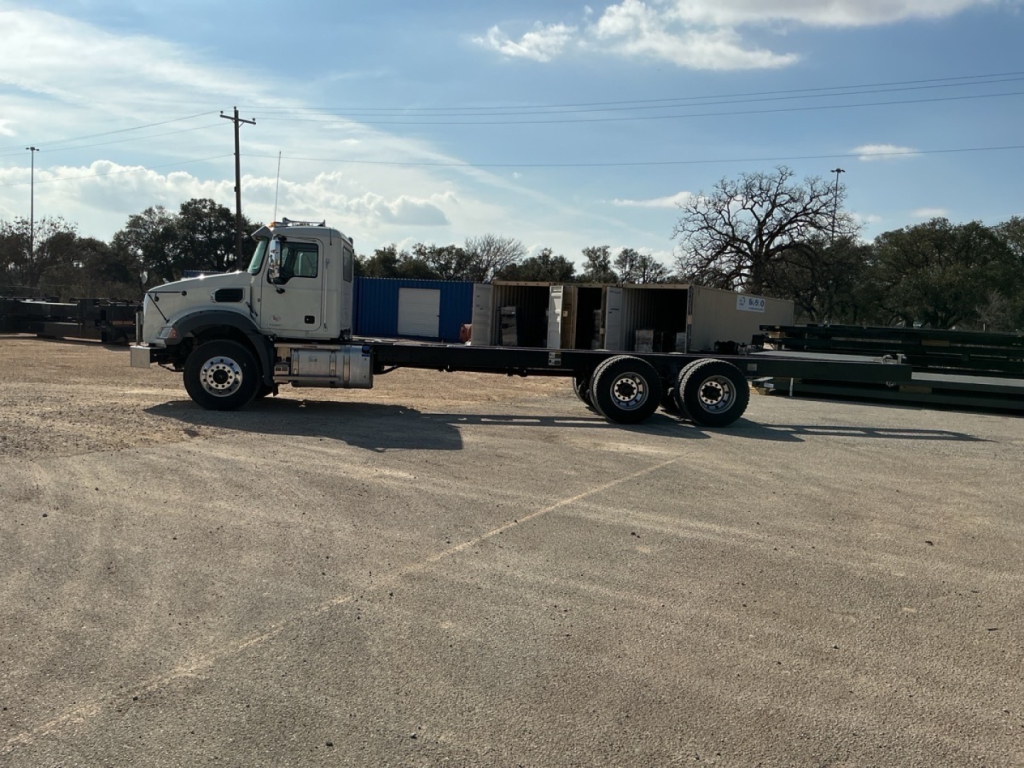
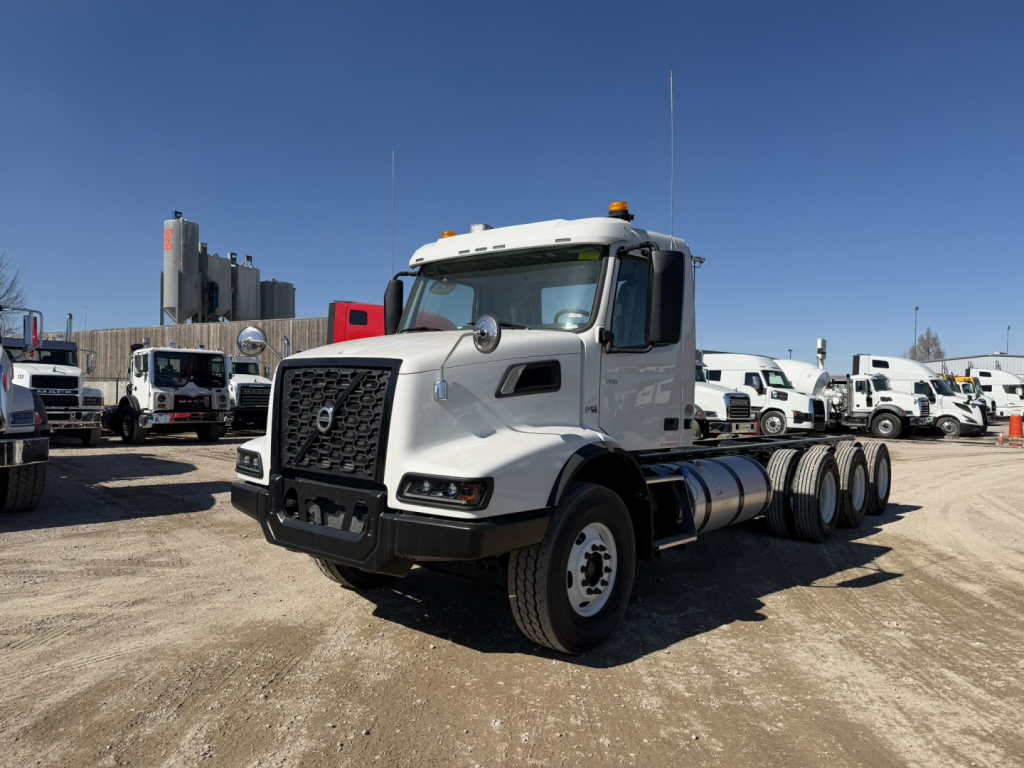
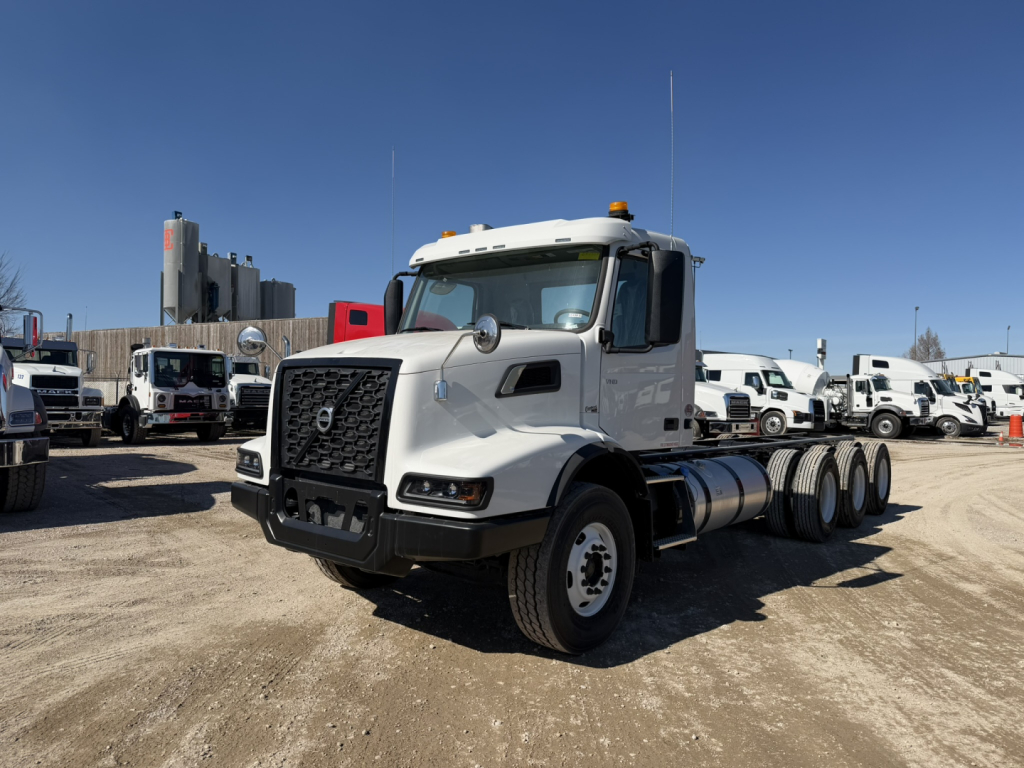
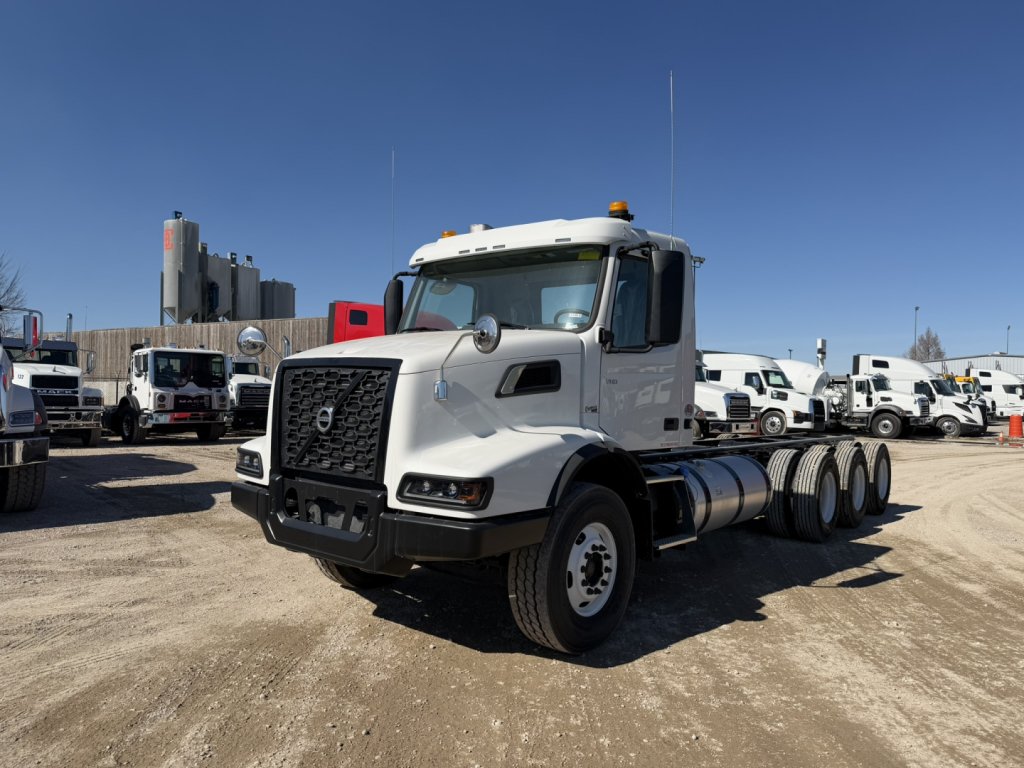
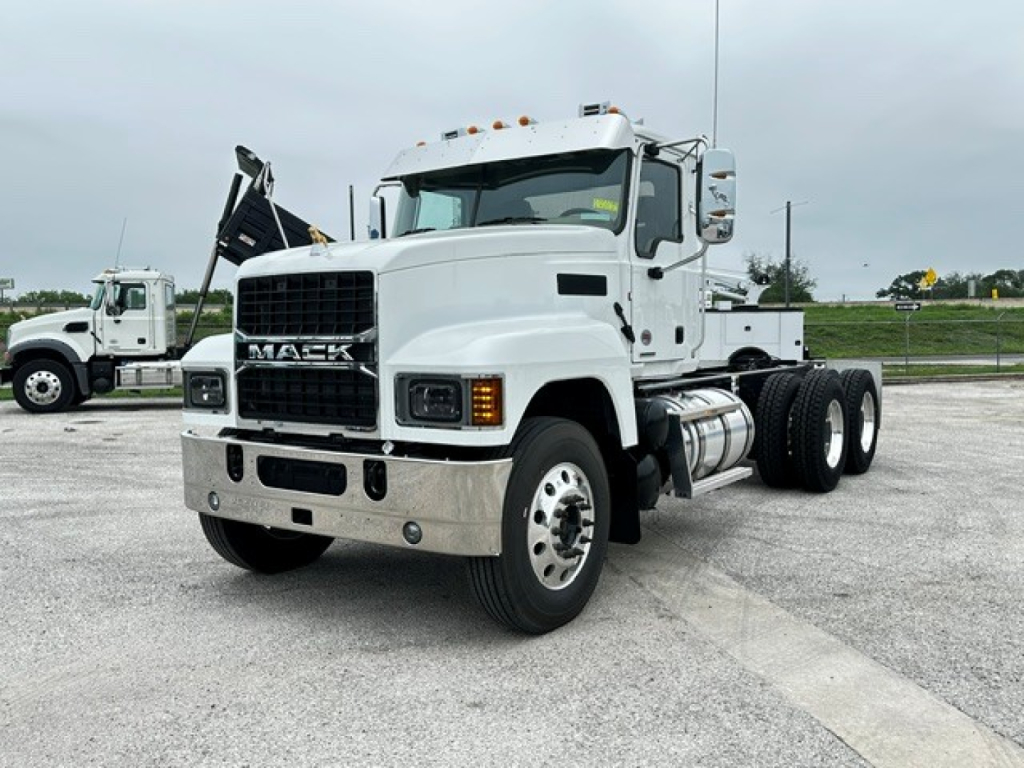
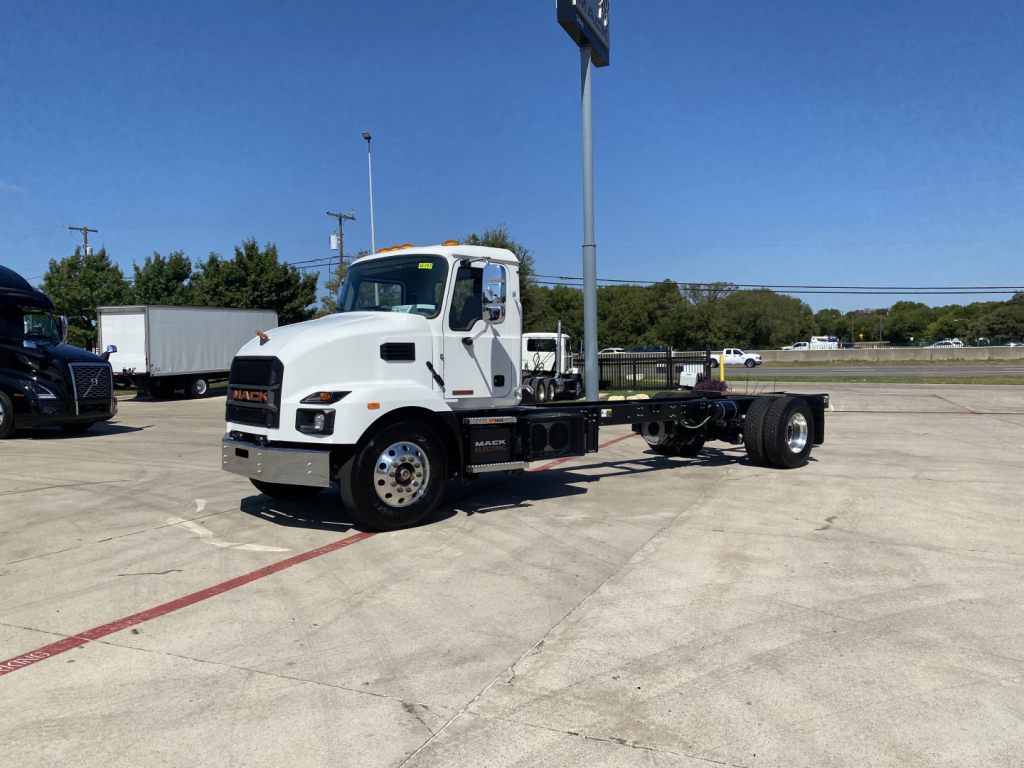

Selling a new cab and chassis truck? List your new cab and chassis truck for sale and reach thousands of commercial buyers.
New Cab and Chassis Trucks in Texas
The key buying decision is matching the chassis to the body and duty cycle. Medium-duty cab and chassis trucks are common for box deletes, service bodies, and local utility work, while heavy-duty models are built for severe-service applications that need higher GVWR, stronger frame rails, locking differentials, and deep reduction gearing. Common specs include single-axle and tandem or tri-drive setups, diesel or electric powertrains, automatic or manual transmissions, and wheelbases selected around body length and load distribution. Buyers should pay close attention to front axle capacity, rear axle ratio, suspension type, back-of-cab clearance, and frame height because those details directly affect upfit compatibility and finished truck performance.
For severe-duty work, a cab and chassis may be spec'd with high-horsepower diesel engines, vocational transmissions with PTO provisions, heavy cooling packages, multileaf front suspensions, air ride or vocational rear suspensions, and drum or air disc brakes. A Texas jobsite truck often needs traction features such as interaxle differential locks, high ground clearance, and axle ratings that support cranes, water tanks, winches, or mixer bodies. In lighter urban applications, buyers may lean toward medium-duty or electric chassis cabs that reduce operating noise and simplify stop-and-go routing. The right configuration depends less on badge and more on payload, terrain, body weight, hydraulic demand, and how the truck will be loaded every day.
New cab and chassis trucks appeal to fleets and owner-operators who want current emissions systems, factory warranty coverage, and a clean foundation for a custom build. Ordering new also helps when body companies need exact frame dimensions, exhaust routing, battery box placement, and electrical access for the upfit. A well-spec'd chassis cab can shorten installation headaches and improve long-term serviceability, especially when PTO access, fuel tank placement, and wheelbase are planned around the final application. For buyers comparing listings, the most important question is simple: will this chassis support the body, payload, and operating environment without compromise.
Frequently Asked Questions about New Cab and Chassis Trucks in Texas
What is a cab and chassis truck used for?
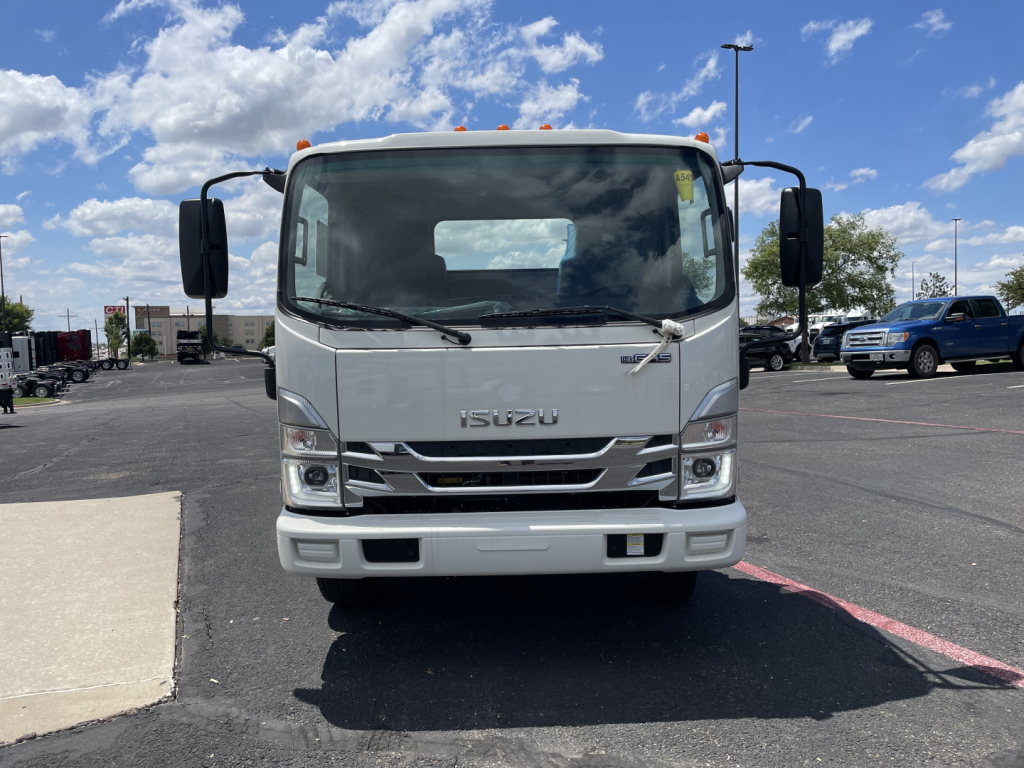
A cab and chassis truck is used as a base for vocational upfits. Common applications include dump trucks, mechanics trucks, utility trucks, flatbeds, tank trucks, crane trucks, hooklift trucks, vacuum trucks, and other specialty work trucks. The truck leaves the factory with the cab, frame, drivetrain, and axles in place, then a body manufacturer installs the equipment needed for the job.
How do I choose the right wheelbase for a cab and chassis truck?
Wheelbase should be matched to the body length, axle placement, and finished weight distribution. A wheelbase that is too short can create body fitment problems and poor load balance, while one that is too long can hurt maneuverability and add unnecessary weight. Buyers should confirm the body builder's required cab-to-axle and axle-to-end-of-frame dimensions before selecting a chassis.
What specs matter most on a new cab and chassis truck?
The most important specs are GVWR, front and rear axle ratings, wheelbase, frame section, engine horsepower and torque, transmission type, PTO capability, suspension, brake system, and rear axle ratio. For vocational applications, body weight and hydraulic demand are just as important as payload. The best chassis spec is the one that supports the installed body without overloading the frame, axles, or drivetrain.
Are electric cab and chassis trucks practical for commercial fleets?
Electric cab and chassis trucks can be practical for urban and regional routes with predictable daily mileage, regular charging access, and stop-and-go duty cycles. They are often a strong fit for municipal work, local delivery, and some service applications where quiet operation and lower routine maintenance are valuable. Buyers still need to account for battery weight, range under load, charging infrastructure, and the power demands of any body equipment.
Why do PTO provisions matter on a cab and chassis truck?
PTO provisions matter because many vocational bodies depend on engine or transmission power to run hydraulic pumps, blowers, compressors, or other auxiliary systems. A dump body, crane, vacuum unit, or mechanics truck may require specific PTO openings, transmission compatibility, and clearance for driveshafts or hydraulic plumbing. Confirming PTO readiness before the upfit starts can prevent expensive changes later in the build process.