
New 2024 Cab and Chassis Trucks For Sale in Texas
Shop new 2024 cab and chassis trucks for sale in Texas. Compare wheelbases, axle ratings, PTO options, and upfit-ready vocational specs.
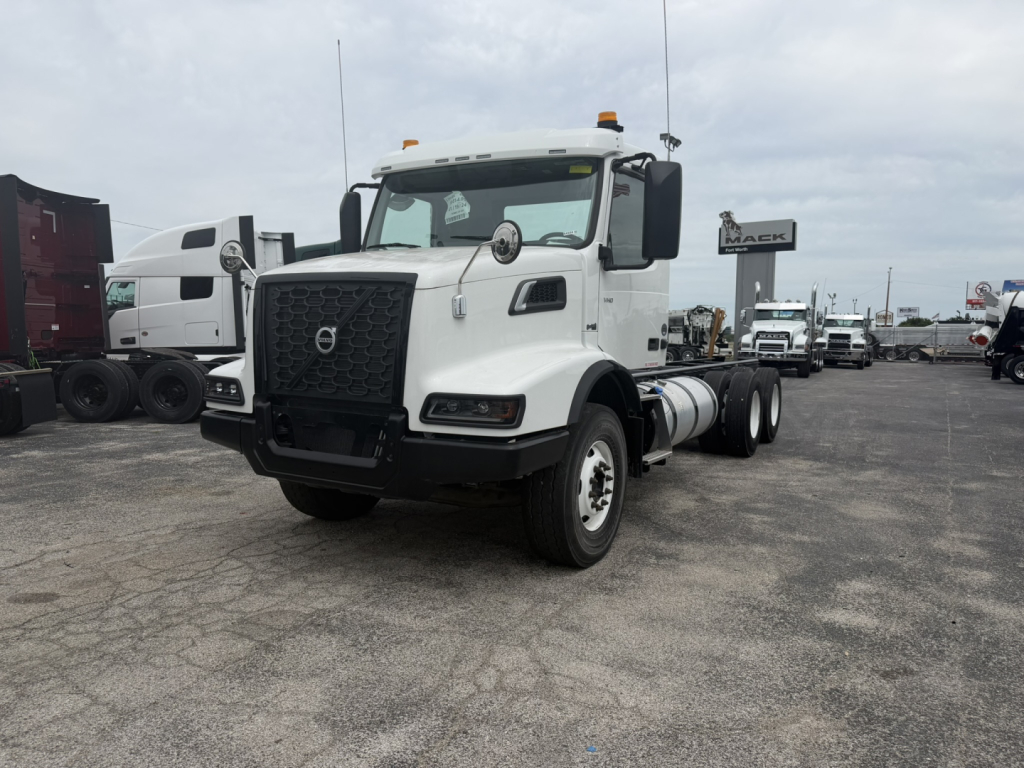
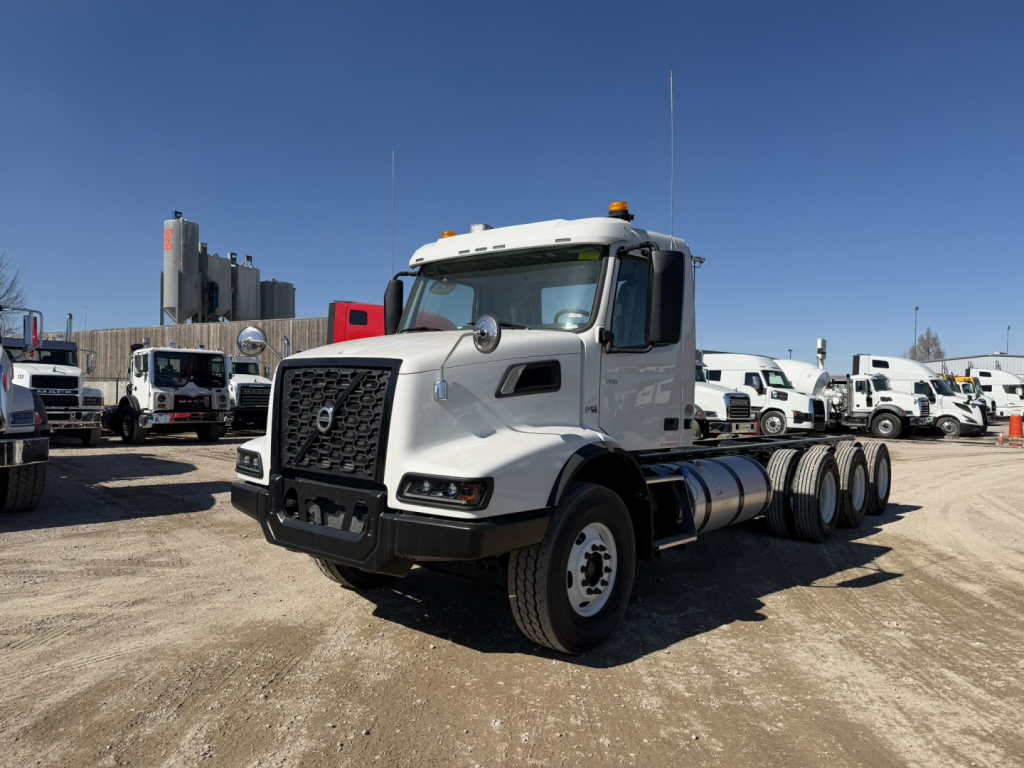
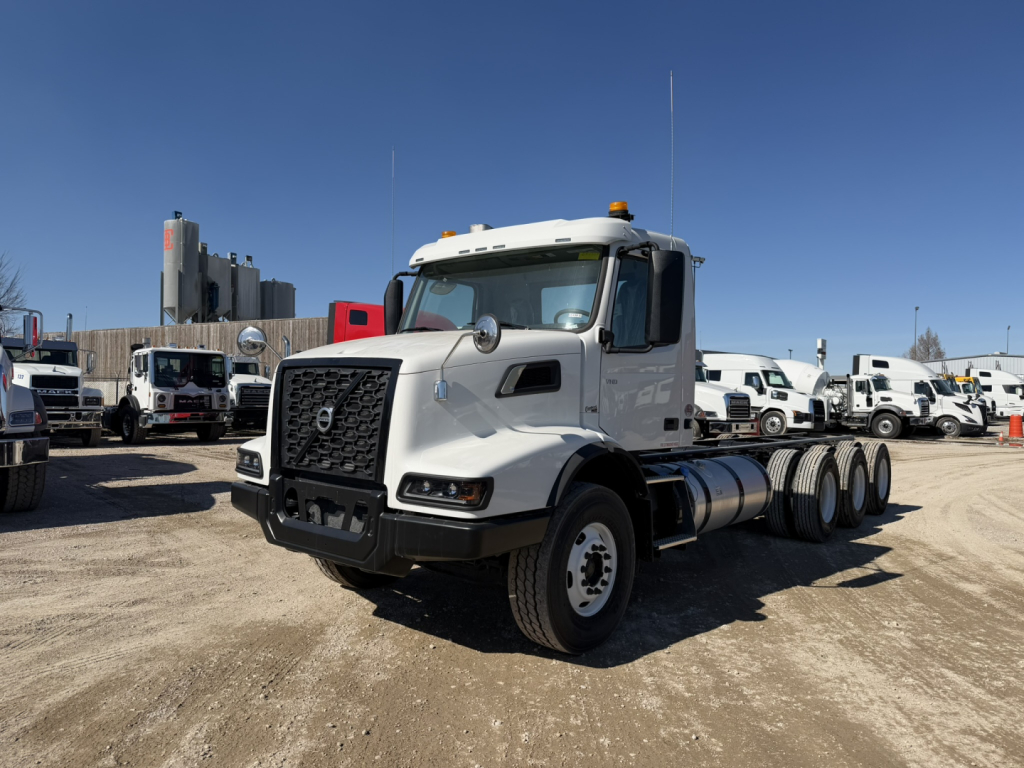
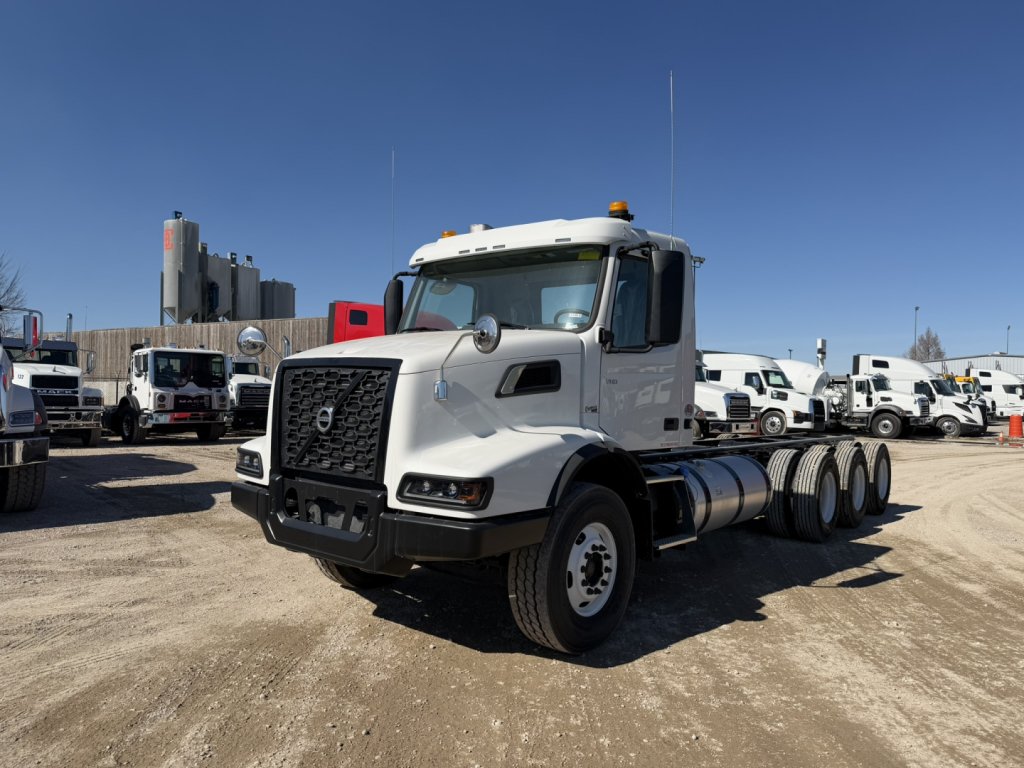
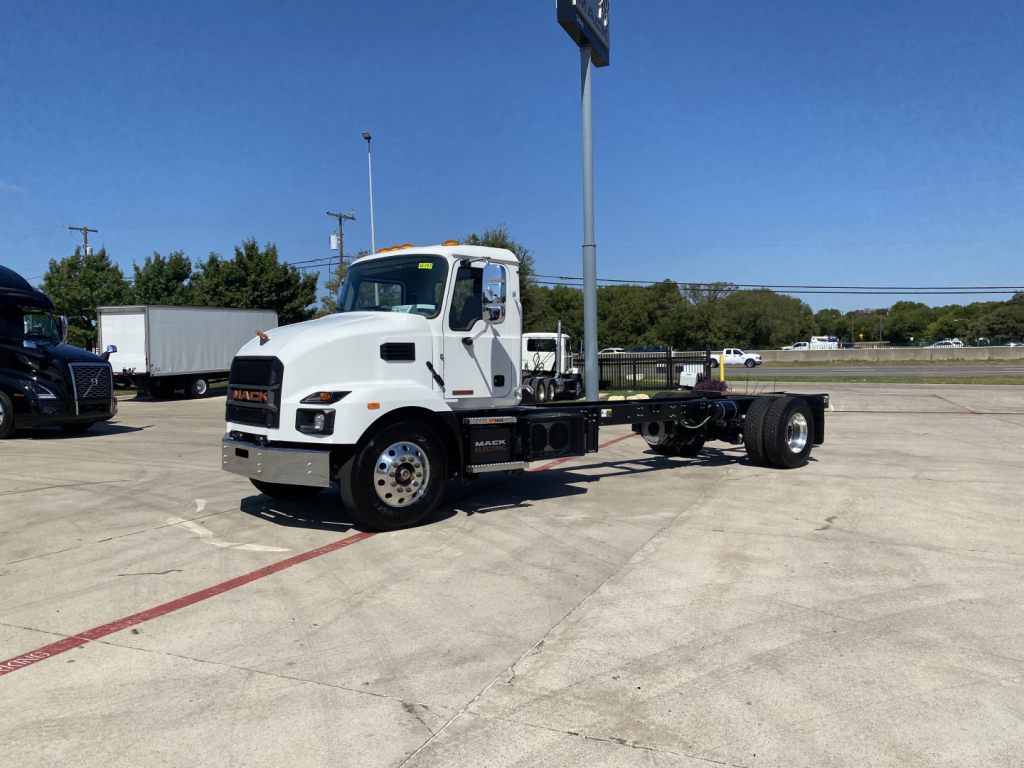
Selling a new 2024 cab and chassis truck? List your new 2024 cab and chassis truck for sale and reach thousands of commercial buyers.
New 2024 Cab and Chassis Trucks in Texas
The most important buying decision is matching the chassis to the body, payload, and duty cycle. Key specs include wheelbase, cab-to-axle measurement, front and rear axle ratings, suspension type, GVWR, and frame section modulus. New 2024 models in this category often range from straightforward tandem axle builds to severe-duty tri-drive configurations with deep rear axle ratios, locking differentials, high-capacity cooling packages, and vocational transmissions. Buyers planning hydraulic equipment should confirm PTO openings, transmission compatibility, and available space for pumps, tanks, and auxiliary gear. If the truck will spend time off pavement, look closely at ground clearance, articulation, suspension design, and traction features such as inter-axle and inter-wheel differential locks.
Powertrain choice depends on how the truck will actually work. Automated manuals and Allison automatics both have a place in cab and chassis applications, while severe-duty manual or low-low transmissions still matter for slow-speed pulling, steep grades, and jobsite control. Engine ratings in this class commonly fall in the mid-400 horsepower range, but torque, cooling performance, and driveline gearing usually tell you more than horsepower alone. A truck spec'd for a mixer, winch, crane, or heavy water tank needs different gearing and suspension than one built for a service body or municipal utility bed. Brake type also matters, with some fleets preferring drum brakes for rugged vocational use and others choosing air disc for stronger, more consistent stopping and easier service access.
For Texas operations, heat, long distances, and mixed on-road/off-road use put extra value on cooling capacity, fuel capacity, and durable suspension components. New-model cab and chassis trucks can also bring updated safety systems such as collision mitigation, adaptive cruise control, and improved driver ergonomics, which matter for retention as much as compliance. The best 2024 cab and chassis truck is not simply the one with the biggest engine or highest axle rating. It is the one with the correct wheelbase, axle spread, PTO capability, frame spec, and suspension for the body you plan to install and the terrain you expect it to cover every day.
Frequently Asked Questions about New 2024 Cab and Chassis Trucks in Texas
What is a cab and chassis truck used for?
A cab and chassis truck is used as an upfit platform for vocational work. The truck is delivered with the cab, frame, drivetrain, and running gear, but without the finished rear body. That allows a buyer to install a dump bed, mechanics body, tanker, crane body, hooklift, utility body, flatbed, or other specialized equipment matched to the job. It is the standard starting point for fleets that need a truck built around a specific application rather than a general-purpose body.
What specs matter most when buying a new 2024 cab and chassis truck?
The most important specs are wheelbase, cab-to-axle length, GVWR, front and rear axle ratings, suspension type, frame strength, PTO compatibility, and rear axle ratio. Those numbers determine what body can be installed, how weight will be distributed, and how the truck will perform under load. Buyers should also review transmission type, brake package, fuel capacity, and cooling system size because those details affect real-world productivity and upfit compatibility.
How do I choose the right cab and chassis for a dump body, crane, or service body?
Start with the final body and payload, then work backward to the chassis. A dump or heavy crane application usually needs higher axle ratings, stronger frame rails, heavier suspension, and gearing suited for stop-and-go or off-road work. A service body may place more emphasis on wheelbase, storage layout, PTO needs, and maneuverability. The correct choice depends on installed body weight, legal payload, equipment center of gravity, and the operating terrain, so chassis and upfit specs should be reviewed together rather than separately.
Are tandem and tri-drive cab and chassis trucks better for Texas vocational work?
They can be, depending on the application. Tandem axle chassis are common for construction, dump, and regional vocational work because they balance payload, maneuverability, and maintenance cost. Tri-drive chassis are more specialized and are often chosen for severe-duty work such as oilfield service, pipeline support, heavy water hauling, or extreme off-road conditions where traction and weight distribution matter more than simplicity. The better choice is the one that matches your axle load requirements and the terrain the truck will see every day.
Why is PTO compatibility important on a chassis cab truck?
PTO compatibility is critical because many vocational bodies depend on power take-off systems to run hydraulic pumps, blowers, compressors, winches, or vacuum equipment. Not every transmission offers the same PTO openings, rotation options, or output capacity. If the PTO setup does not match the body equipment, the upfit can become more complex and more expensive. Buyers should verify PTO location, transmission model, clearances, and the hydraulic demands of the planned body before committing to a chassis.