
New 2024 Cab and Chassis Trucks For Sale
Shop new 2024 cab and chassis trucks with configurable wheelbases, GVWR options, and PTO-ready setups for body builders and fleet use.
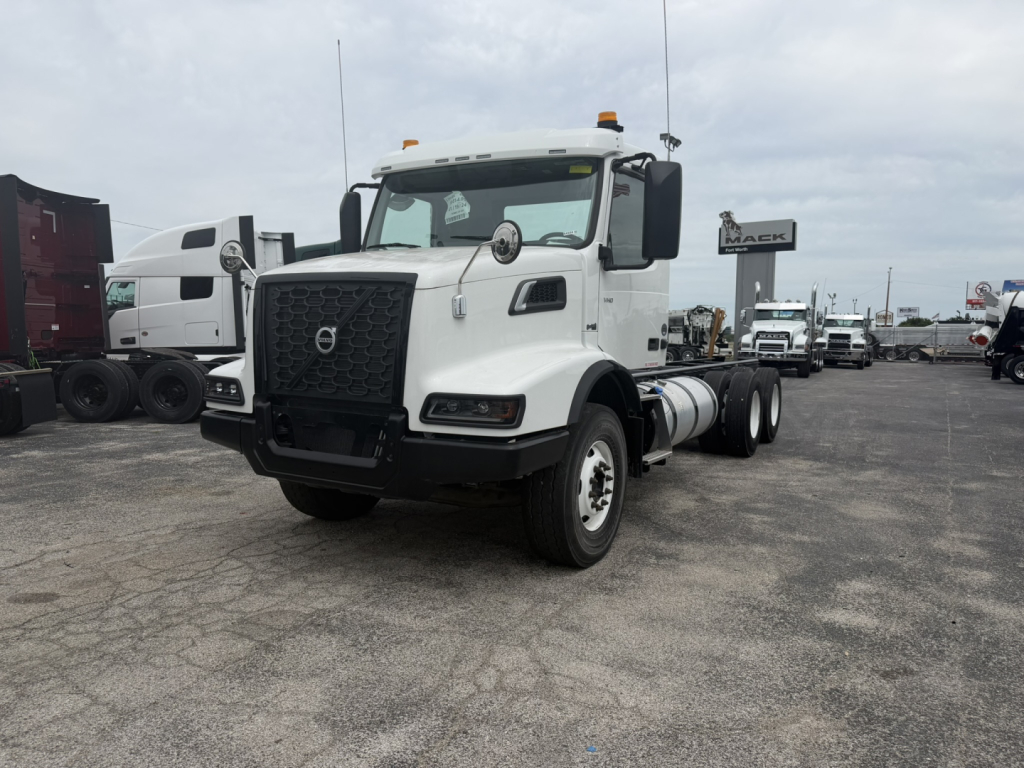
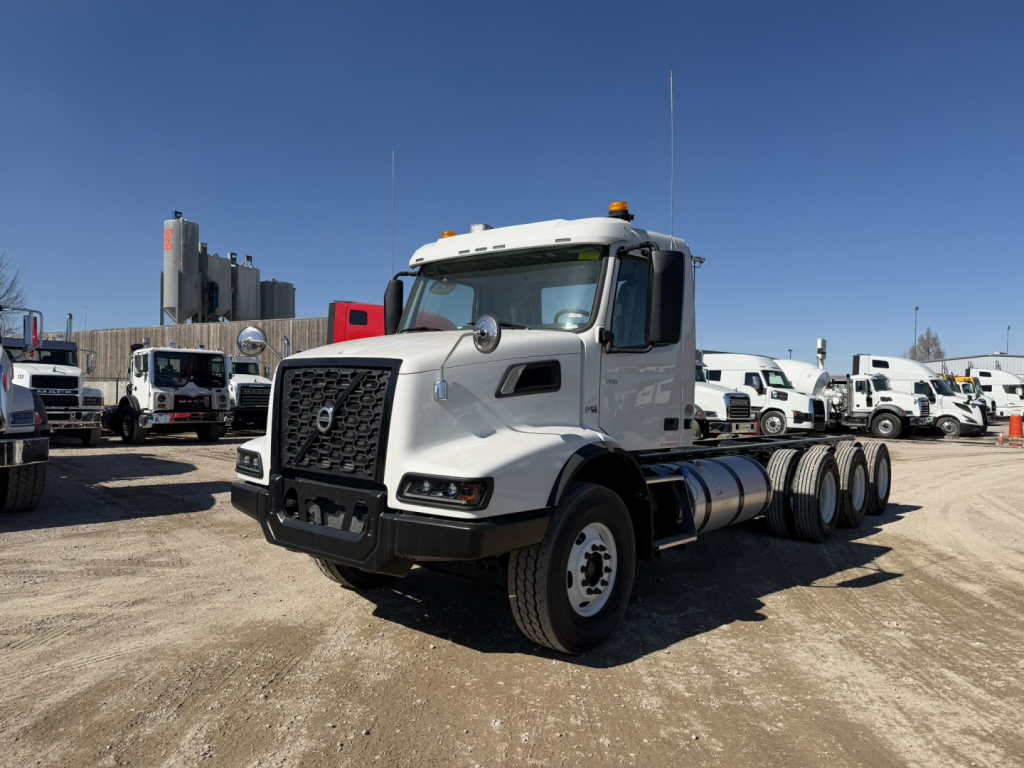
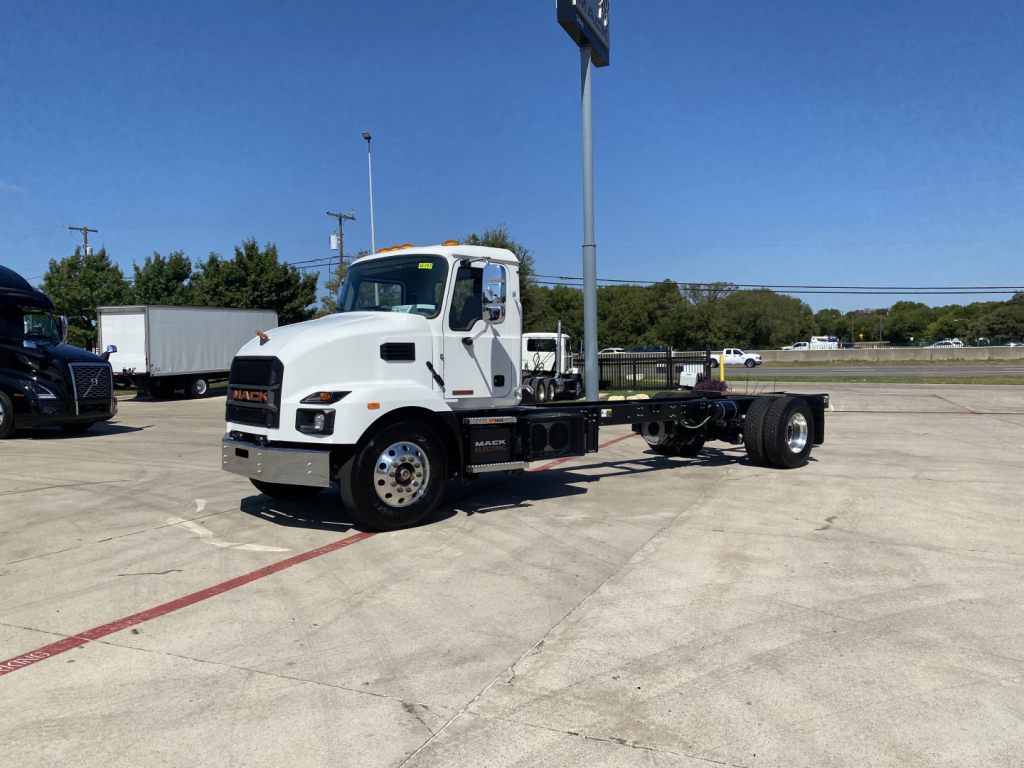
Selling a new 2024 cab and chassis truck? List your new 2024 cab and chassis truck for sale and reach thousands of commercial buyers.
New 2024 Cab and Chassis Trucks
The first buying decision is usually sizing the chassis to the body and payload. On lighter models, buyers often look closely at GVWR, rear axle ratio, and body length compatibility for 8-foot to 14-foot upfits. In medium-duty and heavy-duty applications, cab-to-axle and axle spread become critical because they determine body fit, bridge compliance, and turning radius. Common specs across this category include diesel engines, automatic or automated transmissions, air brakes on larger units, locking differentials, and frame layouts designed for body-builder access. If the truck will run hydraulics, a crane, hoist, pump, or compactor, confirm PTO capability, transmission compatibility, and whether the chassis has factory body-builder switches or upfitter wiring. Suspension choice also matters. Spring suspension is common for durability and cost control, while air ride can help with ride quality, cargo protection, or specialty body requirements.
Application should drive the spec. A contractor spec can look very different from a municipal or delivery spec even when the GVWR is similar. Dump and landscaping builds often need higher front axle capacity, PTO readiness, and strong rear suspension. Utility and telecom trucks may need clear frame space, stable outriggers, and alternator output to support work-site equipment. Box truck and reefer conversions depend heavily on wheelbase and body length planning. Refuse and severe-service buyers tend to focus on visibility, set-back or axle-forward configuration, transmission choice, and durability items such as frame reinforcement and vocational cooling packages. Buyers operating in tighter urban routes may prioritize cab style, wheel cut, and overall maneuverability, while regional fleets often focus on serviceability, emission system access, and commonality with the rest of the fleet.
A new 2024 cab and chassis also gives buyers current emissions equipment, updated safety systems, and cleaner integration with modern body electronics. Features like backup cameras, collision mitigation, telematics, and programmable upfitter interfaces are increasingly relevant, especially for fleets managing driver performance and maintenance intervals. Before buying, match the truck to the finished body weight, payload target, and daily route conditions, then verify wheelbase, cab-to-axle, frame section modulus, fuel tank placement, and clear back-of-cab space. A properly spec'd cab and chassis truck reduces body installation problems, improves uptime, and gives the finished truck a much longer useful life.
Frequently Asked Questions about New 2024 Cab and Chassis Trucks
What is a cab and chassis truck used for?
A cab and chassis truck is a stripped truck platform designed to receive a vocational or commercial body after purchase. Common uses include flatbeds, dump bodies, service bodies, box trucks, rollback carriers, utility bodies, refuse packers, tank bodies, and municipal equipment. Buyers choose this configuration when they need a truck matched to a specific application instead of a factory-completed body style.
What specs matter most when buying a new 2024 cab and chassis truck?
The most important specs are GVWR, front and rear axle ratings, wheelbase, cab-to-axle dimension, frame strength, and drivetrain compatibility with the intended body. PTO provisions, transmission type, suspension, brake system, and fuel tank placement also matter because they affect body installation and daily operation. If the truck will power hydraulic equipment, body-builder wiring and PTO readiness should be confirmed before the body is ordered.
How do wheelbase and cab-to-axle affect body installation?
Wheelbase and cab-to-axle determine whether the body will fit correctly on the frame and whether weight will be distributed properly across the axles. A mismatch can create clearance problems, poor axle loading, and handling issues once the upfit is installed. Body manufacturers typically require exact cab-to-axle and frame measurements, so buyers should confirm those dimensions early in the spec process.
Are new cab and chassis trucks good for fleet standardization?
Yes. New cab and chassis trucks are often selected by fleets because they can be ordered around a common engine family, transmission, brake system, and electronic architecture while still supporting different bodies. That helps simplify maintenance, technician training, parts stocking, and driver familiarity across multiple applications. It also makes it easier to manage telematics, safety systems, and service intervals at scale.
What is the difference between a pickup cab and chassis and a medium-duty or heavy-duty cab and chassis?
A pickup-based cab and chassis is usually used for smaller commercial bodies such as dumps, platform beds, and light service bodies, with lower GVWR and tighter overall dimensions. Medium-duty and heavy-duty cab and chassis trucks are built for larger payloads, longer bodies, and more demanding vocational equipment, often with stronger frames, higher axle capacities, air brakes, and PTO-driven systems. The right choice depends on body size, payload, duty cycle, and operating environment.