
New 2024 Volvo Cab and Chassis Trucks For Sale
Shop new 2024 Volvo cab and chassis trucks built for vocational upfits, severe-duty work, high GVWR applications, and reliable PTO performance.
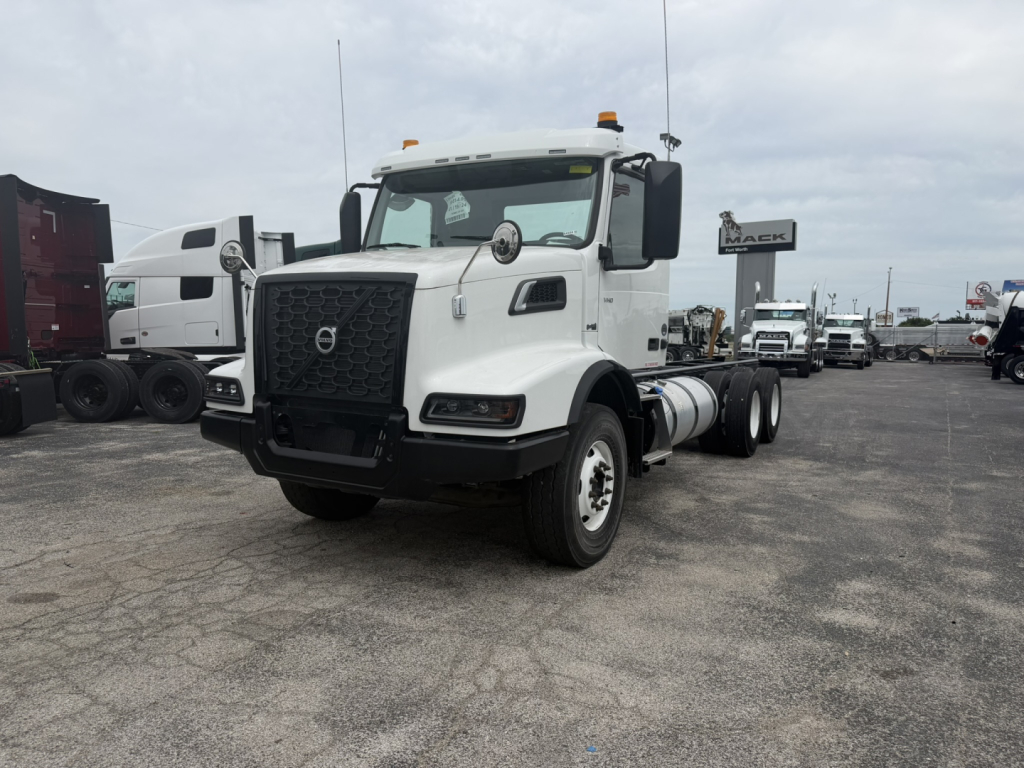
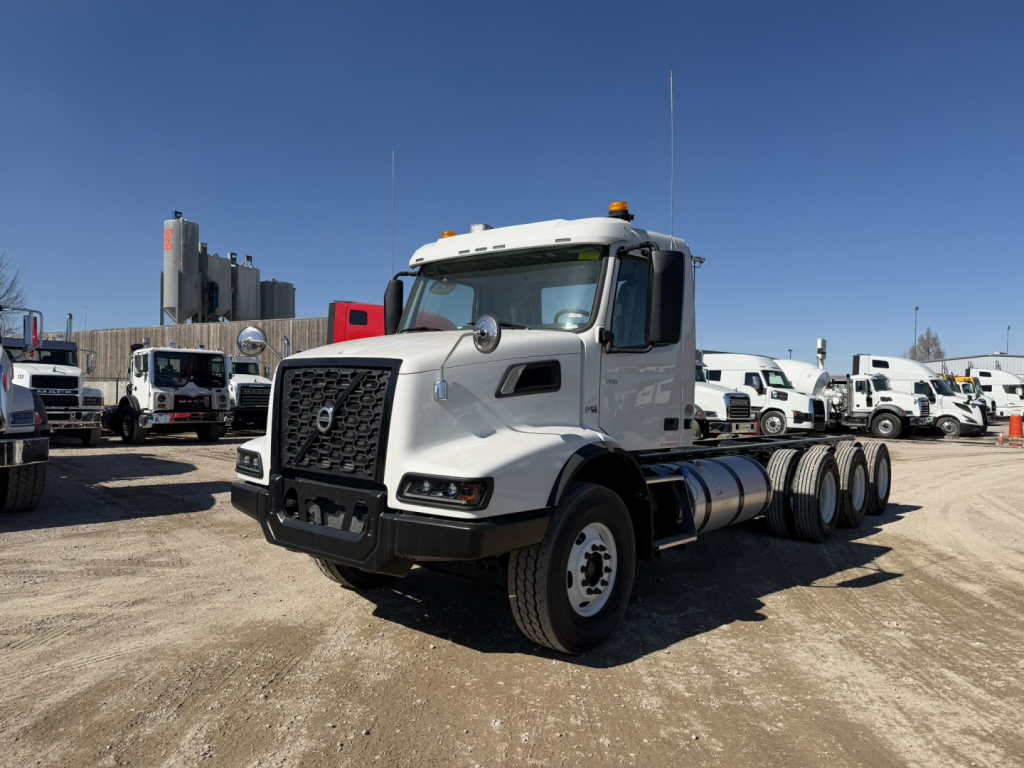
Selling a new 2024 volvo cab and chassis truck? List your new 2024 volvo cab and chassis truck for sale and reach thousands of commercial buyers.
New 2024 Volvo Cab and Chassis Trucks
For severe-duty applications, Volvo cab and chassis trucks are commonly spec'd with the D13 engine, vocational cooling packages, heavy front axles, deep-reduction manual transmissions or PTO-capable drivetrains, and tandem or tri-drive rear setups. Buyers comparing listings should pay close attention to horsepower, torque, rear axle ratio, suspension type, and PTO provisions. A low-speed, off-road truck carrying equipment or pulling through mud and grade changes needs a very different spec than a municipal chassis that spends most of its life on pavement. Ratios in the 4.XX range, locking differentials, multi-leaf front suspension, and severe-service rear suspensions like Hendrickson PRIMAAX are common on trucks intended for pipeline work, oilfield support, logging, mining, and utility construction.
Body builder details matter as much as drivetrain. Frame rail strength, axle spacing, back-of-cab clearance, exhaust routing, and available room for hydraulic tanks, toolboxes, outrigger systems, or pump equipment will determine how easily a chassis can be upfitted. Front axle capacity is especially important on crane, plow, and certain tanker applications where equipment weight transfers forward. On heavy vocational Volvo chassis, GVWR can climb well beyond standard on-highway specs, especially with tri-drive configurations. If the truck will run a blower, vacuum, wet kit, or other hydraulic equipment, confirm transmission PTO openings, engine PTO compatibility, and cooling capacity for sustained stationary operation.
A 2024 Volvo cab and chassis is usually chosen for durability, driver environment, and strong vocational integration rather than for highway fleet standardization alone. The best value comes from matching the spec to the body and terrain, not from buying the highest rating on paper. Buyers should verify intended body length, bridge-law considerations, turning radius, tire size, crossmember layout, and local weight regulations before committing to a chassis. When the spec is right, a Volvo chassis cab can deliver long service life in punishing vocational work while giving the body installer a solid foundation to build on.
Frequently Asked Questions about New 2024 Volvo Cab and Chassis Trucks
What is a Volvo cab and chassis truck used for?
A Volvo cab and chassis truck is used as the base platform for vocational bodies and specialized equipment. Common applications include dump trucks, water trucks, vacuum trucks, crane trucks, mixers, utility bodies, winch trucks, and municipal service trucks. The cab, frame, axles, and drivetrain are supplied from the factory, and the final body or equipment package is installed afterward to match the job.
What should I look for when buying a new 2024 Volvo cab and chassis?
Start with the intended upfit and duty cycle. Important factors include wheelbase, frame rail specification, front and rear axle ratings, suspension type, GVWR, engine torque, transmission type, PTO capability, and rear axle ratio. For severe-duty work, cooling package size, differential locks, articulation, and body-builder clearance points are just as important as horsepower. A chassis that matches the body and operating environment will perform better and cost less to adapt.
Are Volvo VHD cab and chassis trucks good for off-road and severe-duty work?
Yes. Volvo VHD cab and chassis models are widely used in severe-duty applications because they can be spec'd with heavy axles, vocational suspensions, deep-reduction transmissions, locking differentials, and high-capacity cooling systems. These features are important for slow-speed pulling, rough terrain, soft ground, and equipment that demands steady PTO output. The right spec can support oilfield, pipeline, logging, mining, and construction work where traction and durability matter more than highway speed.
Why does PTO compatibility matter on a cab and chassis truck?
PTO compatibility matters because many vocational bodies rely on hydraulic or mechanical power from the truck to run pumps, blowers, hoists, winches, mixers, or vacuum systems. Not every engine and transmission setup supports the same PTO options, output speeds, or mounting locations. Buyers should confirm transmission PTO ports, engine PTO availability, and cooling capacity for stationary or low-speed PTO operation before selecting a chassis for a body build.
How do axle ratio and suspension affect a Volvo chassis cab's performance?
Axle ratio affects launch, gradeability, low-speed control, and cruising efficiency. A numerically higher ratio, such as one commonly used in severe-duty service, improves pulling power and jobsite drivability but may reduce highway speed efficiency. Suspension choice affects ride, stability, articulation, and body compatibility. Multi-leaf and severe-service air suspensions are selected based on terrain, load distribution, and the type of equipment mounted on the frame.