
New Volvo Cab and Chassis Trucks For Sale in Texas
New Volvo cab and chassis trucks for sale in Texas, built for severe-duty upfits with strong GVWR, PTO options, and vocational performance.
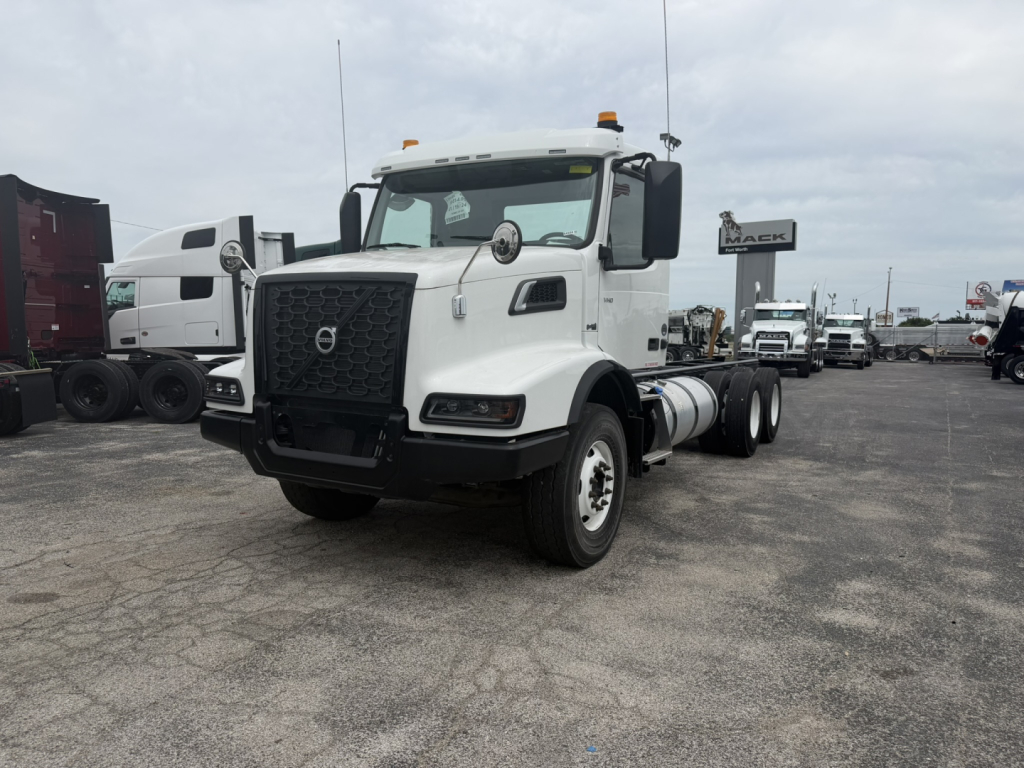
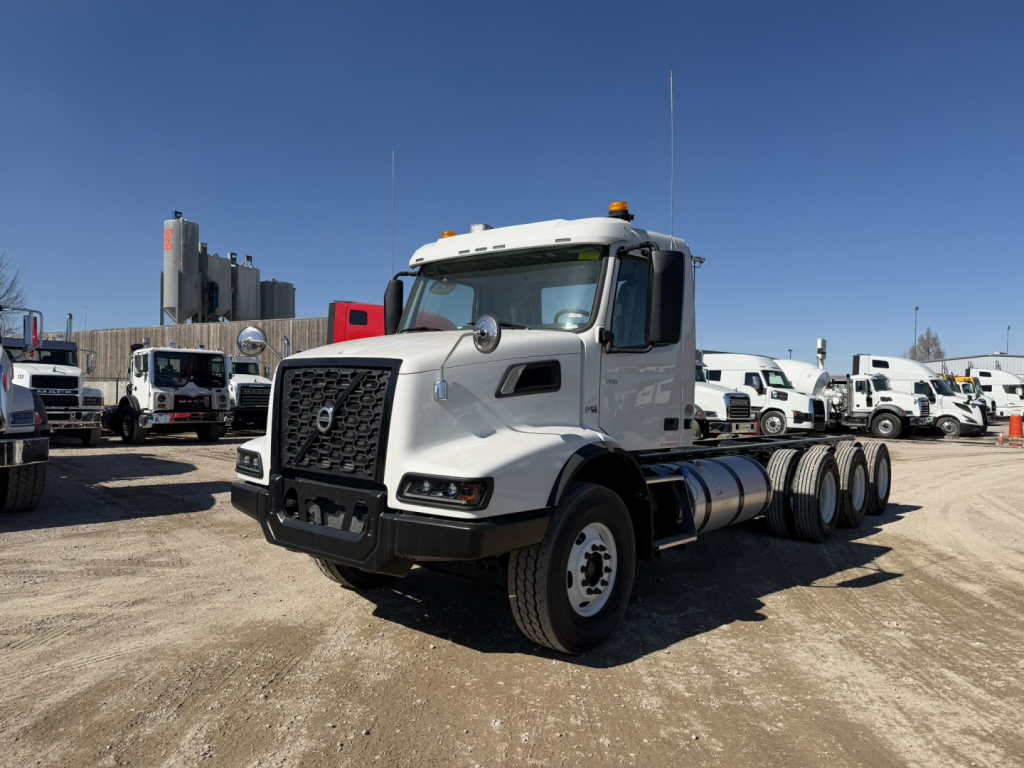
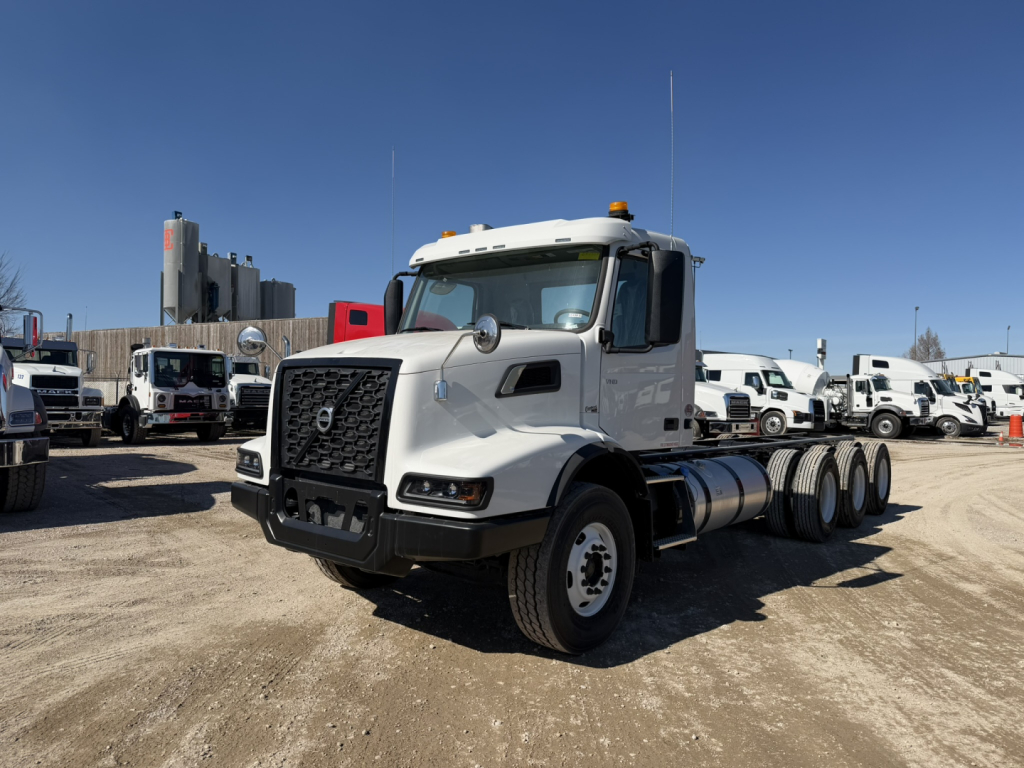
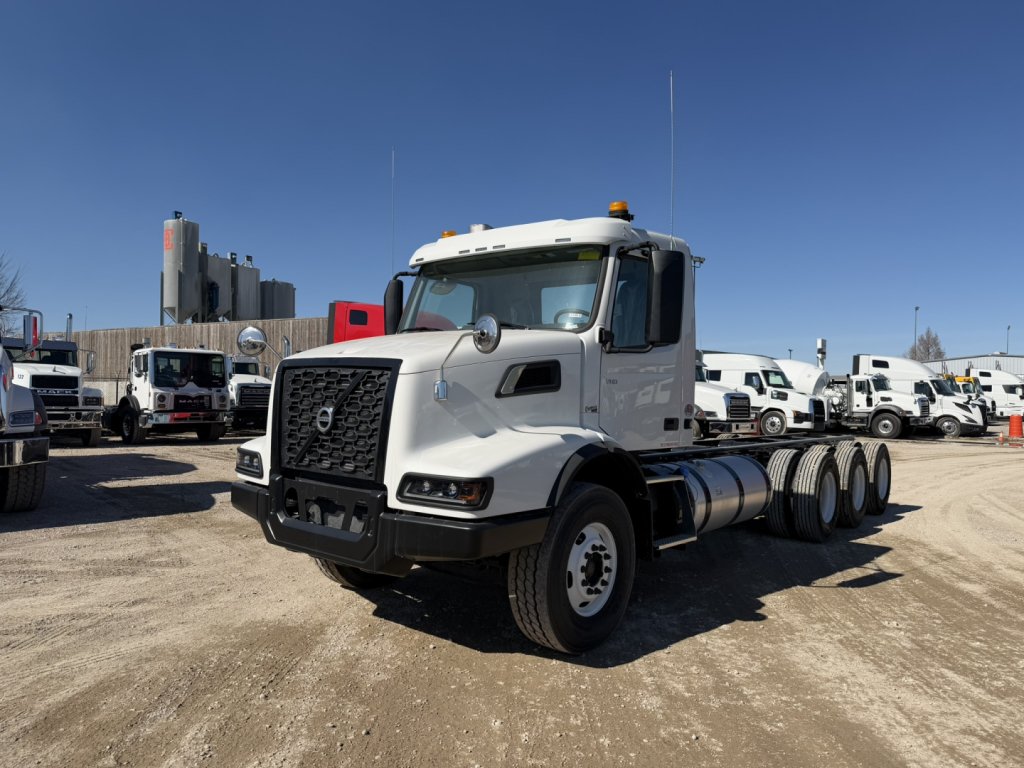
Selling a new volvo cab and chassis truck? List your new volvo cab and chassis truck for sale and reach thousands of commercial buyers.
New Volvo Cab and Chassis Trucks in Texas
A Volvo cab and chassis in this class is often configured for severe-duty service with a Volvo D13 diesel, vocational cooling package, heavy front axle ratings, and tandem or tri-drive rear axles. Texas buyers looking at pipeline, construction, municipal, or energy-sector work should pay close attention to rear axle ratio, suspension type, and transmission setup. Lower ratios and deep-reduction manual transmissions like an Eaton Fuller 8LL are well suited for slow-speed pulling, soft ground, and jobsite maneuvering. Suspension choices such as Hendrickson severe-duty air ride or heavy multi-leaf setups affect articulation, body stability, and maintenance intervals, especially when the truck will spend time on lease roads, caliche, or rough right-of-way access.
Frame and chassis details matter as much as the engine badge. A clean cab and chassis spec should be reviewed for frame rail section, RBM, back-of-cab clearance, usable cab-to-axle, fuel tank placement, and PTO port availability before the body builder gets involved. For hydraulic-driven equipment, confirm transmission PTO openings, pump compatibility, and room for tanks, toolboxes, outriggers, or auxiliary systems. Buyers planning a dump truck, vacuum truck, winch truck, or crane truck should also verify front axle capacity, bridge formula implications, brake type, and steering axle loading after the upfit is installed. New Volvo vocational chassis are often attractive here because they combine a driver-friendly cab with heavy-duty component options that support specialized body installations.
The best Volvo cab and chassis truck is the one spec'd around the finished application, not just the base truck. A 6x4 may be right for municipal and regional body work, while a tri-drive can make more sense for oilfield support, off-road construction, and heavy vocational service where traction and axle capacity are critical. Look closely at GVWR, wheelbase, frame length, cooling, locking differentials, and expected payload before choosing. For Texas operations, it is also smart to think about service access, uptime, and how the truck will perform in high-temperature conditions with PTO loads and long idle cycles.
Frequently Asked Questions about New Volvo Cab and Chassis Trucks in Texas
What is a Volvo cab and chassis truck used for?
A Volvo cab and chassis truck is an incomplete truck built to accept a vocational body or specialized equipment. Common uses include dump trucks, vacuum trucks, water trucks, mechanics trucks, service bodies, flatbeds with cranes, roll-off trucks, mixers, and utility bodies. The chassis is selected based on axle ratings, wheelbase, PTO needs, and frame dimensions so the finished truck matches the job.
What should I check before buying a new Volvo cab and chassis for an upfit?
Start with cab-to-axle dimension, wheelbase, frame rail capacity, axle ratings, and transmission PTO provisions. Those items determine whether the truck can accept the body and equipment you plan to install. It is also important to confirm fuel tank placement, back-of-cab clearance, suspension type, and front axle loading after the upfit, since those details affect both installation and legal operation.
Is a tri-drive Volvo cab and chassis better than a tandem axle model?
A tri-drive is better when the application demands maximum traction, higher rear axle capacity, and improved performance in soft ground or steep off-road conditions. That makes it a strong fit for oilfield, pipeline, logging, mining support, and severe-duty construction work. A tandem axle truck is often the more practical choice for lighter vocational applications where maneuverability, lower tare weight, and reduced maintenance cost matter more than extreme off-road capability.
What engine and transmission specs are common on Volvo vocational cab and chassis trucks?
Many severe-duty Volvo cab and chassis trucks are built with the Volvo D13 diesel in horsepower ranges suited for vocational work, often paired with manual or automated transmissions depending on the application. Deep-reduction manual transmissions such as Eaton Fuller 8LL models remain popular when buyers need precise low-speed control and PTO flexibility. The right combination depends on terrain, payload, idle time, and whether the truck will run hydraulic equipment.
Why does wheelbase matter on a cab and chassis truck?
Wheelbase affects body fitment, weight distribution, turning radius, and bridge compliance. A longer wheelbase may be needed for larger bodies, tanks, or equipment packages, while a shorter layout can improve maneuverability on jobsites and in urban service work. The correct wheelbase must be matched to the final body design, axle spacing, and expected loaded axle weights, not just the truck itself.