
New Cab and Chassis Trucks For Sale in Alabama
Shop new cab and chassis trucks in Alabama. Compare wheelbases, GVWR, engines, PTO options, and body-ready specs for your application.
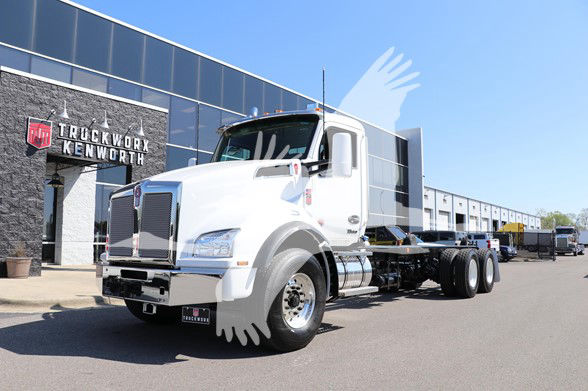
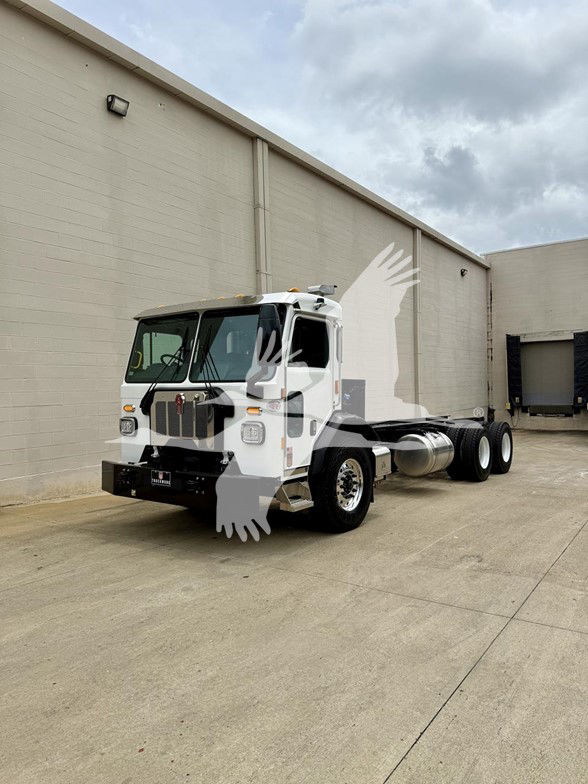
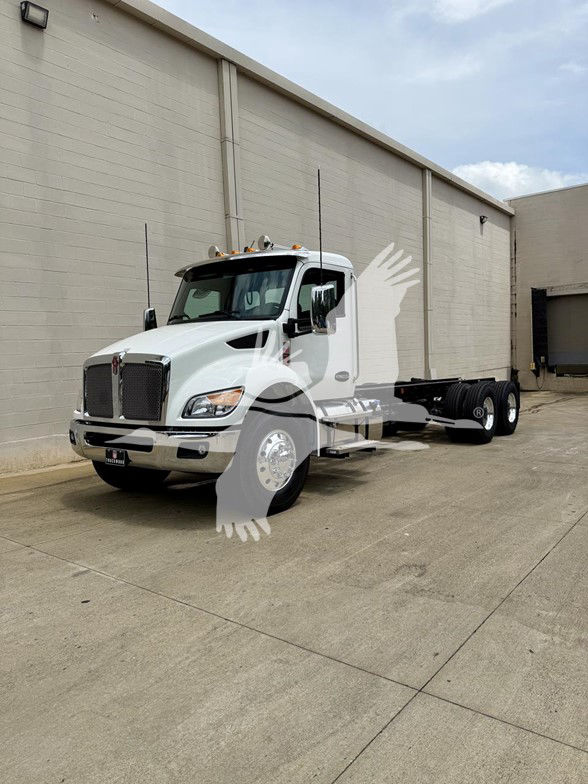
Selling a new cab and chassis truck? List your new cab and chassis truck for sale and reach thousands of commercial buyers.
New Cab and Chassis Trucks in Alabama
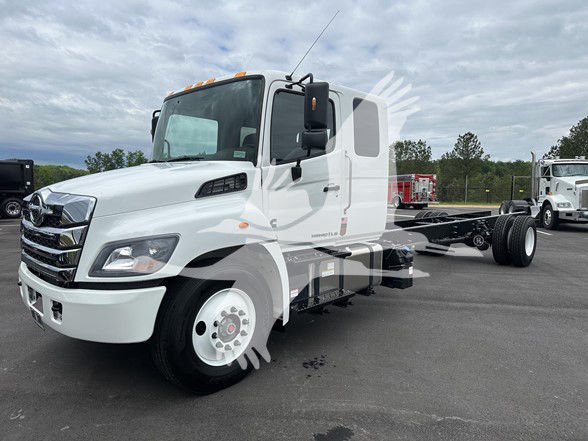
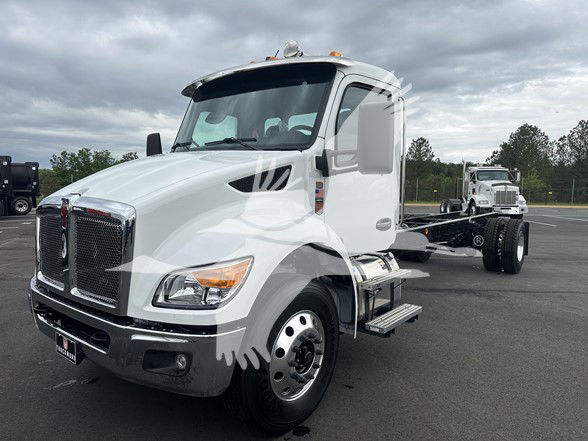
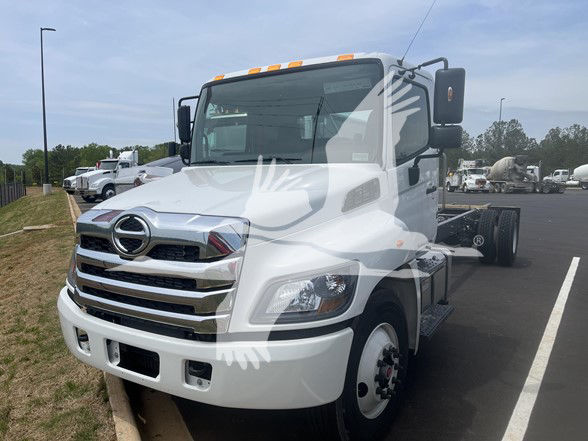
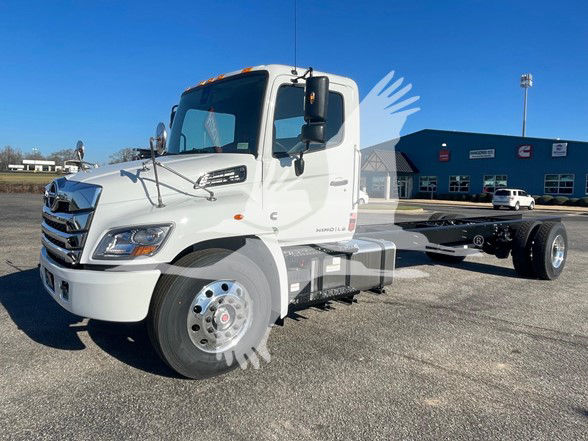
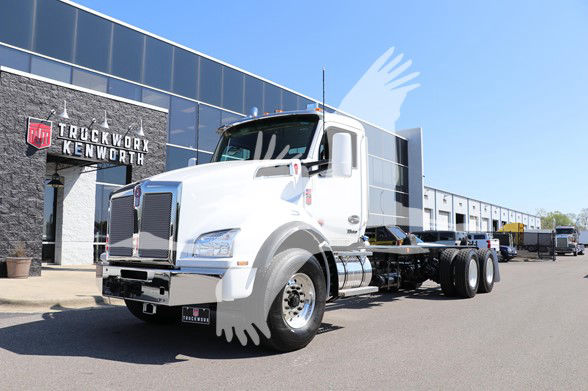
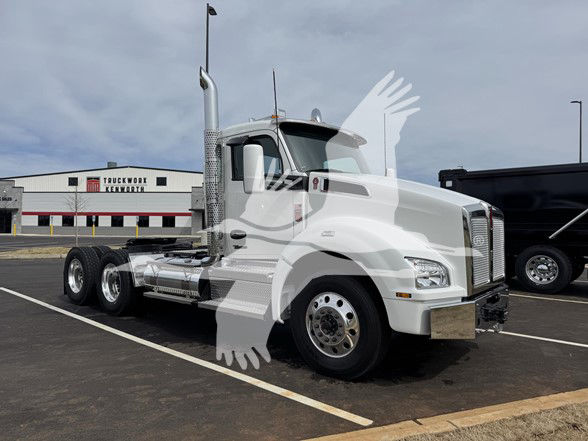
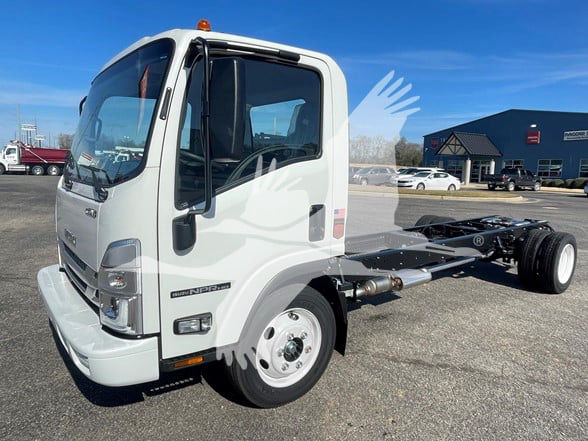
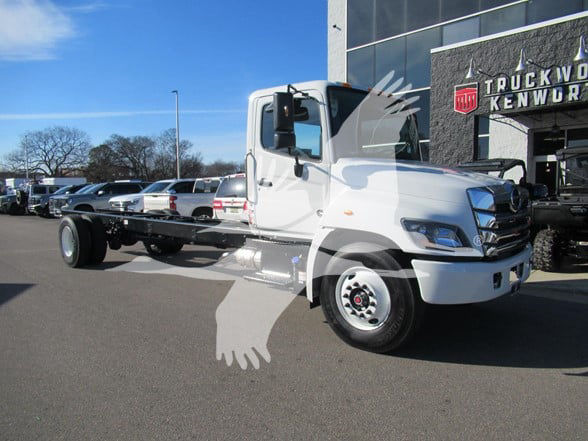
In Alabama, buyers often spec these trucks for construction, municipal work, landscaping, delivery, utility service, and regional vocational hauling. That makes powertrain matching important. Medium-duty models such as a Hino L6 are commonly chosen for box, reefer, flatbed, and light utility applications where maneuverability and lower operating cost matter. Heavier platforms such as a Kenworth T480 or T880 are often selected for severe-duty work that may require higher front axle capacity, stronger frame rails, PTO capability, heavier suspensions, and transmission options like an Allison automatic or automated manual. If the truck will run a pump, crane, hoist, compressor, or other auxiliary equipment, confirm PTO compatibility early in the spec process.
A smart cab and chassis comparison goes beyond make and model. Look closely at frame section modulus, rear axle ratio, suspension type, brake configuration, fuel tank placement, exhaust routing, and electrical provisions for body builders. Body-ready details can save time and money during installation. Clear back-of-cab space, factory upfitter switches, programmable parameters, and clean chassis layouts all matter once the truck reaches the body shop. Wheelbase and kingpin-style trailer concerns do not apply here the way they do on road tractors, but turning radius, bridge law considerations, and overall finished length still matter for jobsite access and legal payload.
New cab and chassis trucks also appeal to fleets that want current emissions systems, factory warranty coverage, and a clean maintenance baseline from day one. For buyers planning a long service life, it pays to think ahead about corrosion resistance, interior durability, service access, and dealer support for the engine and transmission package you choose. The best spec is the one that matches the final body, the expected payload, and the route profile without leaving the truck underbuilt or carrying unnecessary weight.
Frequently Asked Questions about New Cab and Chassis Trucks in Alabama
What is a cab and chassis truck used for?
A cab and chassis truck is a stripped vocational platform designed to receive a permanent body or specialized equipment. Common uses include dump trucks, box trucks, flatbeds, service trucks, rollback carriers, utility bodies, and tank applications. The truck is purchased based on chassis dimensions and capacity first, then finished to match the work it needs to perform.
What specs matter most when buying a new cab and chassis truck?
The most important specs are GVWR, front and rear axle ratings, wheelbase, cab-to-axle length, frame strength, and powertrain compatibility with the intended body. Buyers should also verify suspension rating, transmission type, PTO provisions, brake system, and any body-builder wiring or upfitter controls. These details determine whether the chassis can accept the body correctly and operate efficiently once completed.
How do I choose the right wheelbase for a cab and chassis?
Wheelbase should be selected based on the body length, weight distribution, and maneuverability requirements of the finished truck. A longer wheelbase can support larger bodies and improve stability, but it may reduce turning ability and jobsite access. The body manufacturer usually works from wheelbase and cab-to-axle measurements, so those dimensions need to be confirmed before the chassis is ordered or assigned to an upfit.
Are medium-duty and heavy-duty cab and chassis trucks suited to different jobs?
Yes. Medium-duty cab and chassis trucks are typically used for lighter commercial applications such as delivery bodies, reefers, flatbeds, and light utility work. Heavy-duty cab and chassis trucks are better suited for severe-service applications like dumps, cranes, larger service bodies, and equipment that demands higher axle capacity, stronger frames, and more robust PTO support. The correct class depends on payload, terrain, duty cycle, and the mounted body.
Why buy a new cab and chassis instead of a used one?
A new cab and chassis gives the buyer a clean starting point for a custom build, current safety and emissions systems, and full factory warranty support. It also reduces the risk of hidden frame modifications, prior overloading, or incompatible upfit history. For fleets standardizing equipment, a new chassis can simplify maintenance planning and help ensure the finished truck matches current operational requirements.