
2025 Commercial Trucks For Sale
2025 trucks for sale, including Class 6-8 tractors, box and reefer trucks, focus on payload, floor strength, thermal integrity, corrosion protection.
Showing 57 to 84 of 144 results
Selling a 2025 commercial truck? List your 2025 commercial truck for sale and reach thousands of commercial buyers.
2025 Commercial Trucks
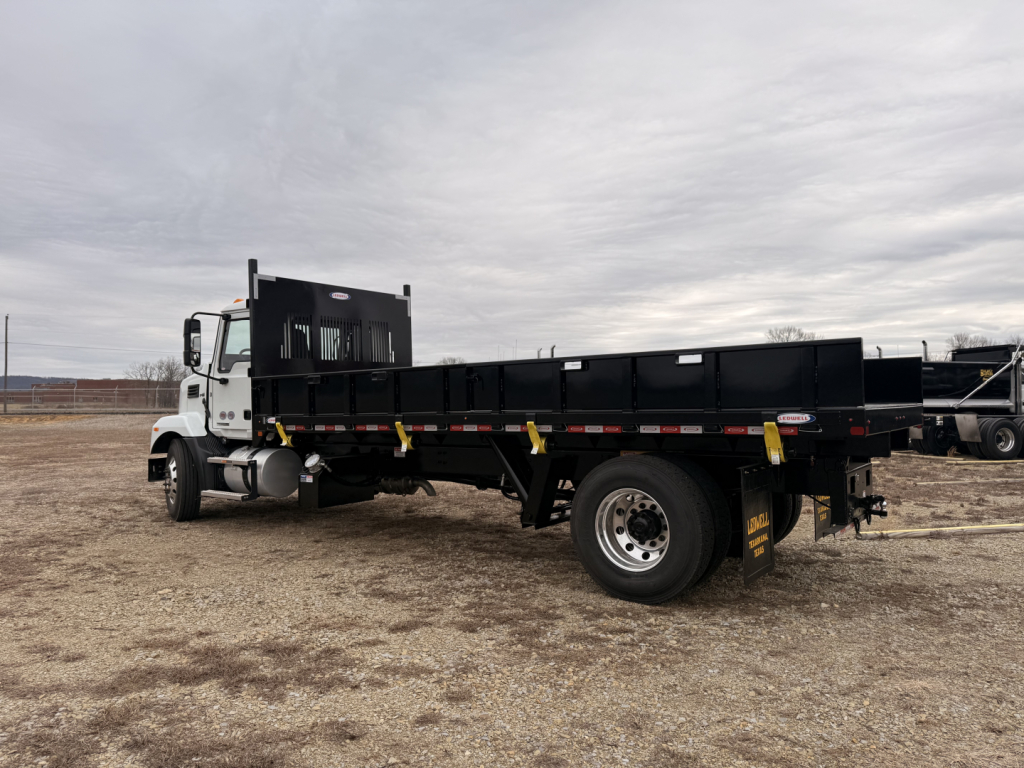
Floor strength separates work-ready bodies from repair-prone units. In van and reefer bodies, target 1.25 to 1.5 inch laminated hardwood or interlocked aluminum plank floors with 8K to 10K forklift ratings, tight crossmember spacing at 12 inches in dock impact zones, and robust sills to spread concentrated loads. Aluminum plank saves weight, hardwood absorbs impact, composite sills resist rot. Add scuff liners 12 to 24 inches high to shield wall posts. Dump trucks benefit from AR400 or AR450 floors at 3/16 to 1/4 inch with formed sides and wear plates, trading a modest weight increase for longer life with aggregates and demo debris. Stake and flatbed bodies with apitong or aluminum decks, recessed chain pockets, and rub rails handle high point loads and speed securement.
Thermal integrity determines product quality and fuel use for reefer trucks. Insulation thickness and foam density drive R value, look for tight foam in place construction, minimized thermal bridges at posts and sills, and high compression rear and side door seals. Vapor barriers and stainless or aluminum thresholds limit condensation and rot. Ducted floors with deep channels maintain front to rear airflow, smooth interior liners clean faster and resist gouging from pallet jacks. Modern reefer units add electric standby, telematics, low GWP refrigerants, and integrated data logging to document temperature compliance on every run.
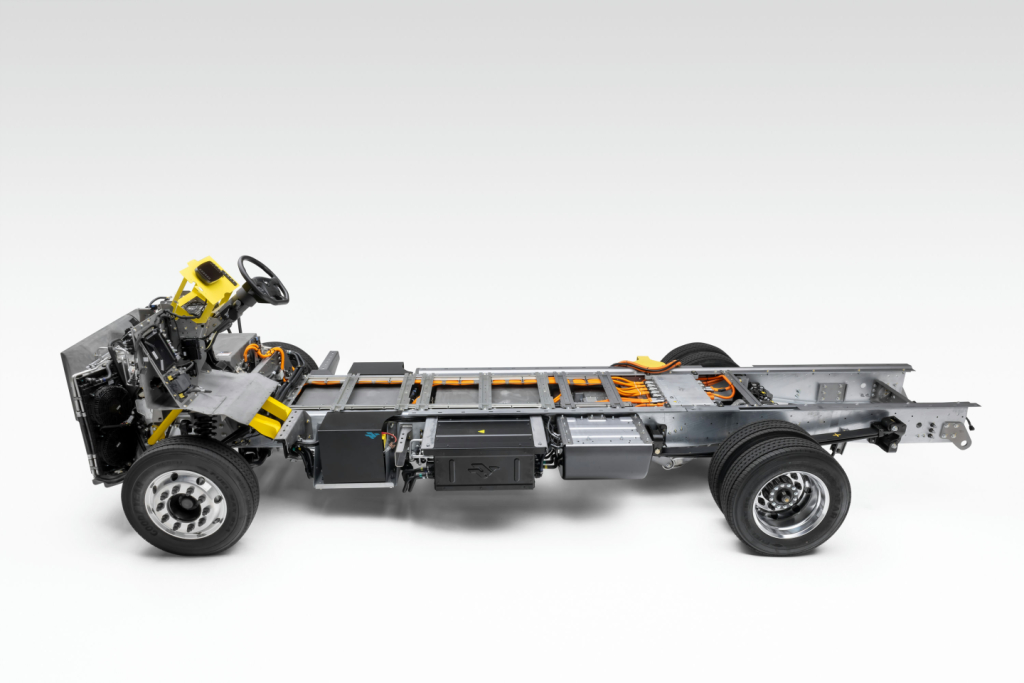
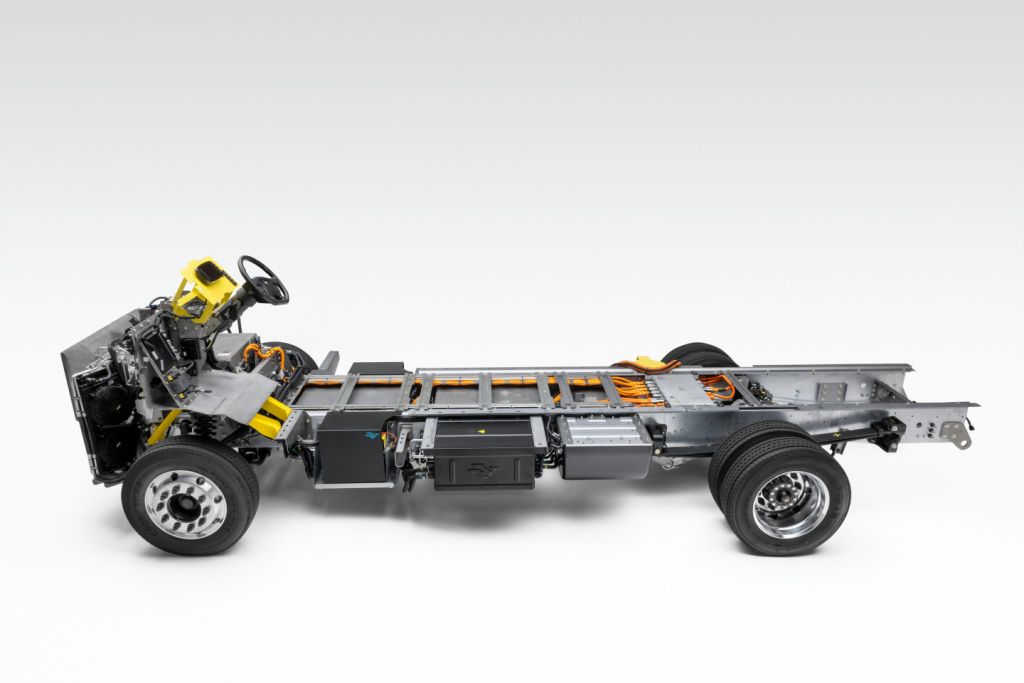
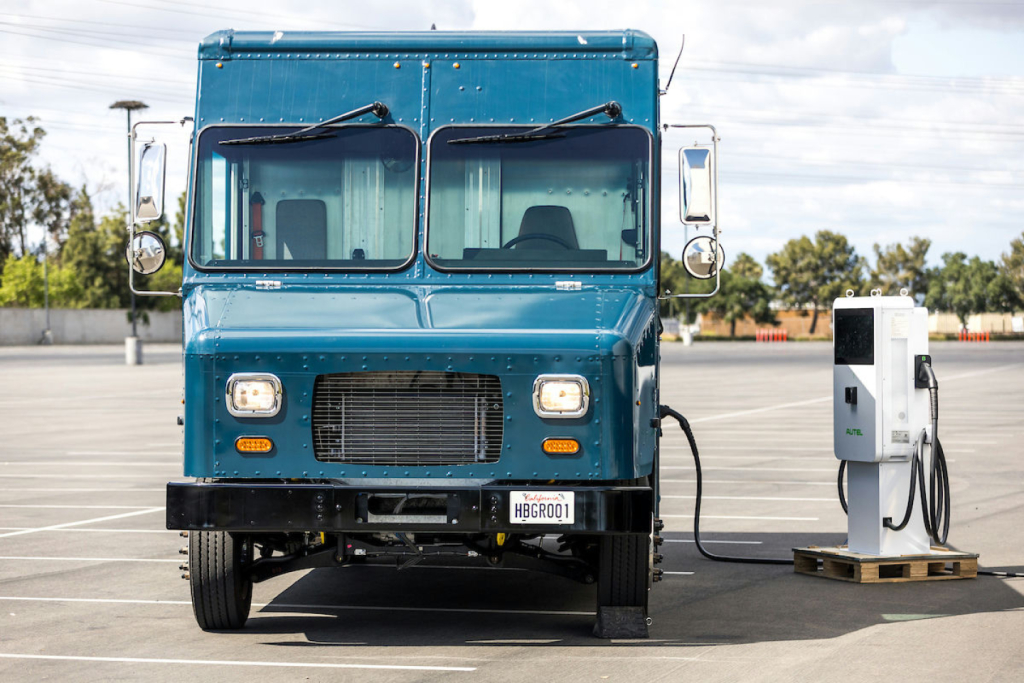
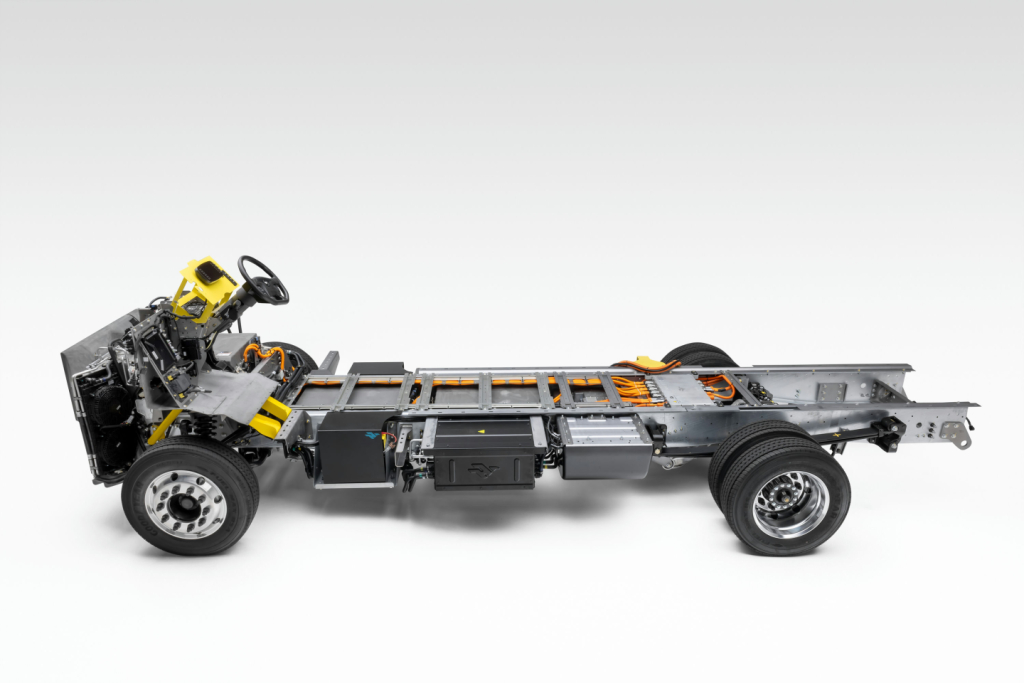
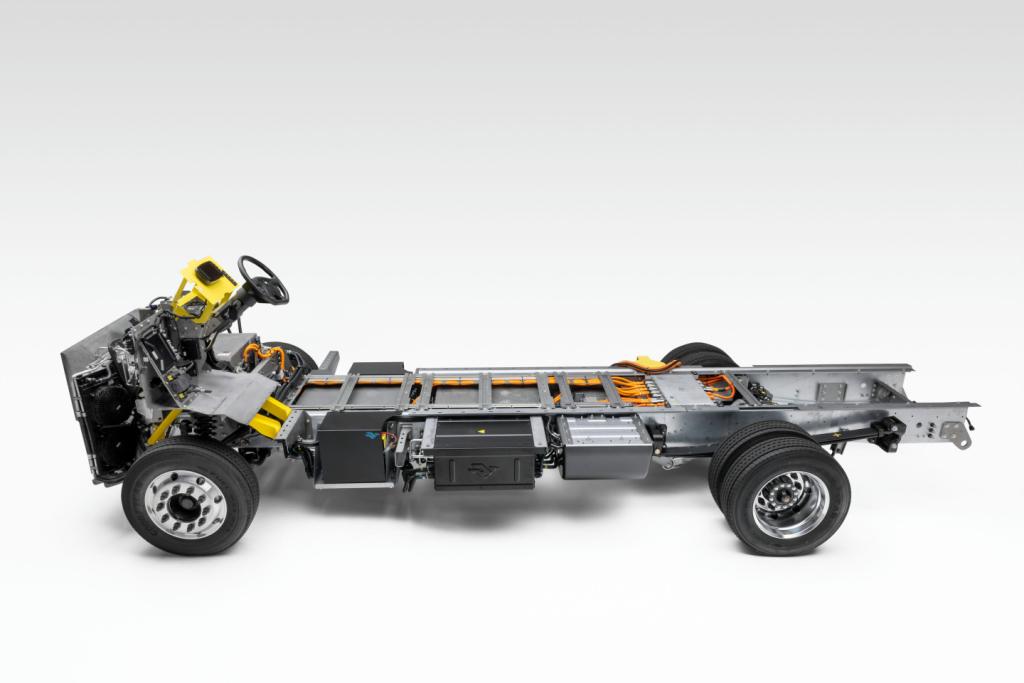
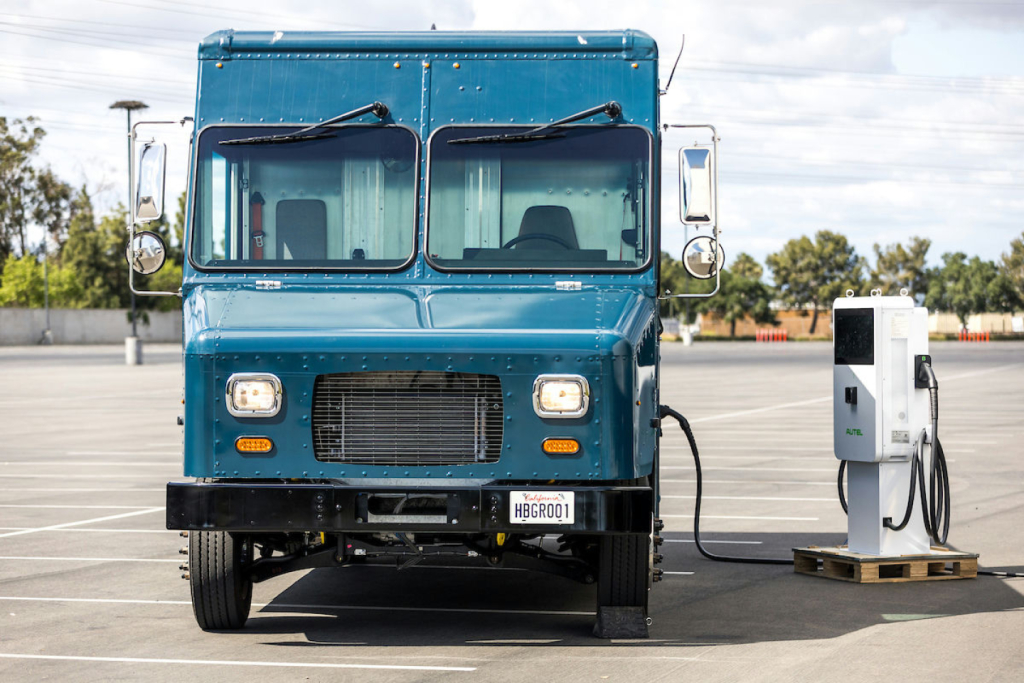
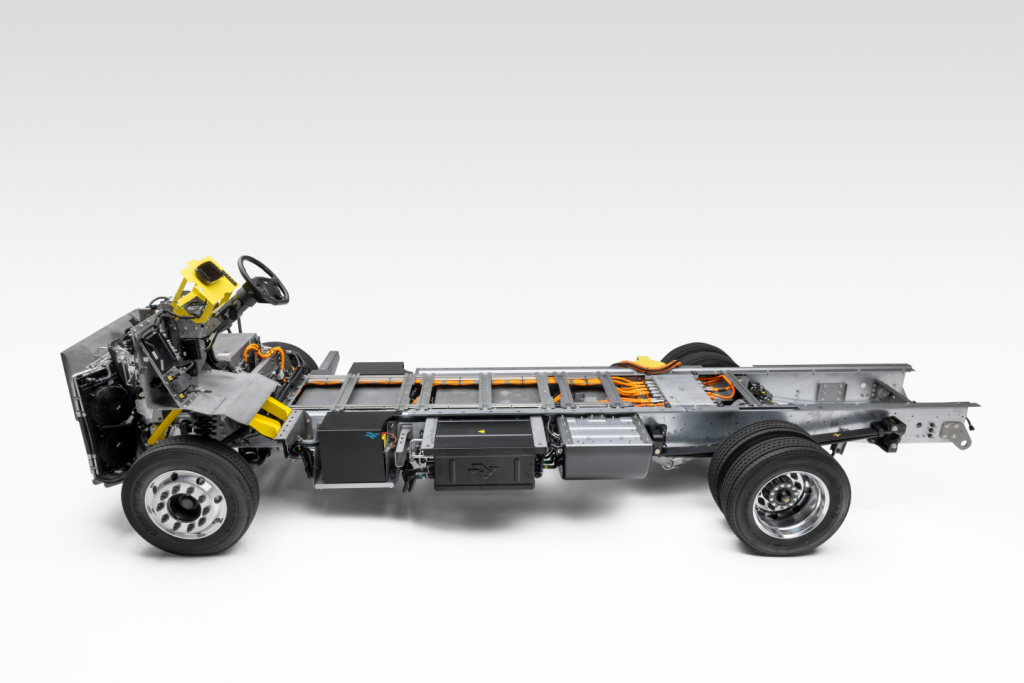
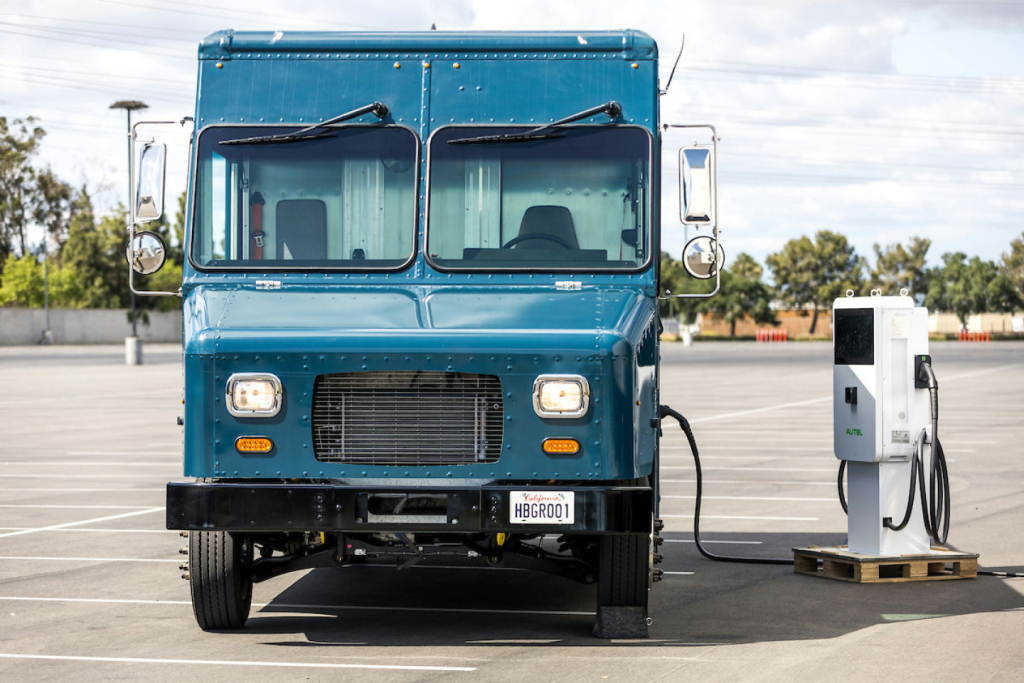
Tare weight is a recurring cost, every 500 pounds saved can add revenue payload or reduce fuel consumption. Spec 6x2 or liftable pusher axles where conditions allow, choose aluminum wheels and wide base singles to shed weight, and right size fuel and DEF capacity to the route. Diesel remains the payload and range leader, near zero natural gas cuts NOx and particulates, battery electric suits short to medium regional duty with quiet operation and low maintenance, but adds curb weight and needs planned charging windows. Safety and uptime features such as collision mitigation, adaptive cruise, TPMS, and reinforced cooling packages for vocational heat loads protect drivers and components. In corrosive environments, prioritize stainless fasteners, sealed electrical connectors, galvanized or composite crossmembers, drain paths, and underbody coatings to keep trucks tight for the long run.
Frequently Asked Questions about 2025 Commercial Trucks
What forklift floor rating should I target in a 2025 box or reefer truck body?
Calculate the forklift weight plus the heaviest pallet the truck will see, then ensure the floor and crossmember system is rated to handle the axle load as a point load. For most LTL and foodservice operations, an 8K to 10K forklift rating with 12 inch crossmember spacing and reinforced dock plates is a solid baseline. High cycle dock work, heavy beverage, or double stack operations may justify tighter spacing in the rear bay and aluminum plank or laminated hardwood at 1.5 inches to limit deflection and screw pull out.
How do I evaluate thermal integrity on a 2025 reefer truck?
Look at insulation thickness and continuity, not just a generic R value. Foam in place construction that fills cavities tightly, minimized thermal bridges at posts and rear thresholds, and high compression door seals hold temperature with fewer run hours. Inspect vapor barriers at the floor and walls, confirm ducted floor channels for even airflow, and review telematics or data logs for pull down time and temperature stability during door cycles. Electric standby can reduce engine hours at docks and help verify box tightness without diesel noise.
How does tare weight spec affect payload and operating cost on a 2025 semi truck?
Lower tare weight increases legal payload and reduces the energy needed to move the truck, which improves fuel economy. Savings come from aluminum wheels, wide base single tires, 6x2 or liftable pushers, aluminum cabs and tanks, and right sized cooling and fuel capacity. The tradeoffs include traction management for 6x2, tire selection and rotation discipline for wide base singles, and potential ride differences versus heavier spec components. Model the route and weigh station data to select the lightest spec that still meets durability and traction needs.
What corrosion protection features are worth paying for on 2025 trucks used in road salt regions?
Prioritize e coated or powder coated frames with wax injected rails, galvanized or composite crossmembers, stainless fasteners and hinges, sealed electrical connectors with heat shrink, and abrasion resistant loom routing. Aluminum cabs and fuel tanks reduce rust risk, while underbody coatings and well designed drain paths prevent brine from pooling. For vocational units, consider stainless brake lines, sealed bushings, and periodic brine neutralizer washes to maintain protection through multiple winters.
Are 2025 battery electric trucks practical, and what is the payload impact?
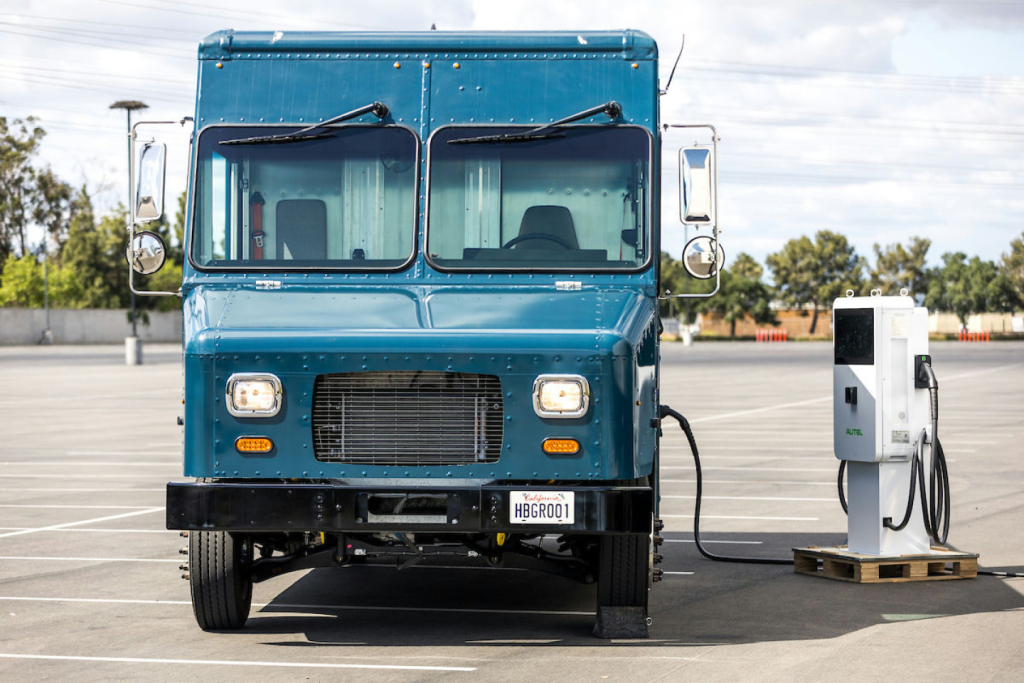
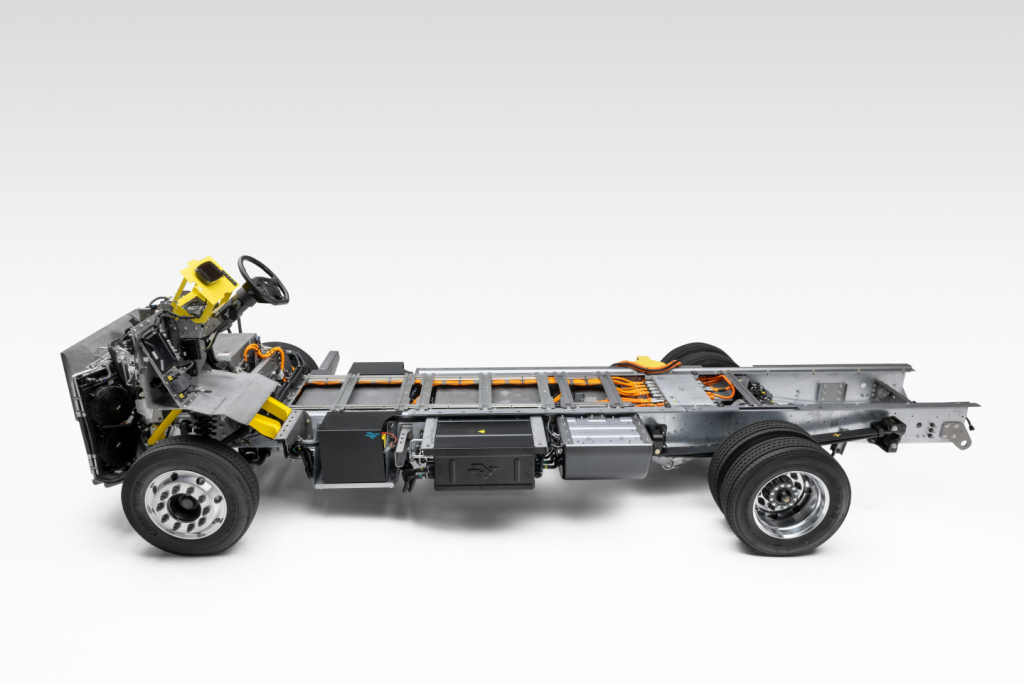
Battery electric trucks are well suited to urban and regional routes with predictable daily mileage, frequent stops, and depot charging. They deliver quiet operation and reduced maintenance, but the battery pack adds weight that can trim payload by roughly 2,000 to 5,000 pounds depending on class and pack size. Many jurisdictions allow weight allowances for zero emission vehicles, and regenerative braking reduces brake wear. Plan for charging dwell time, ambient temperature effects, and telematics to manage state of charge and route efficiency.