
2025 Flatbed Trucks For Sale
Shop 2025 flatbed trucks for hauling, construction, hotshot, and delivery work. Compare GVWR, bed lengths, chassis, towing, and upfit options.
Selling a 2025 flatbed truck? List your 2025 flatbed truck for sale and reach thousands of commercial buyers.
2025 Flatbed Trucks
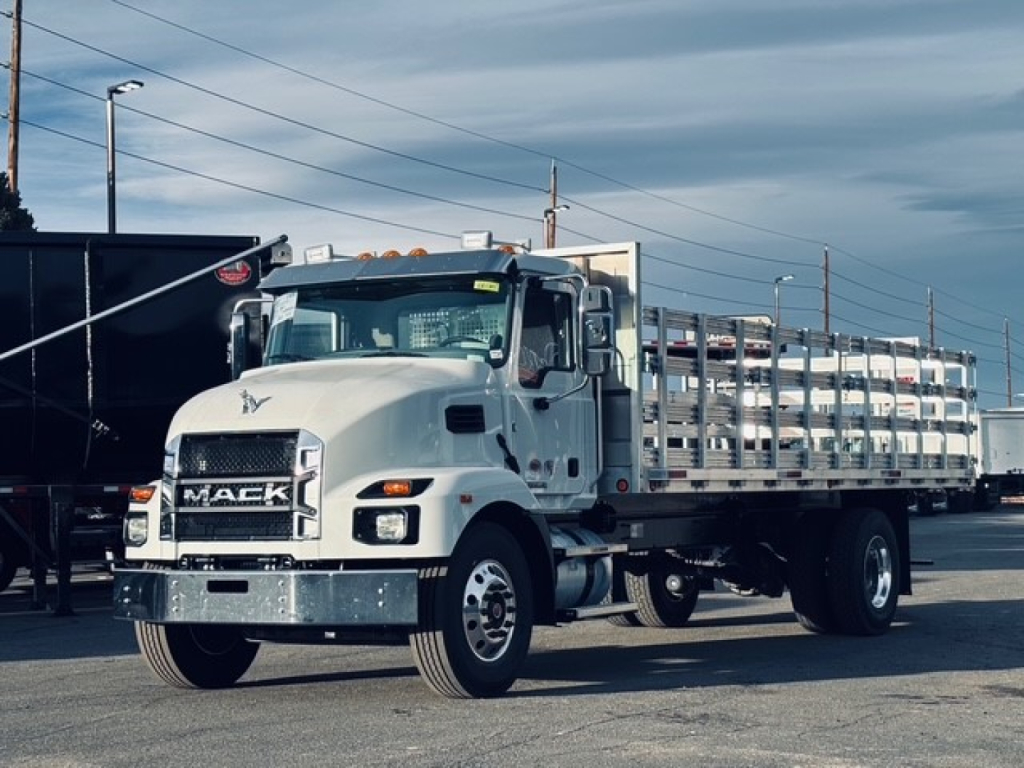
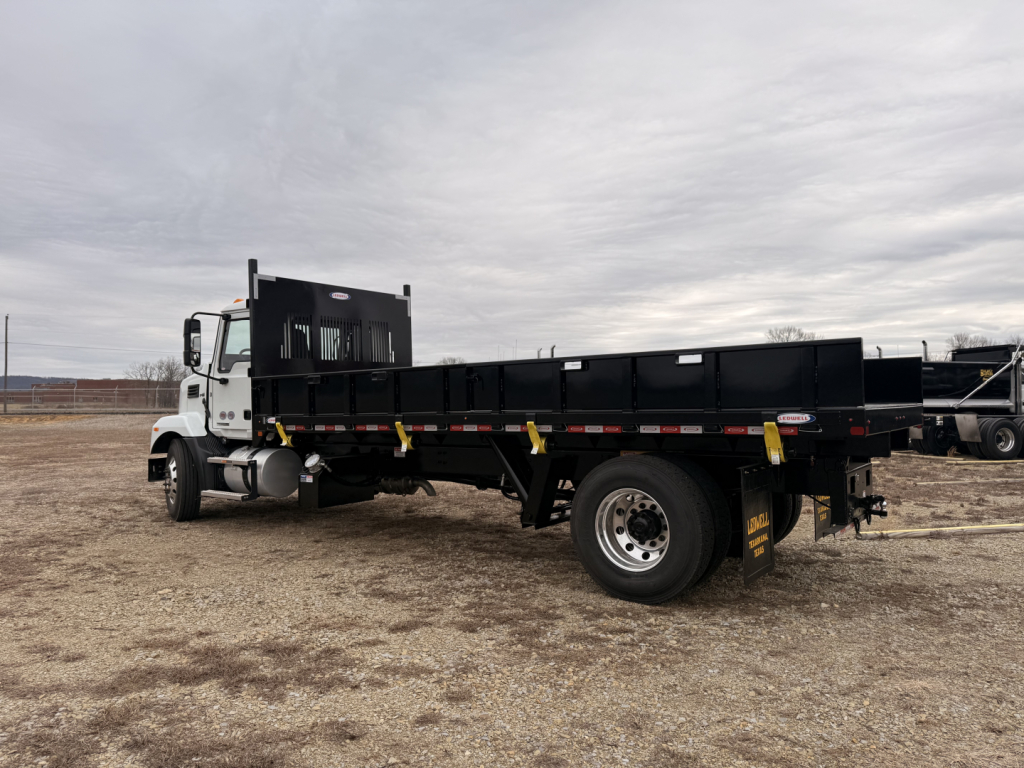
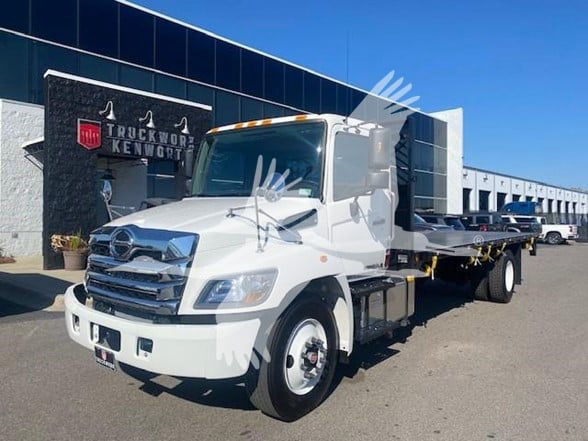
Body configuration matters as much as the cab and powertrain. Common 2025 setups include steel or aluminum flatbeds, contractor bodies with integrated toolboxes, and hauler-style beds with gooseneck hitches. Deck lengths often run from about 9 to 16 feet on pickup-based chassis and longer on medium-duty trucks. Key body features include rub rails, stake pockets, headache racks, winches, sliding tracks, D-rings, scuff-resistant deck surfaces, and rear skirts shaped for better turning clearance. Buyers hauling machinery, steel, pipe, lumber, or palletized freight should pay close attention to deck width, crossmember spacing, tie-down layout, and whether the body is set up for ramps, side rails, or tarping equipment.
On the truck side, diesel power remains common in 2025 flatbed trucks because torque, towing stability, and durability still matter in loaded service. Buyers should compare GVWR, front and rear axle ratings, wheelbase, cab-to-axle measurement, and suspension before focusing on appearance or trim level. If the truck will carry a crane, compressor, welder, or heavy toolbox package, those upfits can materially reduce legal payload. For towing applications, review receiver or pintle capacity, gooseneck or fifth-wheel ratings, trailer brake controller integration, and rear frame reinforcement. Four-wheel drive, crew cab layouts, and automatic transmissions are common in contractor and utility use, while medium-duty regular cab models often make more sense when body length and turning radius are the priority.
A good 2025 flatbed truck should match the freight first and the route second. Urban delivery and service work benefit from tighter wheelbases, better camera visibility, and easier cab access. Jobsite and oilfield use often demand higher ground clearance, aggressive traction, and durable steel body construction. Hotshot and equipment-hauling applications usually favor diesel torque, hitch ratings, and stable dual rear wheel chassis. The strongest listings in this category tend to clearly spell out body manufacturer, exact bed dimensions, hitch specs, toolbox configuration, and GVWR, because those details determine how useful the truck will be on day one.
Frequently Asked Questions about 2025 Flatbed Trucks
What should I look at first when comparing 2025 flatbed trucks?
Start with GVWR, actual payload after the body is installed, and the bed configuration. Those three factors usually determine whether the truck can legally and efficiently handle your freight. After that, compare cab-to-axle measurement, axle ratings, wheelbase, hitch capacity, and the body features that matter for your work such as stake pockets, rub rails, toolboxes, or gooseneck prep.
What is the difference between a flatbed truck and a contractor body?
A standard flatbed is a simple open platform designed for easy loading from the side, rear, or by forklift. A contractor body is a flatbed-style work body that adds integrated side compartments, often a headache rack, and storage for tools, straps, binders, and jobsite equipment. Contractor bodies are common for construction and service crews because they combine cargo deck space with secure storage.
Are aluminum or steel flatbeds better?
Aluminum flatbeds reduce body weight and can improve available payload while offering strong corrosion resistance. Steel flatbeds are typically favored for harder-duty jobsite use because they are rugged, easier to modify or repair in some shops, and often better suited for abusive loading conditions. The better choice depends on cargo type, climate, expected body damage, and how important every pound of payload is to your operation.
Can a 2025 flatbed truck be set up for hotshot hauling?
Yes, many 2025 flatbed trucks are configured for hotshot work, especially heavy pickup-based chassis with dual rear wheels and diesel engines. The most relevant features are gooseneck or fifth-wheel hitch capacity, rear axle rating, cooling capacity, wheelbase stability, trailer brake integration, and bed design around the hitch area. Buyers should also verify combined weight ratings and local regulatory requirements before assuming a truck is suitable for commercial hotshot service.
Why is cab-to-axle measurement important on a flatbed truck?
Cab-to-axle measurement determines what body length and body style will properly fit the chassis. It affects weight distribution, axle loading, deck size, and how well the truck handles with a loaded bed or trailer attached. A mismatch between the chassis and the flatbed can create poor balance, reduced usefulness, or expensive upfit changes, so this measurement is one of the most important fitment specs on any flatbed purchase.