
2025 Step Van Trucks For Sale
Shop 2025 step van trucks built for delivery, parcel, route service, and urban fleets with efficient cargo space and walk-through access.
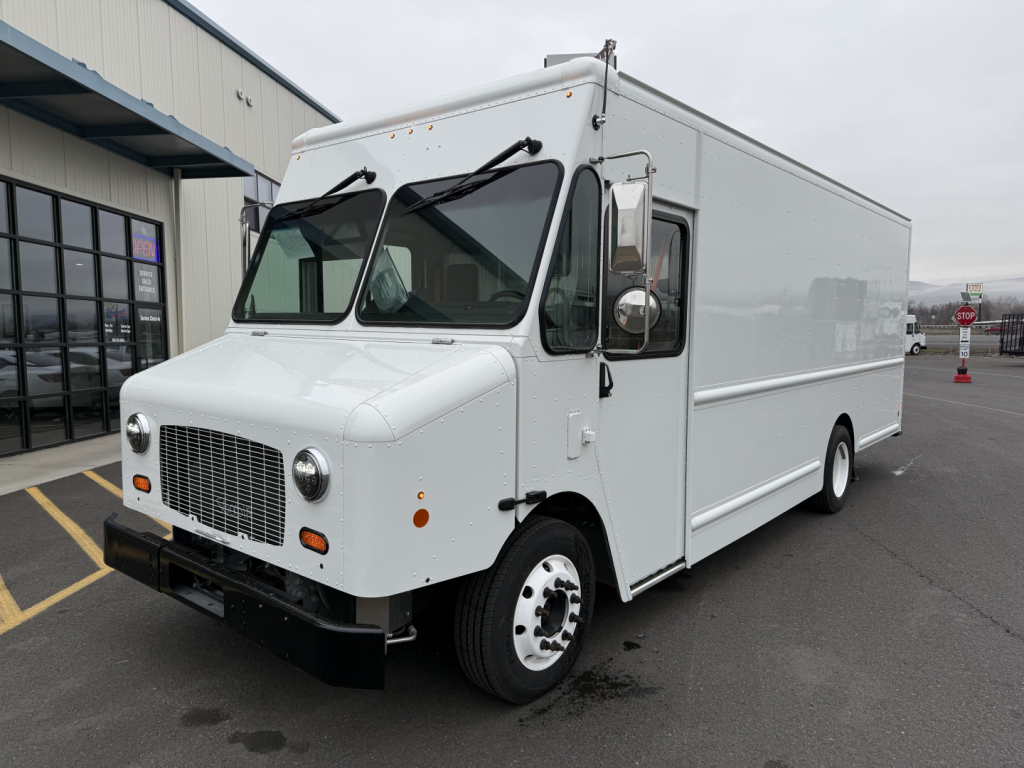
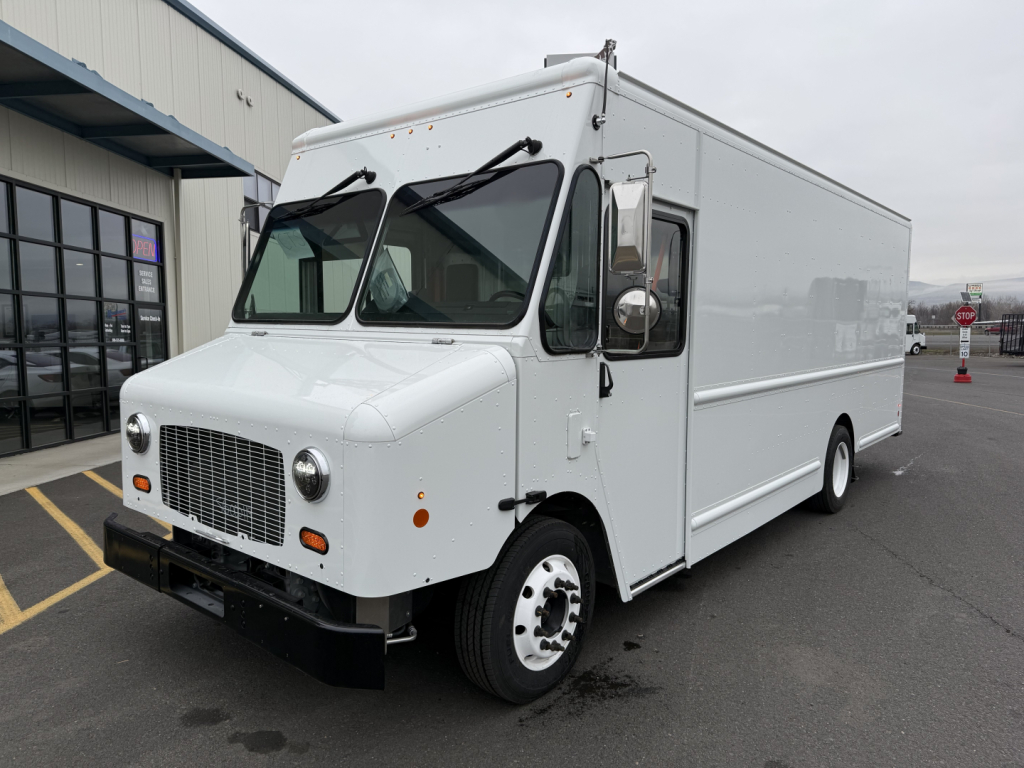
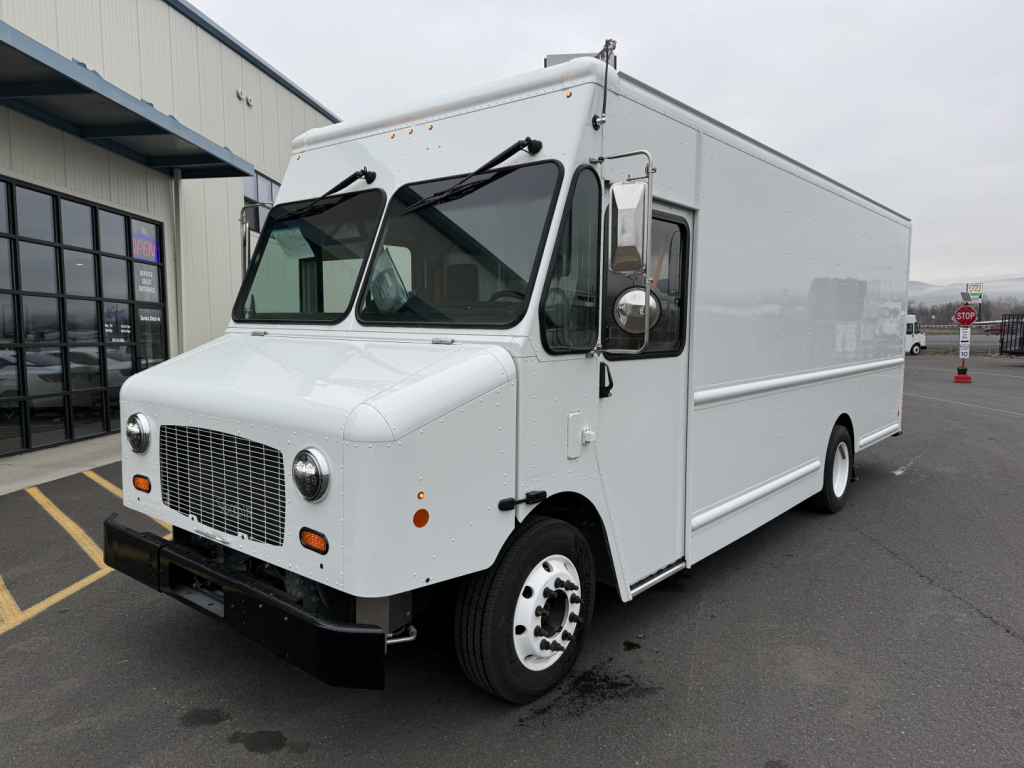
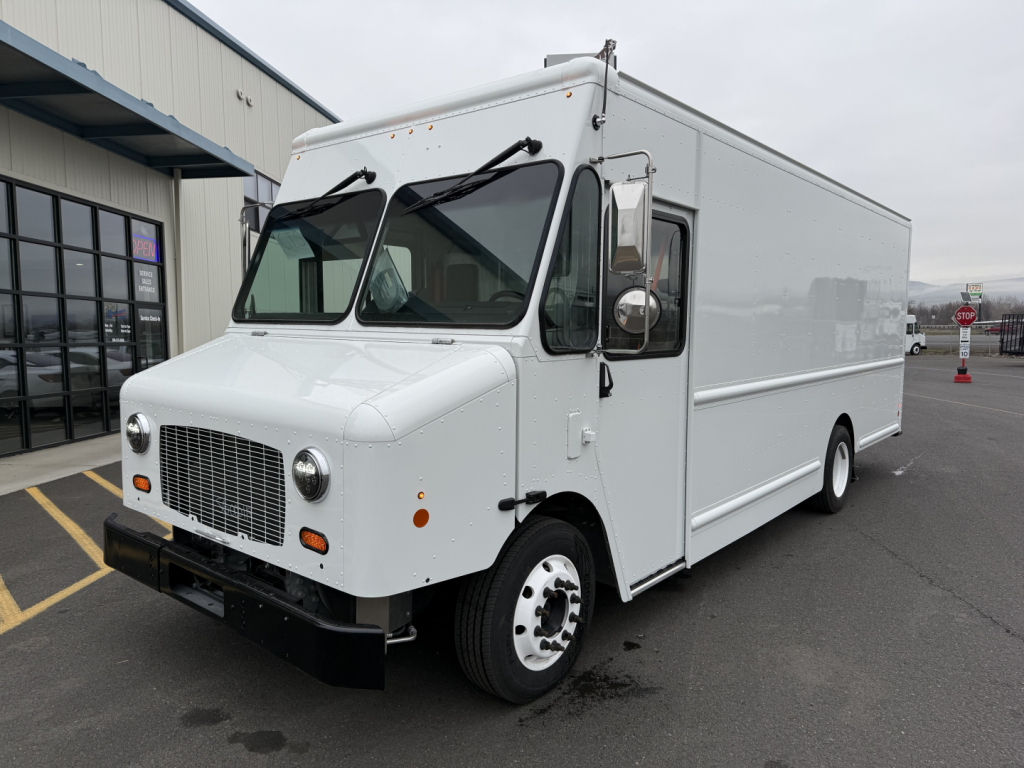
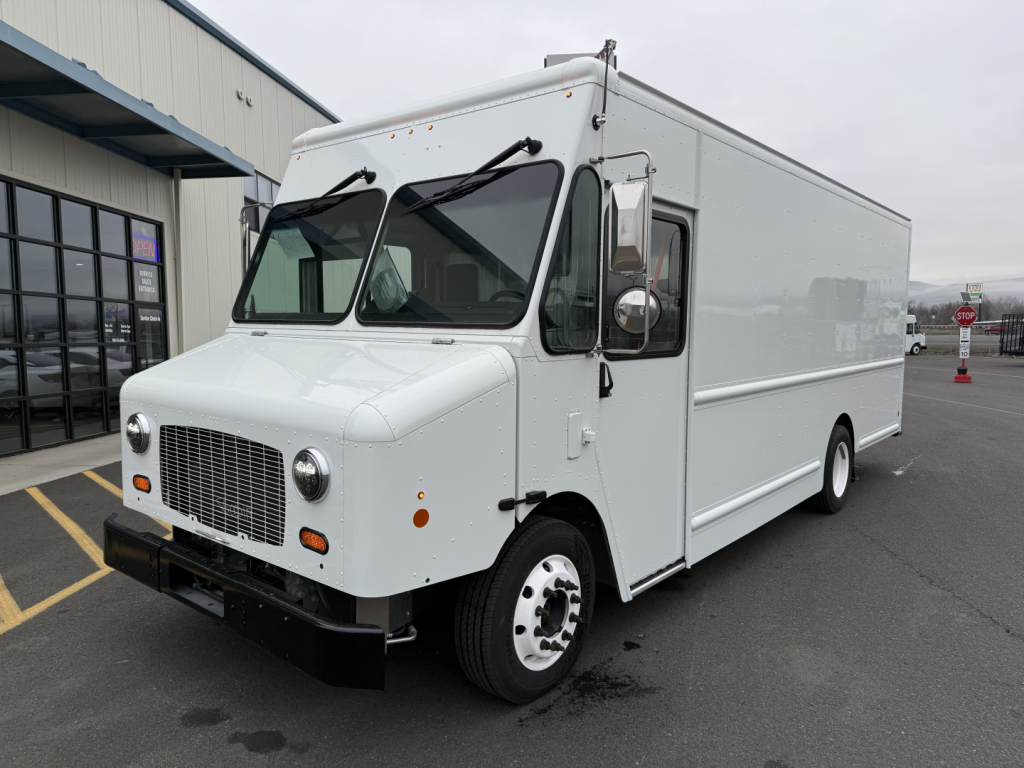
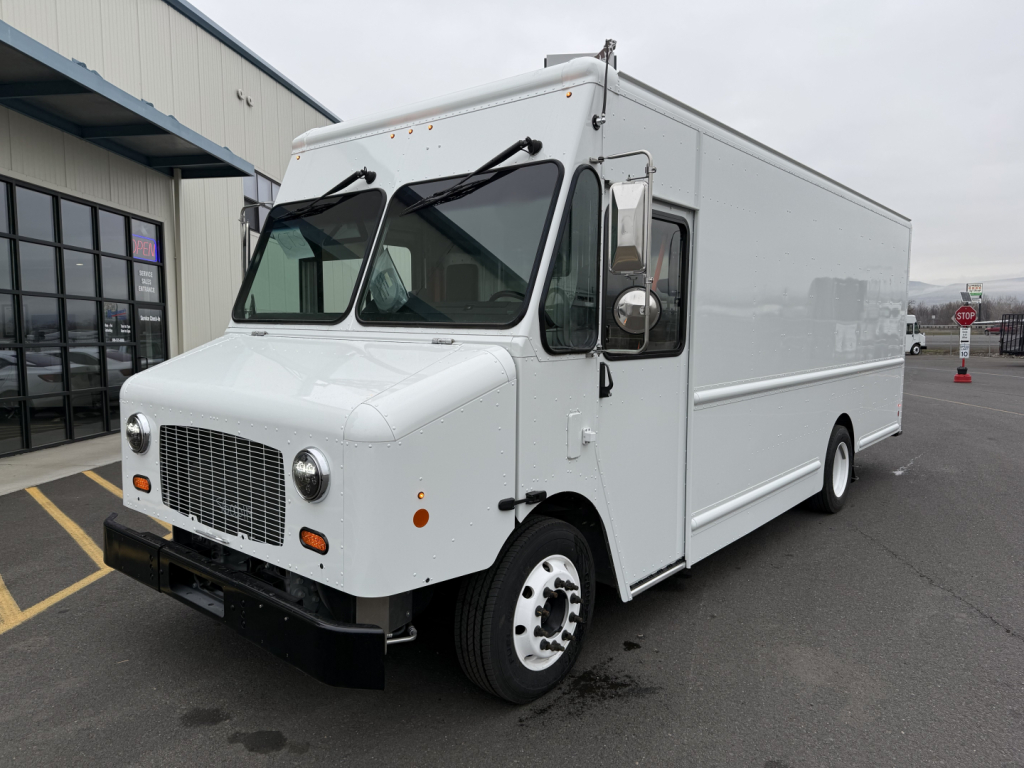
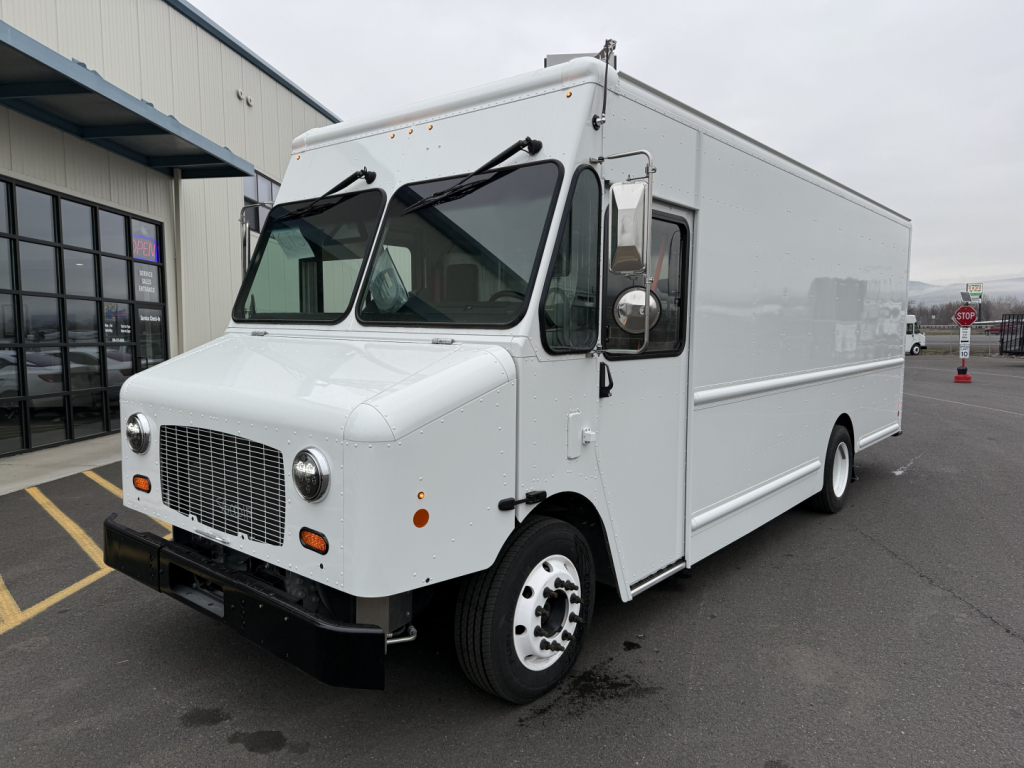
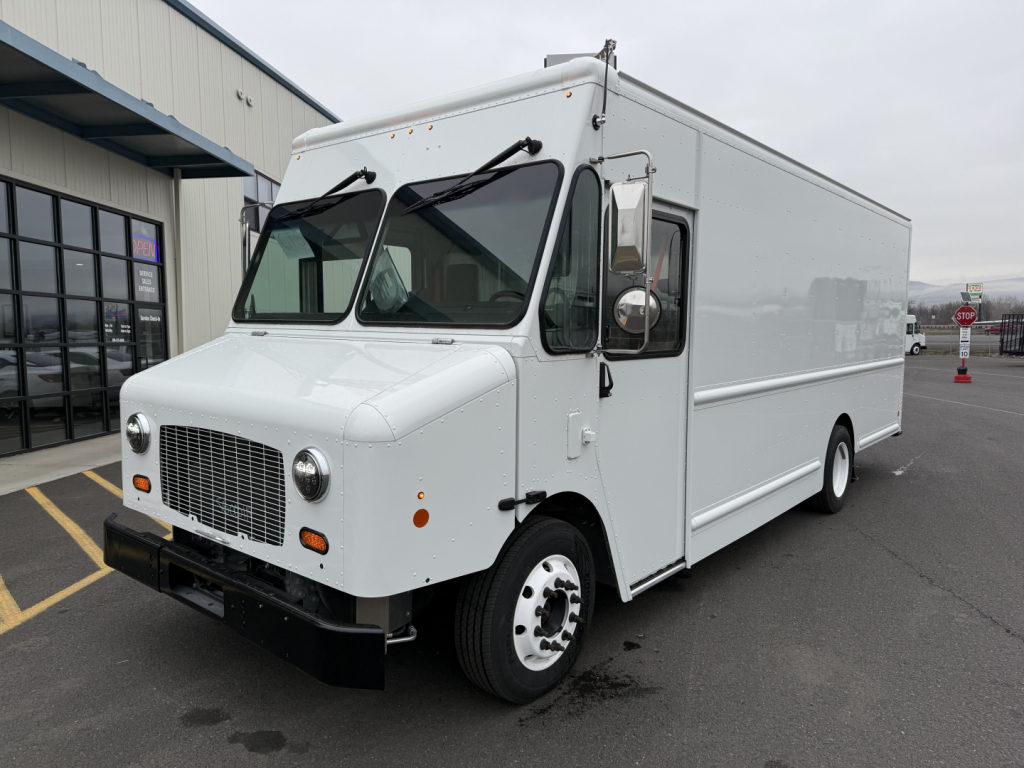
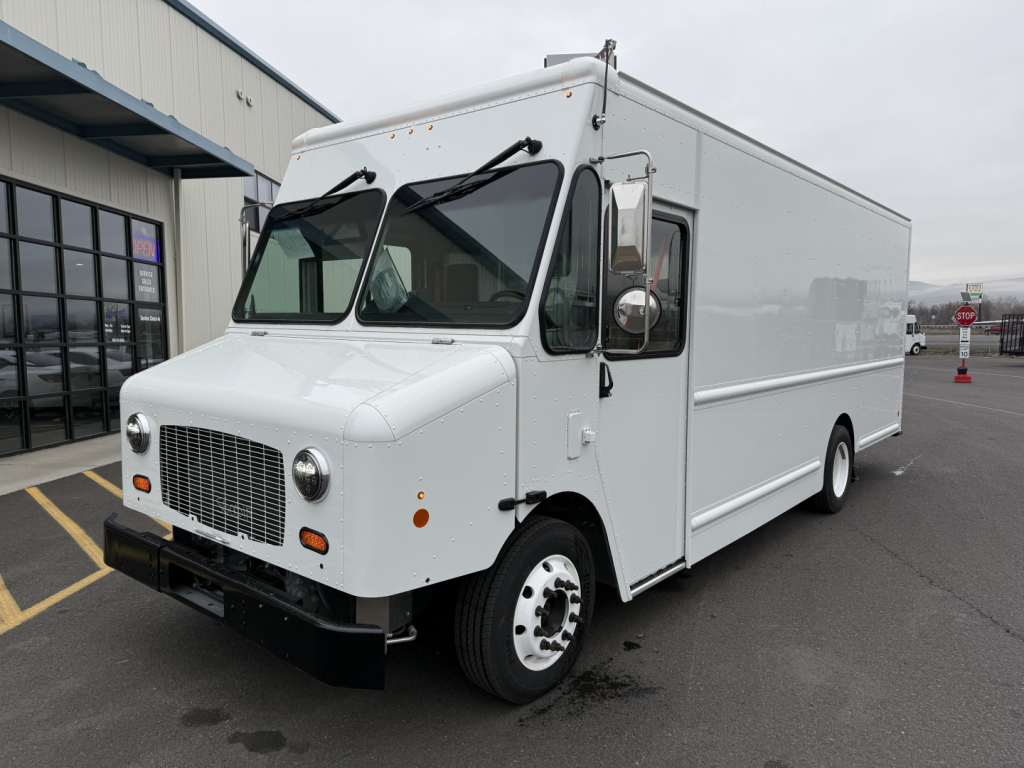
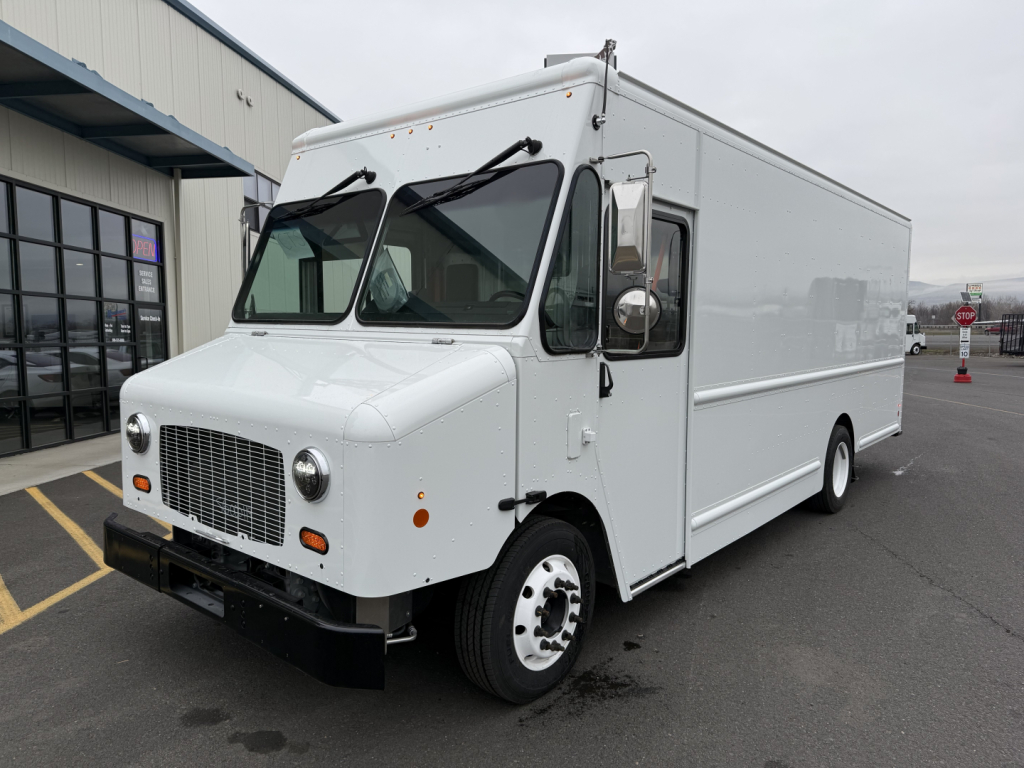
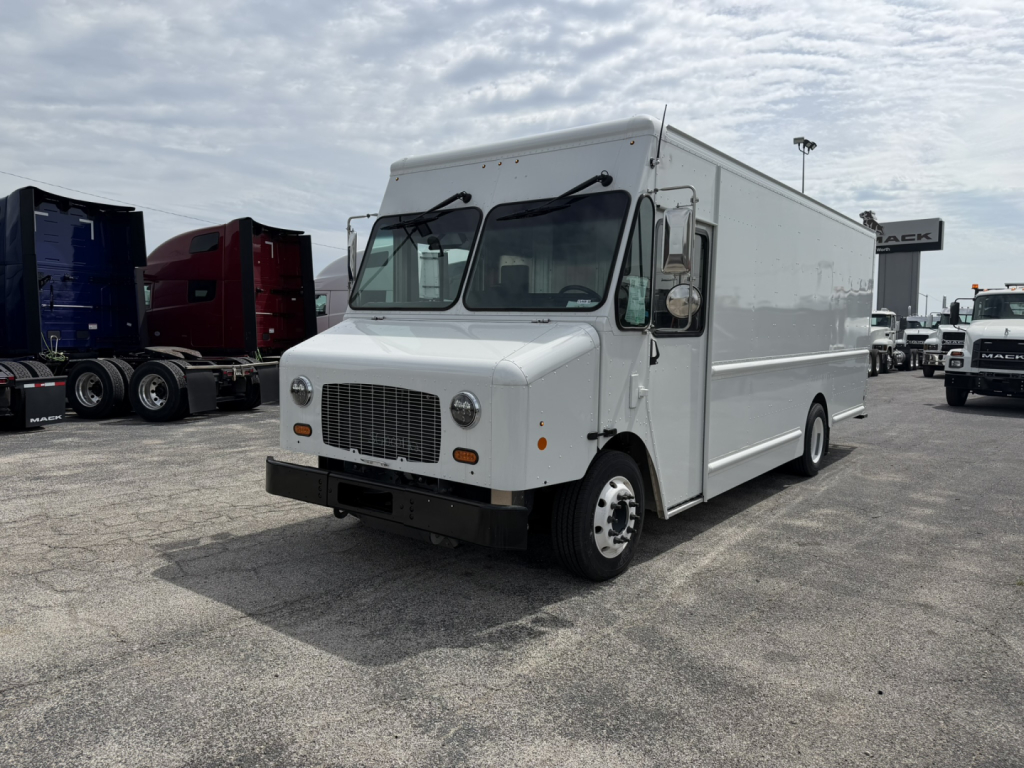
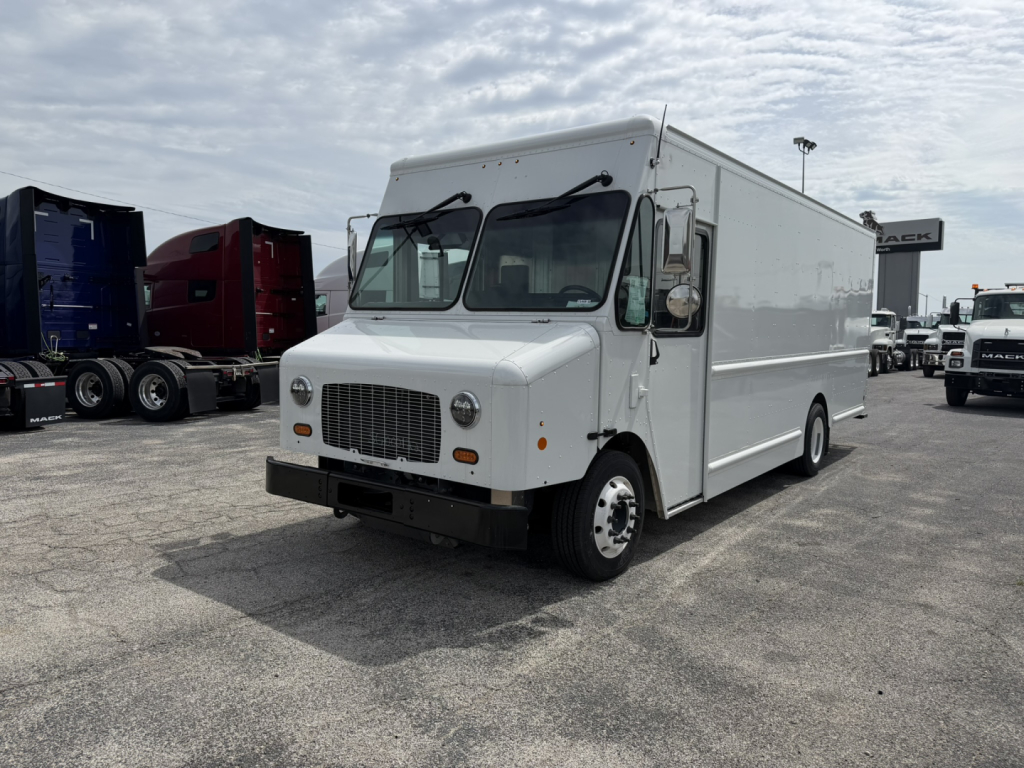
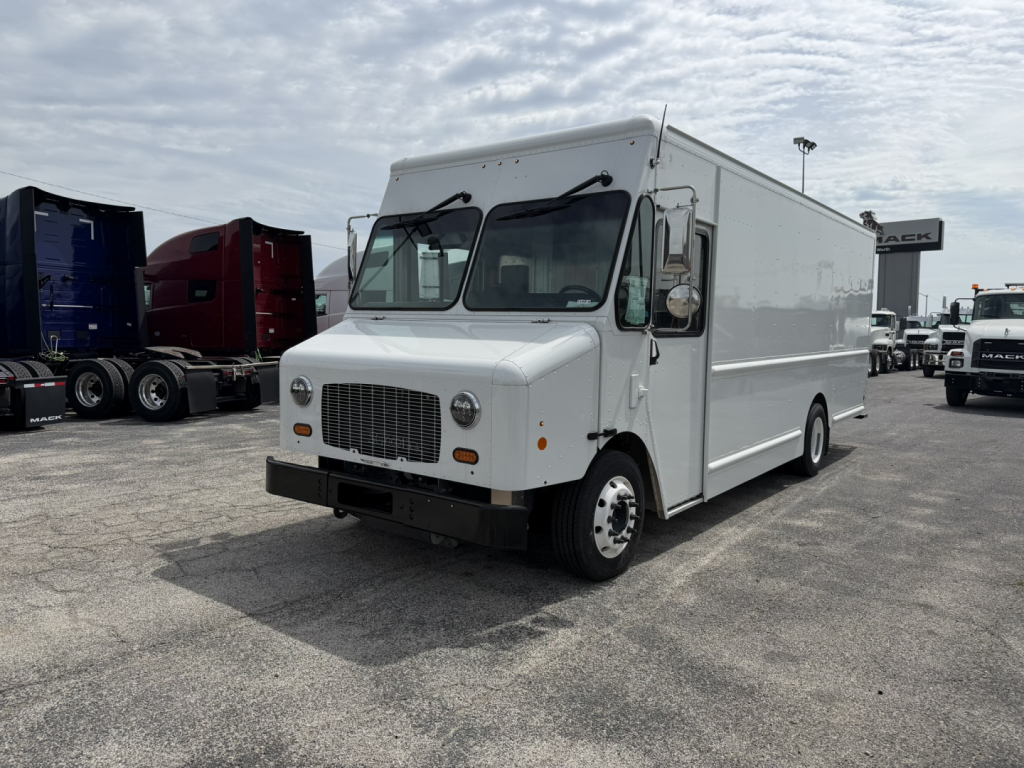
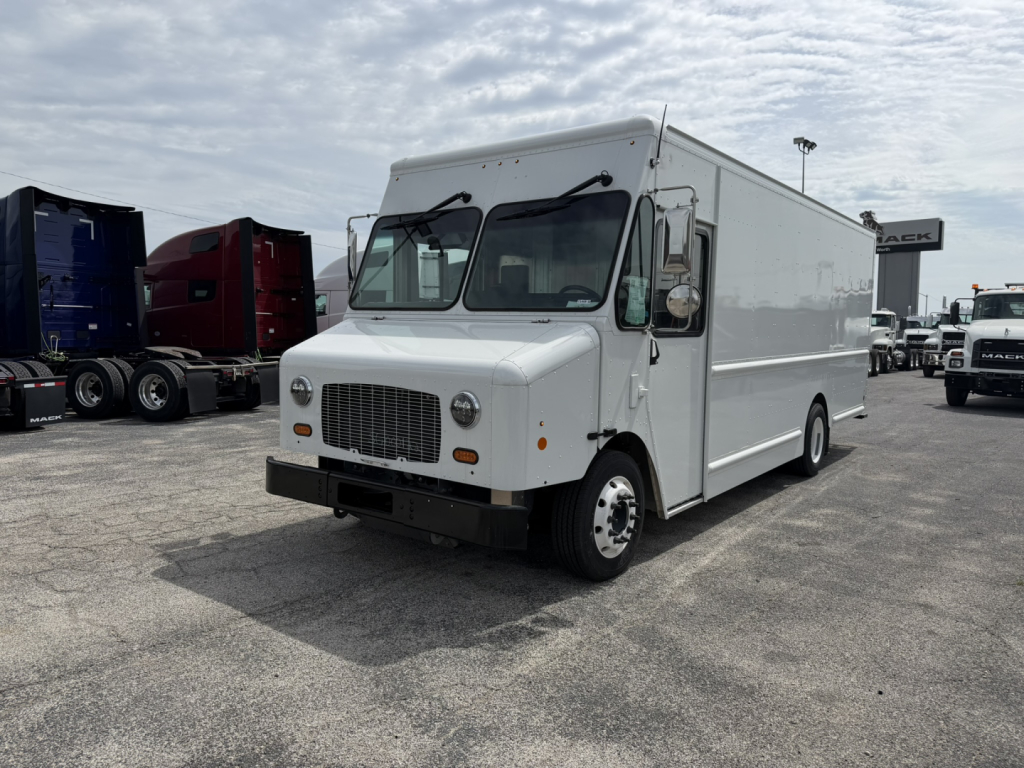
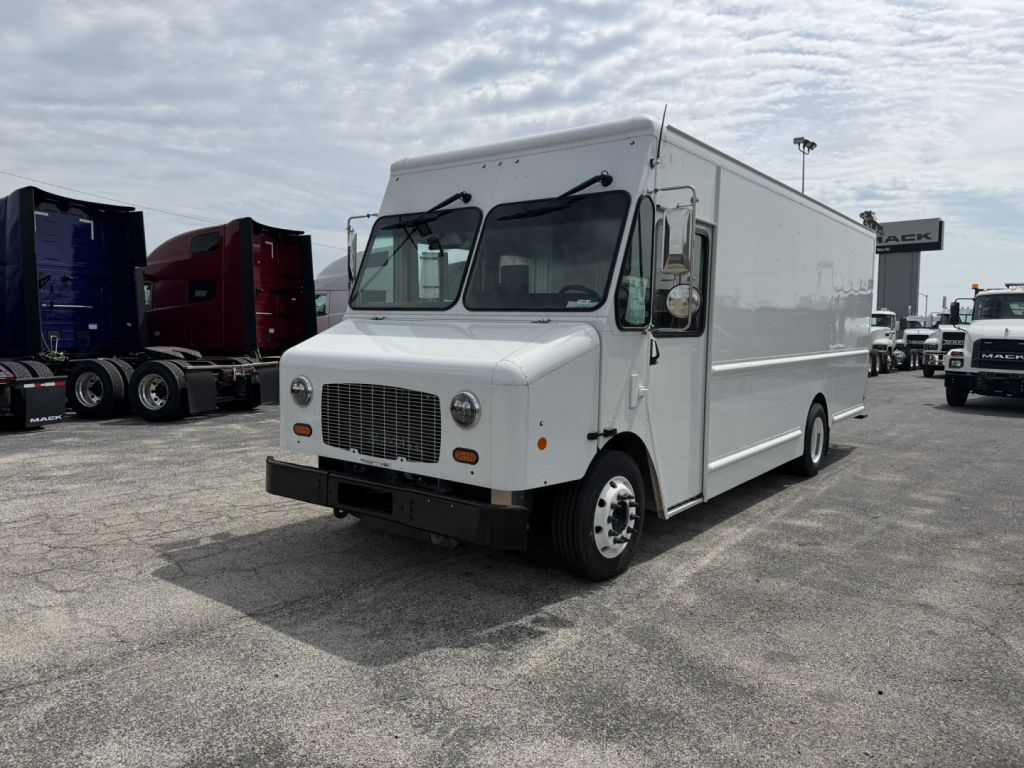
Selling a 2025 step van truck? List your 2025 step van truck for sale and reach thousands of commercial buyers.
2025 Step Van Trucks
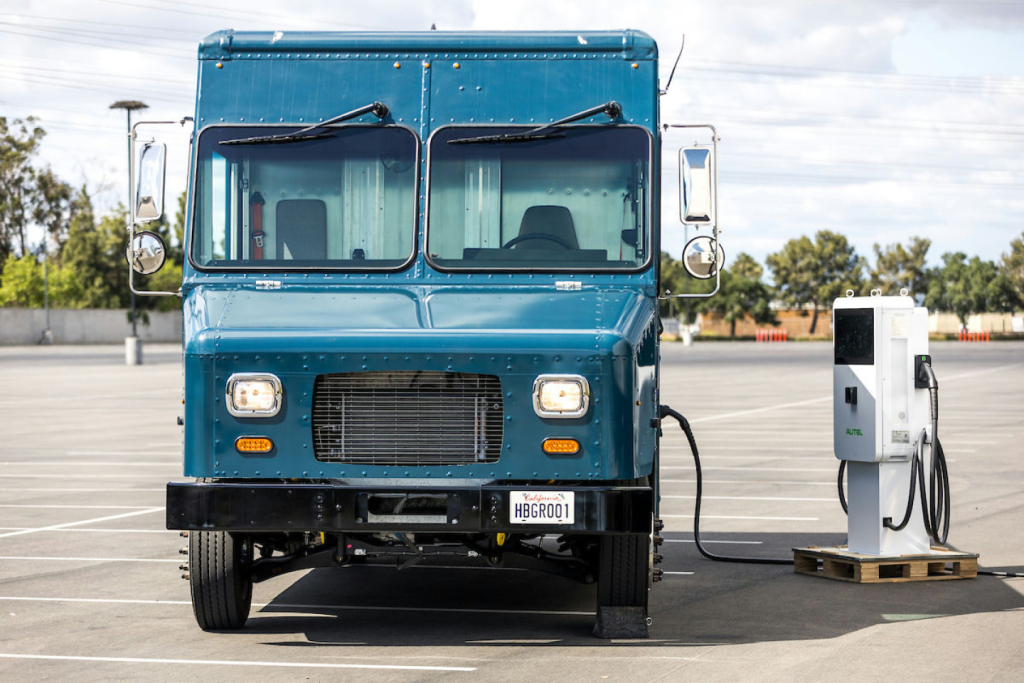
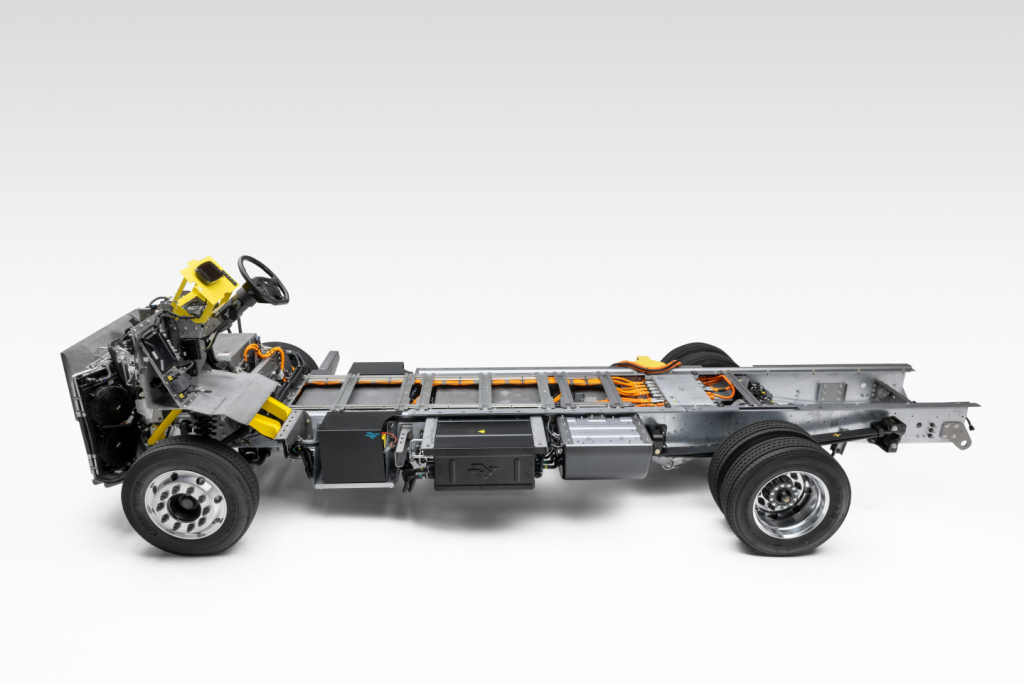
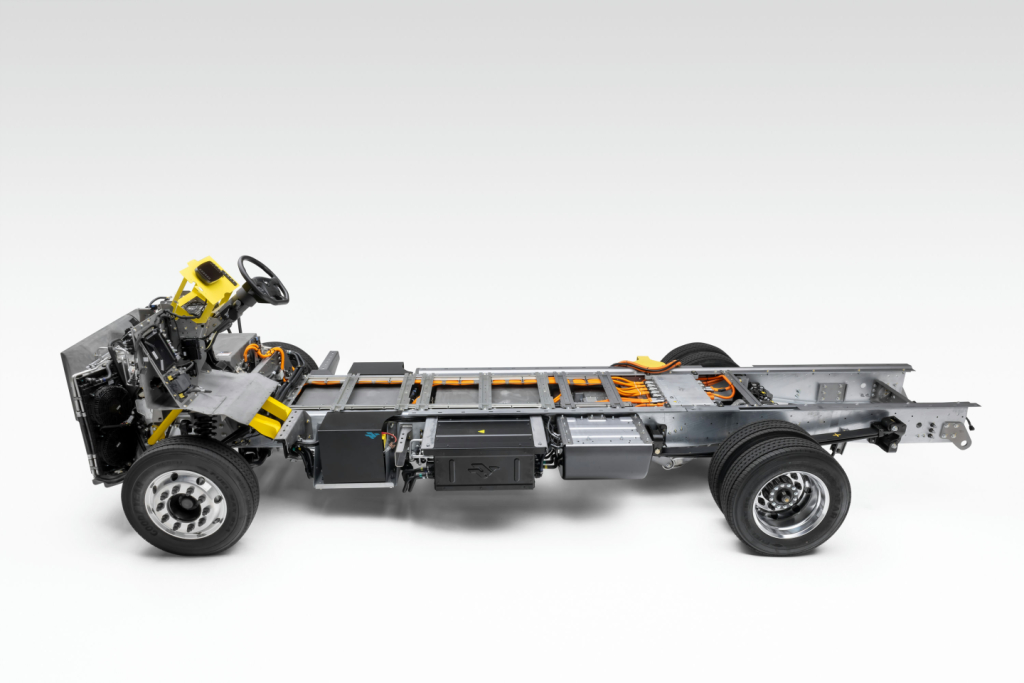
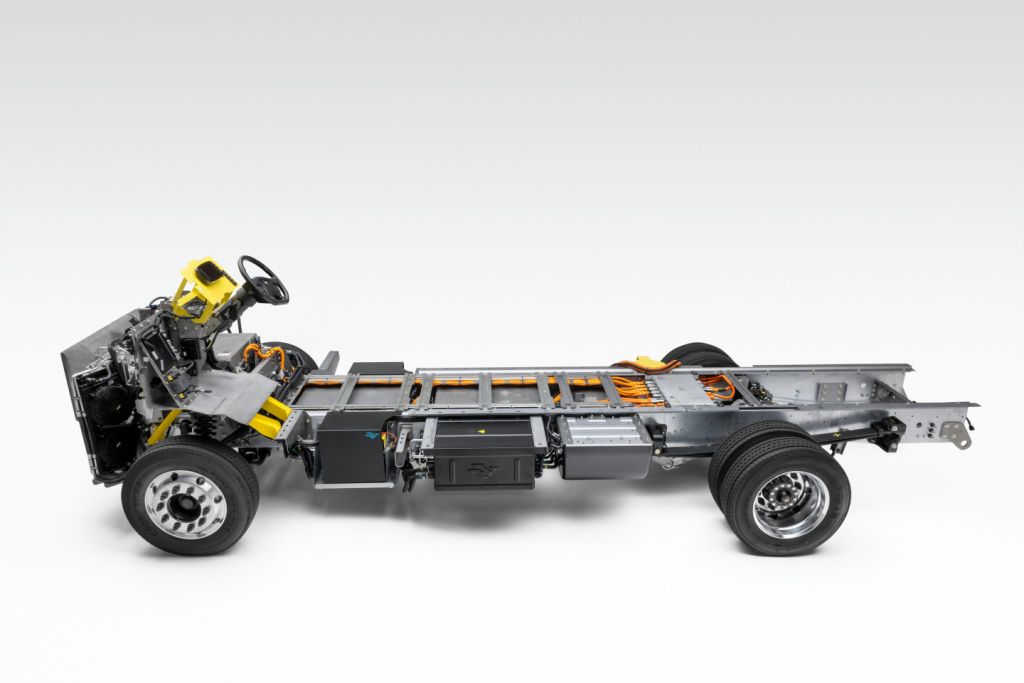
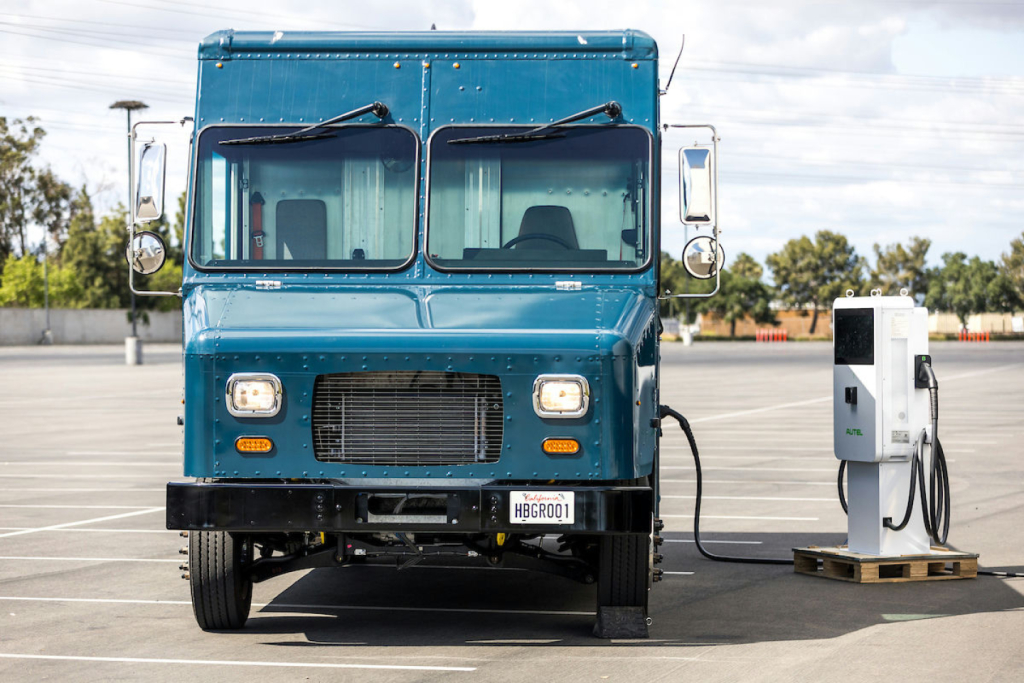
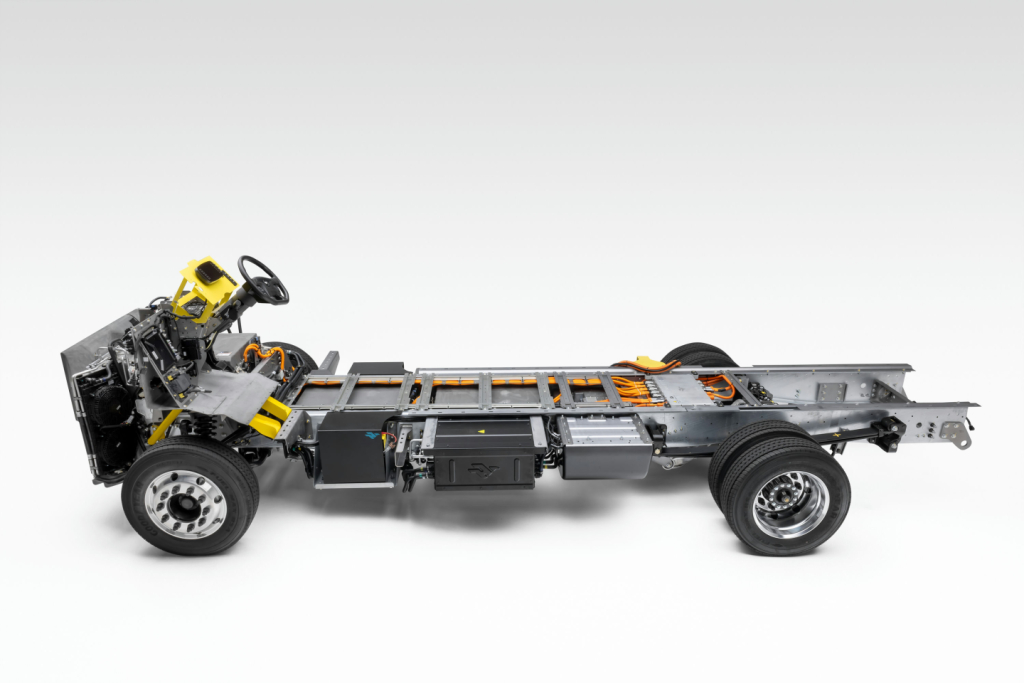
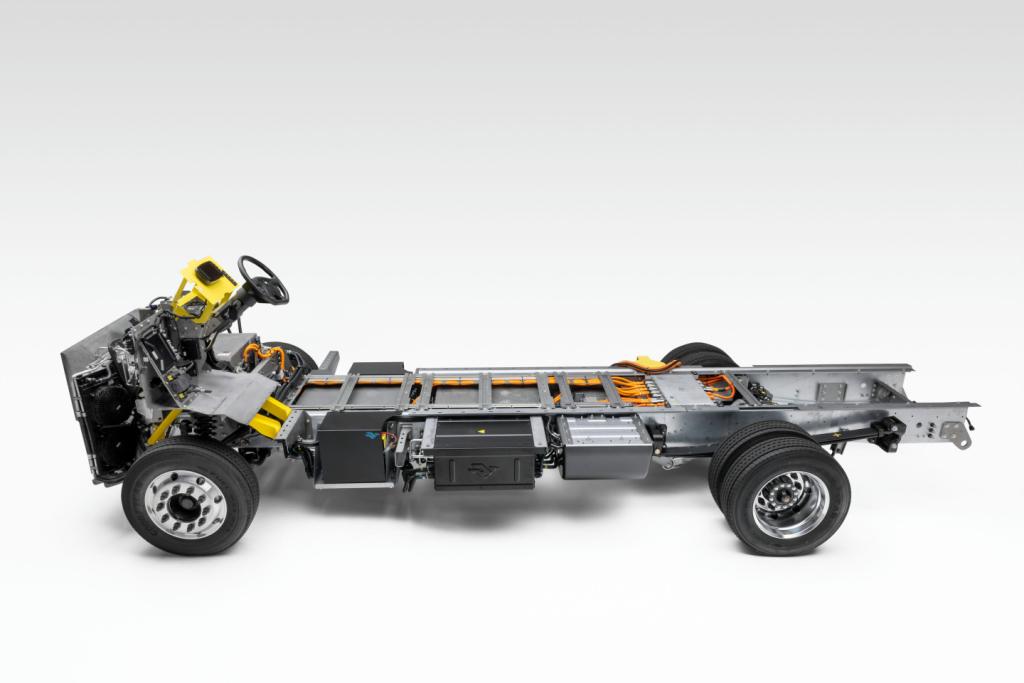
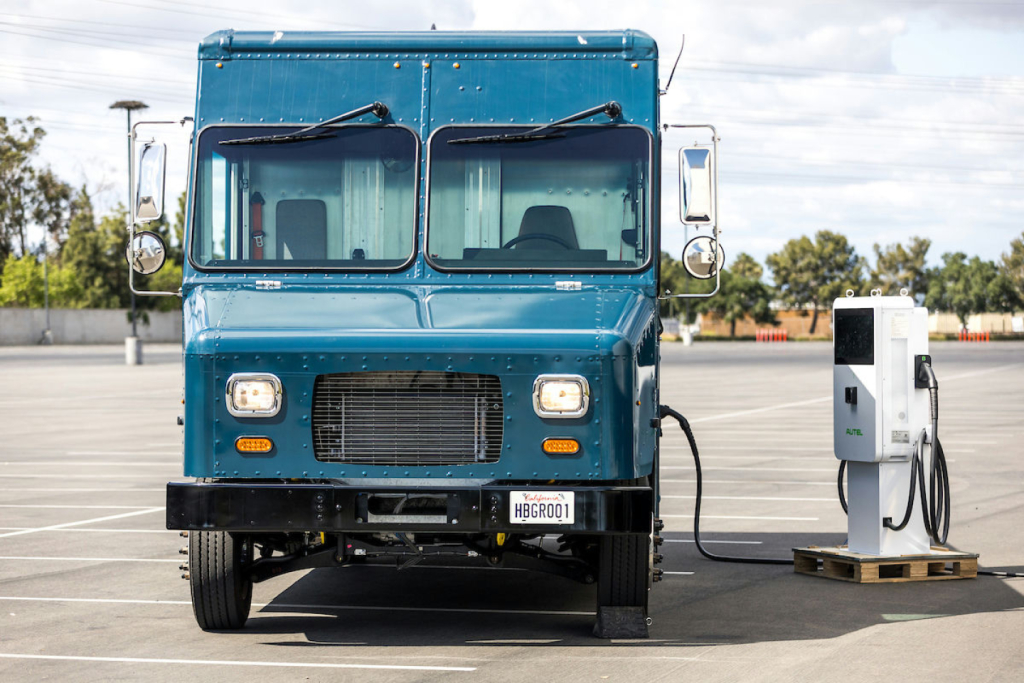
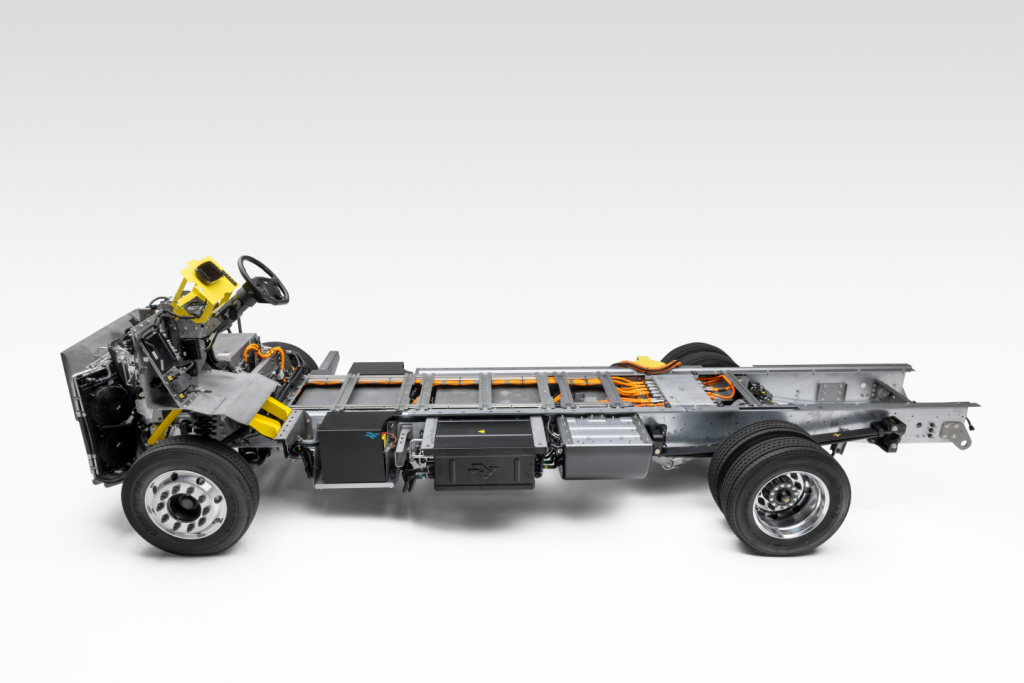
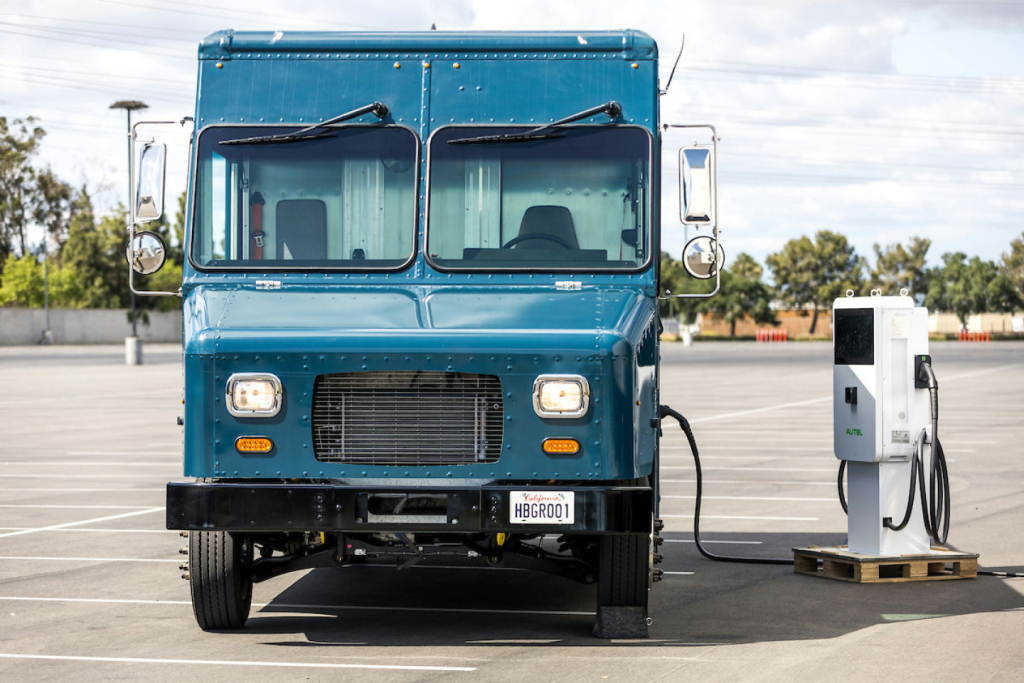
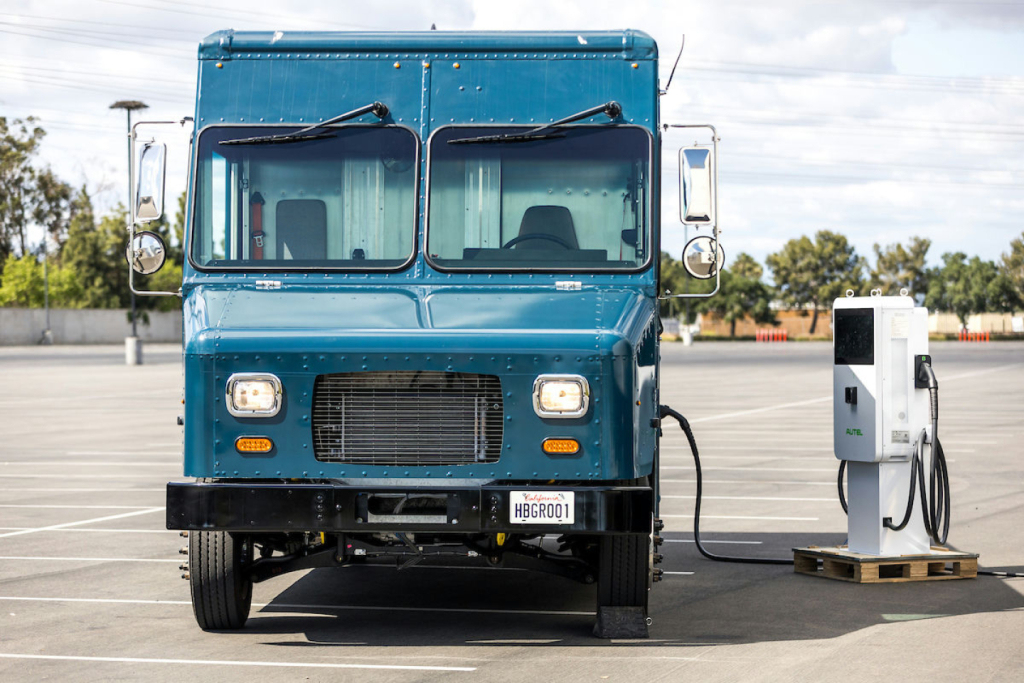
The biggest spec decision is usually chassis and powertrain. In the 2025 market, buyers will see both traditional fuel-powered platforms and a growing number of all-electric step vans. Electric step vans are gaining traction in urban and suburban delivery work because they offer quiet operation, strong low-speed torque, and lower routine maintenance compared with internal combustion platforms. They are especially attractive for dense last-mile routes with predictable daily mileage and depot charging. Key buying points include battery range under real payload conditions, charging time, gross vehicle weight rating, and how the battery placement affects cargo cube and service access. For diesel or gas units, the focus shifts to engine serviceability, transmission durability, and fuel economy under stop-and-go conditions.
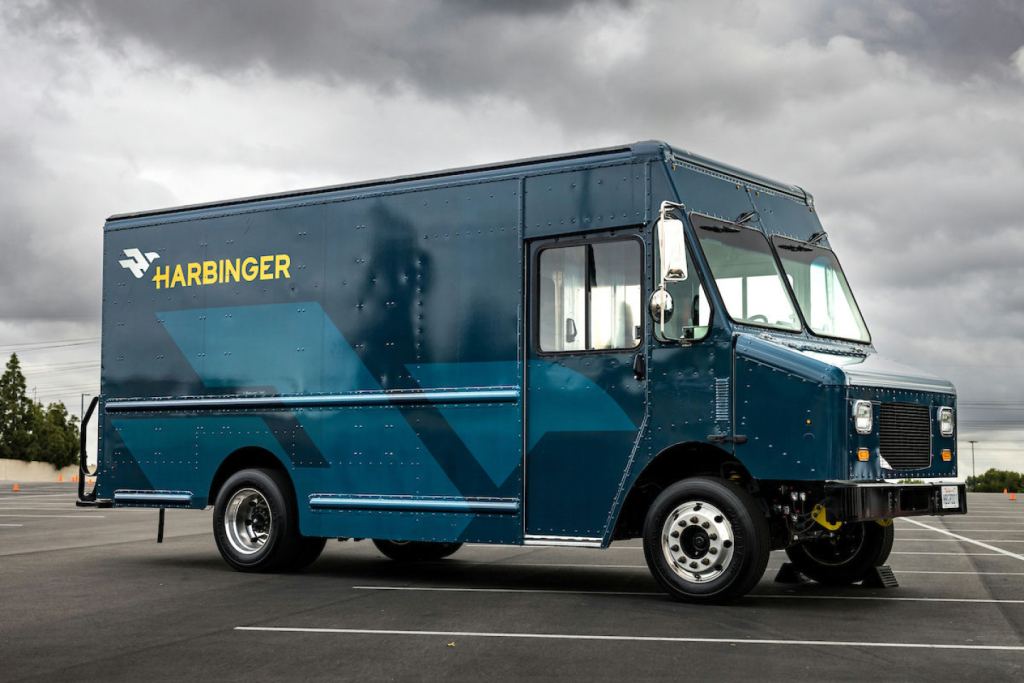
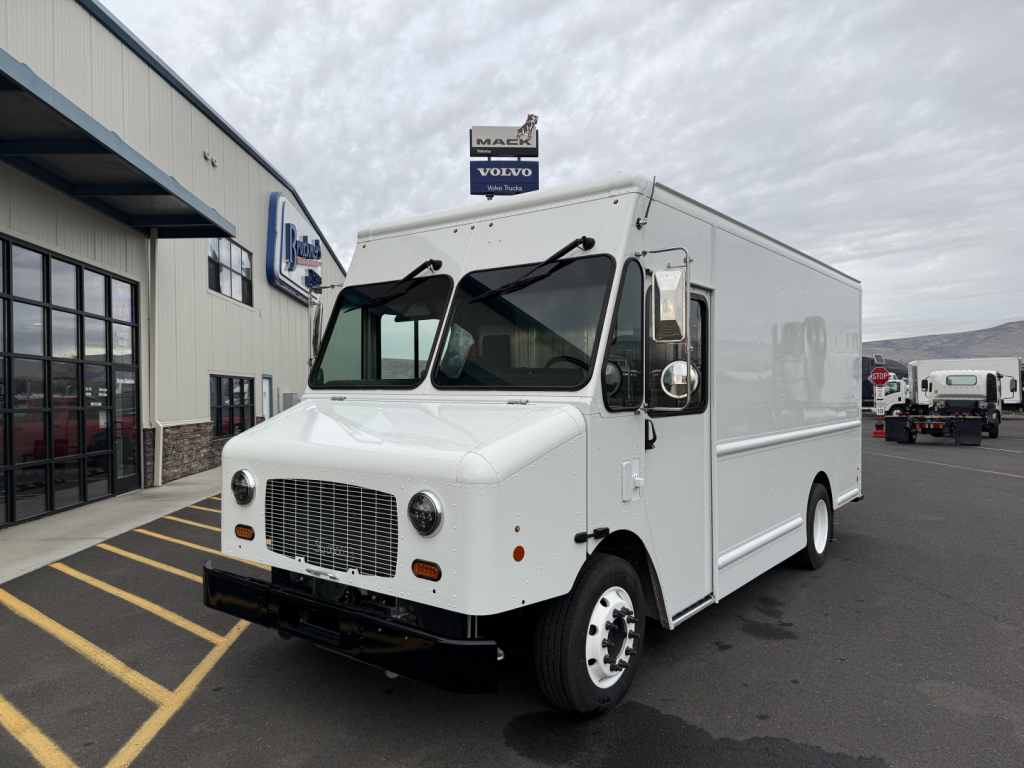
Body construction matters as much as the chassis. Most step vans use aluminum or composite body components to control weight and resist corrosion, and many are configured with shelving, bulkheads, roll-up rear doors, barn doors, curbside access doors, and interior lighting packages tailored to route work. Suspension tuning, turning radius, wheelbase, and brake performance all matter in city service where tight alleys, loading zones, and repeated stops are part of the job. Fleet buyers should also pay close attention to cab ergonomics, visibility, HVAC performance, camera systems, and telematics integration, since driver comfort and safety have a direct impact on route speed and retention.
A strong 2025 step van should match the route before it matches the badge. A parcel operation may prioritize cargo cube, shelving layout, and low operating cost, while a food or service fleet may care more about access points, upfit compatibility, and power for auxiliary equipment. Review interior dimensions, door opening sizes, GVWR class, tire size, axle ratings, and body manufacturer support before narrowing down listings. The right step van is the one that carries the required volume, holds up to repeated stop-and-go duty, and keeps drivers moving efficiently from the first stop to the last.
Frequently Asked Questions about 2025 Step Van Trucks
What is a step van used for?
A step van is used for high-frequency delivery and service routes where the driver needs fast entry and exit throughout the day. Common applications include parcel delivery, bakery and snack routes, linen and uniform service, vending support, mobile repair, and municipal service work. Its walk-in cargo area and low step-in height improve route efficiency compared with a conventional cab and box truck.
Are 2025 step vans available with electric powertrains?
Yes. The 2025 step van market includes all-electric models alongside traditional diesel and gas platforms. Electric step vans are best suited for last-mile delivery routes with predictable mileage, regular depot charging, and heavy stop-and-go operation. Buyers should compare usable range with payload, charging requirements, battery warranty terms, and local service support before choosing an electric platform.
What specs matter most when buying a step van?
The most important specs are body length, cargo volume, interior standing height, GVWR, payload capacity, wheelbase, and door configuration. For route operations, turning radius, step-in height, visibility, and cab-to-cargo access are also critical. If the unit is electric, battery range, charging speed, and energy use under full route conditions should be reviewed just as closely as cargo specs.
What is the difference between a step van and a box truck?
A step van is designed for frequent stops and repeated driver movement, with a walk-through layout, lower entry height, and delivery-focused body design. A box truck typically has a separate cab and cargo box and is often better suited for fewer stops, palletized freight, or dock loading. For dense route work, a step van usually offers faster driver movement and better day-long ergonomics.
How do I choose the right size step van for my operation?
Choose a size based on route density, average package count, product dimensions, and where the truck will operate. A larger body can improve cube and reduce reloads, but it may be less maneuverable in urban areas or tight residential routes. Measure actual cargo needs, confirm shelving or upfit requirements, and compare wheelbase and turning characteristics before selecting a body size.