
2025 Step Van Trucks For Sale in Colorado
Browse 2025 step van trucks for sale in Colorado, including modern gas and electric delivery vans built for parcel, route, and last-mile work.
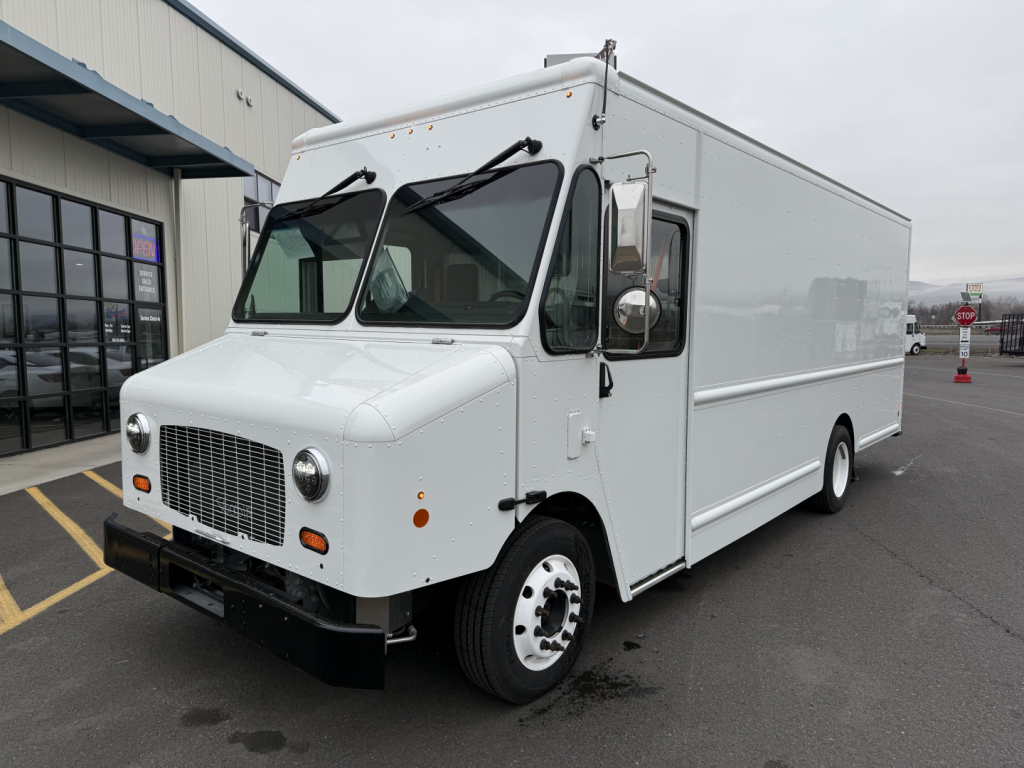
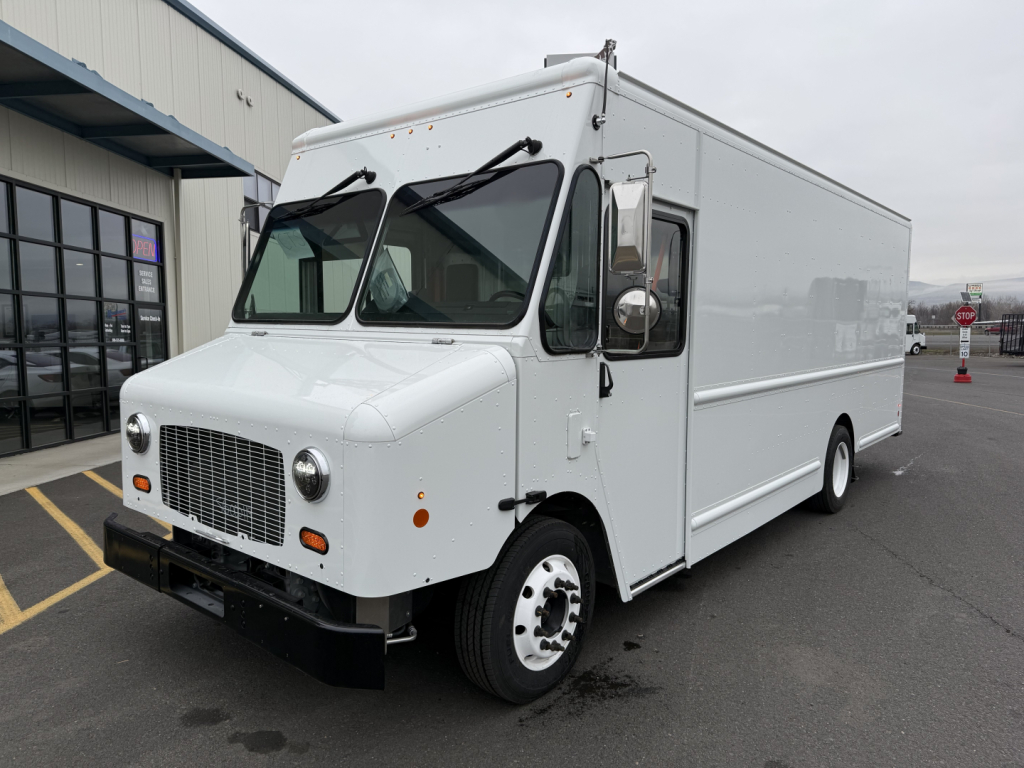
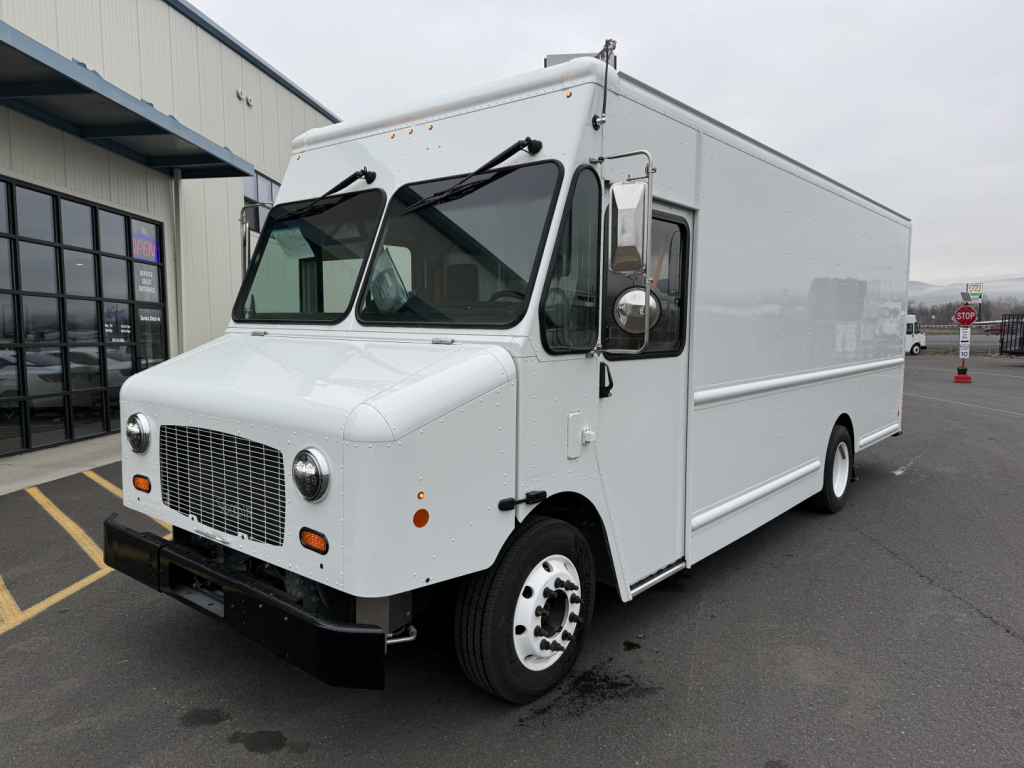
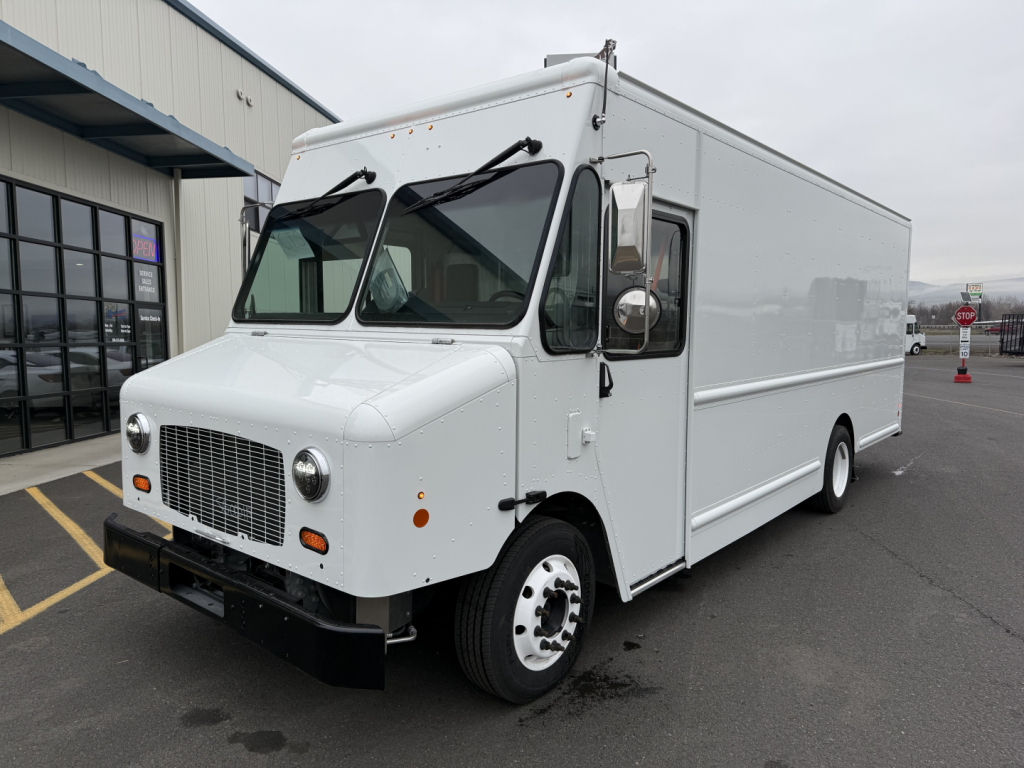
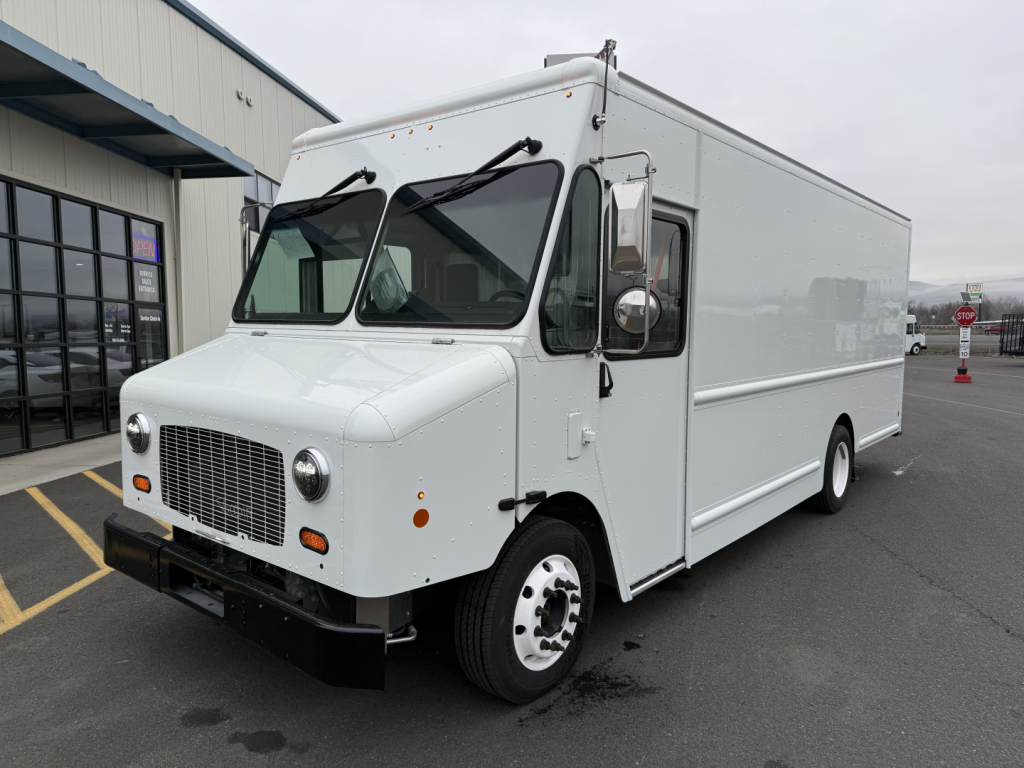
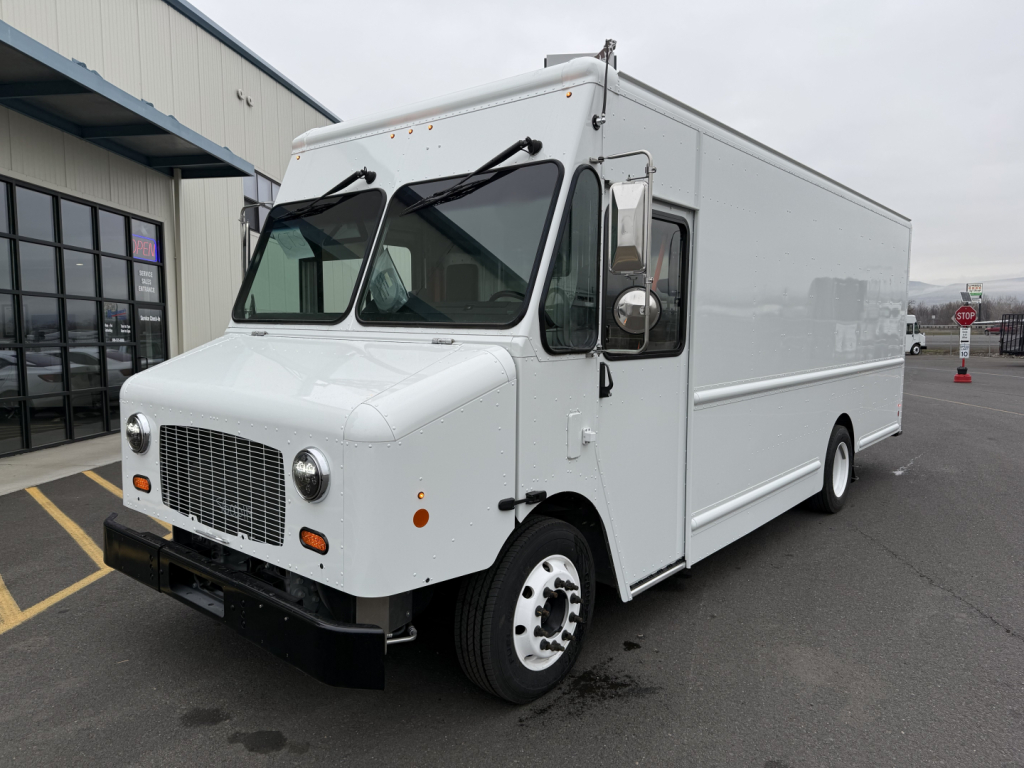
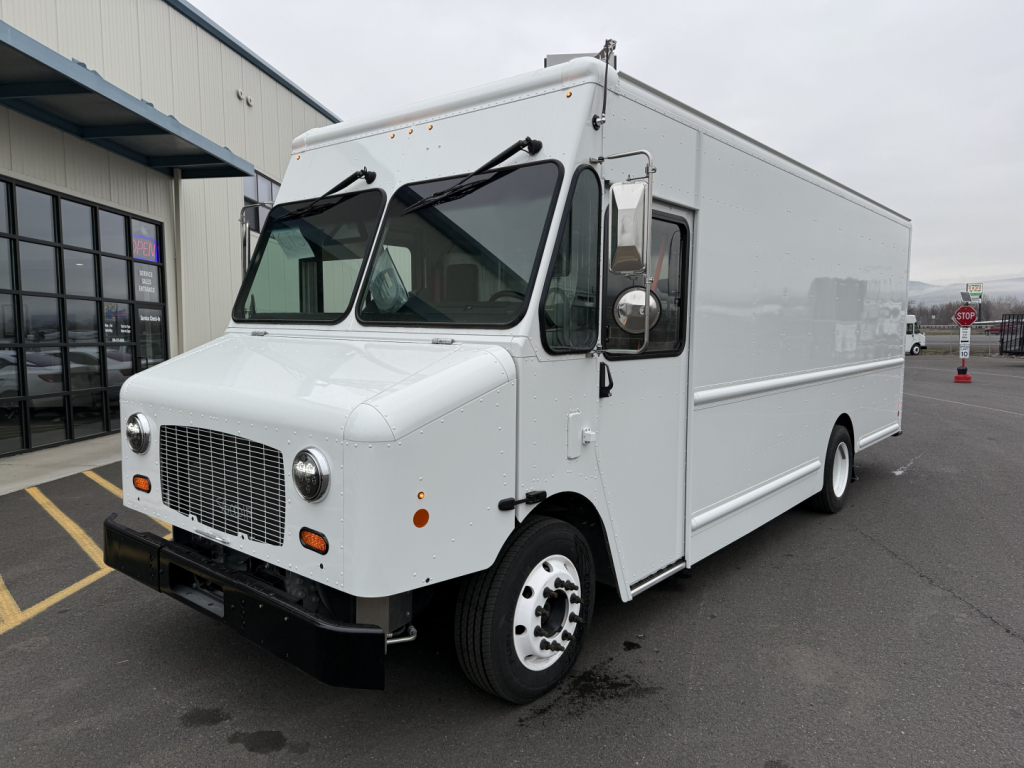
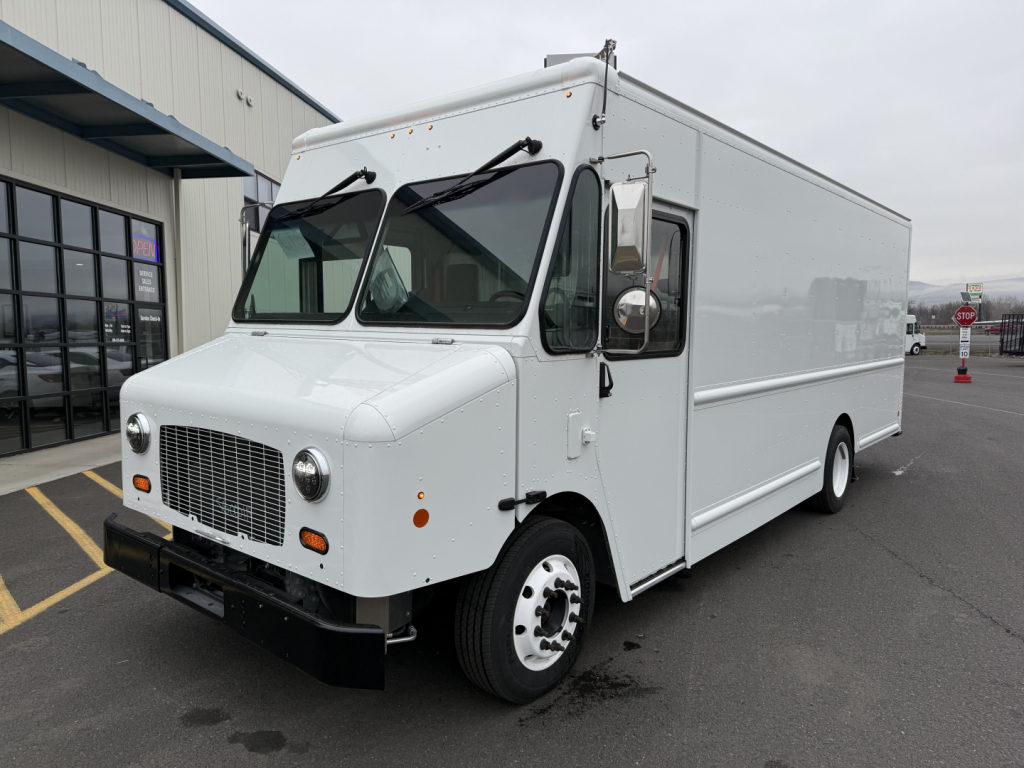
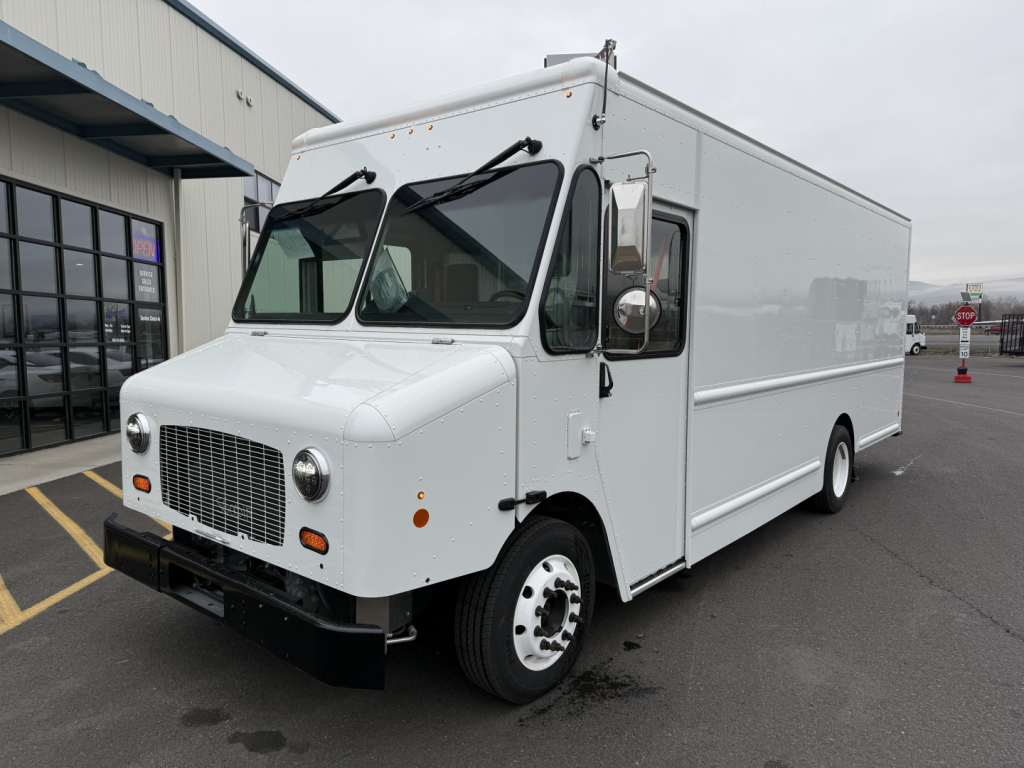
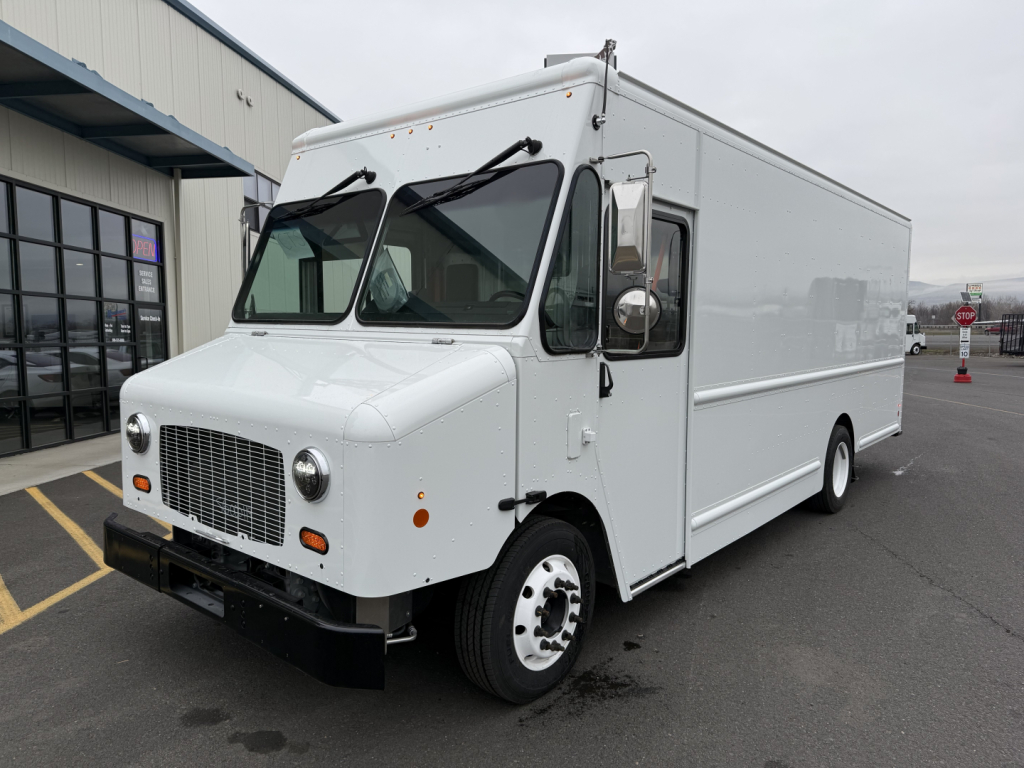
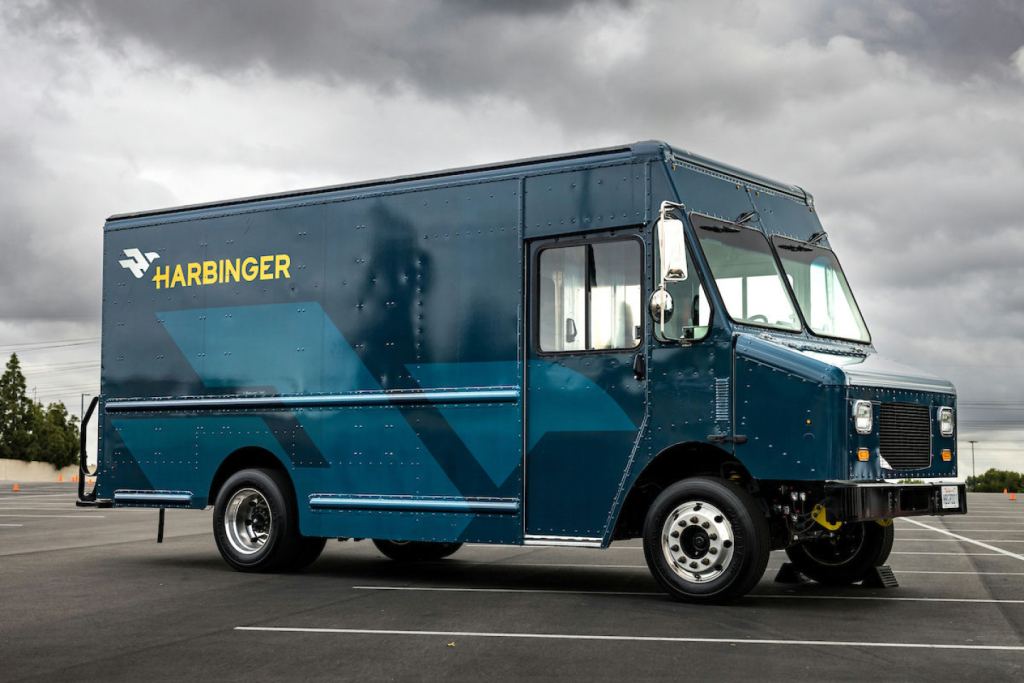
Selling a 2025 step van truck? List your 2025 step van truck for sale and reach thousands of commercial buyers.
2025 Step Van Trucks in Colorado
Current 2025 step van trucks include both conventional fuel and battery-electric platforms, and that choice matters in Colorado. Electric step vans are gaining traction for urban and suburban delivery because they offer quiet operation, strong low-speed torque, and fewer routine service points than a gas or diesel unit. They can be a strong fit for fixed daily routes with predictable mileage and reliable charging access. In Colorado, elevation, cold weather, and mountainous terrain can affect EV range, so buyers should compare usable range under load instead of relying on headline figures alone. For fuel-powered models, pay attention to GVWR, wheelbase, turning radius, and service network support, especially if the truck will cover mixed city and Front Range route work.
Body construction is just as important as the chassis. Step vans are commonly spec'd with aluminum or composite bodies, roll-up rear doors or swing doors, shelving packages, cargo tie-downs, bulkheads, and wide side access doors. Interior standing height, floor height, and step-in ergonomics have a real impact on driver productivity. A 16-foot to 20-foot body is common in this class, though the right size depends on cube requirements more than simple payload. If the truck will carry cartons rather than dense freight, cubic capacity and shelf layout usually matter more than raw axle capacity. Fleet buyers should also review camera systems, telematics integration, HVAC performance, and cab safety features, since those options affect both uptime and driver retention.
For a buyer shopping 2025 step van trucks for sale in Colorado, the best unit is the one matched to route length, stop frequency, cargo type, and charging or fueling infrastructure. A tight urban route may favor a shorter wheelbase and easier maneuverability, while a suburban delivery operation may benefit from a longer body and more shelf space. If the application includes food service, uniforms, vending, or specialty mobile retail, pay attention to body upfit compatibility and power needs for interior equipment. The strongest value in this category usually comes from matching the truck's access, cube, and operating range to the actual route, not from simply choosing the biggest body or highest advertised spec.
Frequently Asked Questions about 2025 Step Van Trucks in Colorado
What is a step van used for?
A step van is used for delivery and service routes with frequent stops and repeated driver entry and exit. Common applications include parcel delivery, bakery and snack routes, linen service, uniform delivery, mobile repair fleets, and local distribution. The walk-in body design improves route efficiency because the driver can move quickly between the cab and cargo area without the constraints of a conventional box truck cab.
Are electric 2025 step vans a good fit for Colorado routes?
Electric 2025 step vans can be a strong fit for Colorado fleets when the route is predictable and charging is available at the home base. They are especially well suited for urban and suburban last-mile delivery with fixed daily mileage. Buyers should account for elevation changes, cold temperatures, accessory loads, and payload, because all of those factors can reduce real-world range. The right evaluation is route-based, not brochure-based.
What body size is common on a step van?
Many step vans are spec'd in the 16-foot to 20-foot range, but body size should be chosen by cargo cube, shelving needs, and route density. A longer body can improve package capacity, but it may also affect turning radius and parking access. For dense package routes, interior layout and stand-up room often matter as much as nominal body length.
How is a step van different from a box truck?
A step van is designed around frequent-stop efficiency, with a walk-through style cab, low step-in height, and stand-up cargo access. A box truck typically has a separate cab and cargo box, which can be less efficient for routes requiring constant entry and exit. Step vans are usually preferred for parcel and route delivery, while box trucks are often better for dock work, heavier freight, or applications that need a wider range of body configurations.
What should buyers compare on a 2025 step van?
The most important comparison points are GVWR, payload, body length, interior height, wheelbase, turning radius, door configuration, and powertrain type. Buyers should also review shelf packages, camera visibility, telematics, HVAC output, and service support. For electric units, add battery capacity, charging speed, route range under load, and local charging infrastructure to the checklist.