
2025 Grapple Trucks For Sale
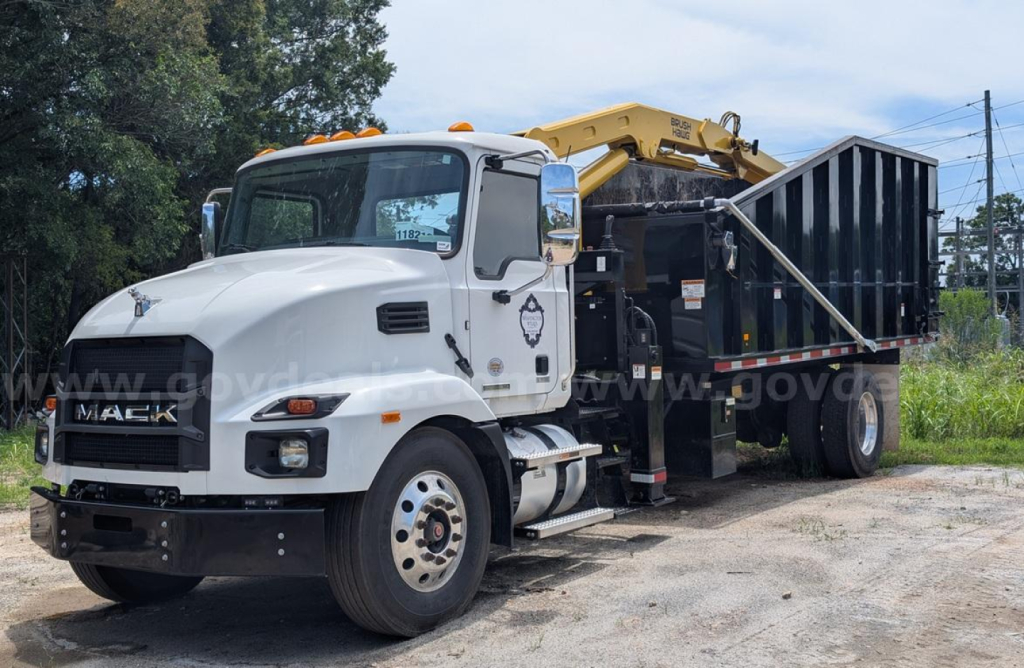
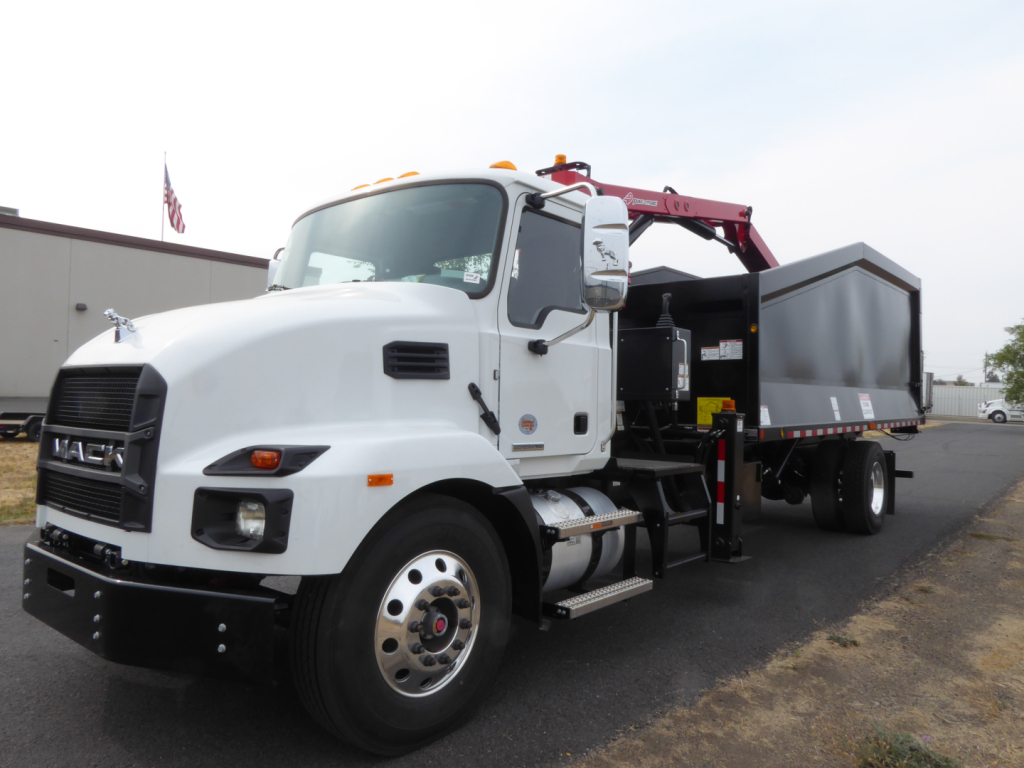

Have 2025 grapple truck to sell? List it here to reach thousands of buyers.
2025 Grapple Trucks
The loader package is usually the make-or-break spec. Boom reach, lift capacity at mid and full extension, rotation, control style, and mount position all directly affect productivity. Rear-mount loaders are common for municipal brush routes and debris pickup, while behind-cab configurations can improve body loading dynamics on certain builds. Buyers should compare brands such as Pac-Mac, Rotobec, Serco, and similar systems by looking at hydraulic performance, cycle speed, structural design, and parts support in their region. A 20 to 26 foot boom reach is common, but actual usable reach matters more than the headline number because grapple size, body height, and outrigger setup all change real-world performance.
Chassis spec is just as important as the grapple. Many buyers prefer diesel engines in the medium-duty to severe-duty range paired with Allison automatics or manual and automated manual transmissions, depending on route conditions and driver preference. PTO compatibility, frame reinforcement, front axle capacity, rear suspension rating, and brake type should all be reviewed closely because grapple work puts different stress on a truck than straight hauling. For heavier debris and land-clearing work, higher front axle ratings and robust rear suspensions help manage crane weight, body weight, and uneven loading. Features like differential locks, full locking rears, air brakes, and body hoists with reliable hydraulic systems matter more in off-pavement or storm response work than they do in lighter municipal collection service.
A strong 2025 grapple truck should be evaluated as a complete system, not just a truck with a boom attached. Pay attention to grapple opening width, loader seating or joystick controls, body floor and side construction, rear door style, hitch setup, cleanout access, and hydraulic reservoir and cooling capacity. If the truck will spend long days in repetitive pickup cycles, visibility, cab layout, and control ergonomics can affect production as much as raw horsepower. Buyers comparing listings should match the truck to the material stream first, then confirm axle layout, body volume, and loader geometry support the work without sacrificing legal payload or serviceability.
Frequently Asked Questions about 2025 Grapple Trucks
What is the best body size for a grapple truck?
The best body size depends on the material being hauled and the truck's axle configuration. Lighter, bulky materials such as brush and storm debris often justify larger bodies in the 30 to 50 yard range, while denser construction or mixed waste loads may require a smaller body to stay within legal weight limits. Body volume should always be matched to GVWR, axle ratings, and the typical haul distance so the truck is productive without becoming weight-limited too early.
How much boom reach does a grapple truck need?
Many grapple trucks are equipped with booms in roughly the 20 to 26 foot range, but the right number depends on loading style and work area. Longer reach helps on roadside pickup, storm cleanup, and loading from uneven piles, but it can reduce lift capacity at full extension and add weight to the chassis. Buyers should compare lift capacity at different boom positions, not just maximum reach, because real productivity comes from stable lifting and fast cycle times.
Are automatic transmissions common in grapple trucks?
Yes. Allison automatic transmissions are common in grapple truck applications because they are well suited for stop-and-go work, PTO operation, and drivers who spend long hours in collection routes. Manual and automated manual transmissions are also used, especially in heavier vocational specs, but many fleets favor automatics for ease of operation, reduced driver fatigue, and consistent performance in urban and municipal service.
What should buyers look for in a grapple truck chassis?
Key chassis considerations include front axle capacity, rear axle rating, suspension type, frame strength, brake system, engine output, and PTO compatibility. Grapple trucks carry the added weight of the crane, hydraulics, and body, so a marginal chassis can become overloaded quickly or handle poorly when loading off-center. A buyer should confirm the chassis was spec'd for crane work and not simply adapted to it after the fact.
What industries commonly use grapple trucks?
Grapple trucks are widely used in tree service, municipal public works, waste and recycling, storm response, land clearing, demolition cleanup, and construction debris hauling. They are designed for loose, bulky, irregular material that is inefficient to load by hand. Their value comes from combining self-loading capability with hauling capacity, which reduces labor and equipment needs on many job types.