
2025 Freightliner Trucks For Sale
Shop 2025 Freightliner trucks for sale, including Cascadia, day cab, sleeper, and chassis models built for regional, vocational, and long-haul work.
Selling a 2025 freightliner truck? List your 2025 freightliner truck for sale and reach thousands of commercial buyers.
2025 Freightliner Trucks
On highway models, the 2025 Freightliner Cascadia is typically the center of attention. Buyers commonly compare day cab versus sleeper configuration, then look closely at engine and driveline specs such as Detroit DD13 or DD15 power, DT12 automated manual transmission, rear axle ratio, and suspension type. A fuel-focused long-haul truck may lean toward a lower numerical rear ratio, aerodynamic fairings, collision mitigation, and a raised-roof sleeper with bunk heater or APU. Regional haul and dedicated fleet buyers often focus more on wheelbase, weight, maneuverability, and service history. Air slide fifth wheels, disc brakes, 6x4 tandem setups, and 40,000 lb rear axles are common reference points when matching a truck to trailer type and lane profile.
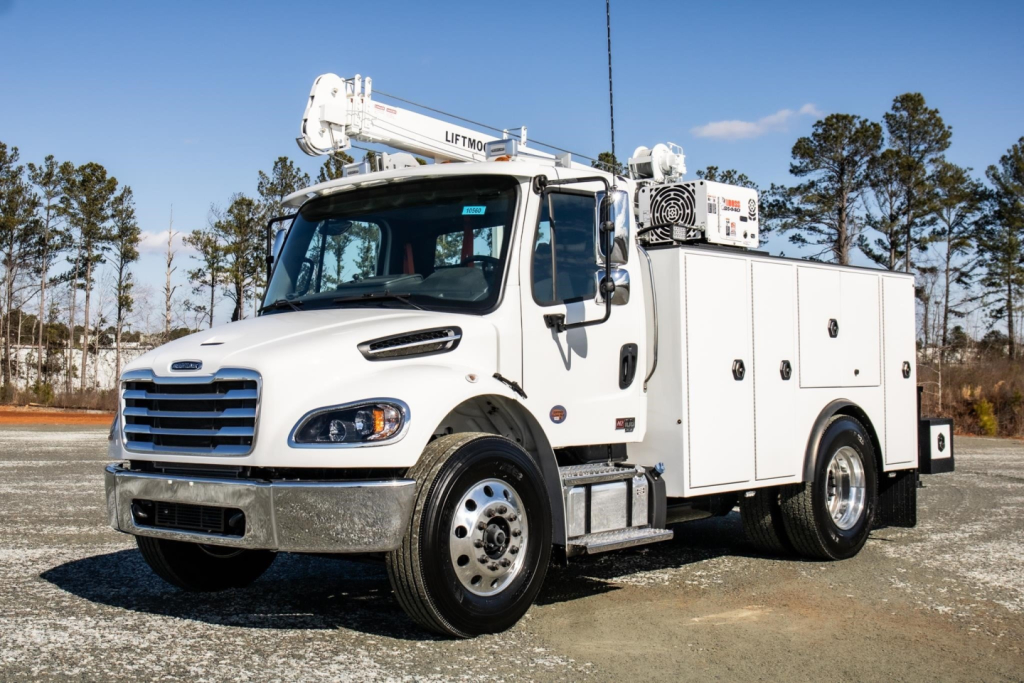
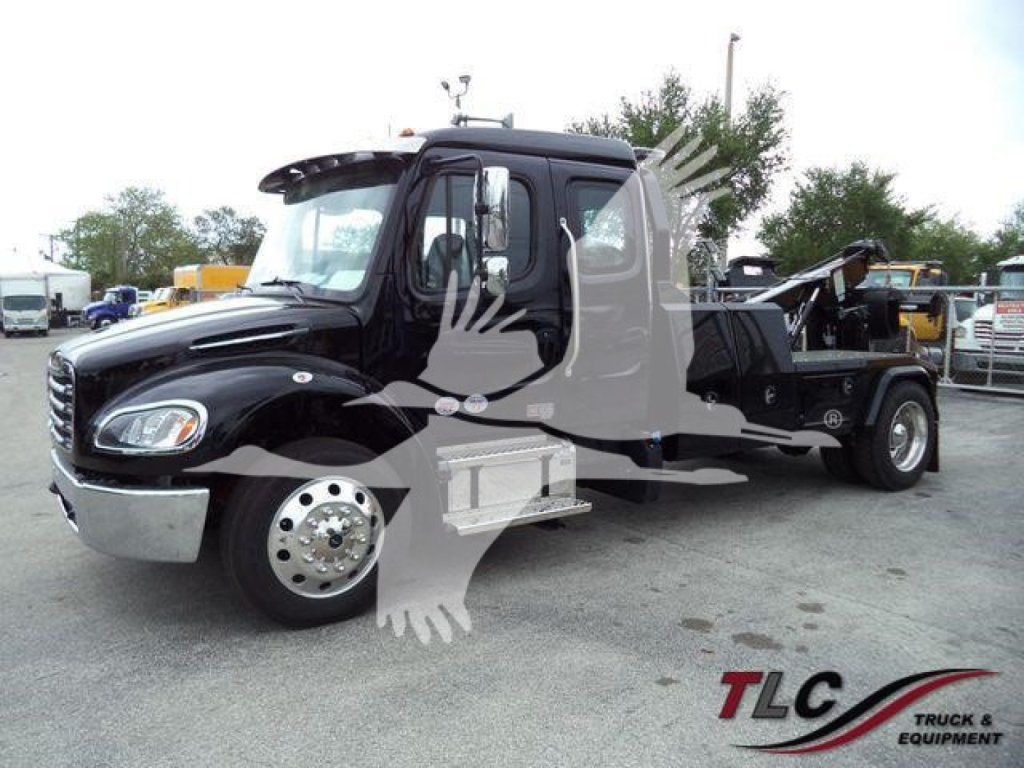
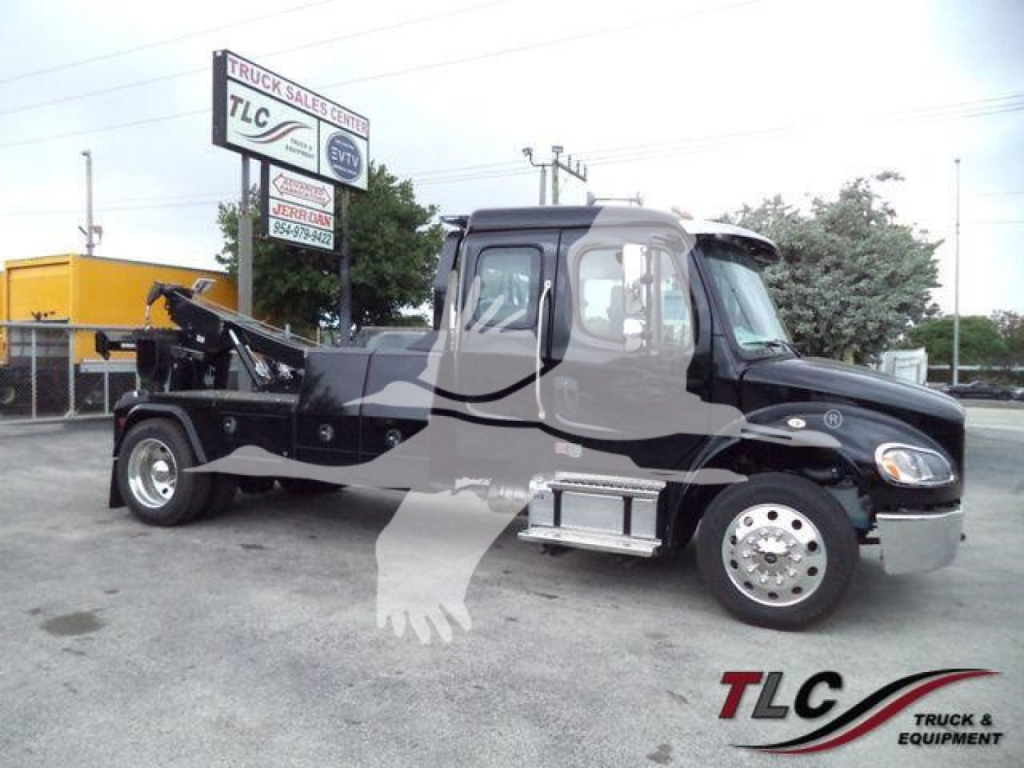
For vocational and cab and chassis buyers, 2025 Freightliner trucks are often evaluated by front axle rating, frame spec, cab-to-axle measurement, PTO compatibility, and suspension durability. A double-frame configuration, heavier front axle, and proper cab-to-trunnion or cab-to-axle dimensions matter more than sleeper amenities when the truck is headed for a body builder. Buyers should confirm GVWR, axle spread, brake setup, tire size, and electrical and air provisions to the rear if the truck will handle a pintle trailer, hydraulic equipment, or specialized body installation. Freightliner chassis are commonly selected for refuse, utility, towing, dump, and equipment-hauling work because they can be ordered in a broad range of vocational-ready specs.
Across the category, smart buyers compare more than just horsepower. The best 2025 Freightliner truck for the job is the one with the right wheelbase, axle ratings, suspension, and gearing for the load profile and operating region. A 505 hp sleeper with a 2.64 ratio suits a different duty cycle than a shorter-wheelbase day cab with a 3.08 or 3.58 ratio, and both differ from a heavy cab and chassis with a high-capacity front axle and vocational transmission. Pay close attention to emissions system configuration, driver-assist features, brake type, fuel capacity, and sleeper dimensions if applicable. Freightliner trucks hold their place in the market because buyers can spec them tightly around the work, not because one setup fits every fleet.
Frequently Asked Questions about 2025 Freightliner Trucks
What are the most important specs to compare on a 2025 Freightliner truck?
Start with the truck's intended application, then compare axle configuration, wheelbase, front and rear axle ratings, engine, transmission, rear axle ratio, and suspension. For highway tractors, sleeper size, fuel capacity, aerodynamics, and fifth wheel setup are major factors. For cab and chassis trucks, cab-to-axle measurement, frame spec, PTO options, and body-builder compatibility matter more. These specs determine payload capacity, maneuverability, fuel economy, and how well the truck matches the work.
Which 2025 Freightliner model is most common for long-haul trucking?
The Freightliner Cascadia is the model most buyers associate with long-haul service. It is commonly spec'd as a conventional sleeper with Detroit DD13 or DD15 power, DT12 automated transmission, aerodynamic bodywork, and raised-roof sleeper options. Long-haul buyers usually focus on fuel efficiency, driver comfort, safety systems, and gearing that supports steady highway cruising with full trailer loads.
Are 2025 Freightliner trucks good for vocational upfits and body installations?
Yes. Freightliner cab and chassis platforms are widely used for vocational applications including dump bodies, wreckers, tankers, utility bodies, rollbacks, and municipal equipment. The key is verifying body-builder dimensions and capacity specs such as cab-to-axle, frame reinforcement, axle ratings, PTO provisions, and rear air and electrical connections. A vocational truck should be selected around the body and duty cycle, not just the make and model badge.
What is the difference between a Freightliner day cab and a sleeper truck?
A day cab is built for local and regional work where overnight accommodations are not needed, so it is usually shorter, lighter, and easier to maneuver. A sleeper truck adds a bunk area behind the cab and is better suited for long-haul routes, team operations, or multi-day runs. The sleeper configuration affects wheelbase, weight, fuel capacity, storage, and driver comfort, so it should align with the route structure and utilization plan.
How do rear axle ratios affect a 2025 Freightliner's performance?
Rear axle ratio has a direct effect on launch performance, gradeability, cruising rpm, and fuel economy. Lower numerical ratios such as 2.64 are often chosen for highway efficiency in long-haul service, especially with automated transmissions and aerodynamic specs. Higher numerical ratios such as 3.55 or 3.70 can improve low-speed pulling power and suit heavier loads, vocational work, or more demanding terrain. The correct ratio depends on tire size, transmission gearing, average gross weight, and operating speed.