
2025 Service/Utility Trucks For Sale
Compare 2025 service and utility trucks by body layout, GVWR, crane and compressor options, storage design, and chassis capability.
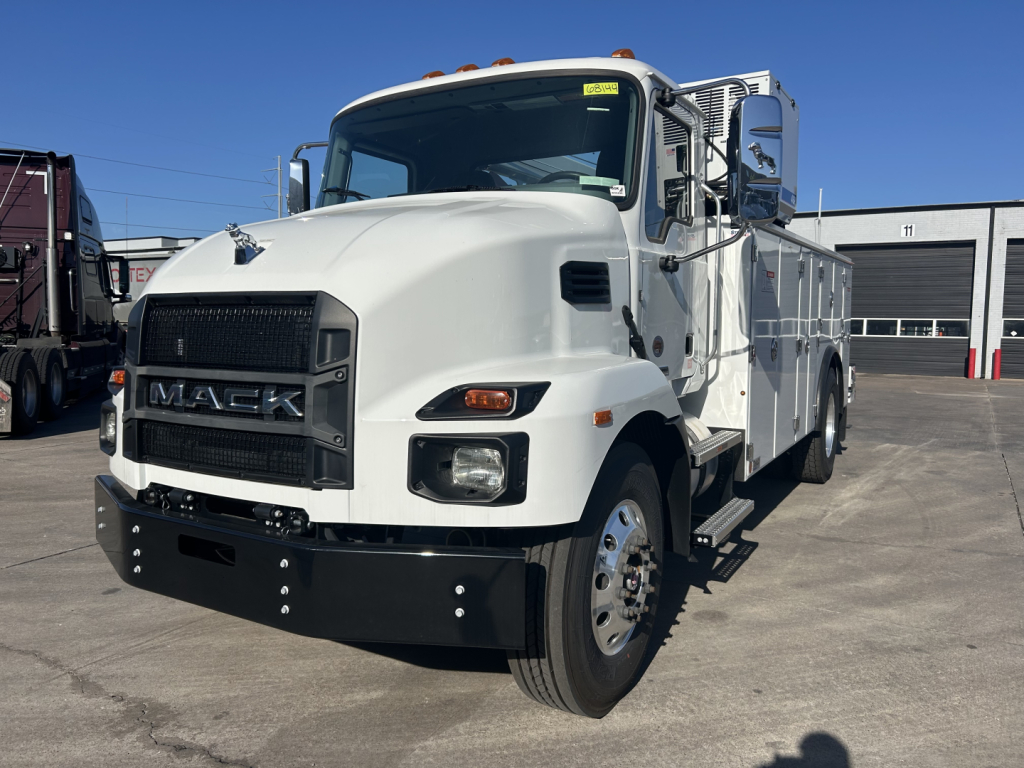
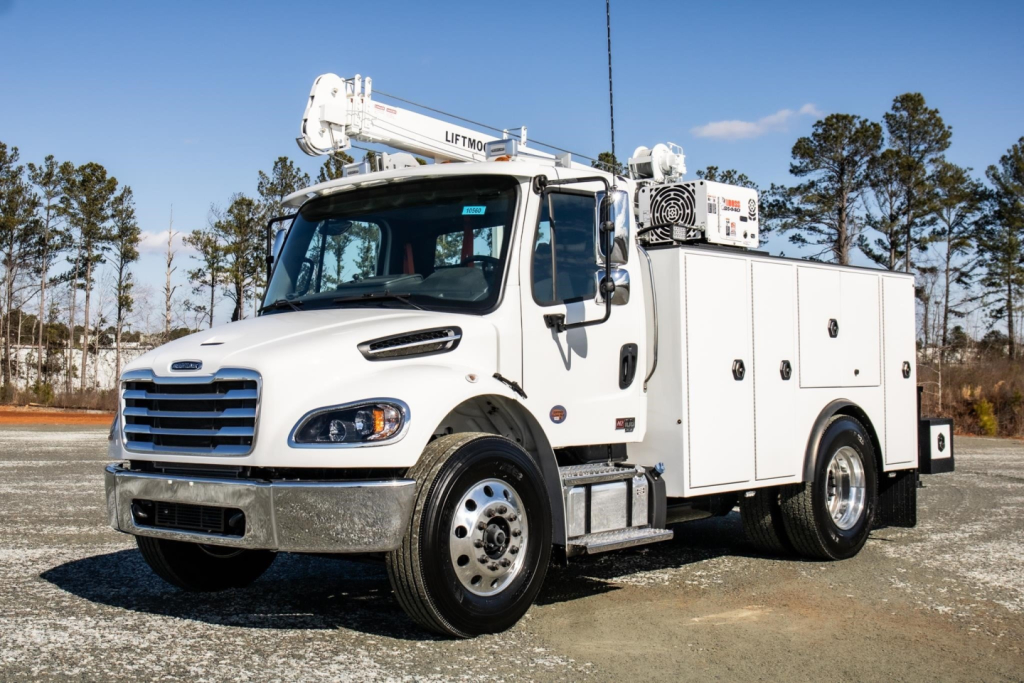
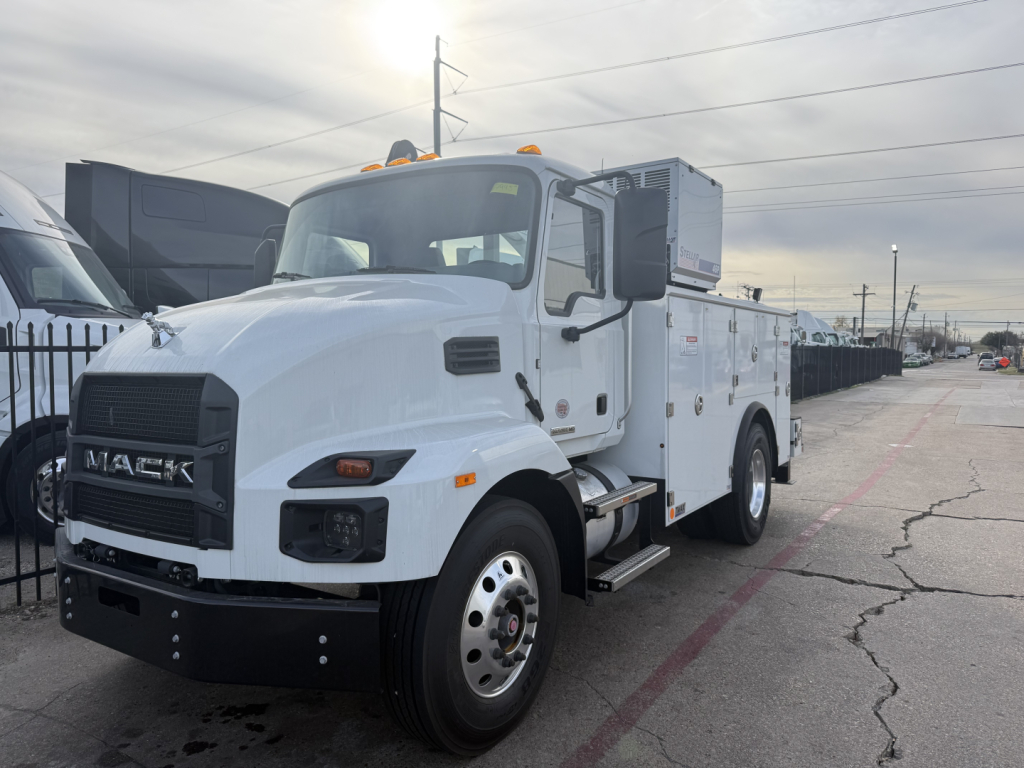
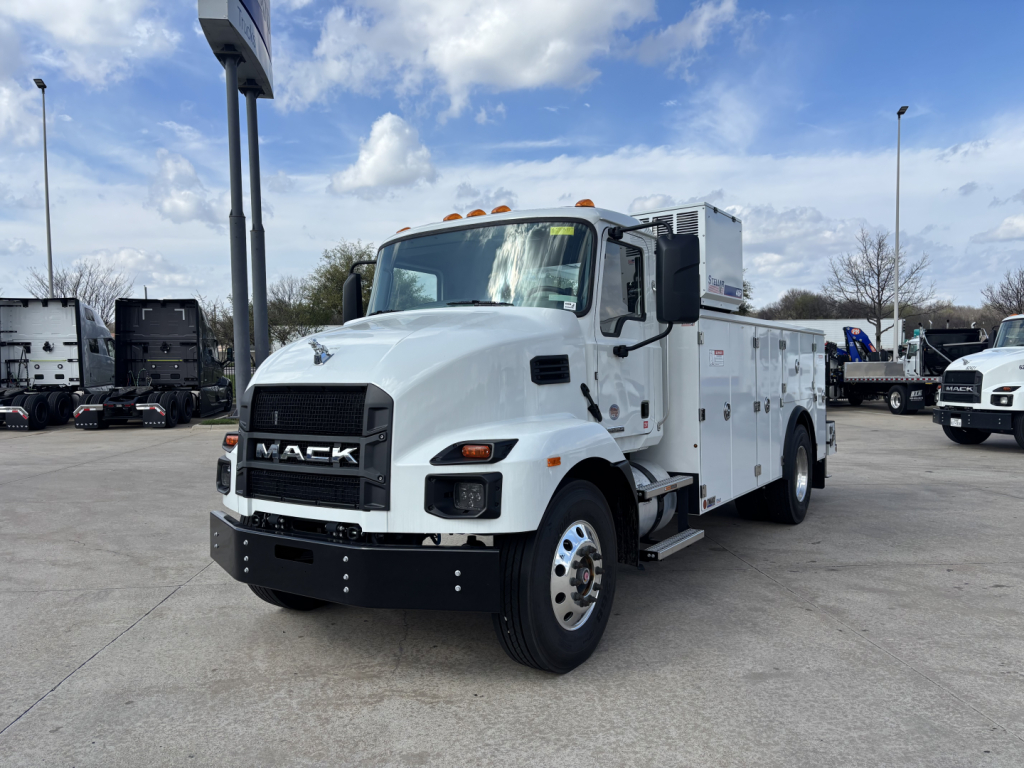
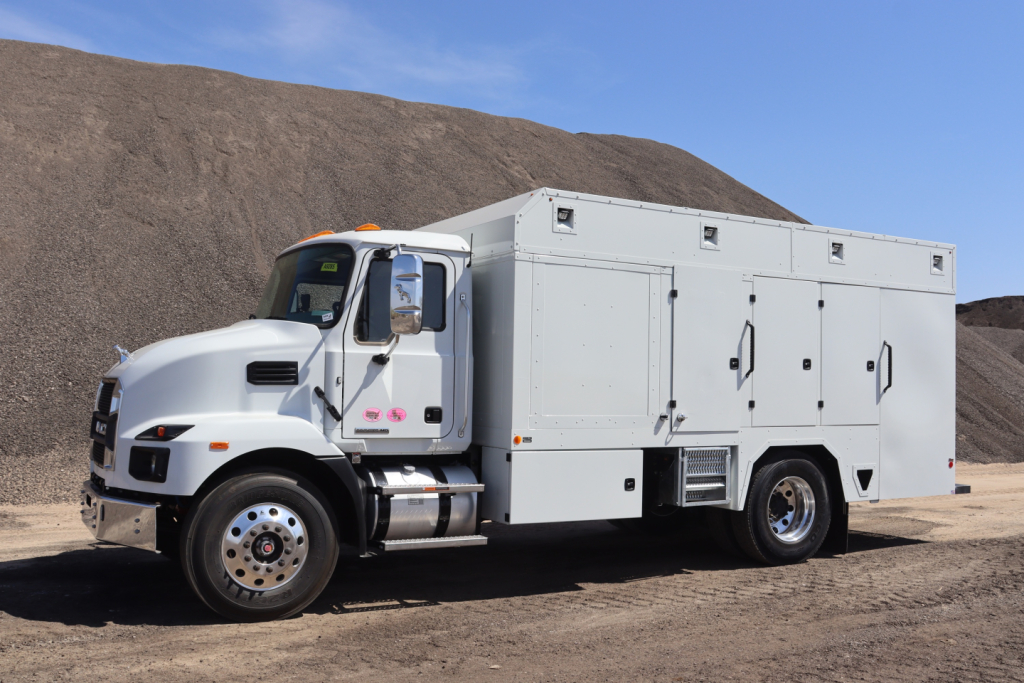
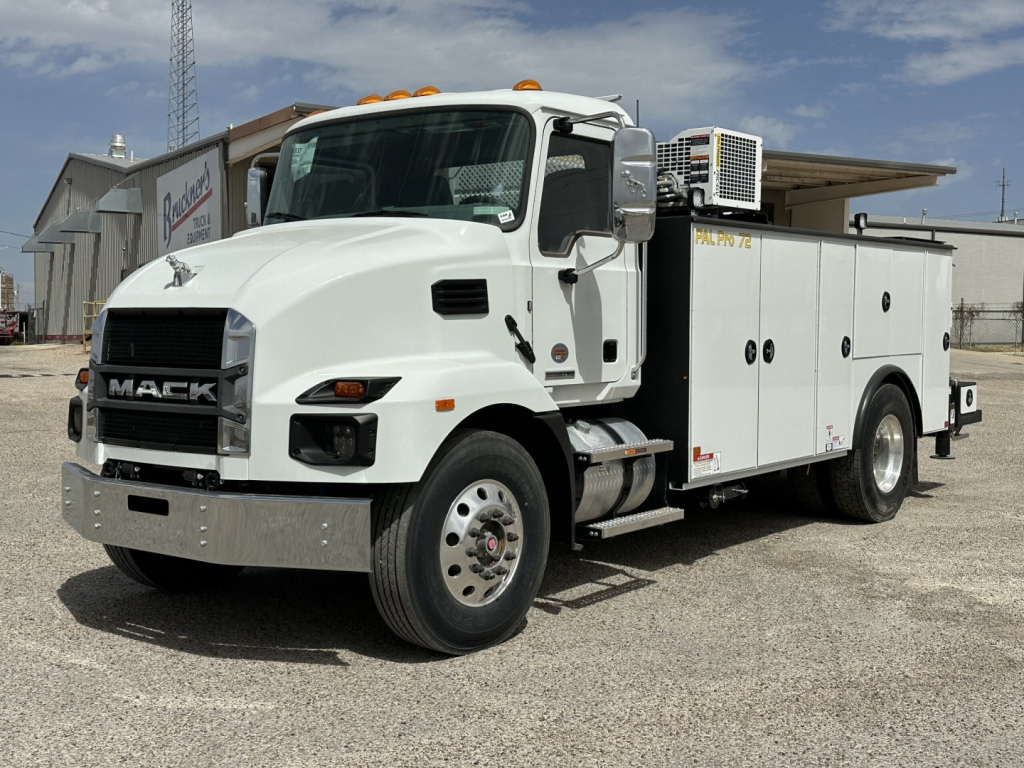
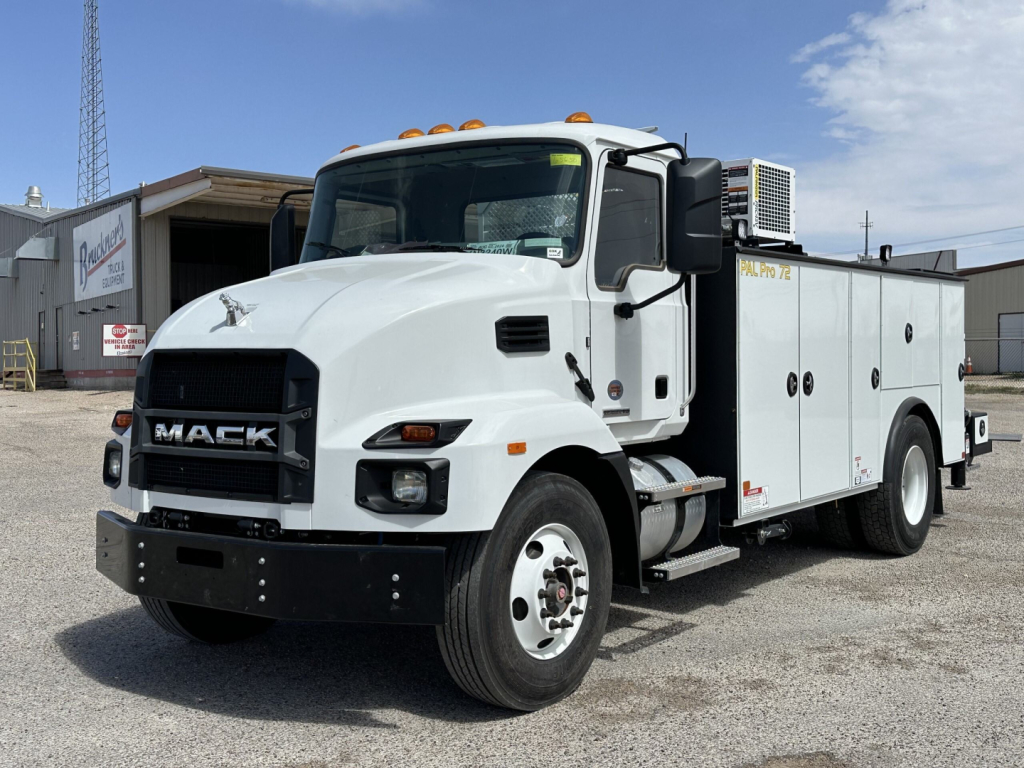
Selling a 2025 service/utility truck? List your 2025 service/utility truck for sale and reach thousands of commercial buyers.
2025 Service/Utility Trucks
Frequently Asked Questions about 2025 Service/Utility Trucks
What should I look at first when comparing service/utility trucks?
Start with GVWR, usable payload, body length, and compartment layout. Those four items determine whether the truck can legally and practically carry your crane, compressor, welder, reels, fluids, and daily parts load. After that, review axle ratings, wheelbase, cab-to-axle dimension, and powertrain because those chassis details control body fitment, road performance, and serviceability.
How do I choose the right crane size on a service truck?
Match crane capacity to the heaviest lift you handle most often, not the occasional maximum lift. Buyers should check crane rating, reach, lifting chart, body reinforcement, and outrigger configuration together because a high nominal crane capacity means little without enough stability and structure. Many mechanic trucks use telescopic cranes in the 3,000 to 14,000 pound class, while larger service bodies may be rated by foot-pounds, such as 60,000 ft-lb cranes, for more demanding field service work.
Are service trucks available in non-CDL and CDL configurations?
Yes. Many service trucks are built specifically to stay under the 26,001-pound GVWR threshold for non-CDL operation, especially pickup-based and lighter medium-duty units. Heavier bodies, larger cranes, air compressors, and fully loaded compartments can push a truck into CDL territory, so buyers need to review the truck's actual GVWR, body weight, and expected payload before deciding which configuration fits their drivers and job requirements.
What body features matter most on a utility truck?
Compartment volume, shelf and drawer configuration, weather sealing, and body material are the main factors. Steel bodies are common for heavy service use because they handle crane stress and rough jobsite conditions well, while aluminum can reduce tare weight and improve payload. Buyers should also look for practical details such as slam locks, LED compartment lighting, ladder racks, pipe trays, scuff liners, vise mounts, and well-planned workbench space because those features affect daily efficiency more than cosmetic options.
Which powertrain and chassis options are most common on 2025 service trucks?
Diesel engines remain the standard choice when the truck will carry significant weight, idle for PTO work, or tow regularly. Gas engines still make sense for lighter-duty municipal, contractor, or fleet service where lower upfront cost and simpler emissions systems are priorities. Automatic transmissions, 4x2 and 4x4 drivetrains, PTO provisions, upfitter switches, and higher-output alternators are all common on 2025 service and utility truck builds because these trucks are expected to support compressors, cranes, lighting, and other auxiliary equipment.