
2025 Service/Utility Trucks For Sale in Texas
Shop 2025 service and utility trucks in Texas. Compare mechanics bodies, cranes, axle ratings, GVWR, storage layout, and chassis specs.
Selling a 2025 service/utility truck? List your 2025 service/utility truck for sale and reach thousands of commercial buyers.
2025 Service/Utility Trucks in Texas
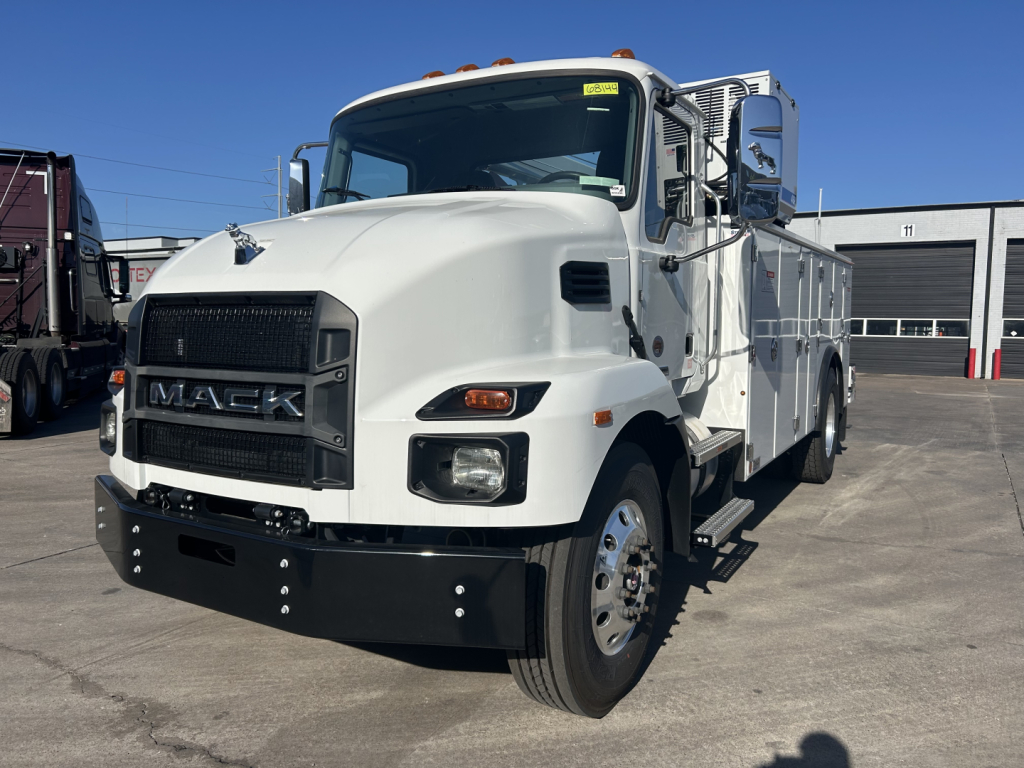
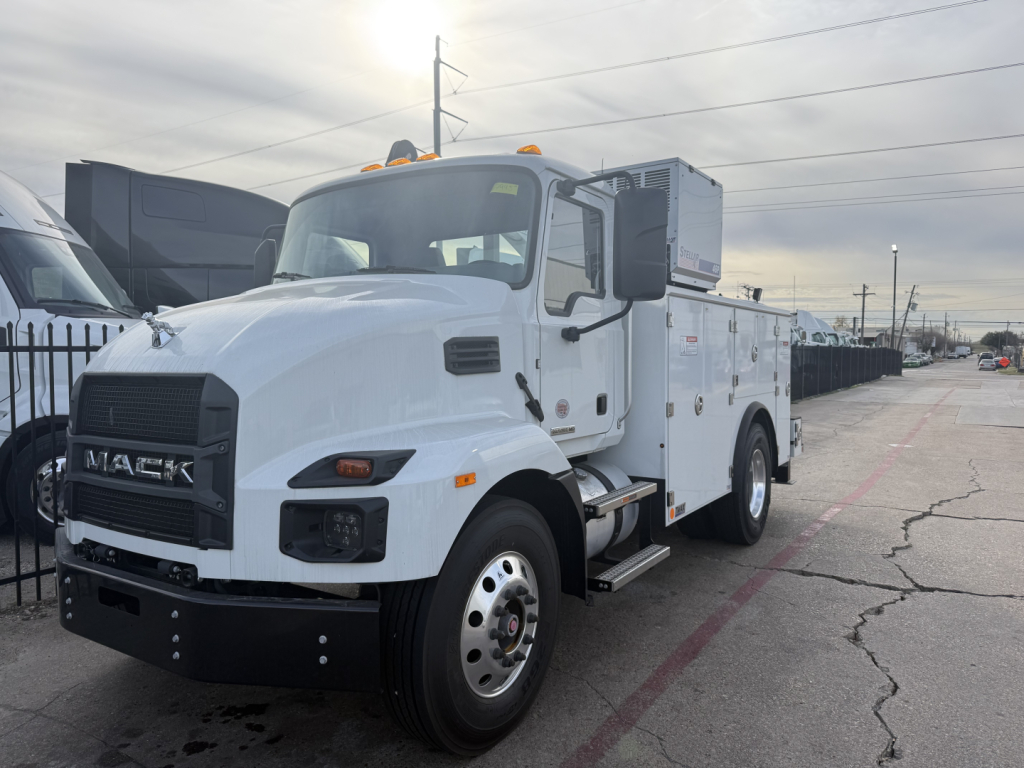
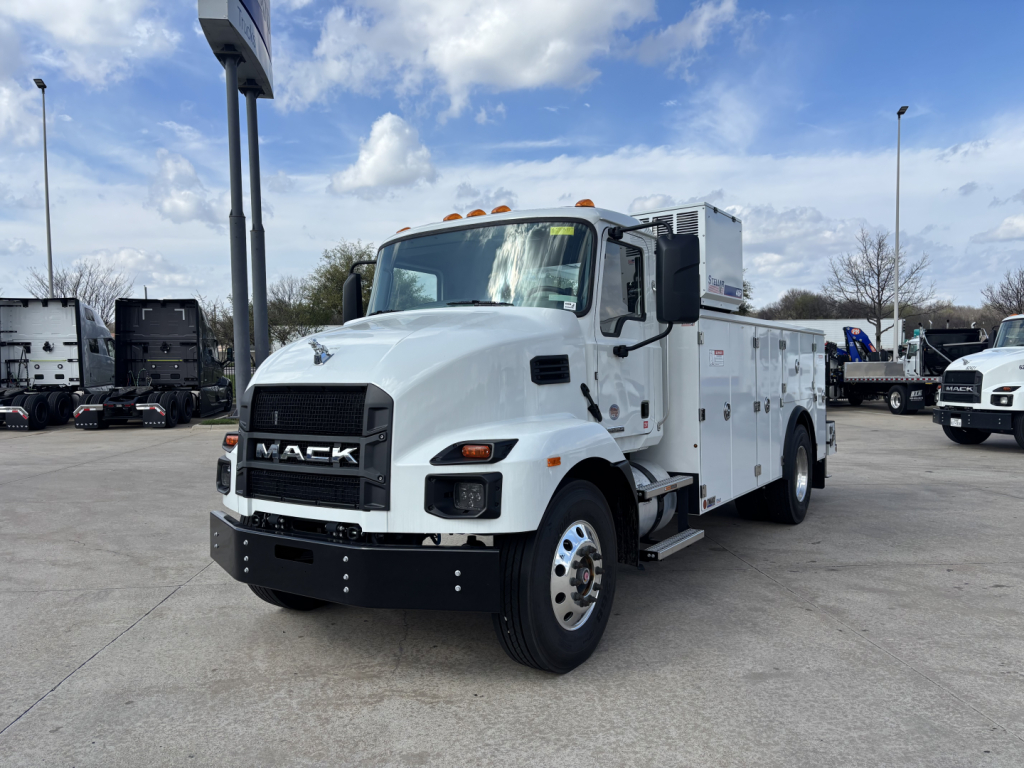
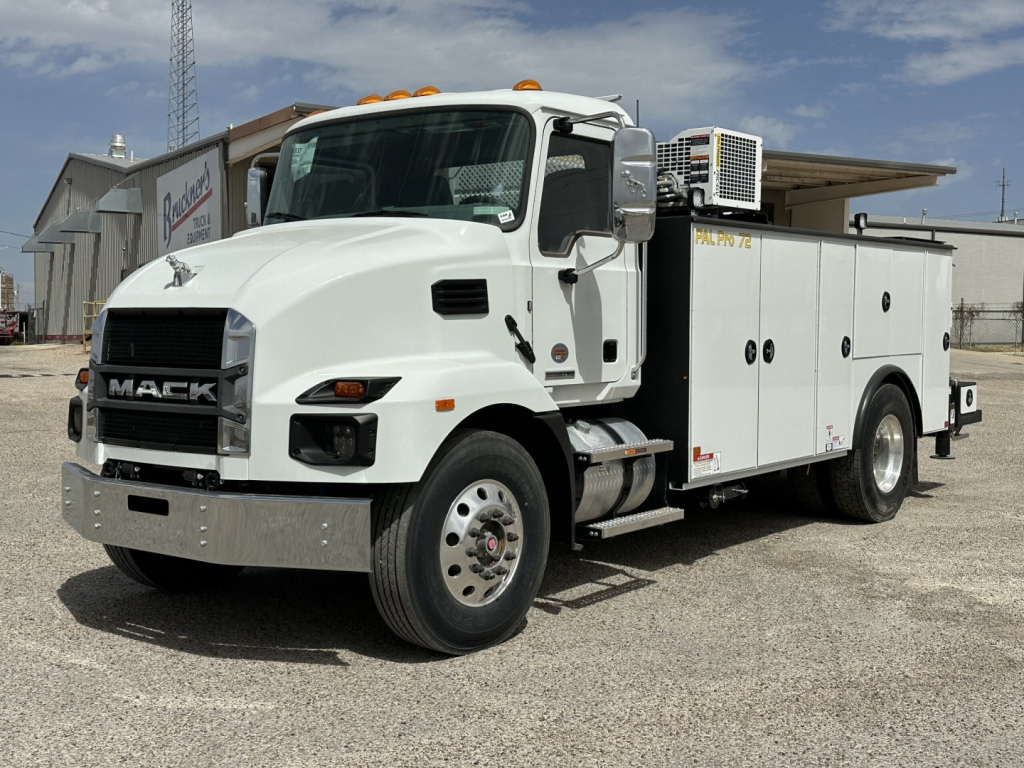
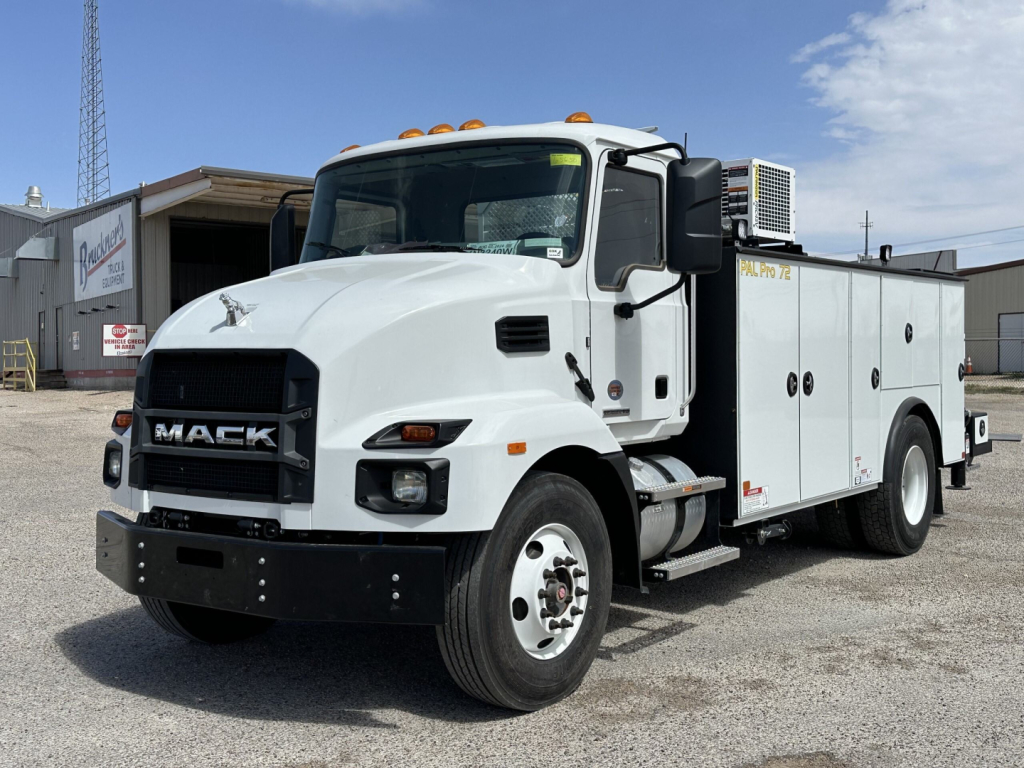
The main buying decision is usually body and crane configuration. A mechanics service body may include enclosed side packs, top compartments, reel or welder space, compressor provisions, workbench layouts, and bumper drawers. Many trucks in this category are equipped with telescopic service cranes from builders like Stellar, Palfinger, or Auto Crane, often rated by both maximum lift and ft-lb capacity. Buyers should look closely at hydraulic reach, boom elevation range, rotation, wireless remote controls, overload protection, and winch setup. Outrigger design, torsion box reinforcement, and frame installation matter just as much as published crane numbers because real-world stability and service life depend on the complete upfit, not just the crane tag.
Chassis specs deserve the same attention. Front and rear axle ratings, wheelbase, rear suspension type, differential locks, and rear axle ratio all affect how a service truck performs with a loaded body and crane behind the cab. Non-CDL configurations are popular when staying under 26,000 GVWR is important for staffing flexibility, but many buyers in heavy field service prefer the extra margin of a higher-rated truck. Air-ride rear suspension can improve ride quality and help protect tools and equipment, while heavier front axles are useful when the body, crane, compressor, and stored inventory push weight distribution forward. In Texas heat and long-distance regional service, cooling capacity, PTO compatibility, fuel tank size, and cab ergonomics also deserve a hard look.
A strong service or utility truck should be judged by uptime, layout efficiency, and safe lifting performance. Check compartment volume, latch quality, lighting, corrosion protection, pump and hydraulic accessibility, and how well the body supports technician workflow in the field. If the truck will handle generators, welders, air compressors, or lube systems, confirm available space, power take-off requirements, and payload after the upfit is complete. Buyers comparing 2025 service trucks for sale often find the best value by matching crane capacity and storage design to the actual service call, not by buying the biggest body on the lot. The right truck is the one that carries the necessary equipment legally, sets up safely on uneven ground, and keeps technicians productive without wasting chassis capacity.
Frequently Asked Questions about 2025 Service/Utility Trucks in Texas
What is the difference between a service truck, utility truck, and mechanics truck?
These terms are often used interchangeably, but mechanics truck usually refers to a service body with an integrated crane for field repair work. Service truck is the broadest term and can include bodies set up for maintenance, lubrication, compressors, welders, or parts delivery. Utility truck may also describe vocational trucks used by municipalities and contractors, sometimes without a crane. The actual body layout, installed equipment, and chassis rating matter more than the label.
Can a 2025 service truck be spec'd as non-CDL?
Yes, many service trucks are built to stay under 26,000 GVWR for non-CDL operation, especially on Class 6 chassis. The key is to verify the finished truck weight with the mechanics body, crane, outriggers, tools, fluids, and any mounted equipment. A truck may start as a non-CDL chassis, but the final upfit can reduce payload quickly. Buyers should review the door sticker GVWR, axle ratings, and estimated curb weight before assuming a unit fits non-CDL use.
What crane specs matter most on a mechanics service truck?
The most important crane specs are rated capacity, ft-lb rating, horizontal reach, lifting capacity at full extension, rotation, and winch configuration. Buyers should also confirm the crane control type, overload protection, two-block protection, and outrigger spread because these directly affect safe field operation. Published maximum lift numbers are only part of the story. Real performance depends on mounting, body reinforcement, and the truck's weight distribution.
What chassis features are most important for Texas service truck use?
For Texas applications, buyers often prioritize reliable diesel power, automatic transmissions, strong cooling systems, differential locks, and enough fuel capacity for long service routes. Air-ride rear suspension can help ride quality on rough lease roads and mixed pavement, while higher axle ratings provide useful margin for heavy tools and crane-equipped bodies. In oilfield, construction, and municipal use, drivetrain durability and easy service access are usually more important than premium trim.
How do I choose the right body size and storage layout on a utility truck?
Start with the equipment your technicians carry every day, then account for heavier items like welders, compressors, hose reels, jacks, and rigging. A larger body adds storage, but it also adds weight and can affect axle balance, turning radius, and crane placement. Good layouts separate fast-access service items from seldom-used inventory and leave enough compartment height and depth for secure organization. The best body size is the one that supports your workflow without sacrificing legal payload or stability.