
2025 Commercial Trucks For Sale in Washington
Browse 2025 trucks for sale in Washington, including highway and vocational models with current specs, emissions tech, safety systems, and cab options.
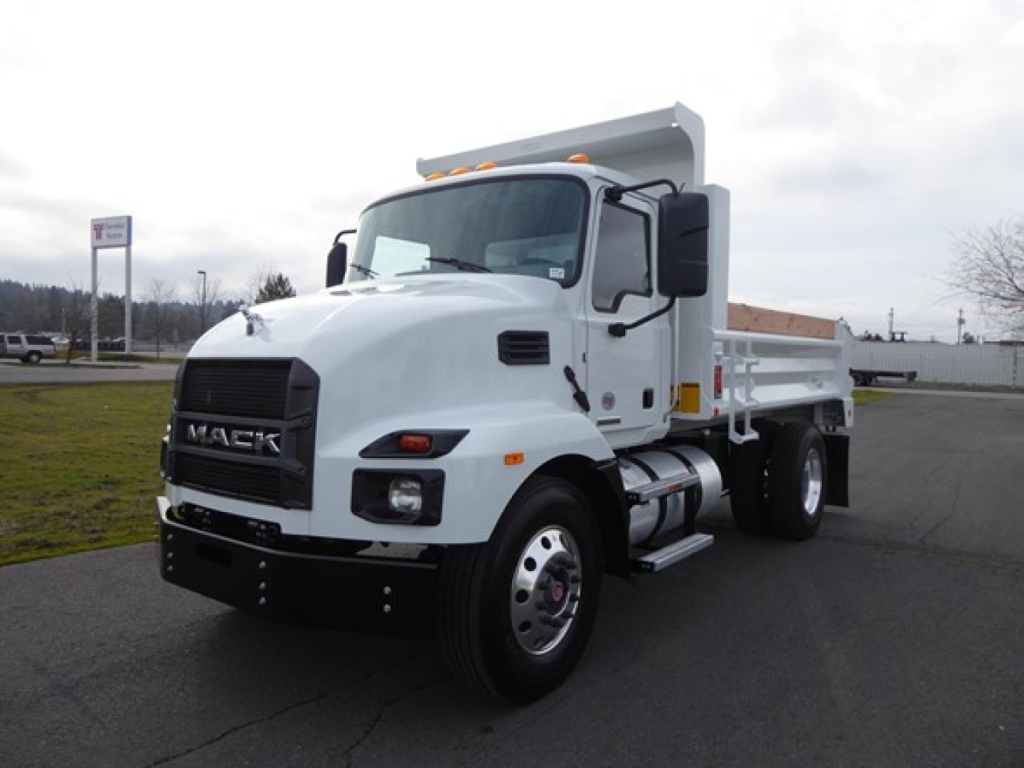
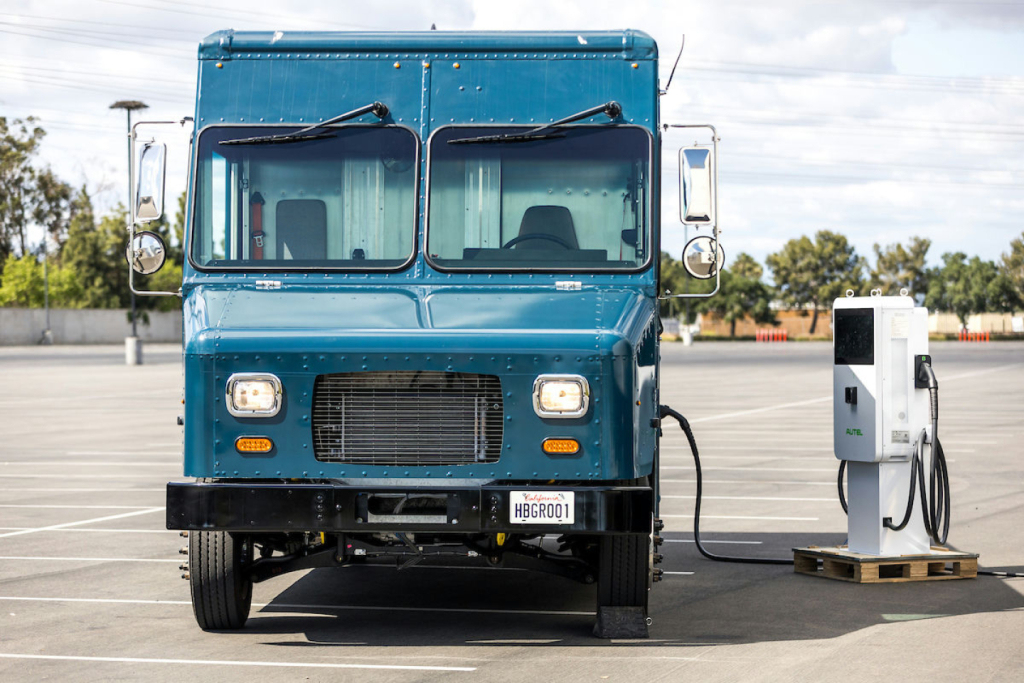
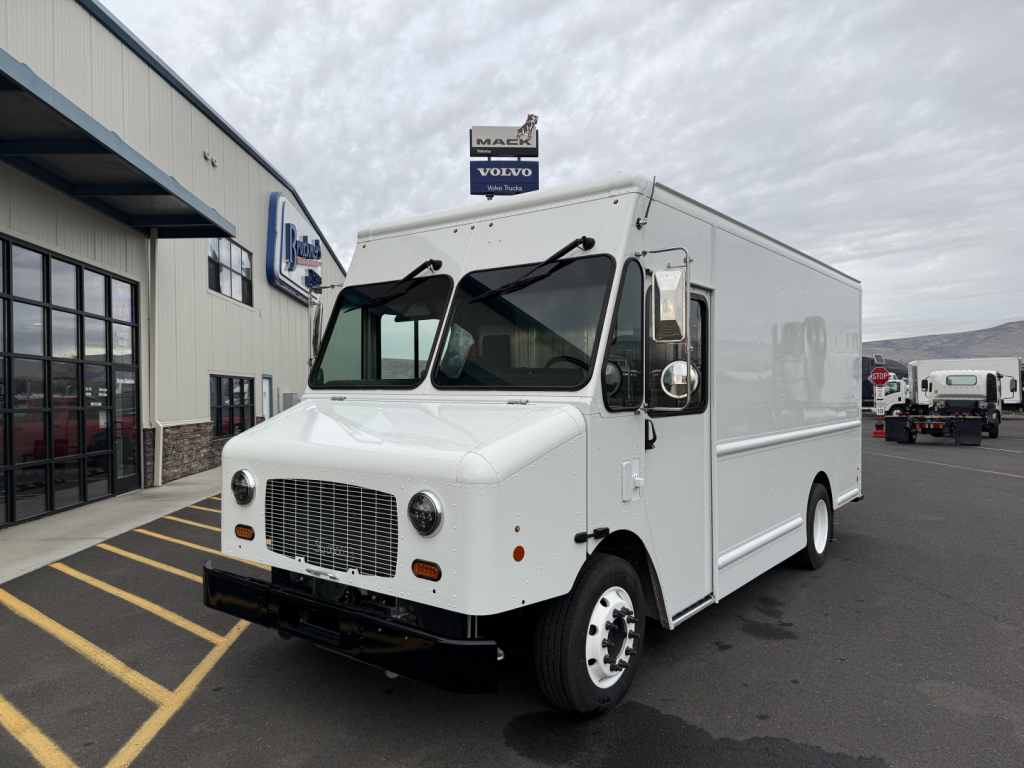
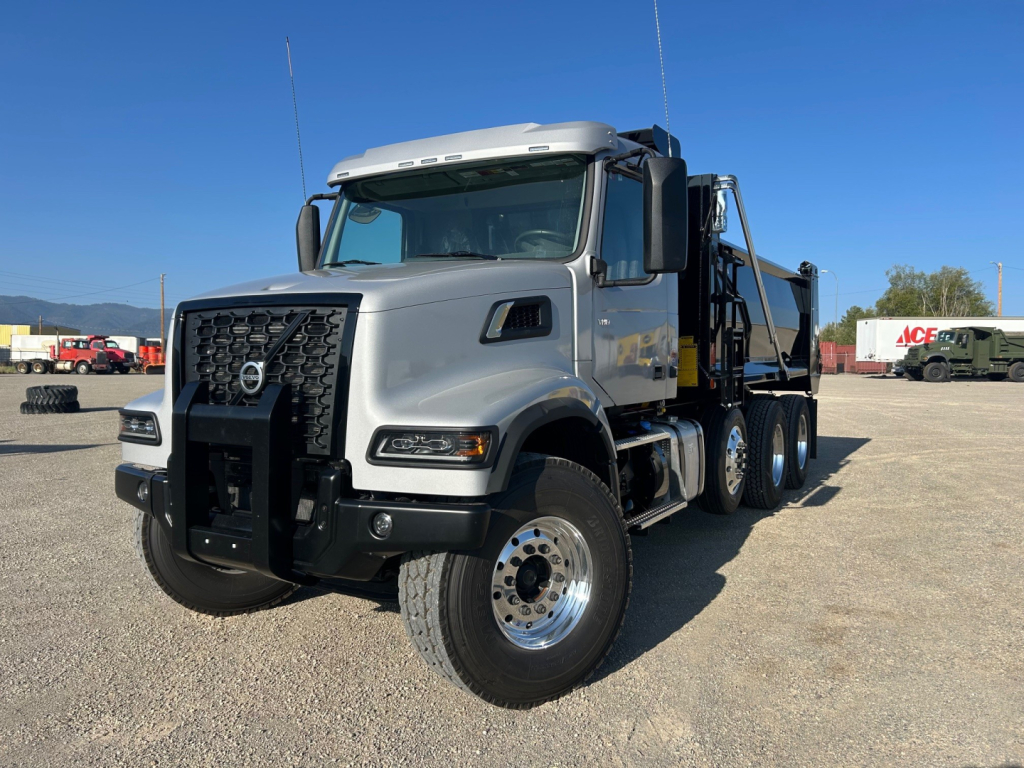
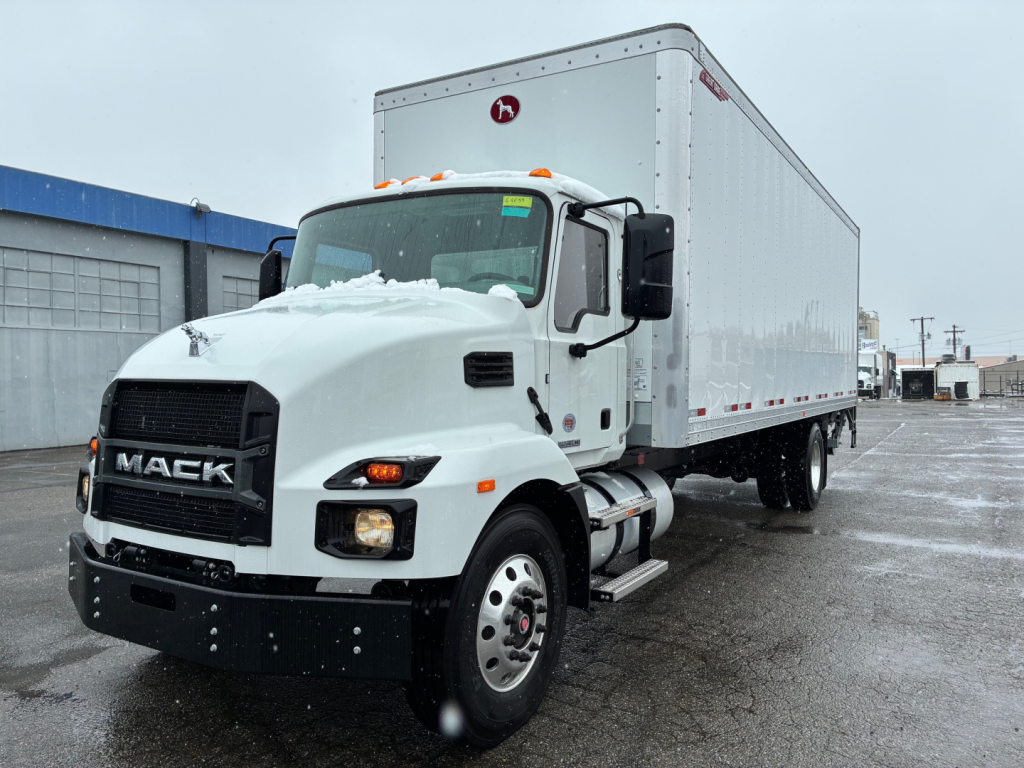
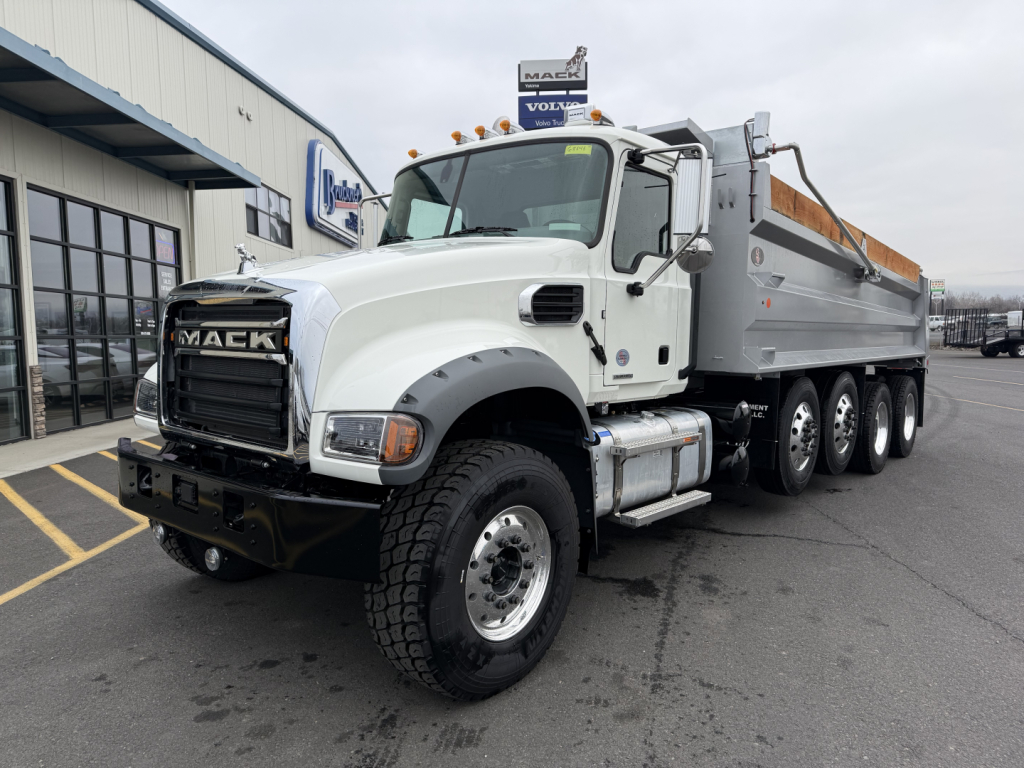
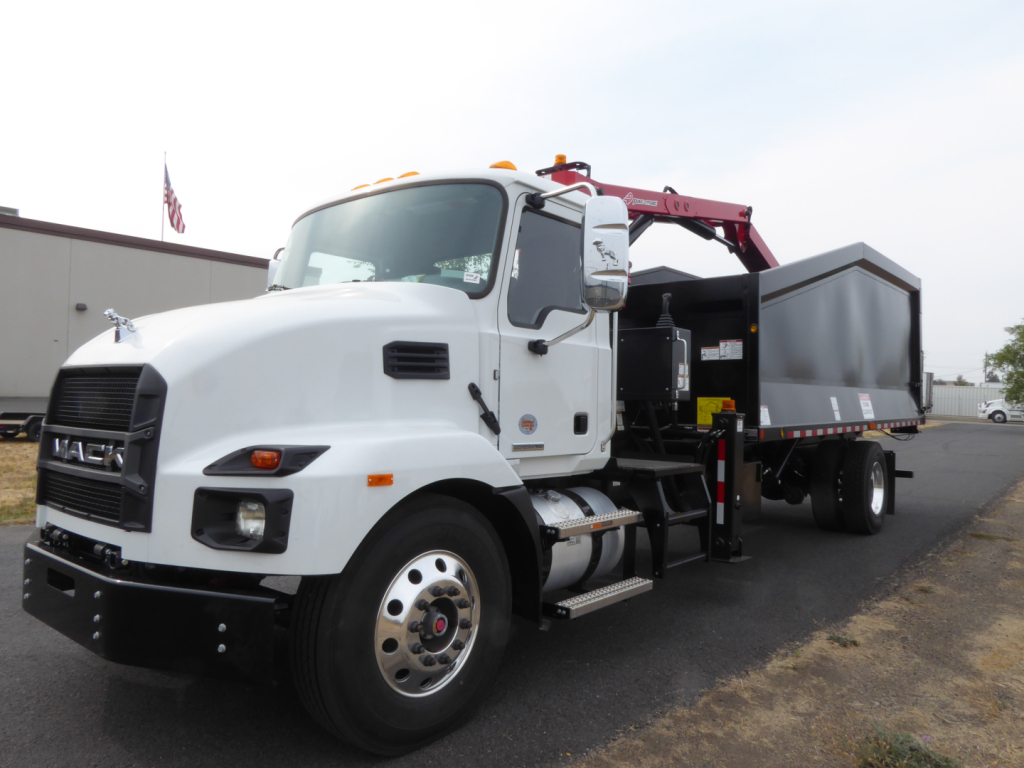
Selling a 2025 commercial truck? List your 2025 commercial truck for sale and reach thousands of commercial buyers.
2025 Commercial Trucks in Washington
A 2025 truck buyer should start with the job, then match axle configuration, wheelbase, suspension, and drivetrain to that application. Highway sleepers commonly show up as tandem or 6x4 configurations with 70-inch sleepers, aerodynamic packages, automated manual or manual transmissions, and horsepower in the 400 to 505 range. Vocational trucks tend to push toward higher axle ratings, heavier suspensions, PTO capability, and shorter or application-specific wheelbases for body installation and tighter maneuvering. Front axle ratings around 12,000 to 20,000 pounds, rear ratings from 40,000 to 46,000 pounds, and GVWRs over 50,000 pounds are common depending on the build. Buyers should also pay close attention to rear axle ratio, differential locks, brake type, and frame spec when comparing listings that may look similar at first glance.
For Washington operators, emissions compliance and drivability matter just as much as raw spec. Newer 2025 trucks typically include advanced aftertreatment systems, integrated telematics, collision mitigation, lane departure alerts, and camera systems that improve uptime and driver awareness. On highway units, features like navigation, bunk heaters, inverters, refrigerators, and upgraded interiors can make a real difference in retention and over-the-road comfort. On vocational chassis, visibility, turning radius, body-builder compatibility, and transmission choice are often more important than sleeper amenities. Allison automatic transmissions remain common in refuse and severe-service applications, while Eaton Fuller and automated options continue to dominate many on-highway and regional haul specs.
When comparing 2025 trucks in this market, look beyond year and make. Check cab style, engine family, horsepower and torque rating, transmission model, wheelbase, suspension type, axle spread, and intended body or trailer use. A sleeper tractor set up for fuel economy and long wheelbase stability is a very different truck than a low-entry refuse chassis or a tandem dump platform, even if both are from the same model year. The right 2025 truck is the one whose spec matches payload, terrain, route density, maintenance capacity, and driver needs without carrying unnecessary weight or cost.
Frequently Asked Questions about 2025 Commercial Trucks in Washington
What should I look for first when buying a 2025 truck in Washington?
Start with the application and operating environment. A truck running highway freight across Washington and neighboring states should be evaluated for horsepower, sleeper size, rear ratio, wheelbase, fuel economy features, and driver comfort. A vocational truck for dump, refuse, or municipal work should be judged more heavily on axle ratings, frame strength, suspension, PTO readiness, turning radius, and body compatibility. Washington buyers should also account for mountain grades, wet conditions, urban stop-and-go use, and any bridge or jobsite weight restrictions.
Are 2025 trucks mainly highway tractors, or do they include vocational models too?
The 2025 truck market includes both highway and vocational equipment. Buyers will find conventional sleeper tractors, day cabs, dump trucks, refuse chassis, and other purpose-built configurations. The model year tells you the truck is current, but it does not define the job it is built to do. Two 2025 trucks can differ completely in frame rail spec, suspension, axle capacity, transmission, and cab layout, so the category should be narrowed by application before comparing units on price or brand.
What engine and transmission specs are common on 2025 trucks?
On current-model highway trucks, engines in the 400 to 505 horsepower range are common, paired with manual or automated transmissions in 12- or 13-speed configurations. Vocational trucks often use lower-geared drivetrains and may pair diesel engines with Allison automatic transmissions for easier operation in stop-and-go service. The right combination depends on payload, terrain, and duty cycle. Buyers should review torque rating, rear axle ratio, and transmission model together, because those three factors strongly affect gradeability, launch performance, and fuel consumption.
Do newer 2025 trucks offer better safety and driver systems?
Yes. Many 2025 trucks include advanced driver assistance and integrated electronics that were less common on older models. Depending on the spec, that can include collision mitigation, lane departure warning, backup cameras, navigation, telematics, and improved infotainment systems. These features can help reduce driver fatigue, support fleet management, and lower accident exposure. For some buyers, especially fleets and municipal operators, those systems are now part of the core buying decision rather than optional extras.
How important are wheelbase and axle ratings on a 2025 truck?
They are critical because they determine how the truck carries weight, handles body installation, turns in tight spaces, and performs on the road. A longer wheelbase may improve ride and directional stability on a highway sleeper tractor, while a shorter or carefully matched wheelbase can be essential for dump or refuse applications. Front and rear axle ratings define legal and practical load capacity, and they need to match both the intended payload and the body or trailer setup. A buyer comparing 2025 trucks should never treat wheelbase and axle ratings as minor details.