
2025 Ford Commercial Trucks For Sale
Browse 2025 Ford trucks for sale, from Super Duty work trucks to medium-duty chassis built for towing, service bodies, upfits, and delivery.
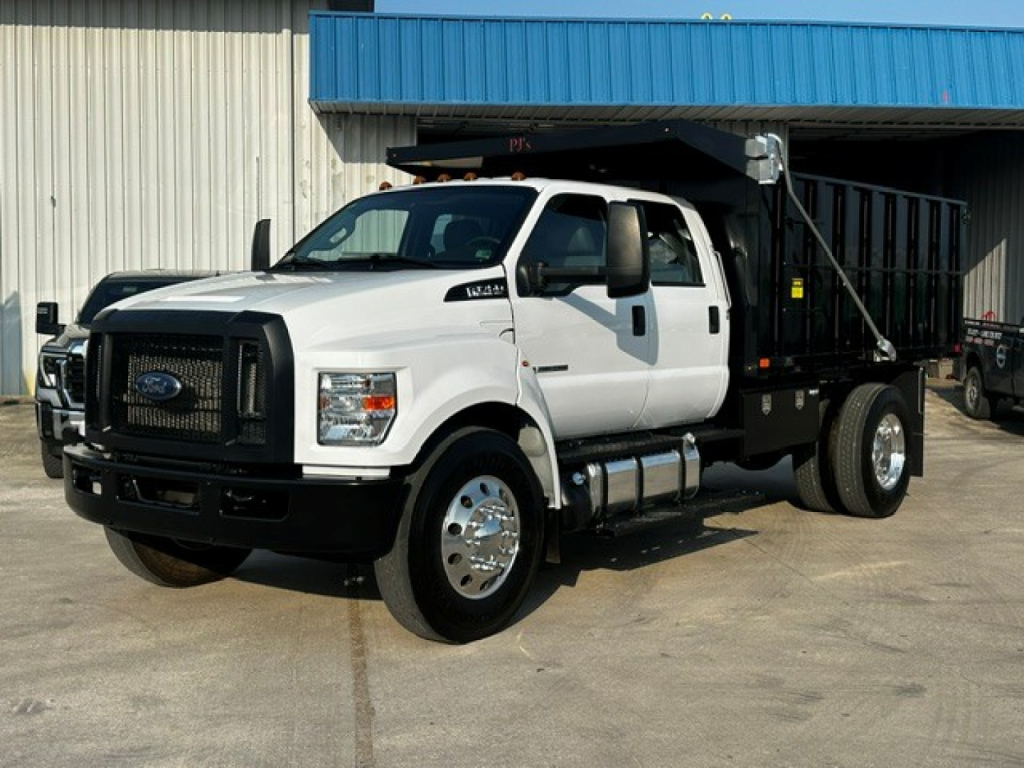
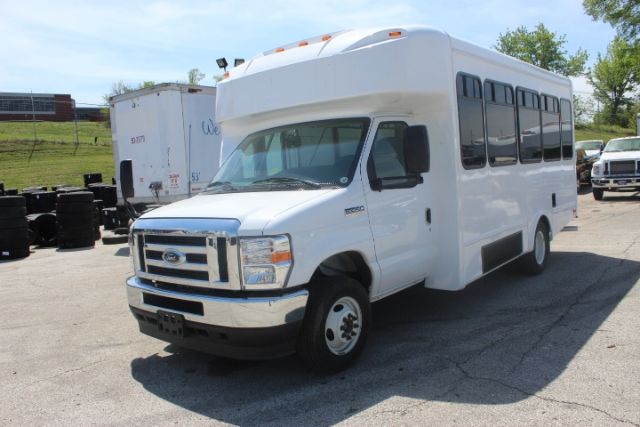
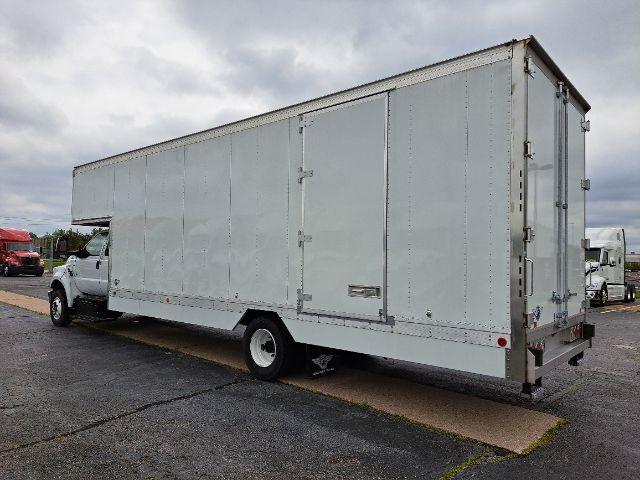
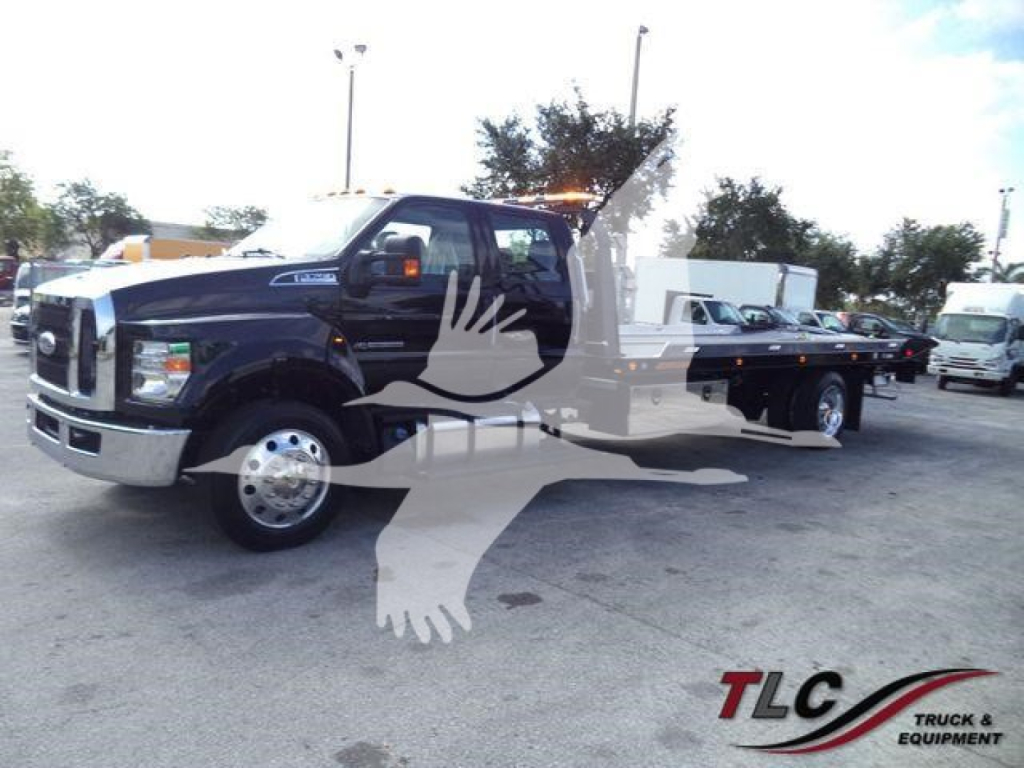
Selling a 2025 ford commercial truck? List your 2025 ford commercial truck for sale and reach thousands of commercial buyers.
2025 Ford Commercial Trucks
Powertrain and brake choices matter more than badge level. In 2025 Ford commercial trucks, buyers often focus on the 6.7L Power Stroke diesel in Super Duty applications and gas-engine options in some medium-duty specs, depending on duty cycle, fuel availability, and maintenance strategy. Diesel trucks tend to make sense for towing, recovery, snow and ice work, and higher-mileage operation where torque and durability are priorities. Gas-powered configurations can pencil out well for local delivery, lighter vocational work, and fleets trying to simplify emissions-related maintenance. Transmission calibration, rear axle ratio, 4x2 versus 4x4, and PTO readiness should be matched to the body and route. On rollback and tow applications, details like wheel-lift rating, winch capacity, deck length, and GVWR are more important than trim.
Cab-and-chassis buyers should pay close attention to wheelbase, cab-to-axle dimension, frame strength, and front axle capacity before choosing a body. Those measurements determine whether the truck will accept a utility body, dry van, reefer, dump, or carrier without compromising weight distribution. Ford medium-duty trucks are often selected because they are straightforward to upfit and widely supported in municipal, contractor, and regional fleet service. Suspension type, air brake versus hydraulic brake configuration, tire size, and fuel tank placement can all affect how well the finished truck performs in real work. If the listing already includes an upfit, inspect the body brand, PTO setup, electrical integration, corrosion condition, and any signs of frame modification.
A 2025 Ford truck can be a strong fit for contractors, towing operators, delivery fleets, utility crews, and public-sector buyers, but the right spec is always application-driven. A service truck used on job sites needs different axle ratings and storage layout than a van-body delivery unit or a low-profile rollback. Buyers should compare GVWR, payload, towing capacity, body length, brake type, and engine hours or mileage in the context of the truck's actual workload. Ford remains a common choice in commercial trucking because parts support is broad, the cab layouts are familiar to drivers, and the platform is flexible enough to serve both pickup-based and true medium-duty vocational roles.
Frequently Asked Questions about 2025 Ford Commercial Trucks
What is the difference between a 2025 Ford Super Duty truck and a 2025 Ford medium-duty truck?
Ford Super Duty models such as the F-350, F-450, and F-550 are commonly used for pickup-based commercial work, cab-and-chassis upfits, and jobs that require a tighter turning radius or available 4x4. Ford medium-duty trucks such as the F-650 and F-750 are built for heavier GVWR classes, larger bodies, and more demanding vocational service. Medium-duty models typically offer stronger frames, higher axle capacities, and more flexibility for van bodies, rollback carriers, dumps, and other large upfits.
Which 2025 Ford truck is best for a service body or mechanic truck?
That depends on payload, crane requirement, and jobsite conditions. An F-350 or F-450 can work well for lighter service bodies and mobile maintenance roles. An F-550 is a common middle ground when buyers need more body capacity, better stability with tools and compressors, or space for a small crane. For heavier mechanics bodies, larger cranes, or higher daily payloads, an F-650 or F-750 may be the better long-term choice because the chassis is designed for more weight and larger upfits.
Is a diesel or gas engine better in a 2025 Ford commercial truck?
Diesel is usually preferred for heavier towing, higher annual mileage, and applications that demand strong low-end torque, such as towing, rollback service, and severe-duty vocational work. Gas engines can be a smart fit for local delivery, lower-mileage fleet use, and operations focused on lower upfront cost and simpler maintenance routines. The best choice depends on route length, idle time, emissions-service tolerance, and the weight the truck will carry or pull every day.
What should I check first on a 2025 Ford cab and chassis listing?
Start with GVWR, wheelbase, cab-to-axle dimension, axle ratings, and brake type. Those specifications determine what body can be installed and how well the truck will carry the load. After that, confirm engine and transmission combination, PTO capability if needed, rear axle ratio, suspension, and whether the frame has already been drilled or modified for an upfit. If a body is already installed, inspect body compatibility, wiring quality, and overall weight distribution.
Are 2025 Ford trucks a good choice for towing and recovery work?
Yes, many Ford chassis are widely used in towing and recovery, especially F-550 through F-750 configurations. The right setup depends on the carrier or wrecker body, required winch and wheel-lift ratings, and the truck's GVWR and axle capacities. Buyers in this segment should focus less on trim package and more on chassis capacity, brake system, wheelbase, and how well the truck was matched to the bed or towing equipment.