
2025 Winch Trucks For Sale
Shop 2025 winch trucks for towing, recovery, and service work. Compare chassis, winch capacity, PTO setups, and body configurations.
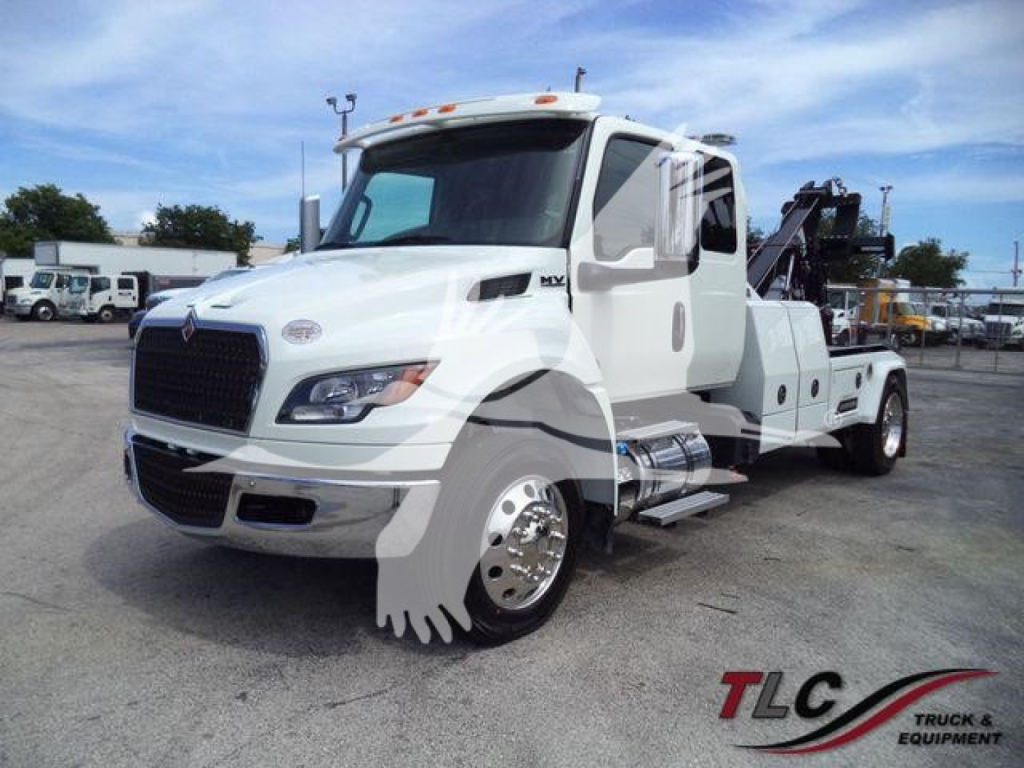
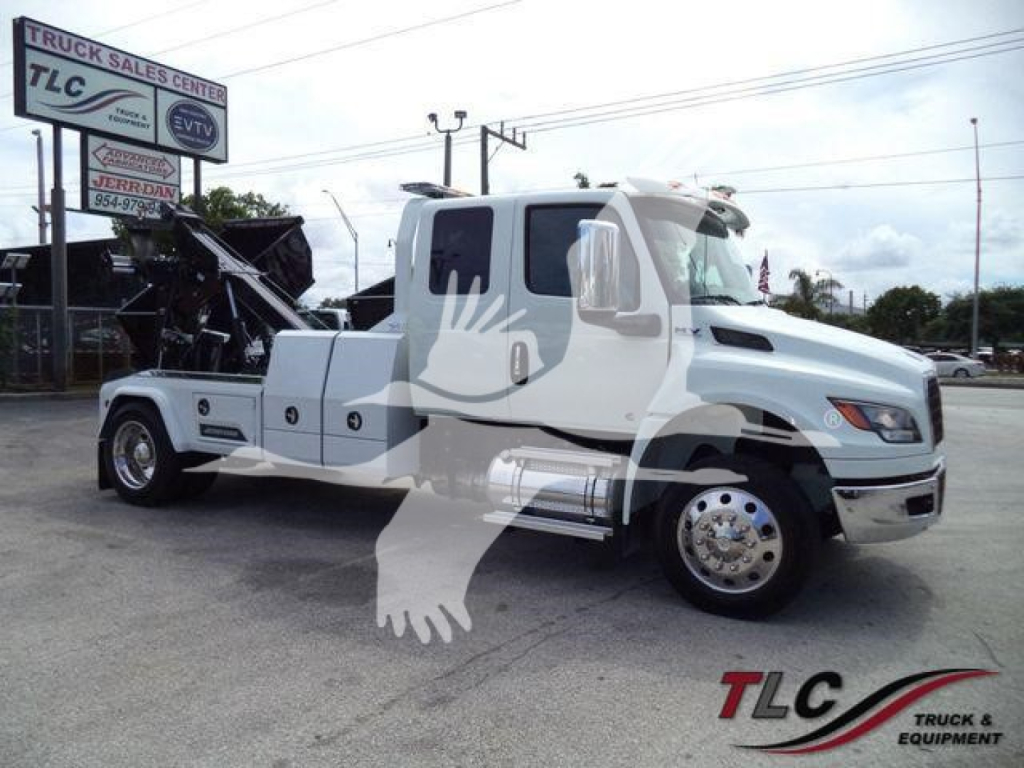
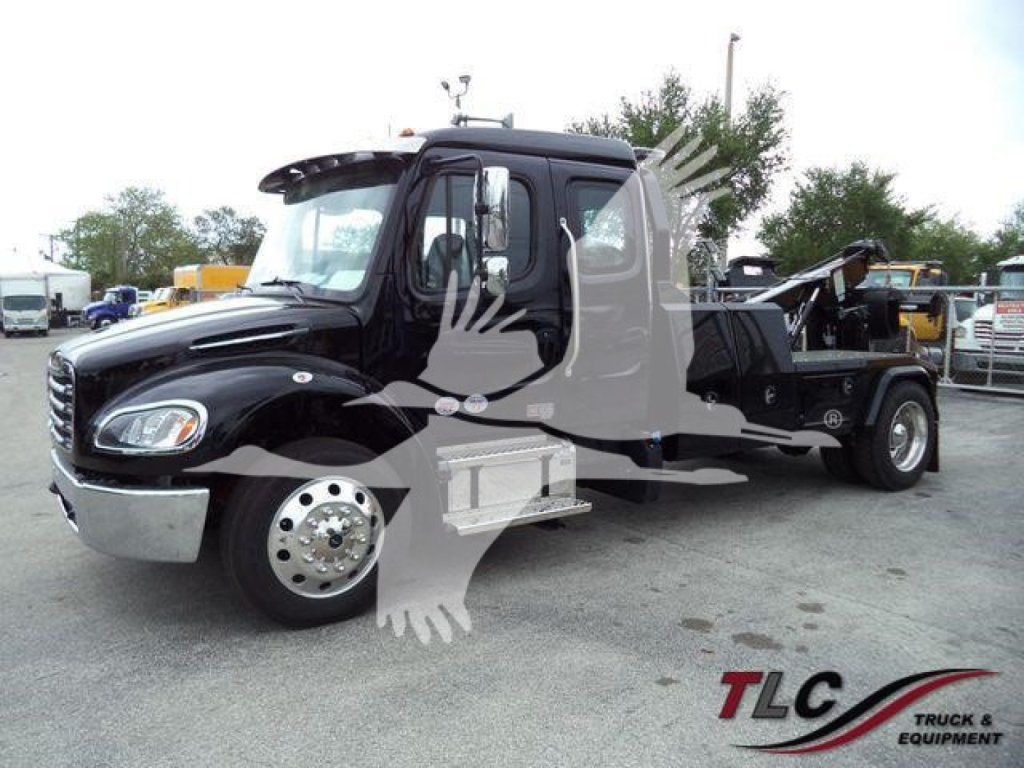
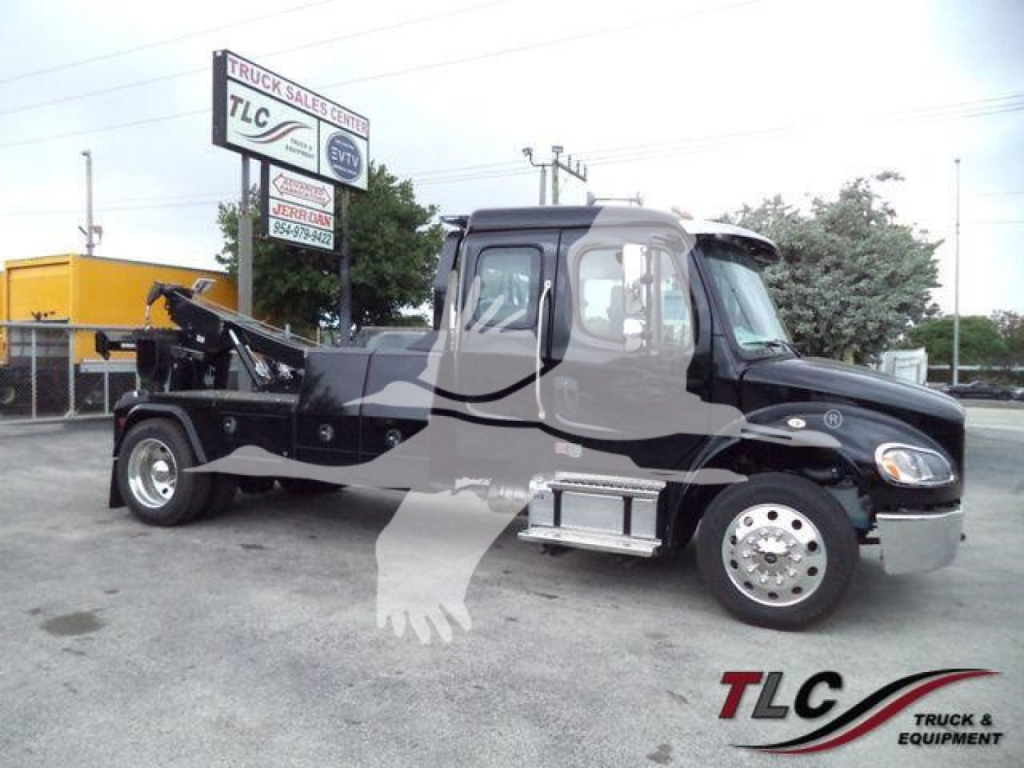
Selling a 2025 winch truck? List your 2025 winch truck for sale and reach thousands of commercial buyers.
2025 Winch Trucks
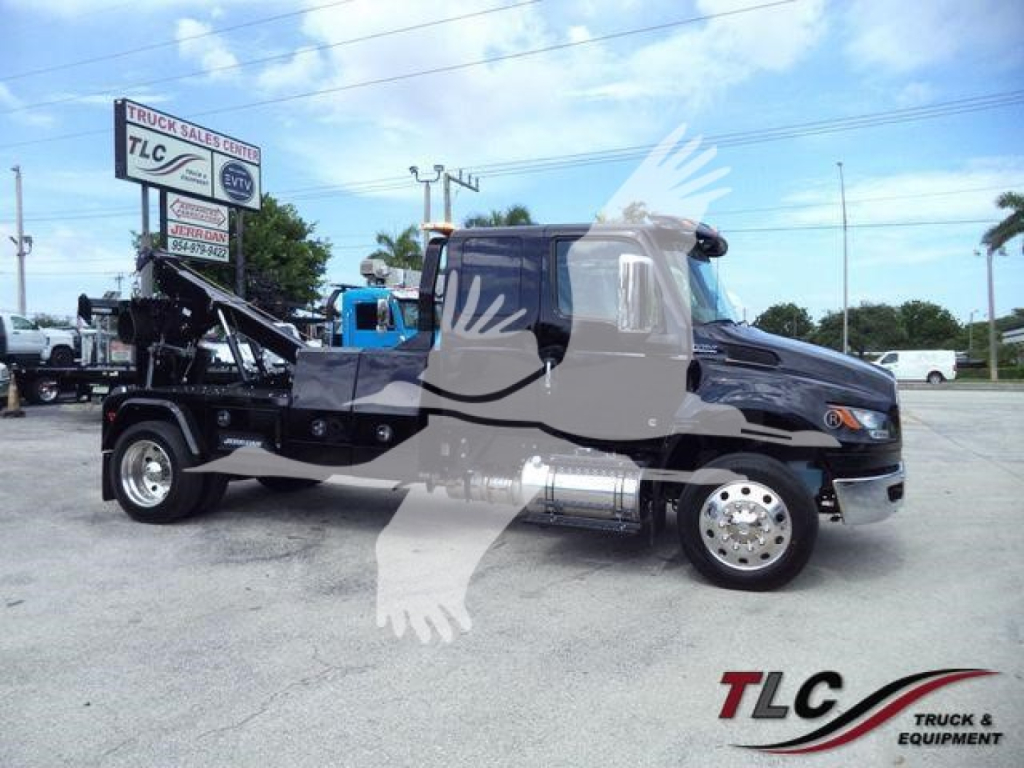
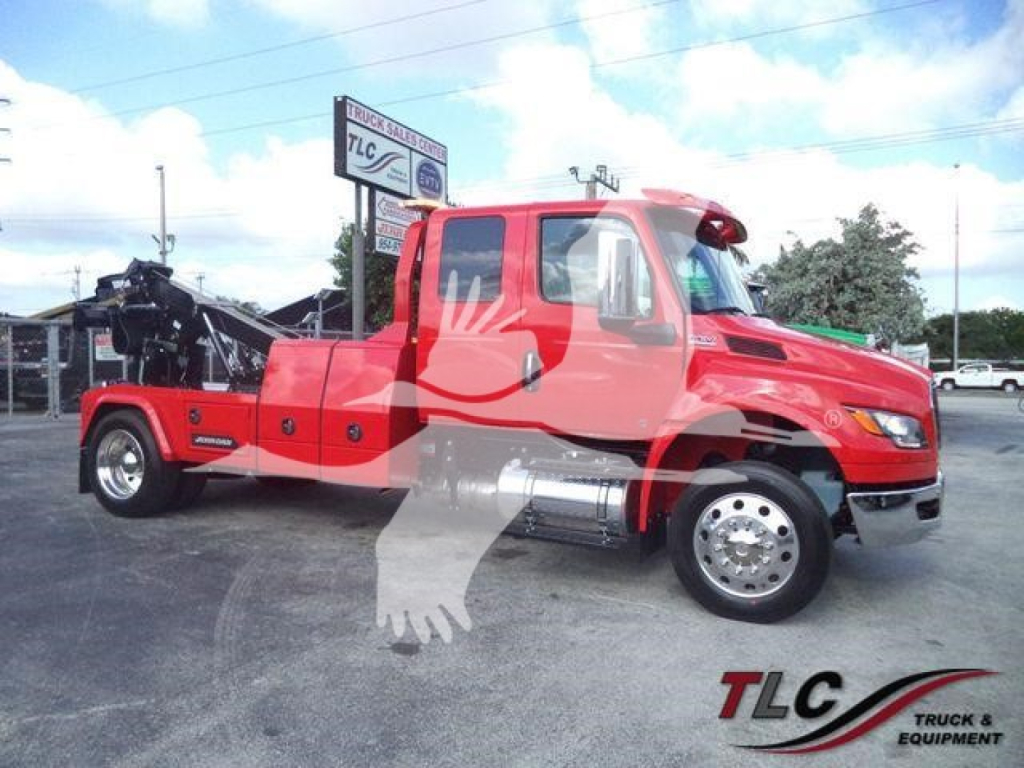
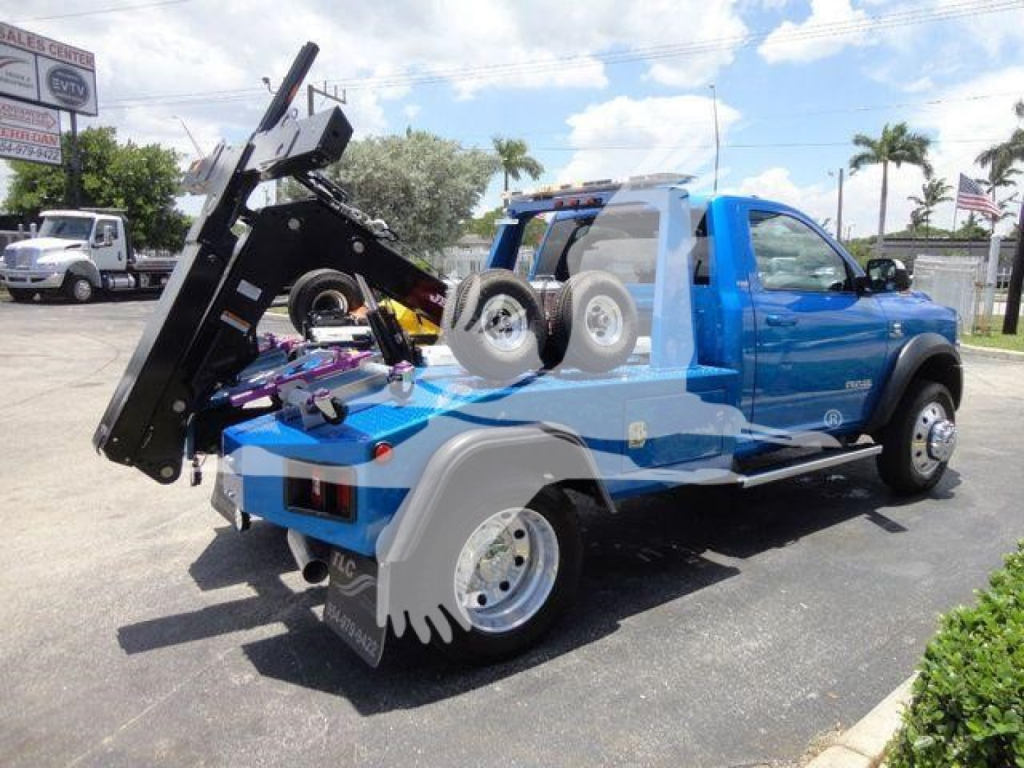
On light and medium-duty tow configurations, common 2025 winch trucks are built on Class 4 to Class 6 chassis such as Ram 4500 and 5500 models, with diesel power, automatic transmissions, and 4x2 or 4x4 drivetrains. Typical specs include an 8,000-lb drag winch, a 4,000-lb self-loading underlift, wheel grids, tie-down straps, work lights, backup alarms, and integrated tool storage. These trucks are designed for commercial towing, municipal impound work, parking enforcement, and recovery of passenger vehicles and light trucks. A buyer should look closely at underlift reach and rating, boom function, remote or wired controls, suspension setup, wheelbase, and whether the body uses steel or modular aluminum construction.
For heavier winch truck applications, the conversation shifts to hydraulic system performance, frame strength, and front-to-rear weight distribution. Medium and heavy-duty chassis may carry larger dual-winches, recovery booms, stabilizers, and reinforced rear structures. In oilfield service, a 2025 winch truck may be spec'd with a pole bed, gin poles, deck rollers, chain racks, and planetary winches sized for equipment handling rather than vehicle towing. On these units, buyers should verify line pull, drum capacity, hydraulic pressure and flow, PTO compatibility, rear axle ratio, suspension type, and the condition of wear components such as wire rope, sheaves, fairleads, and outrigger or stabilizer systems.
The best 2025 winch truck for sale is the one spec'd around legal payload, terrain, and duty cycle, not just advertised winch capacity. A short-wheelbase 4x4 unit may be the right fit for tight urban towing or off-pavement access, while a longer, heavier chassis offers better stability for frequent recovery work or equipment handling. Service body storage, lighting, camera systems, no-lube components, and accessible controls all affect day-to-day productivity. If the truck will work under DOT scrutiny or on contract jobs, it is smart to confirm GVWR, front axle loading, brake spec, trailer equipment, lighting compliance, and any body manufacturer warranty still in force.
Frequently Asked Questions about 2025 Winch Trucks
What is the difference between a winch truck and a wrecker tow truck?
In many listings, a winch truck is actually a wrecker or self-loader tow truck equipped with one or more hydraulic winches and an underlift. In oilfield and heavy hauling markets, the term winch truck usually refers to a truck with a bed-mounted hydraulic winch used to load and position equipment. The right definition depends on the body configuration, not just the listing title. Buyers should confirm whether the truck is built for vehicle recovery, equipment handling, or both.
What winch capacity is common on a 2025 light-duty winch truck?
On light-duty and medium-duty towing applications, an 8,000-lb drag winch is a common spec, especially on integrated self-loader wreckers built on Ram 4500 or 5500 chassis. That rating is suitable for many passenger vehicle and light truck recovery tasks, but it does not tell the whole story. Underlift capacity, boom design, truck GVWR, wheelbase, and rear axle rating all affect what the truck can safely tow and recover.
Should I choose a 4x2 or 4x4 winch truck?
A 4x2 winch truck usually offers lower acquisition cost, less driveline complexity, and strong performance on paved routes. A 4x4 setup is valuable for snow, mud, steep grades, jobsite access, and rural recovery work where traction is a constant issue. The tradeoff is usually higher weight, higher cost, and potentially reduced payload margin. The best choice depends on where the truck will spend most of its working hours.
What specs matter most when comparing 2025 winch trucks for towing work?
The key specs are chassis GVWR, front and rear axle ratings, engine torque, transmission type, underlift rating and reach, winch line pull, body material, control system, and storage layout. Buyers should also check lighting, backup camera coverage, wheel lift equipment, and whether the truck includes dollies or recovery accessories. A truck with the right balance of axle capacity, underlift geometry, and usable storage will usually perform better in daily service than one selected only by horsepower or advertised winch size.
What should I inspect on a used heavy winch truck?
On a used heavy winch truck, inspect the hydraulic system, PTO engagement, boom structure, winch drums, cable or rope condition, fairleads, stabilizers, frame rails, and any signs of cracking or poor repairs around the body mounts. Confirm that the transmission shifts correctly under load and that suspension, brake, and steering components match the truck's intended service. Service records matter because winch trucks often work in stop-and-go, high-idle, and high-load conditions that accelerate wear compared with standard on-road vocational trucks.