
2025 Winch Trucks For Sale in Florida
Shop 2025 winch trucks for towing and recovery. Compare self-loaders, wheel-lift wreckers, chassis, winch ratings, and Florida-ready specs.
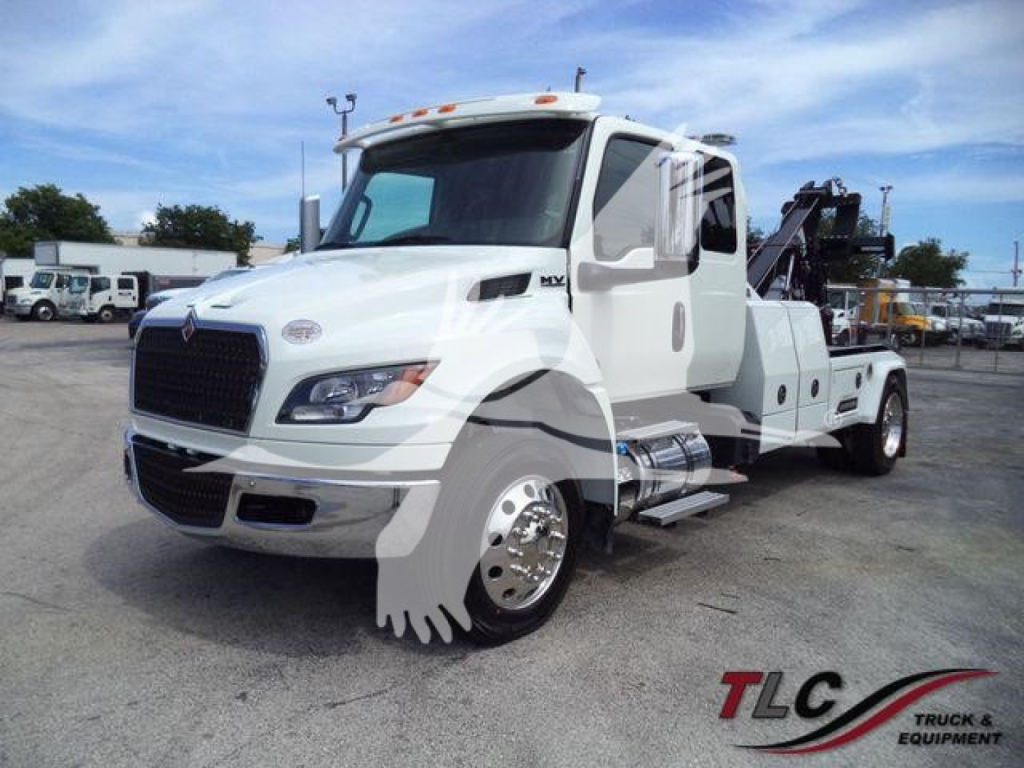
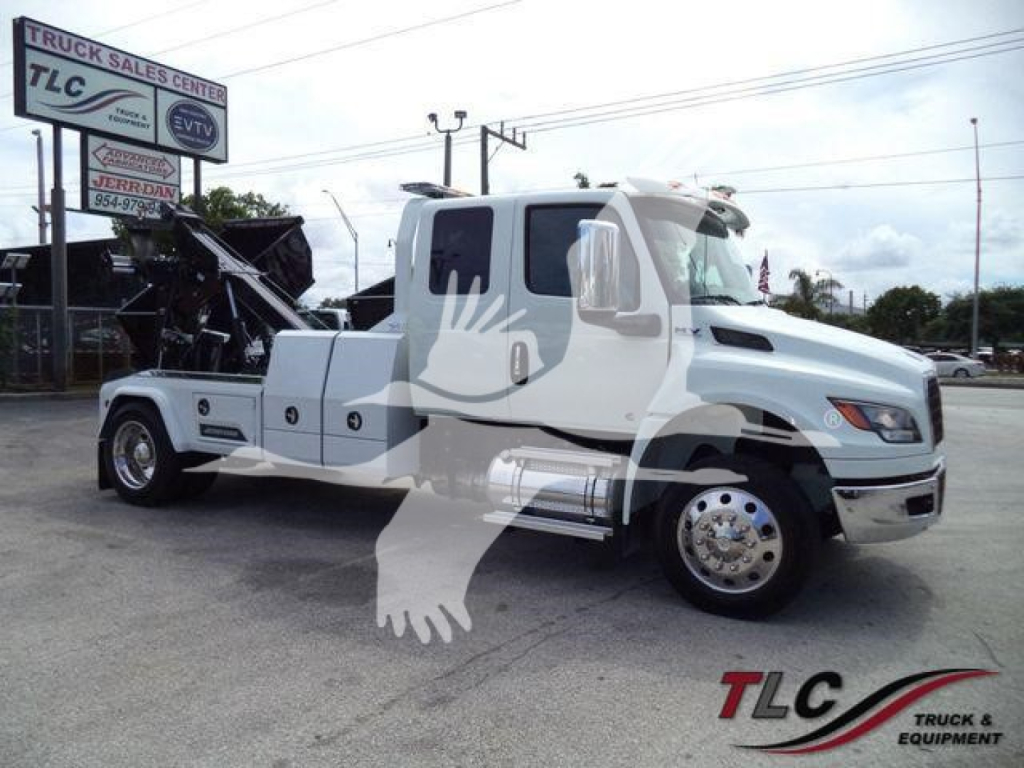
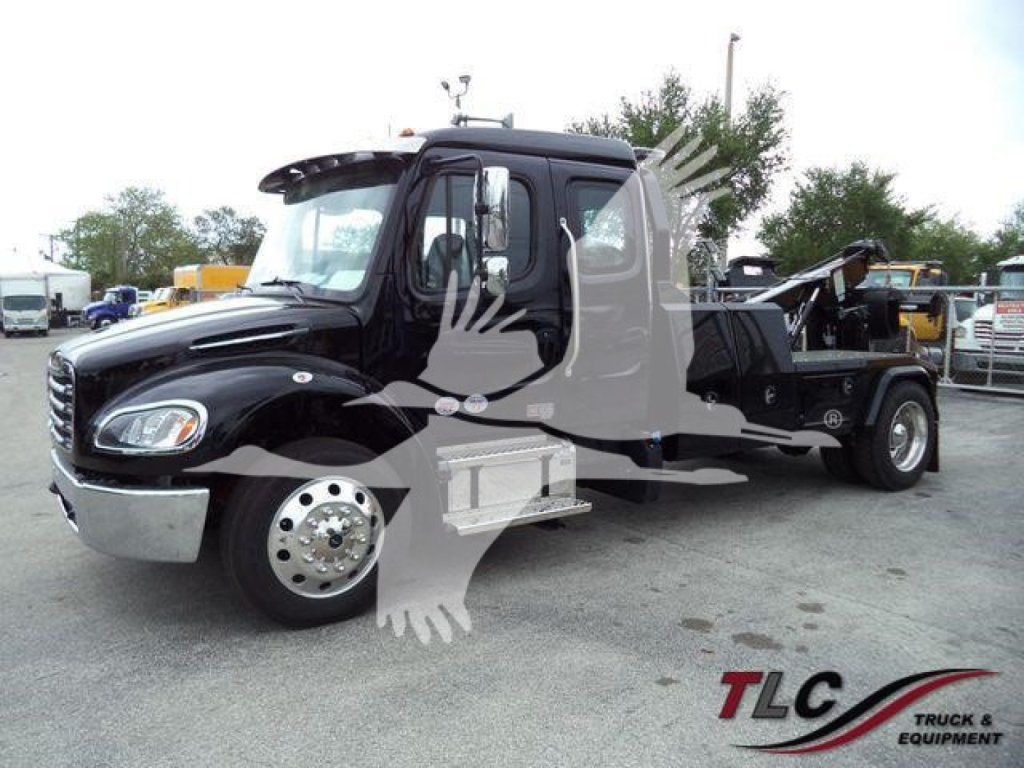
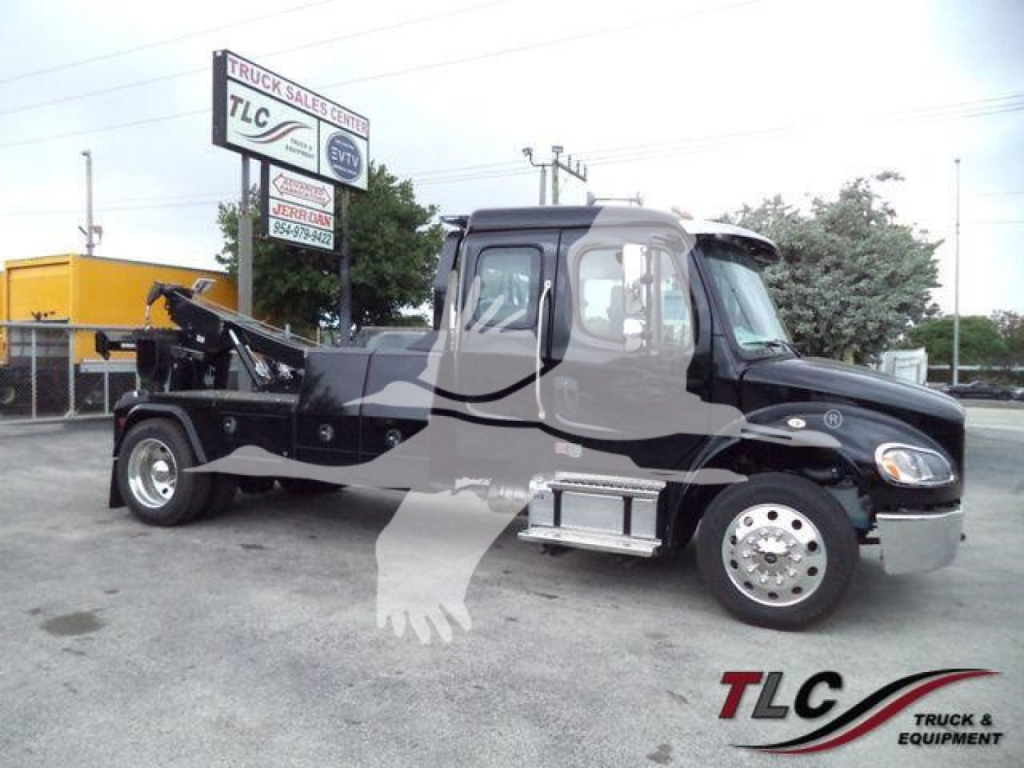
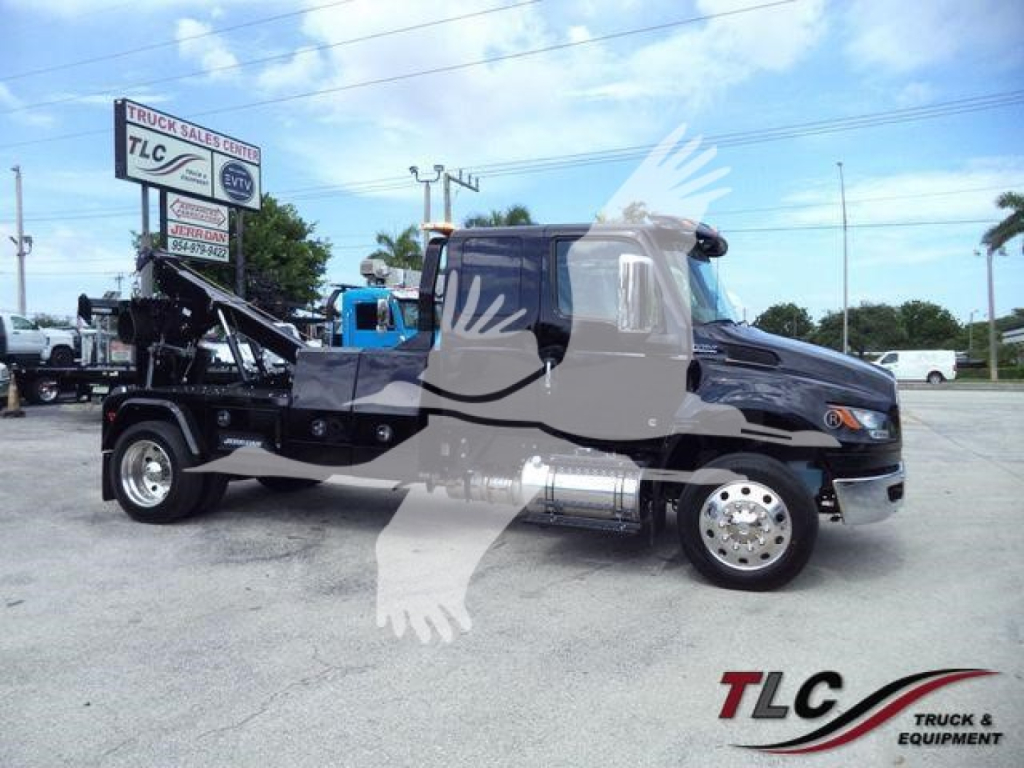
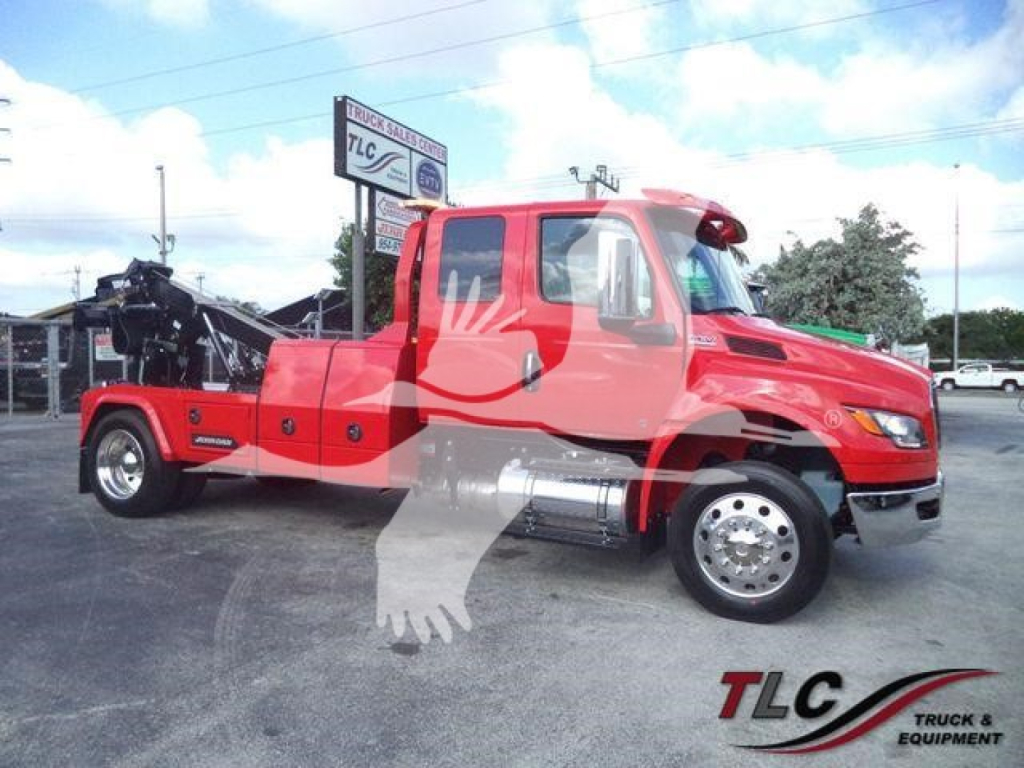
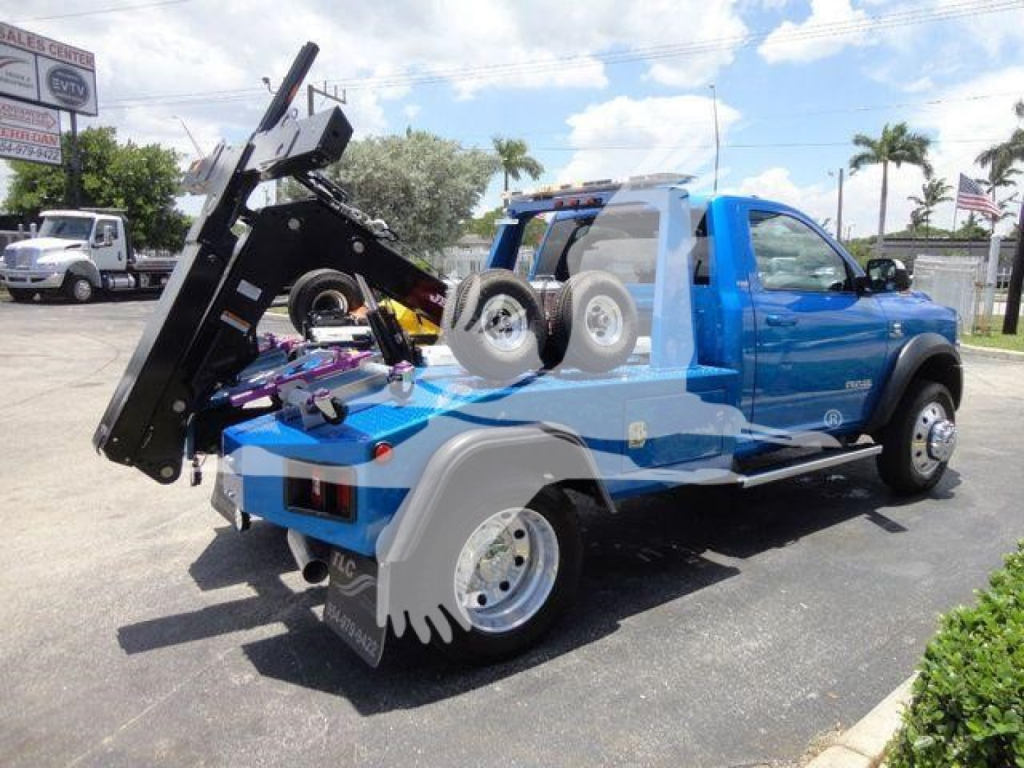
Selling a 2025 winch truck? List your 2025 winch truck for sale and reach thousands of commercial buyers.
2025 Winch Trucks in Florida
Frequently Asked Questions about 2025 Winch Trucks in Florida
What is the difference between a self-loader winch truck and a heavier wrecker?
A self-loader, also called an auto loader or wheel-lift tow truck, is designed for fast hookup and high-volume towing of cars, pickups, and light SUVs. These units commonly use single or dual drag winches in the 8,000-lb range and prioritize speed, maneuverability, and operator efficiency. A heavier wrecker adds more boom capacity, stronger underlift hardware, dual winches, and stabilizers such as hydraulic stiff legs for recovery work and larger disabled vehicles.
What chassis class is best for a 2025 winch truck?
The right chassis depends on target vehicle weight, route density, and operating environment. A 4500 or F-450 size truck is a common fit for urban towing, parking enforcement, and lighter roadside work because it is compact and easier to position in tight lots. A 5500 class chassis adds GVWR, axle capacity, and a stronger platform for more demanding daily use. Medium-duty chassis in the 26,000-GVWR range are better suited for commercial towing, dual winch setups, and jobs that require a 12-ton wrecker body.
Which winch truck features matter most for Florida operation?
In Florida, buyers usually pay close attention to corrosion resistance, cooling performance, and visibility equipment. Aluminum or composite body construction can be attractive in coastal markets because it helps limit corrosion compared with traditional steel body components. Strong air conditioning, LED work lighting, backup cameras, heated power mirrors, and reliable hydraulic systems also matter for long service days, frequent rain, and high-traffic roadside calls. If the truck will see beachside or marine-adjacent service areas, underbody condition and protective finishes deserve extra scrutiny.
How important is 4x4 on a winch truck?
4x4 is valuable when a truck will operate on soft shoulders, wet grass, construction approaches, or uneven recovery scenes. It is less critical for a primarily paved-road self-loader that spends most of its time in city towing, impounds, and dealer transport. The tradeoff is added weight, higher purchase cost, and more drivetrain complexity. For many Florida fleets, 4x2 is adequate for routine towing, while 4x4 makes sense for mixed-terrain work and storm-related recovery.
What body and recovery equipment should a buyer compare across listings?
Look closely at winch rating, boom capacity, wheel-lift or underlift design, and the included towing package. Important details include dual versus single winches, cable size and length, extendable boom design, hydraulic stiff legs, tool storage, work lights, light bar setup, and included forks, L-arms, straps, chains, and towing accessories. Buyers should also compare cab configuration, engine horsepower, transmission type, air brake availability, suspension, wheelbase, and GVWR because those chassis specs directly affect stability, legal payload, and the kinds of recoveries the truck can safely handle.