
2025 Isuzu Trucks For Sale
Shop 2025 Isuzu trucks for sale, including cab chassis, box trucks, and vocational builds with diesel or gas power and low-cab-forward maneuverability.
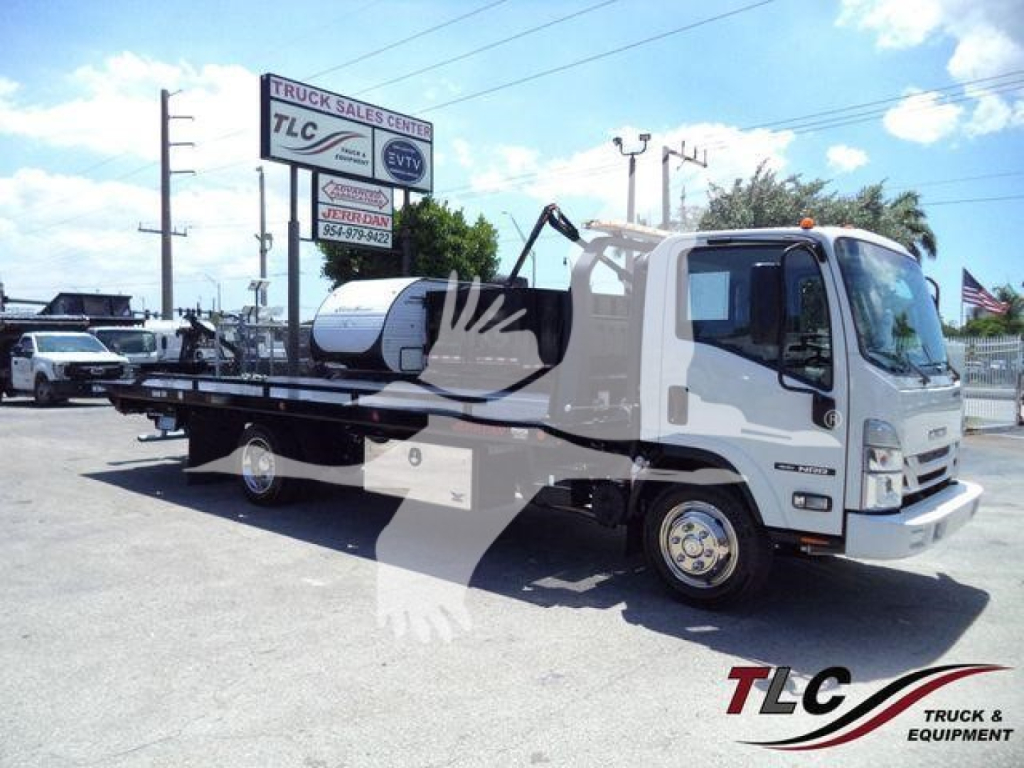
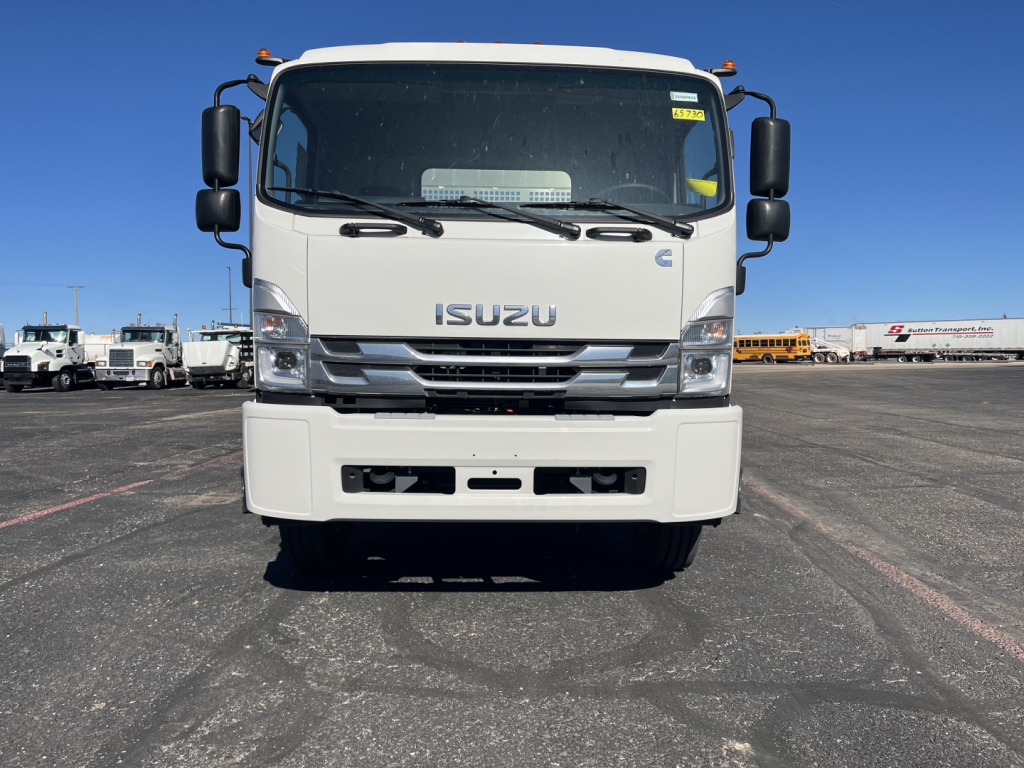
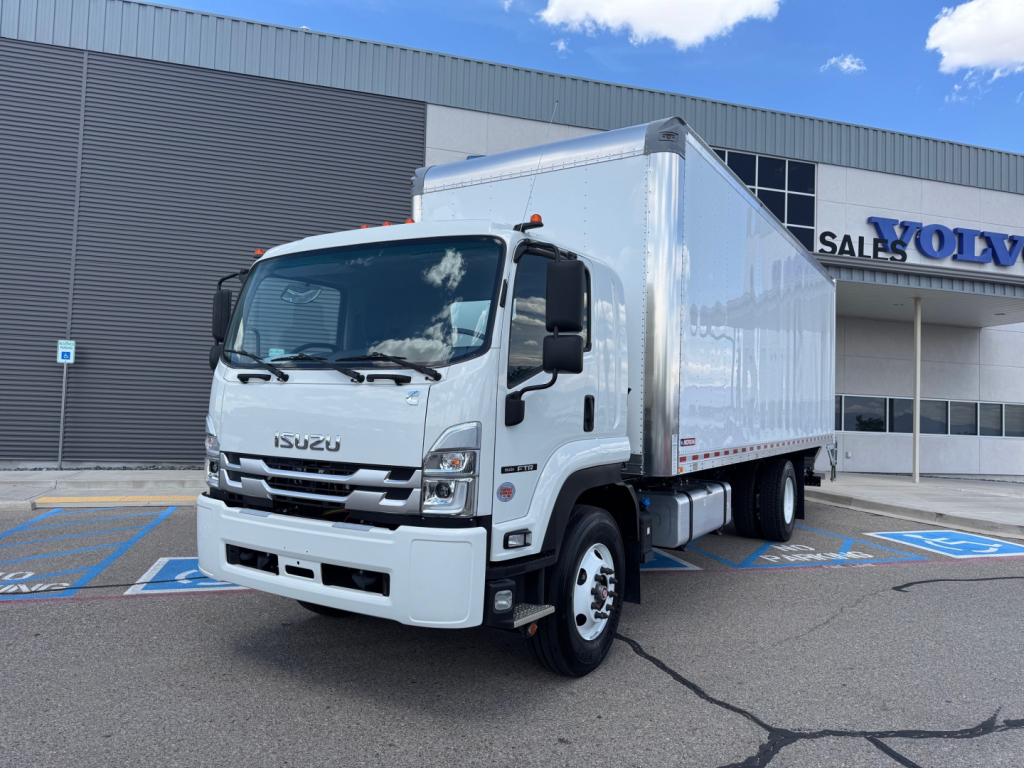
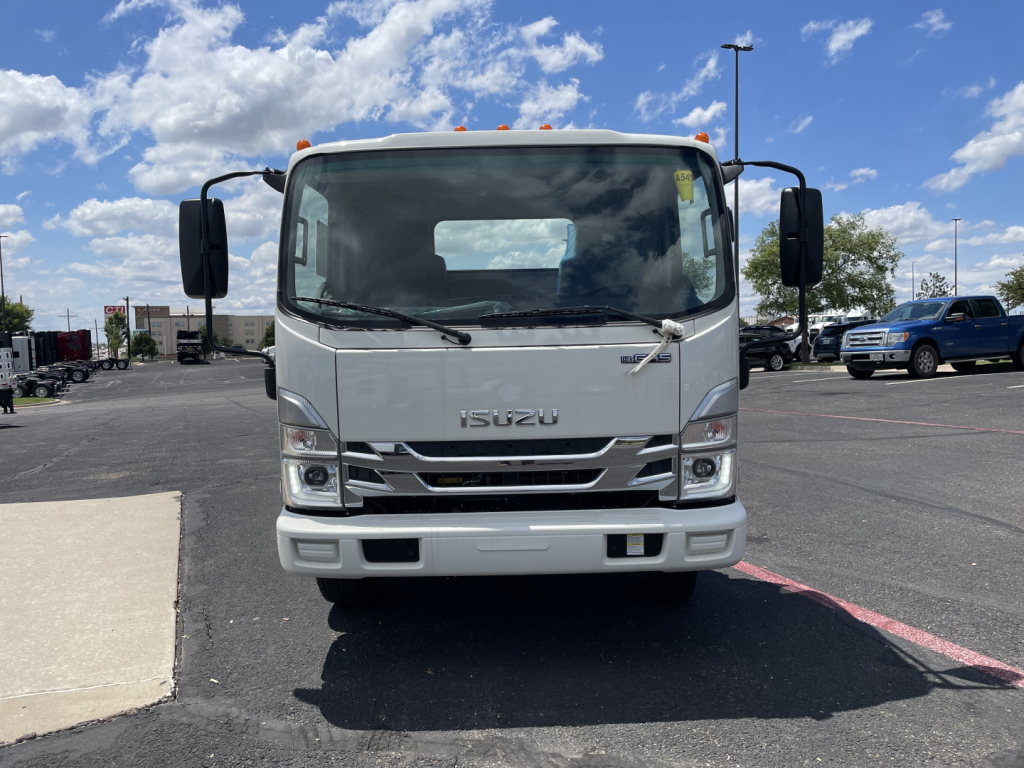
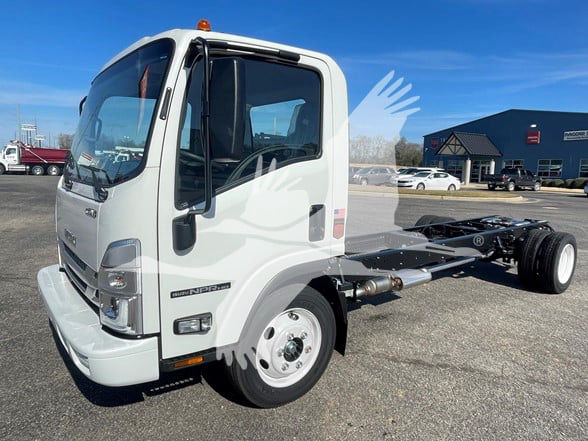
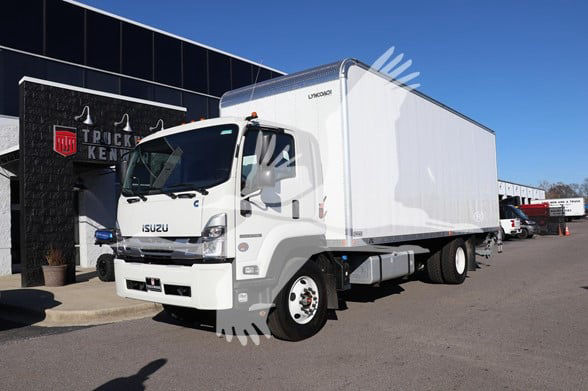
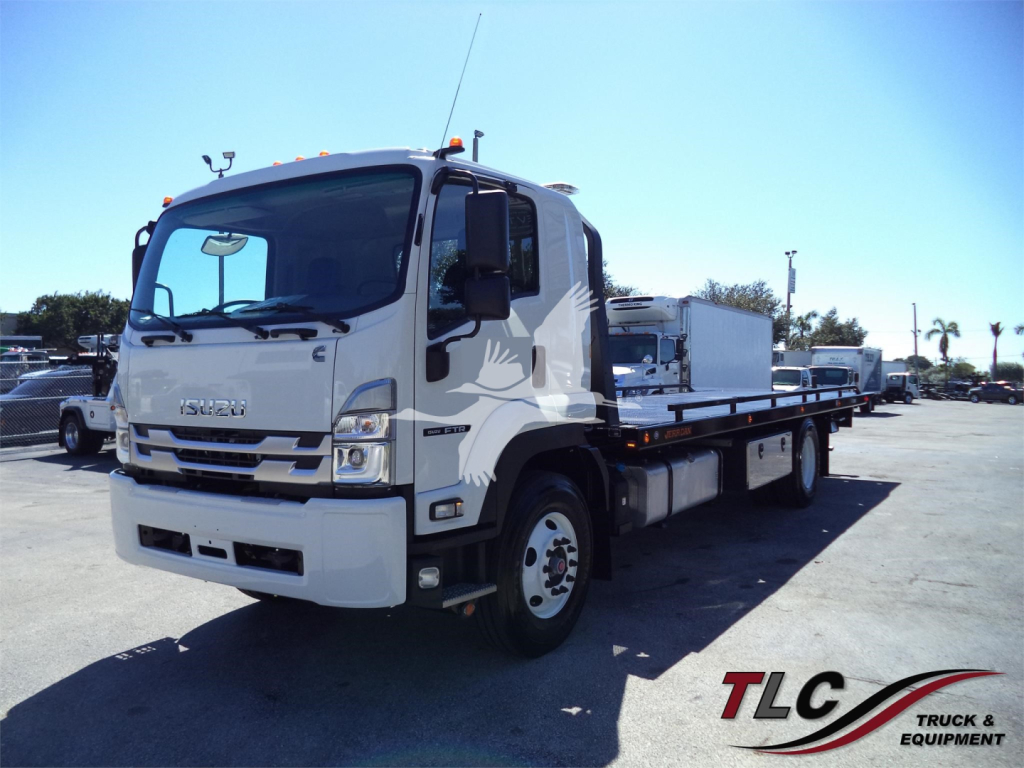
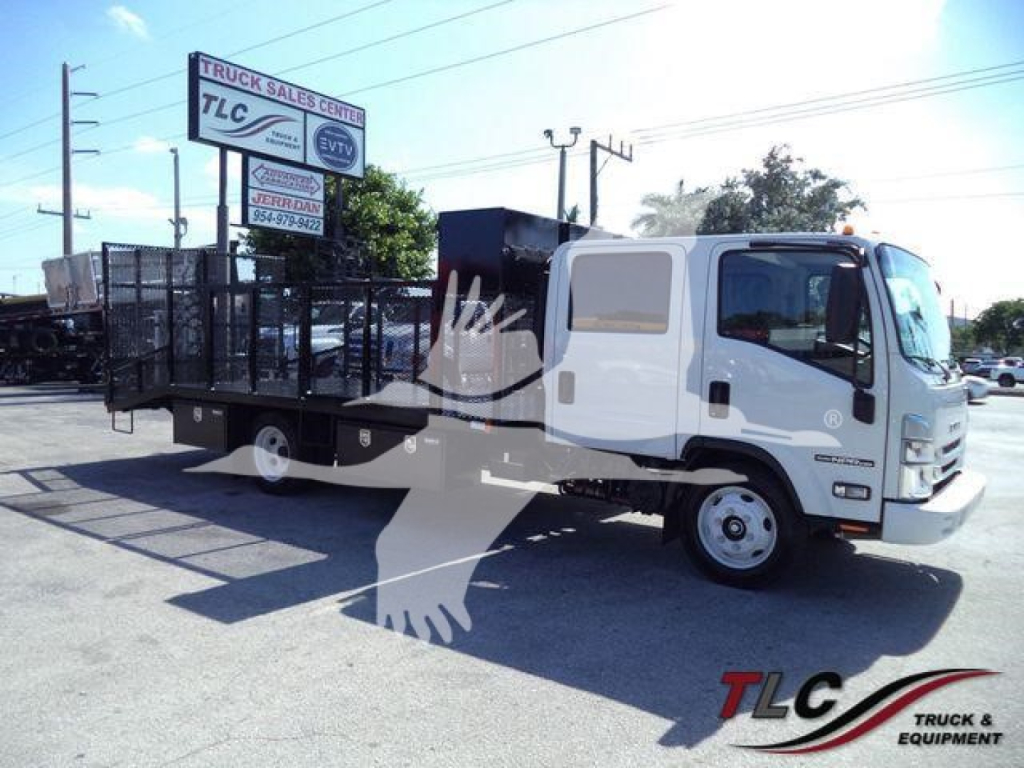
Selling a 2025 isuzu truck? List your 2025 isuzu truck for sale and reach thousands of commercial buyers.
2025 Isuzu Trucks
A 2025 Isuzu truck is often evaluated first by powertrain and GVWR. Depending on the model, buyers may find diesel or gas engine configurations paired with automatic transmissions, usually in 4x2 single-axle layouts. Lower-GVWR models such as the NPR and NPR-HD are commonly used for local delivery, parcel, moving, service, and refrigerated work, while heavier NQR and NRR variants are better suited for larger van bodies, landscape bodies, dump inserts, refuse-related applications, and equipment hauling within medium-duty limits. Wheelbase, cab-to-axle, and frame length matter more than many first-time buyers expect because they determine what body can be installed correctly and how the finished truck balances weight across the axles.
Body spec compatibility is a major buying point in this category. Box truck shoppers should look closely at inside height, door opening dimensions, liftgate rating, and rear axle capacity, especially if palletized freight or appliance delivery is part of the route. Cab and chassis buyers should confirm frame dimensions, PTO or upfitter requirements, and any body-builder switches needed for dump, hooklift, or service body installation. For route work, visibility, step-in height, and service access are part of the Isuzu appeal. The cabover design improves sightlines in dense traffic and speeds up multi-stop operation, which is why these trucks are common in food distribution, rental fleets, municipal work, and contractor service.
For buyers comparing 2025 Isuzu trucks for sale, the smartest approach is to look past the badge and focus on use case. A lightly loaded city-delivery box truck has different needs than a landscape dump or a 19,500-lb GVWR roll-off build. Check axle ratings, suspension type, brake setup, fuel type, body length, and liftgate or hoist specs against the actual payload and route profile. If the truck will run in CDL-sensitive applications, GVWR and body configuration should be reviewed carefully before purchase. Isuzu trucks have built a strong reputation in urban and regional fleet work because they are efficient to operate, easy to upfit, and well suited to businesses that need commercial-grade capability without stepping into a full-size Class 6 or Class 7 platform.
Frequently Asked Questions about 2025 Isuzu Trucks
What are the most common uses for a 2025 Isuzu truck?
2025 Isuzu trucks are commonly used for box truck delivery, moving, refrigerated delivery, landscape and nursery work, utility service, and cab and chassis upfits. Their low-cab-forward design makes them especially effective on multi-stop urban and suburban routes where turning radius, visibility, and easy dock access matter more than highway sleeper-style comfort. Heavier configurations can also support dump, hooklift, roll-off, and other vocational bodies when the chassis is properly matched to the application.
Which 2025 Isuzu model is best for a box truck body?
That depends on body length, payload, and operating conditions. An NPR or NPR-HD often fits lighter local delivery and moving applications, while an NQR or NRR is usually a better match for longer boxes, higher cube requirements, liftgates, and heavier freight. The right choice comes down to GVWR, rear axle rating, wheelbase, and cab-to-axle dimension. Buyers should confirm the intended body spec with the chassis measurements before finalizing a purchase.
Are 2025 Isuzu trucks available with diesel and gas engines?
Yes, Isuzu trucks in this class are commonly found with either diesel or gas power depending on model and chassis series. Diesel configurations are often preferred for higher-utilization route work and heavier payload demands, while gas engines may appeal to fleets looking for lower upfront cost or simpler operation in certain duty cycles. The best engine choice depends on annual mileage, idle time, payload, maintenance planning, and local emissions requirements.
Do you need a CDL to operate a 2025 Isuzu truck?
Not always. Many Isuzu models are spec'd below the 26,001-lb threshold and can be operated in non-CDL applications, but CDL requirements depend on the truck's GVWR, the body installed, the actual use case, and any trailer combination involved. Buyers should verify the final rated configuration, including body and equipment, rather than relying on the chassis name alone. State regulations, air brake rules, and business use can also affect licensing requirements.
What should buyers inspect when comparing 2025 Isuzu cab and chassis trucks?
The key items are wheelbase, cab-to-axle, frame condition, axle ratings, suspension, engine and transmission spec, and upfit readiness. Buyers should also verify whether the truck has the correct PTO provisions, electrical interface support, and frame dimensions for the body they plan to install. On completed trucks, inspect body mounting, weight distribution, liftgate or hoist ratings, and how much legal payload remains after the upfit is added. A good Isuzu chassis is one that fits the body correctly and carries the intended load without exceeding axle limits.