
New 2027 Trailers For Sale
Shop new 2027 trailers for sale, including reefer, container, lowboy, and specialty trailer types with current specs and configurations.

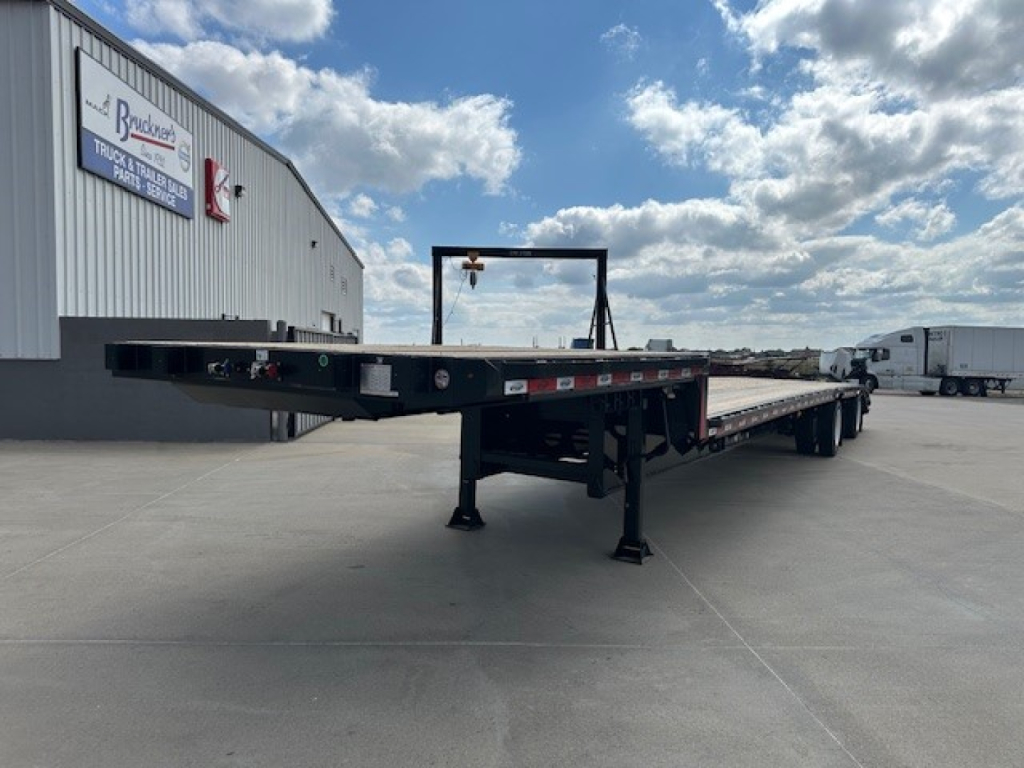
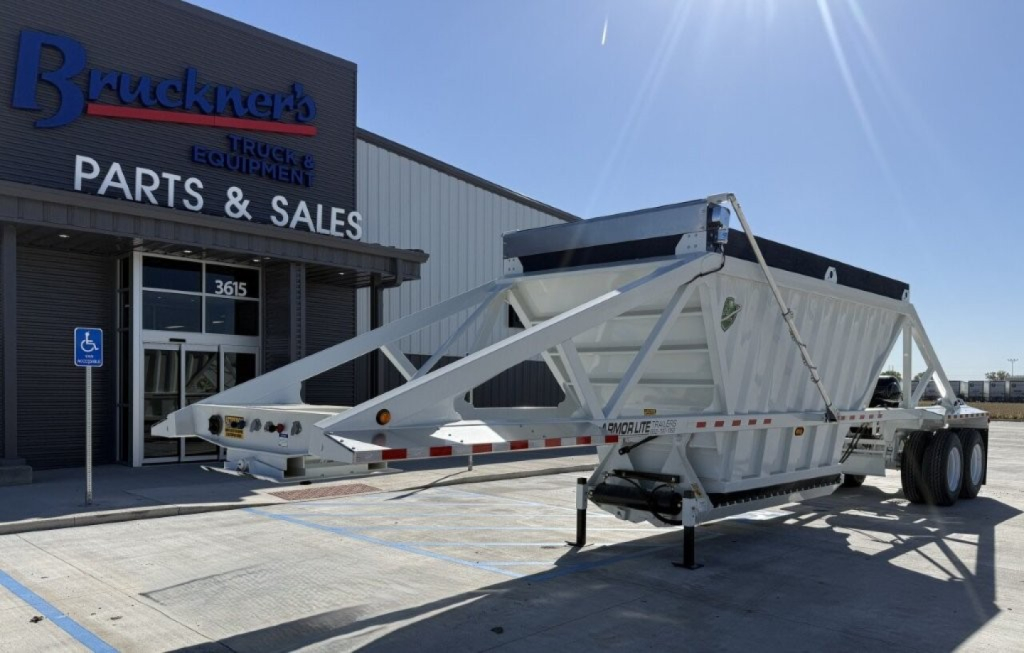
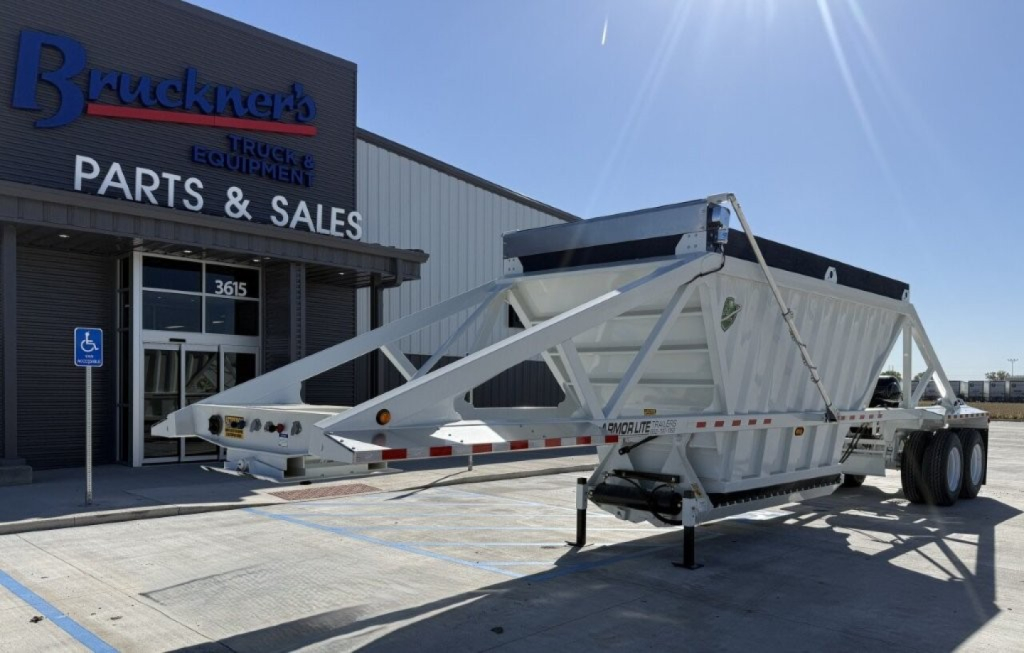
Showing 169 to 196 of 512 results
Have new 2027 trailer to sell? List it here to reach thousands of buyers.
New 2027 Trailers
For refrigerated trailers, also known as reefer trailers, common specs include a 53-foot length, air ride suspension, sliding tandem, and 22.5-inch rubber. Buyers should look closely at roof and wall construction, floor type, insulation package, unit prep, and wheel specification because those details affect tare weight, durability, and temperature control performance. Aluminum roof construction and aluminum wheels are common on linehaul reefers where weight savings and corrosion resistance matter. Reefer buyers should also consider door configuration, logistics-track or scuff liner options, fuel tank capacity for the refrigeration unit, and service network support if the trailer will run long regional or over-the-road lanes.
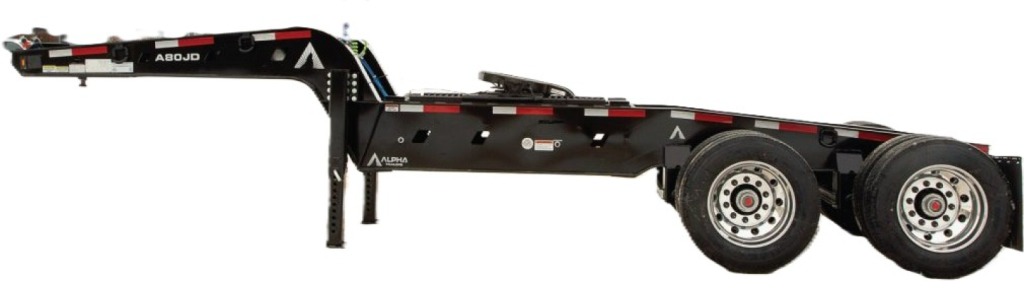
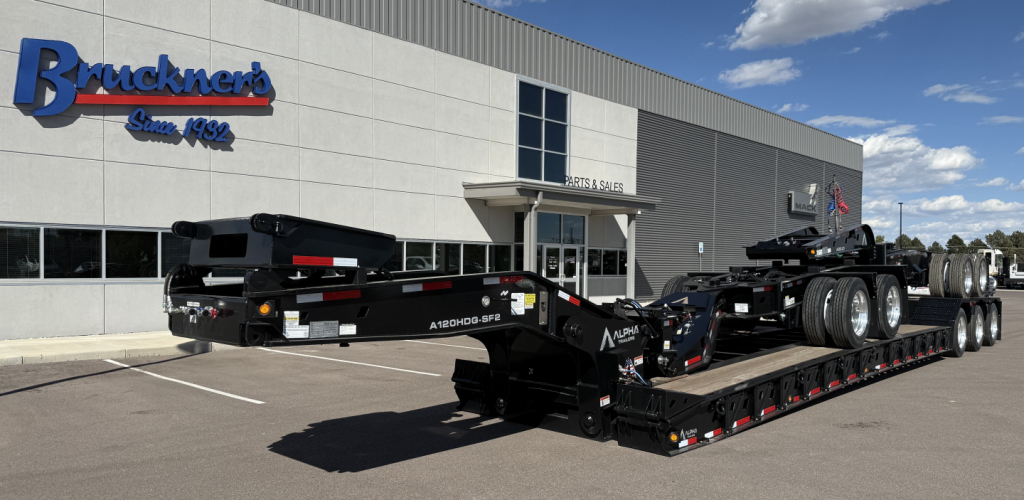
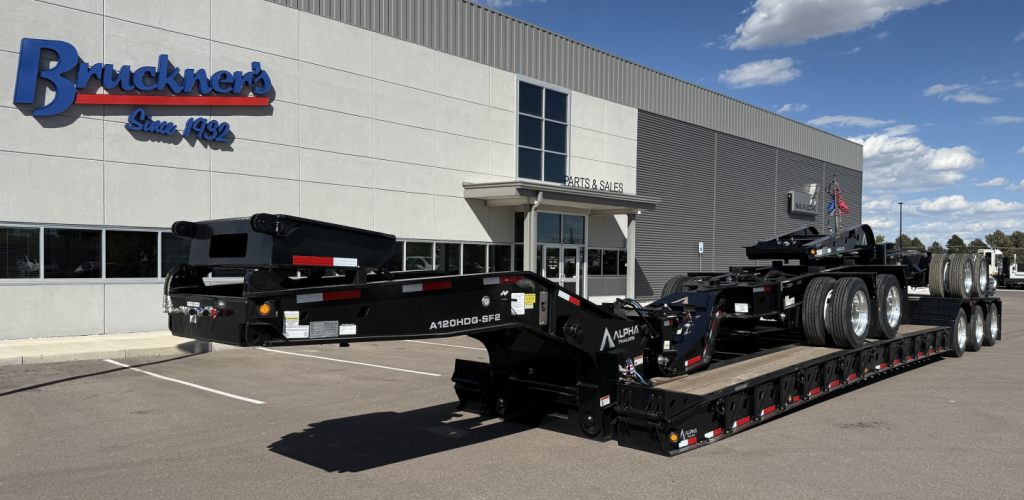
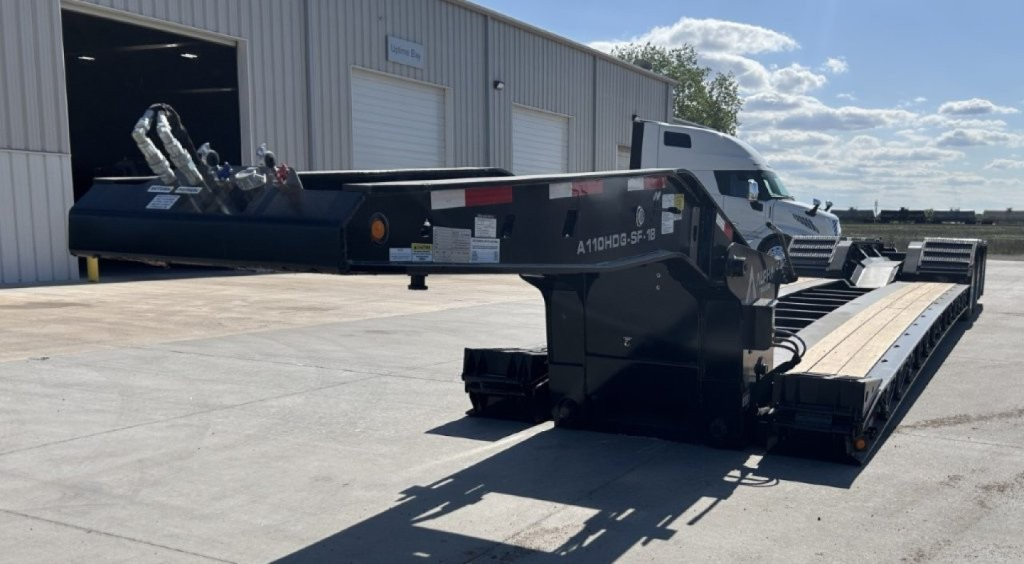
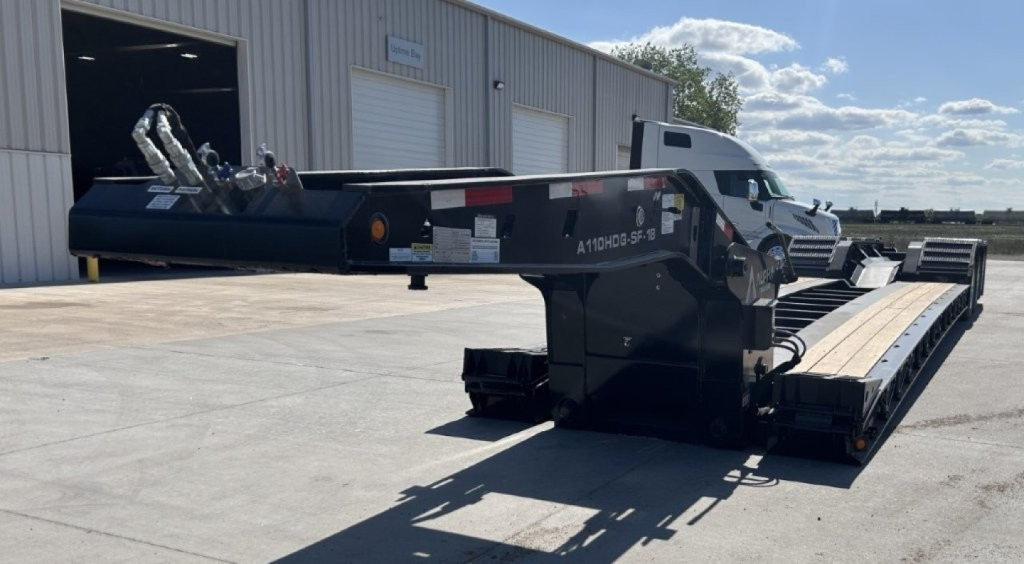
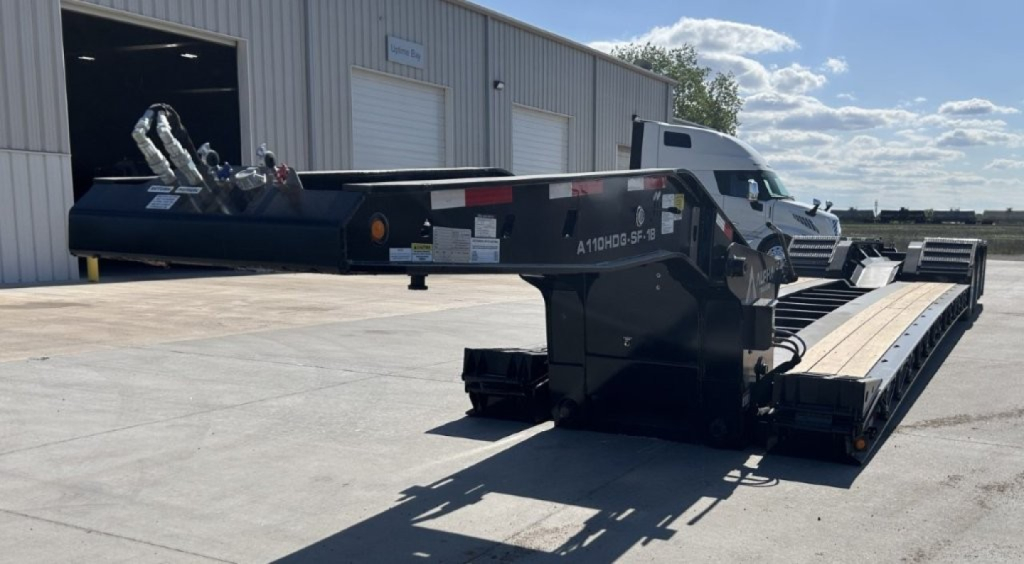
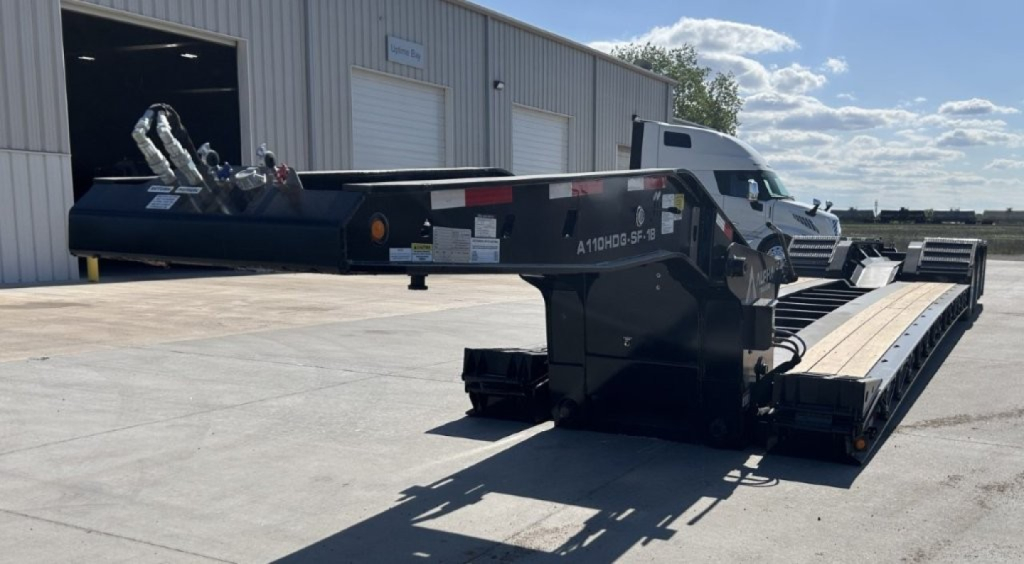
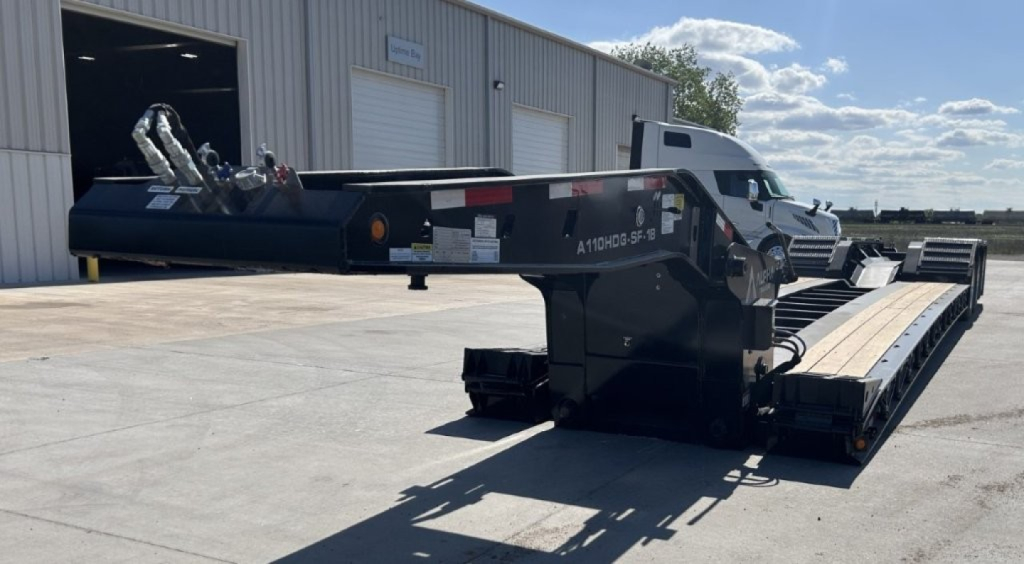
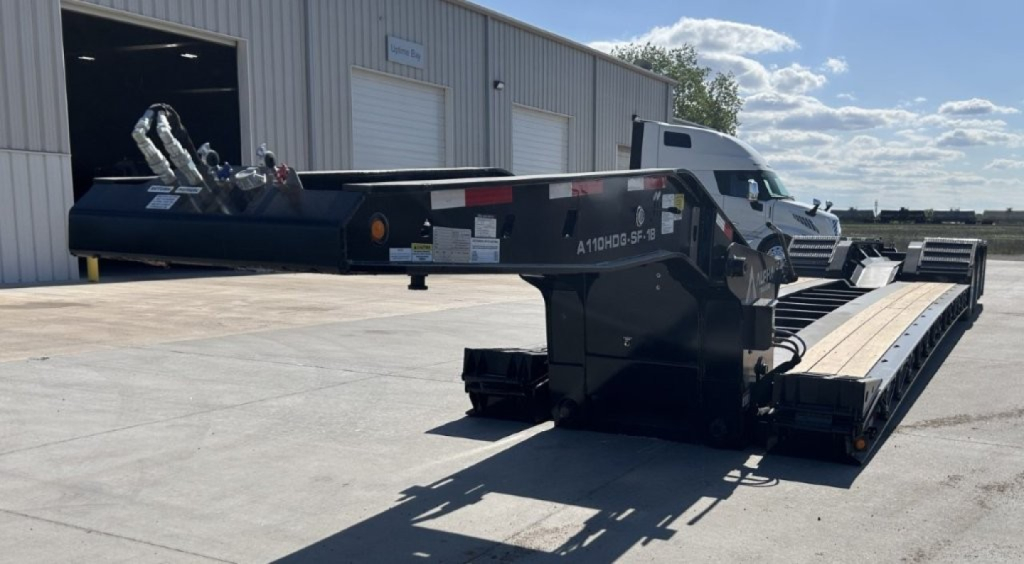
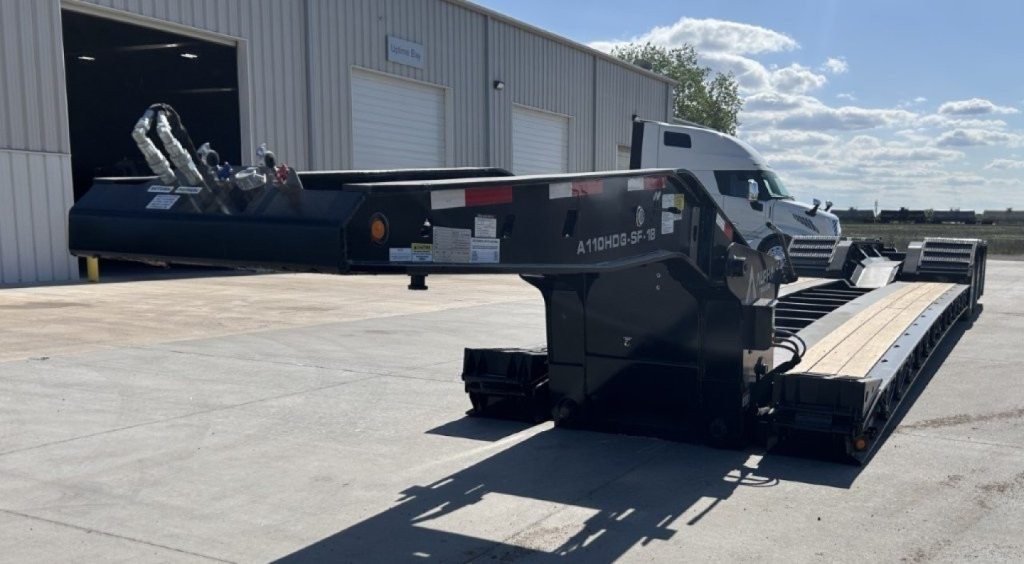
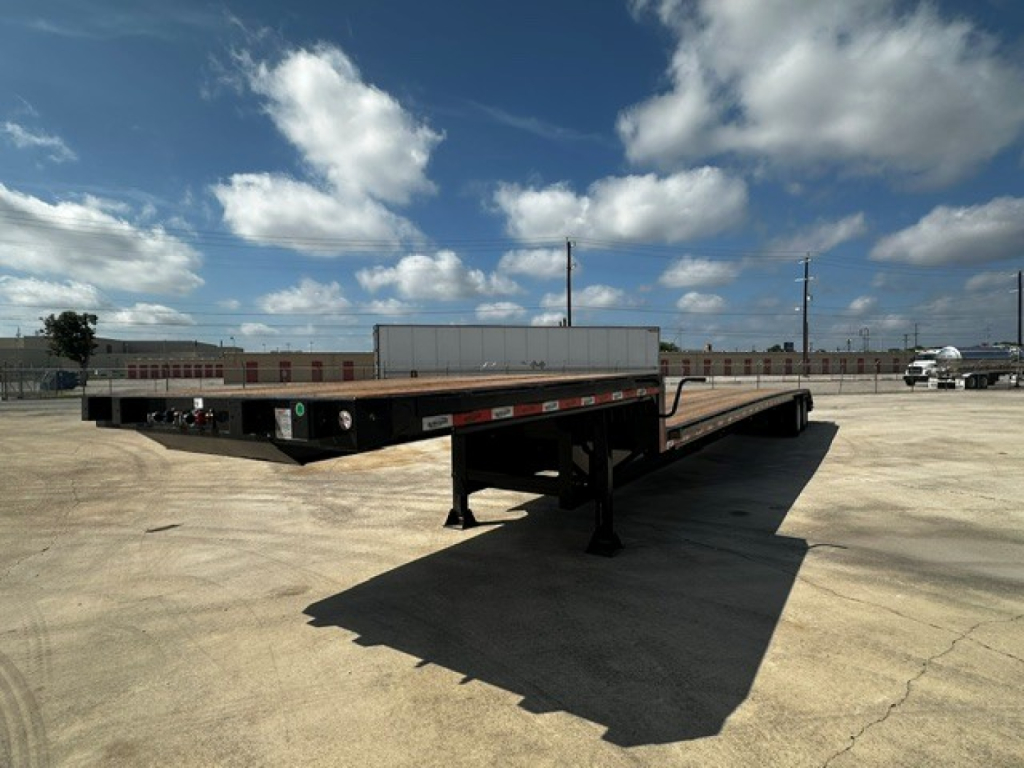
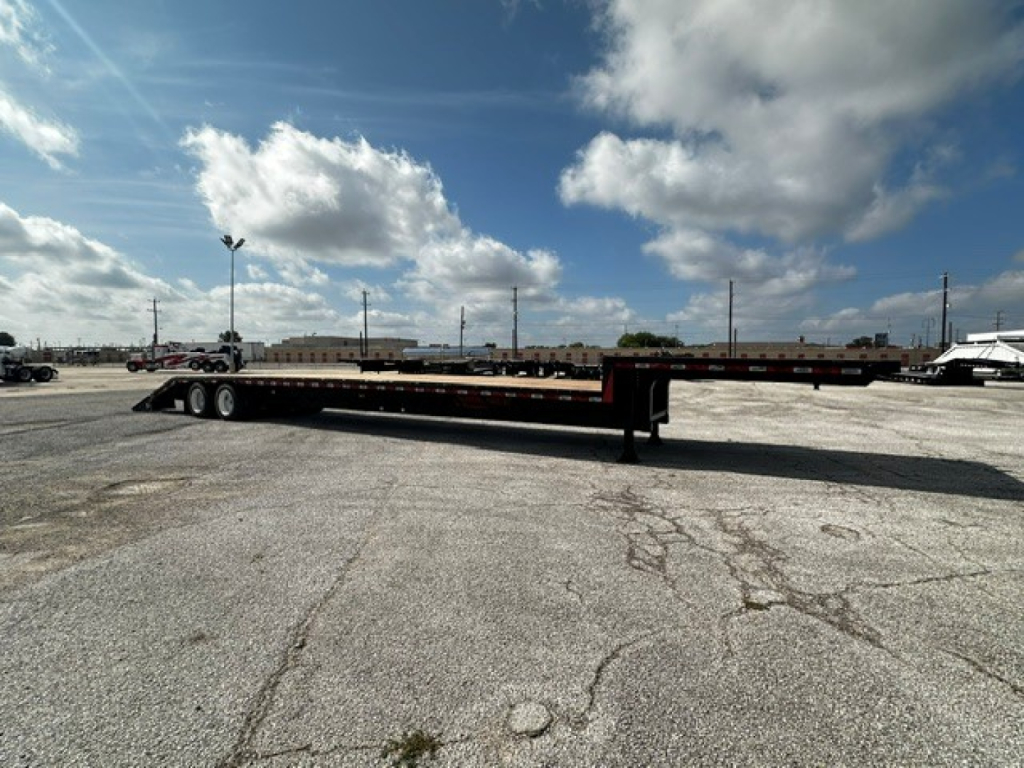
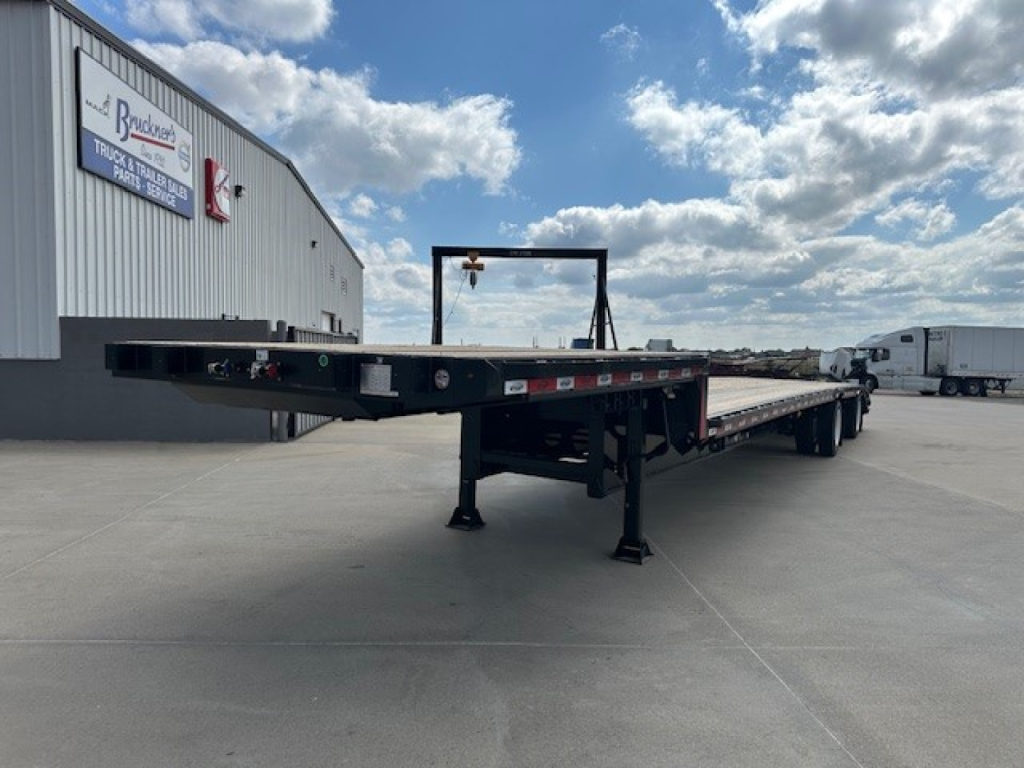
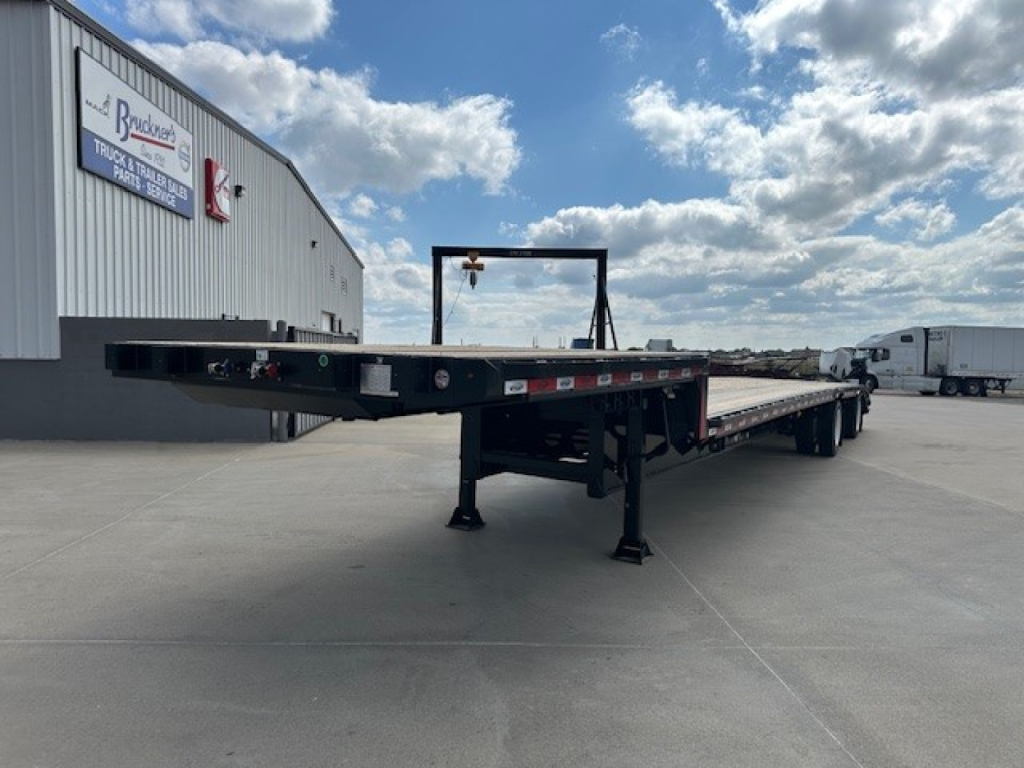
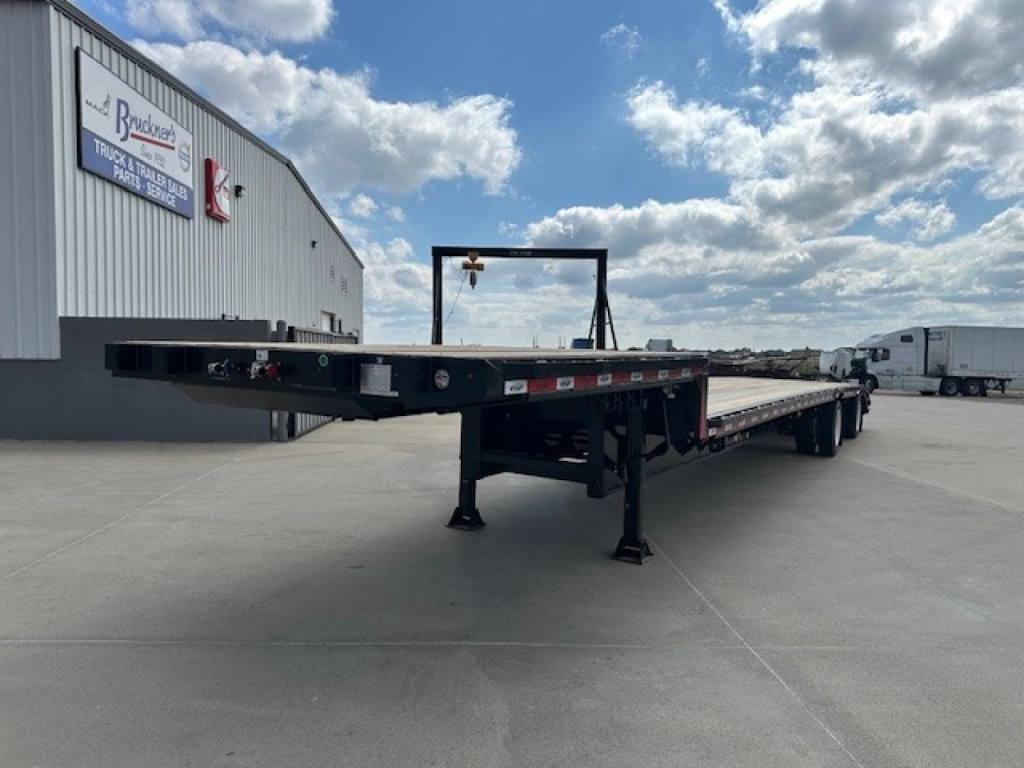
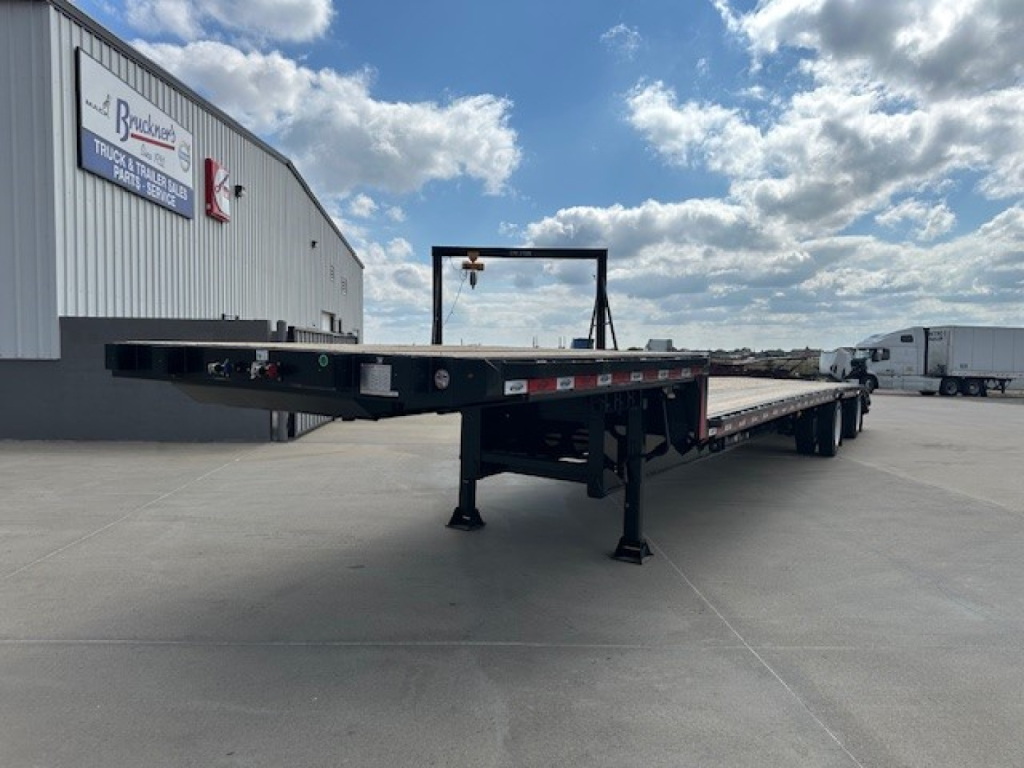
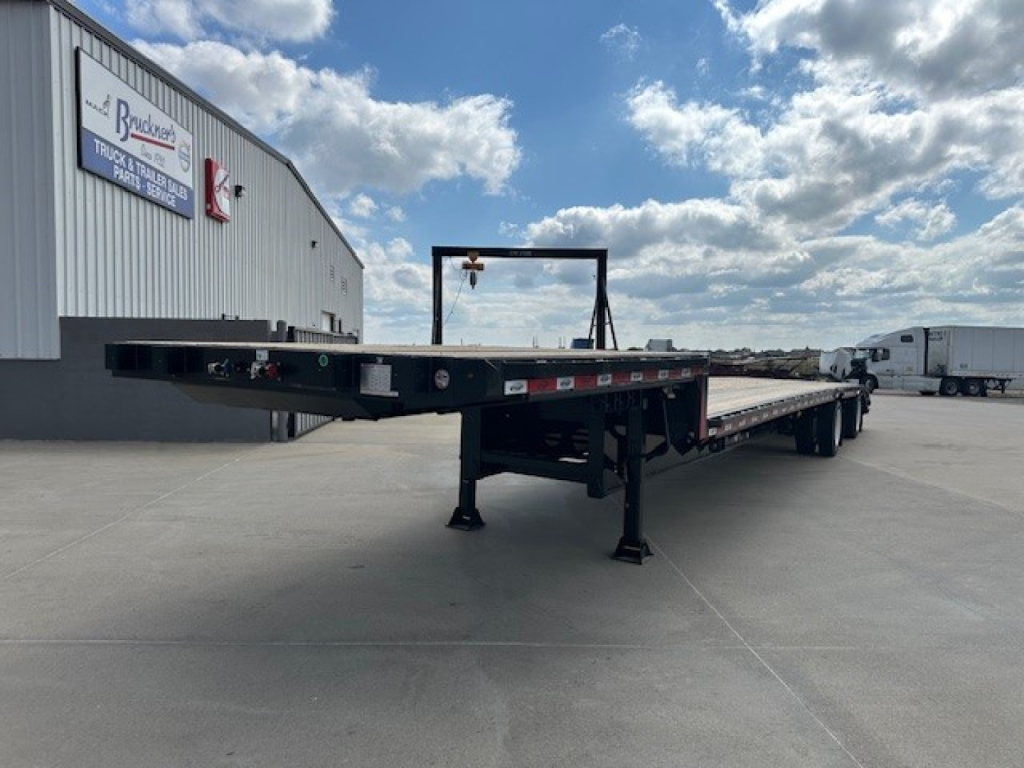
In the specialized segment, new 2027 trailers may include detachable gooseneck lowboys, double drop decks, extendable lowbeds, and heavy equipment trailers built for construction, energy, and machinery transport. These trailers are often spec'd around deck length, loaded deck height, axle spacing, hydraulic or mechanical detachable neck design, and the ability to add a flip axle, booster, or spreader attachment. Features such as 24-inch outriggers, wood-filled ramps, Apitong flooring, air ride suspension, manual dump valves, and raise-and-lower controls directly affect loading flexibility and legal configuration. If the freight includes tall or concentrated loads, buyers should pay attention to well depth, rear deck length, concentrated load rating, and the trailer's compatibility with state bridge rules.
Container and intermodal equipment is another important part of the new trailer market, especially for domestic freight networks. Domestic dry containers and container chassis are selected around length, floor rating, corner casting integrity, steel structure, and compatibility with the intended lane and terminal environment. For buyers comparing all trailer categories on one page, the smartest approach is to start with the cargo first, then narrow by legal payload, loading style, maintenance expectations, and resale appeal. A well-spec'd new 2027 trailer should fit the work with minimal compromise, because the right suspension, axle layout, deck design, and material package will influence uptime, tire wear, permit flexibility, and total cost over the life of the trailer.
Frequently Asked Questions about New 2027 Trailers
What should I look for first when buying a new 2027 trailer?
Start with the freight and loading method. Cargo dimensions, weight concentration, temperature requirements, and how the trailer will be loaded will determine whether you need a reefer, dry container, lowboy, double drop, or another specialty configuration. After that, compare practical specs such as trailer length, axle setup, suspension, deck height, floor construction, and kingpin setting. Those factors have a direct effect on legal payload, maneuverability, maintenance cost, and tractor compatibility.
Are new 2027 reefer trailers usually built with sliding tandems and air ride suspension?
Yes, many linehaul reefer trailers are commonly spec'd with a sliding tandem and air ride suspension because that combination gives fleets better flexibility for weight distribution, dock approach, and ride protection for temperature-sensitive cargo. Buyers should still verify exact axle spacing, tire size, wheel material, and trailer length because reefer specs vary by operation. Additional details such as roof material, floor design, and insulation package also matter when comparing units in this category.
What matters most on a new lowboy or double drop trailer?
Loaded deck height, deck length, axle spacing, neck design, and legal configuration options are usually the most important factors. A heavy-haul trailer that looks similar on paper can perform very differently depending on outriggers, ramp style, swing clearance, suspension controls, and whether it is built to accept a flip axle or booster. Buyers moving construction equipment, transformers, or other concentrated loads should also review frame design, floor material, and the relationship between axle group ratings and the permit environment where the trailer will run.
How do domestic containers differ from standard van-style trailers?
A domestic container is built as a box that can be lifted and transferred within an intermodal system, while a van-style trailer is a road trailer designed primarily for over-the-road towing and dock operations. Domestic containers are often selected based on structural strength, floor rating, corner fittings, and stacking or handling capability. Van trailers and reefers are more often evaluated around suspension, tandem position, rear frame design, and cargo access features.
Does buying a newer model year trailer improve resale and uptime?
A newer model year can help with resale appeal, financing, and maintenance planning, but the spec is still the bigger factor. A trailer with the right axle group, suspension, floor package, and application-specific options will usually hold value better than a newer trailer built with the wrong configuration for the work. Uptime also depends on component quality, parts availability, and how closely the trailer matches the job it is expected to do.