
New 2027 Load King Trailers For Sale
Shop new 2027 Load King trailers, including lowboy and heavy haul configurations with hydraulic detach necks, air ride, and high payload ratings.
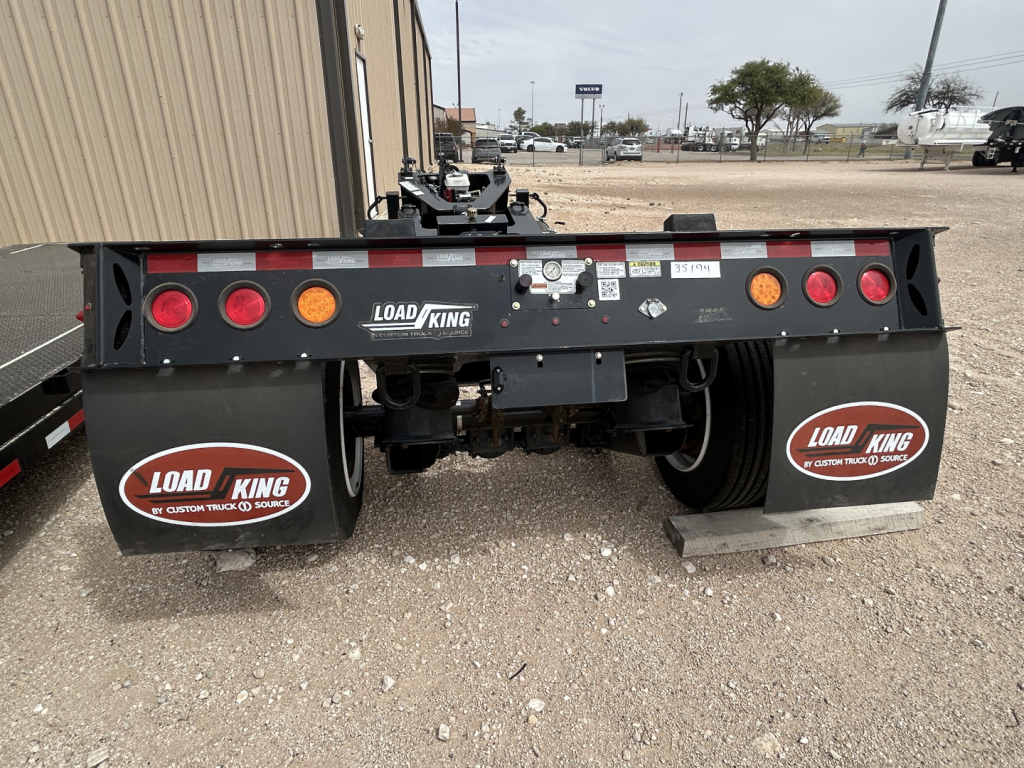
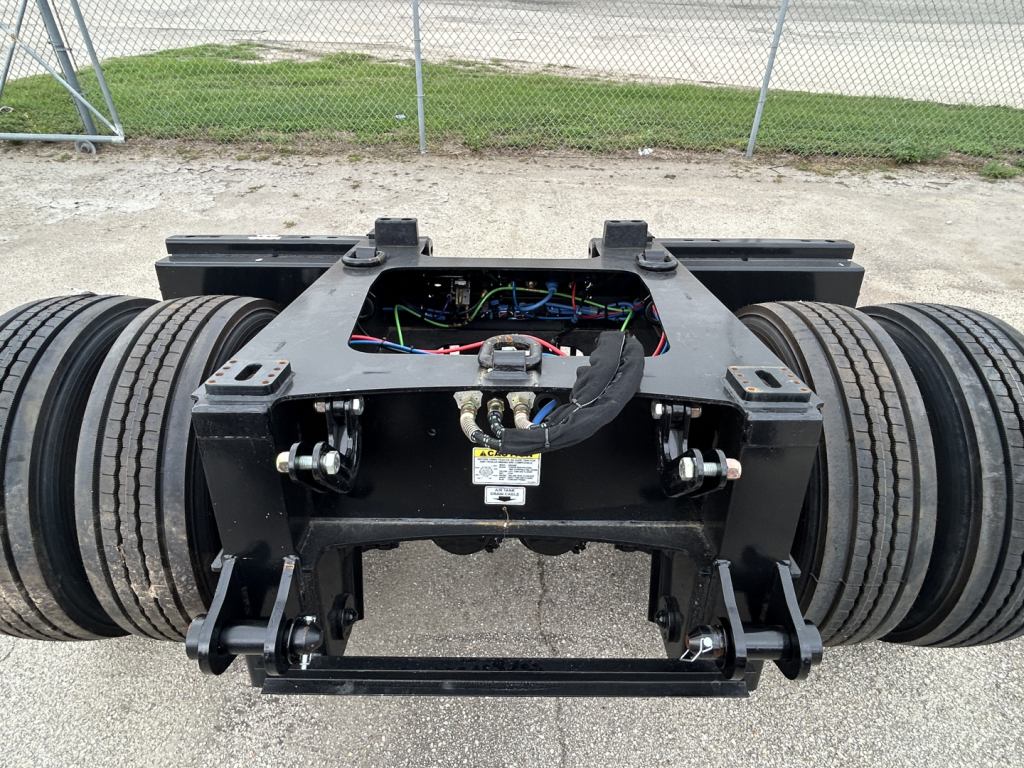
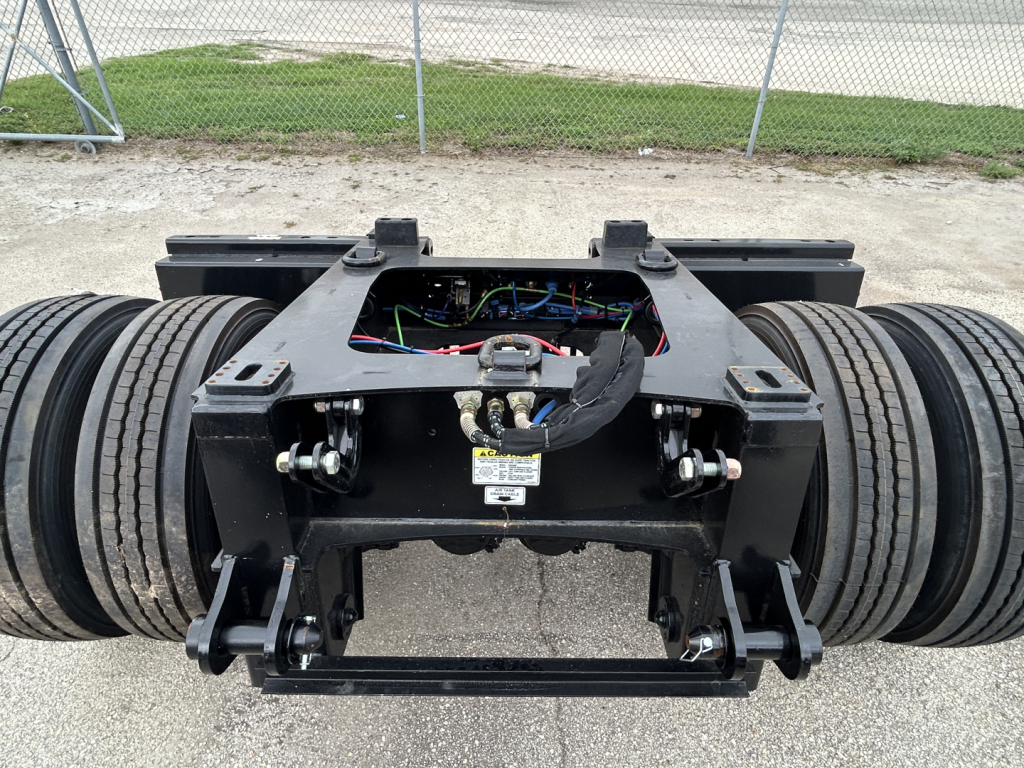
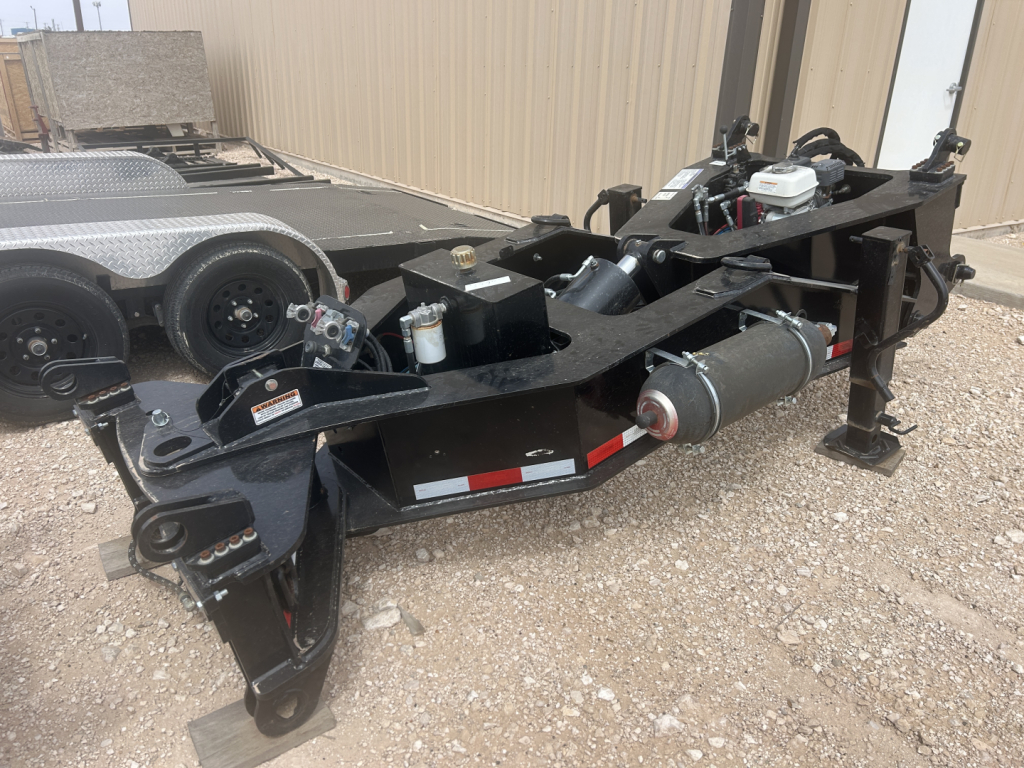
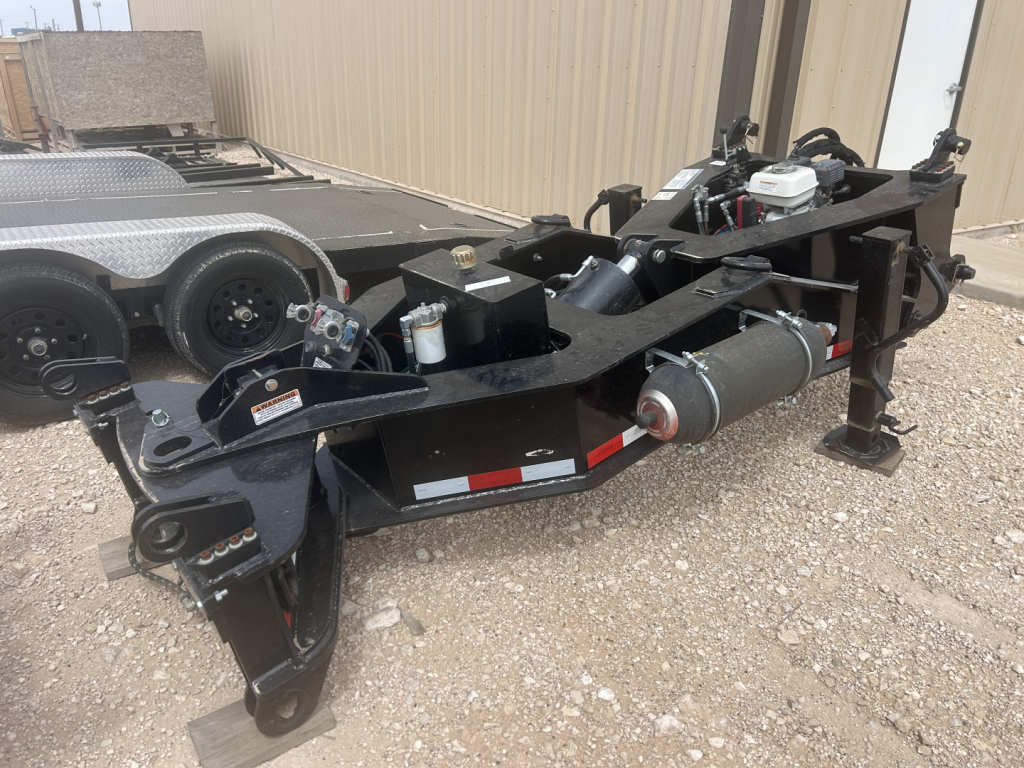
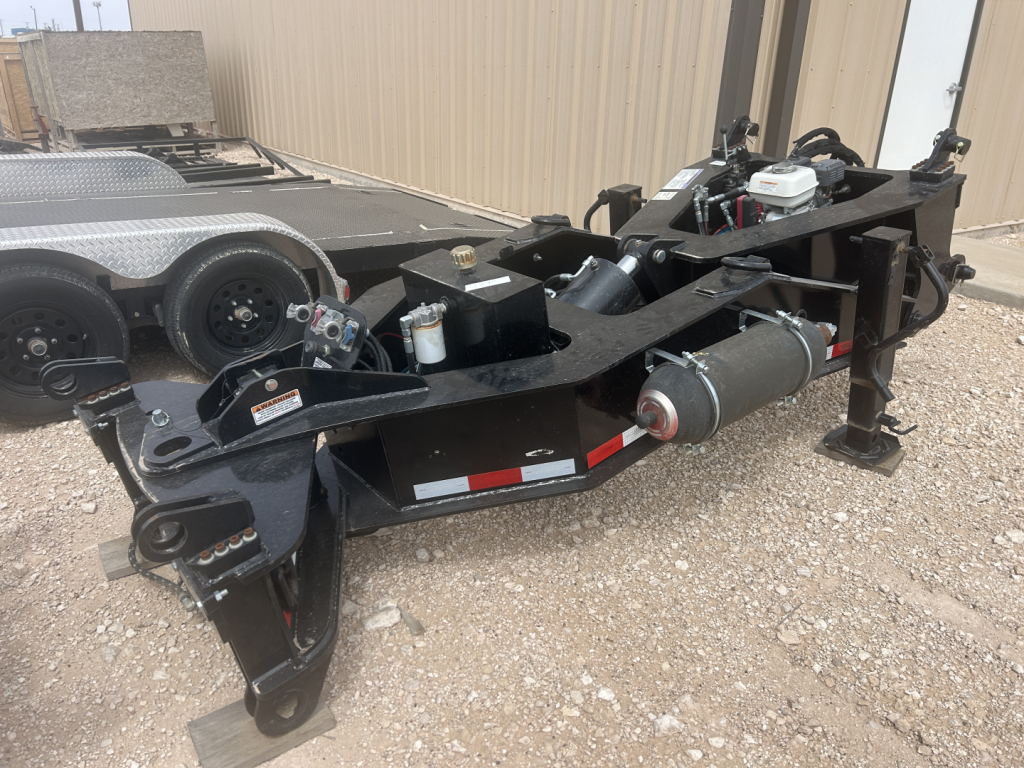
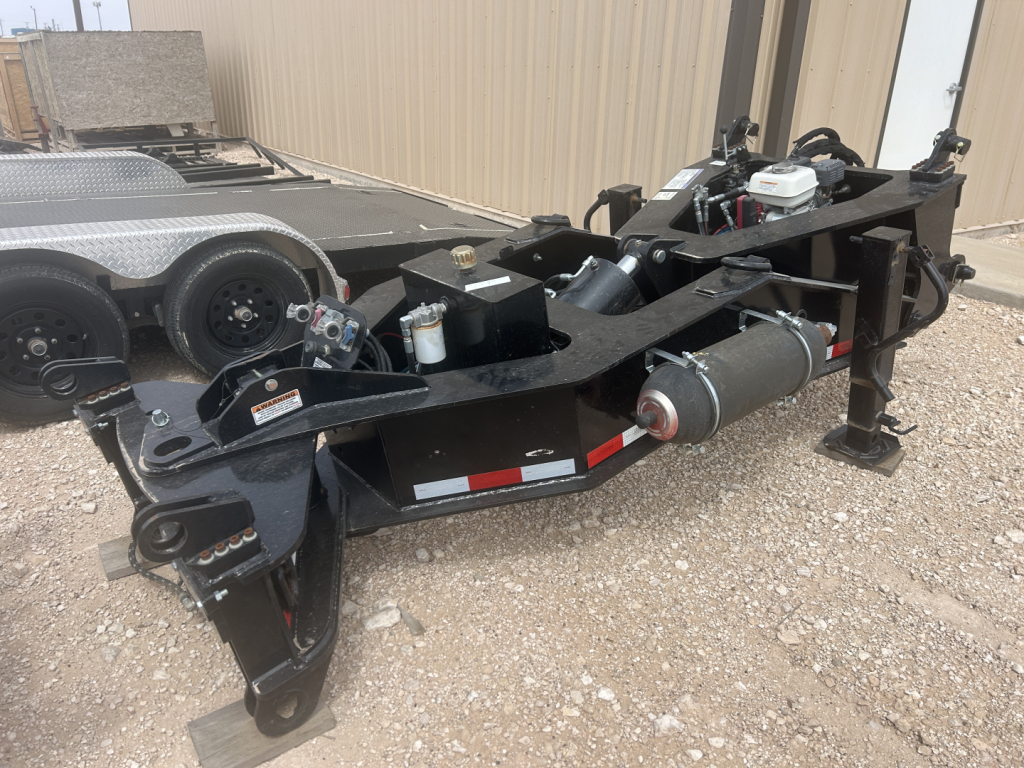
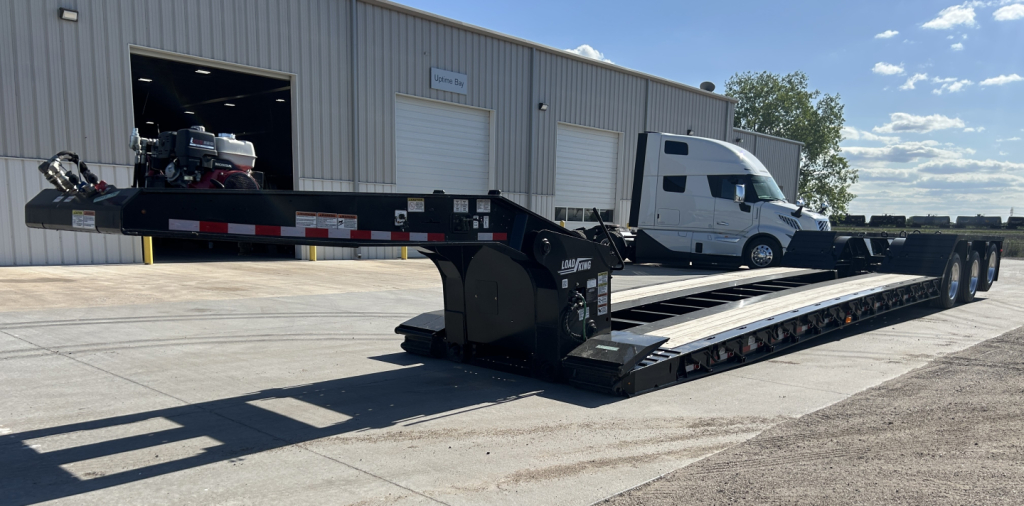
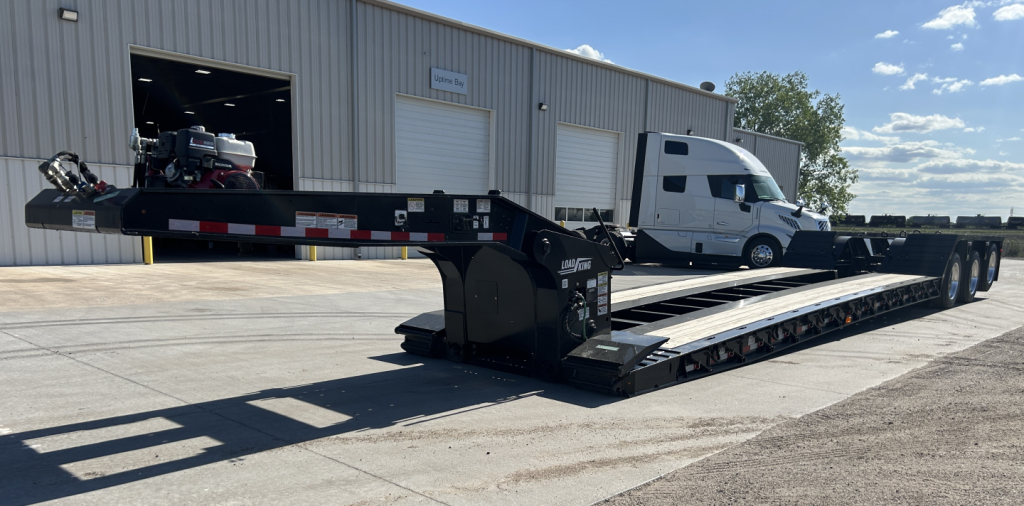
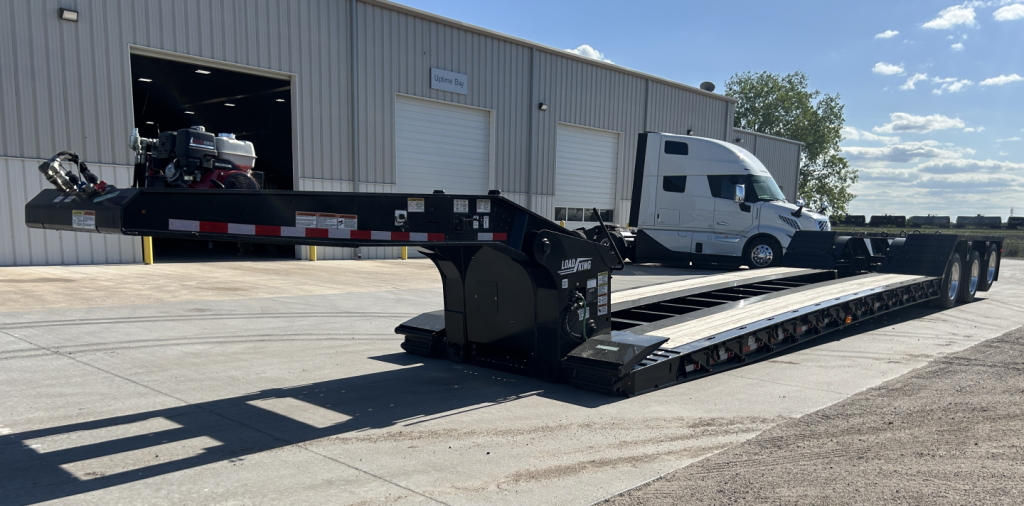
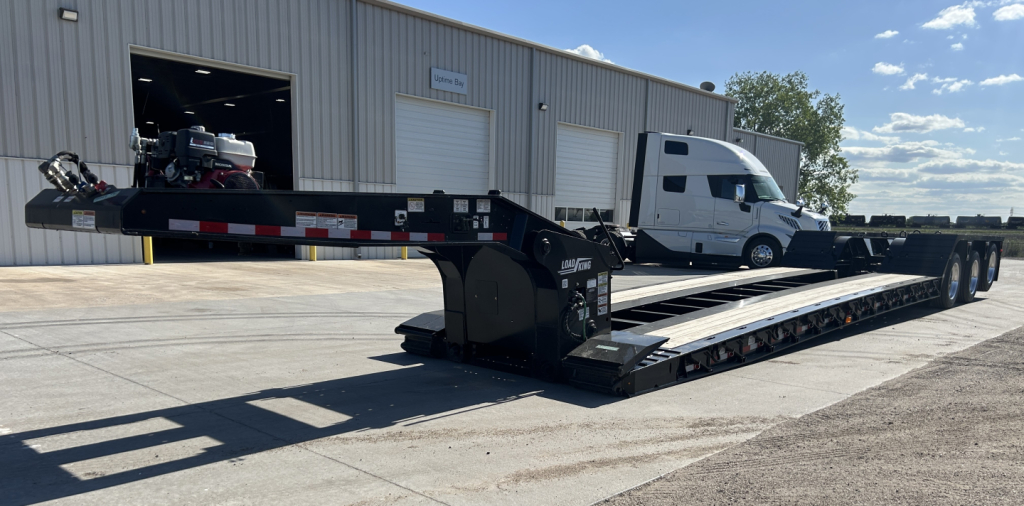
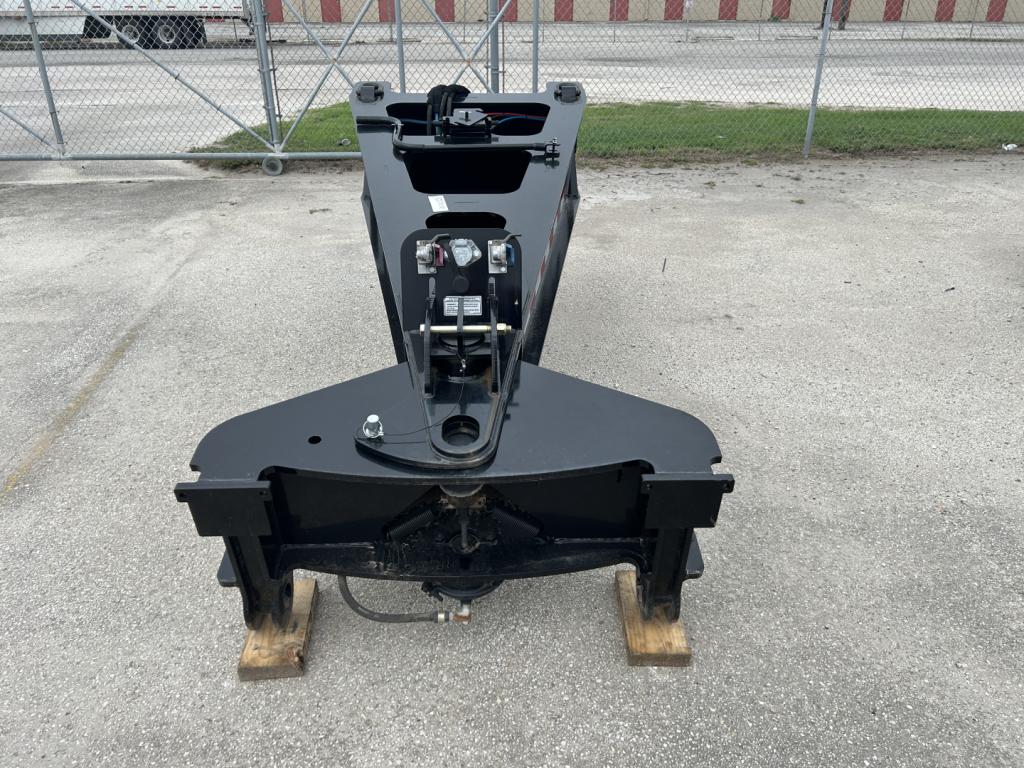
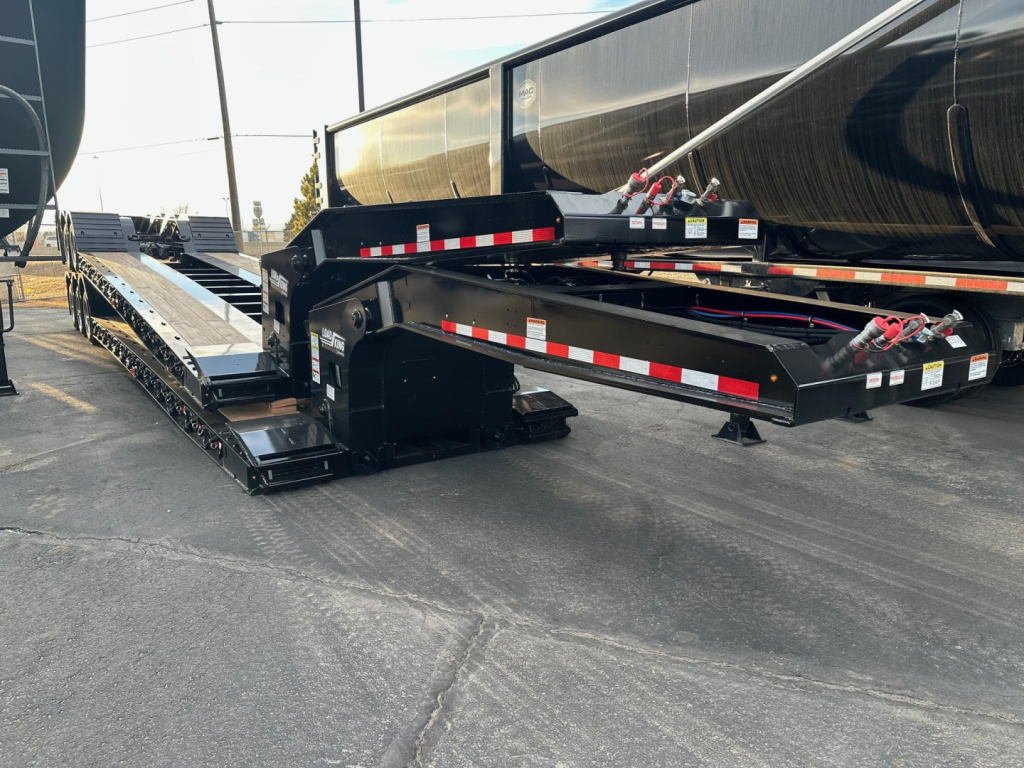
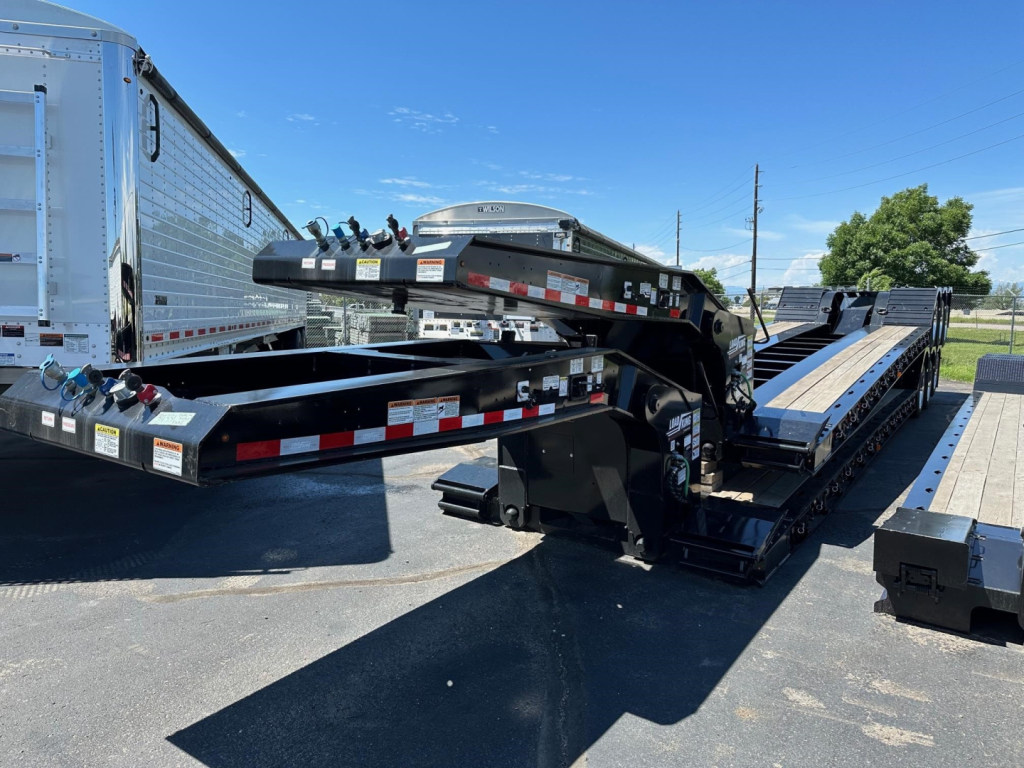

Showing 1 to 28 of 31 results
Selling a new 2027 load king trailer? List your new 2027 load king trailer for sale and reach thousands of commercial buyers.
New 2027 Load King Trailers
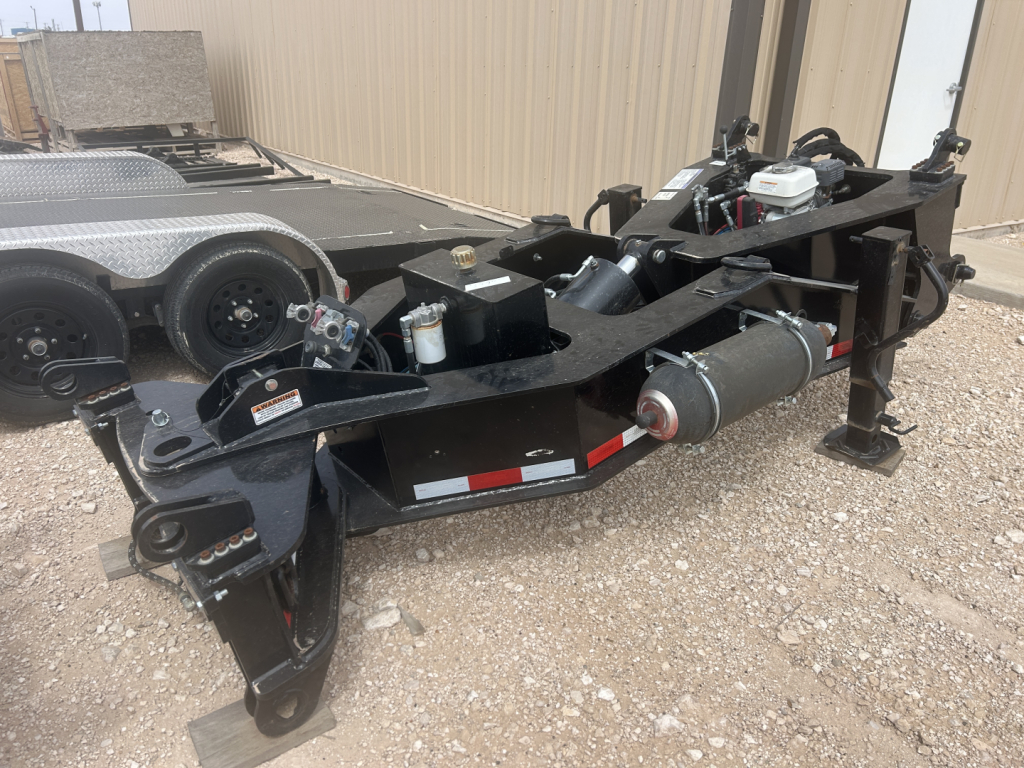
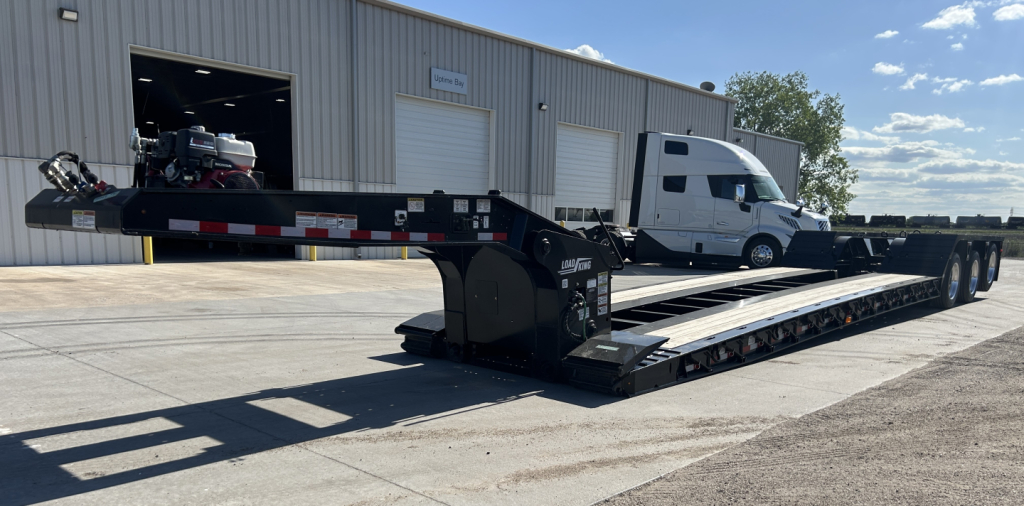
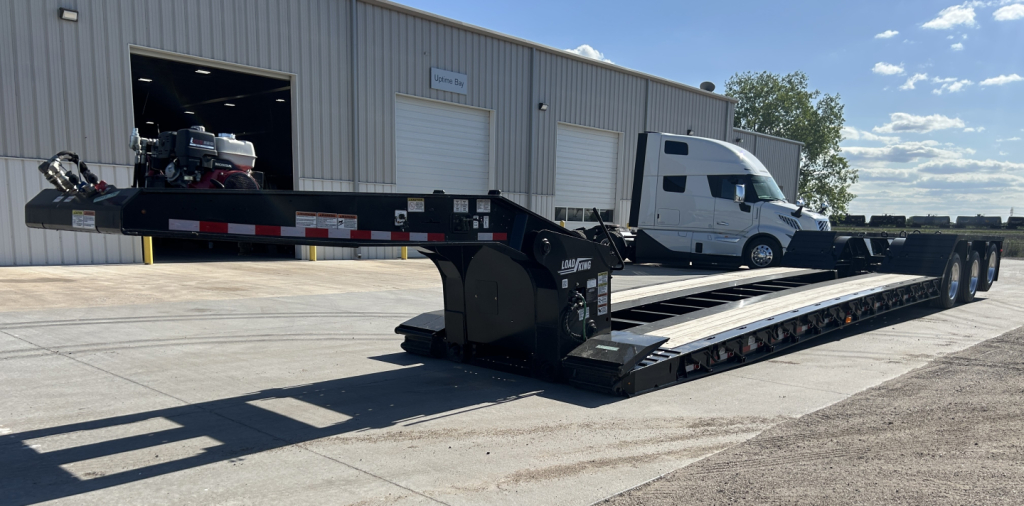
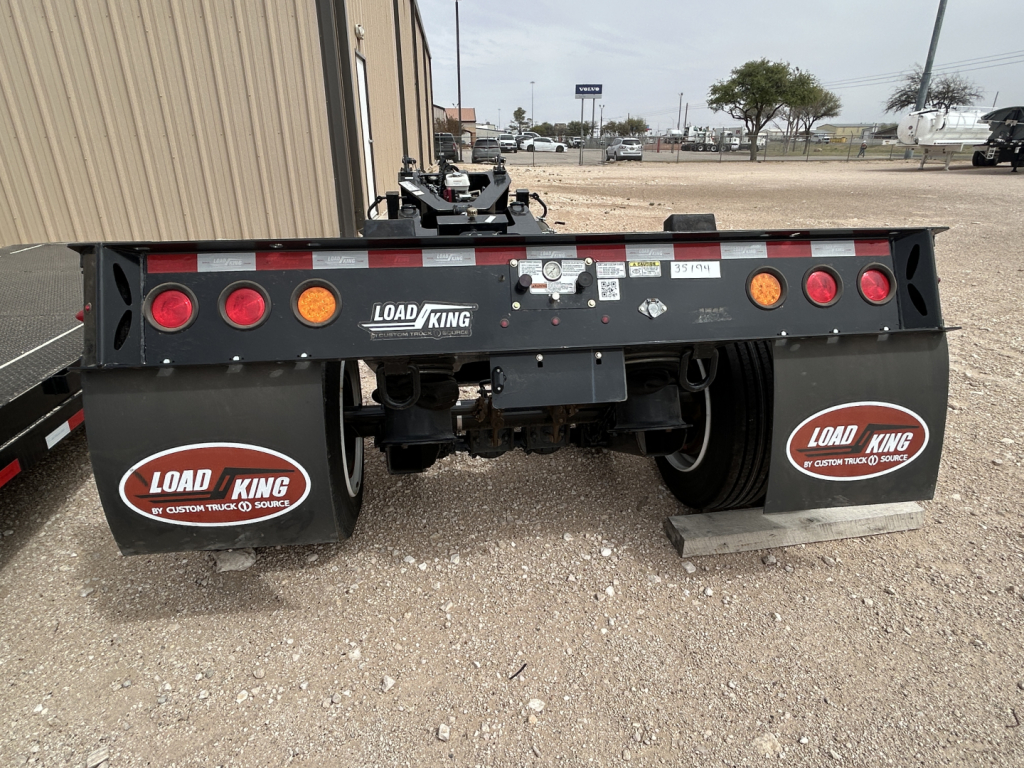
A common spec set in this category includes 53-foot overall length, 102-inch to 9-foot wide configurations, 26-foot main decks, and loaded deck heights around 18 inches. Many Load King heavy haul trailers use tri-axle layouts with 27,000 to 27,500-pound axles, air ride suspension, and a lift axle to help manage tire wear and empty trailer maneuverability. Features like adjustable ride height, front flip ramps, chain slots, swingout outriggers, bent D-rings, Apitong decking, and load-bearing fenders matter because they change how easily the trailer handles mixed freight and tracked equipment. If future permitting flexibility is important, it is worth paying attention to units prepped for a stinger or fitted with connections for a flip axle, jeep, or fourth axle.
Load King is also well known in the specialized trailer market for related heavy haul components such as flip axles, converter dollies, and jeeps that expand bridge compliance and payload options. For buyers running multi-state permits, axle spacing, kingpin settings, and the availability of bolt-on or add-on axle equipment can be just as important as raw deck capacity. A trailer with dual kingpin settings, proper neck swing clearance, and compatible auxiliary axle options can be easier to permit across changing state formulas than a simpler setup with similar tonnage on paper.
When comparing new Load King trailers for sale, focus less on brand-new paint and more on the exact working configuration. Tire size, brake type, suspension brand, pony motor position, toolbox placement, ramp style, and deck construction all affect day-to-day usability. A lowboy spec that works well for paving equipment may not be the best fit for taller iron, and a 9-foot-wide deck can change loading convenience versus permitting exposure. The best choice usually comes down to the machines you haul most often, the states you permit through, and whether you need a flexible heavy haul platform that can grow with flip axle or stinger capability later.
Frequently Asked Questions about New 2027 Load King Trailers
What are the most important specs to compare on a new Load King lowboy trailer?
The most important specs are capacity in a defined load concentration, loaded deck height, main deck length, neck style, axle configuration, and overall width. On heavy haul lowboys, a 55-ton rating means more when it is tied to a 12-foot load concentration because that tells you how the trailer is designed to carry dense equipment. Buyers should also compare hydraulic detachable neck design, ride height adjustment, axle spacing, and whether the trailer is prepped for a flip axle, fourth axle, or stinger for future permit flexibility.
What is the benefit of a hydraulic detachable gooseneck on a Load King trailer?
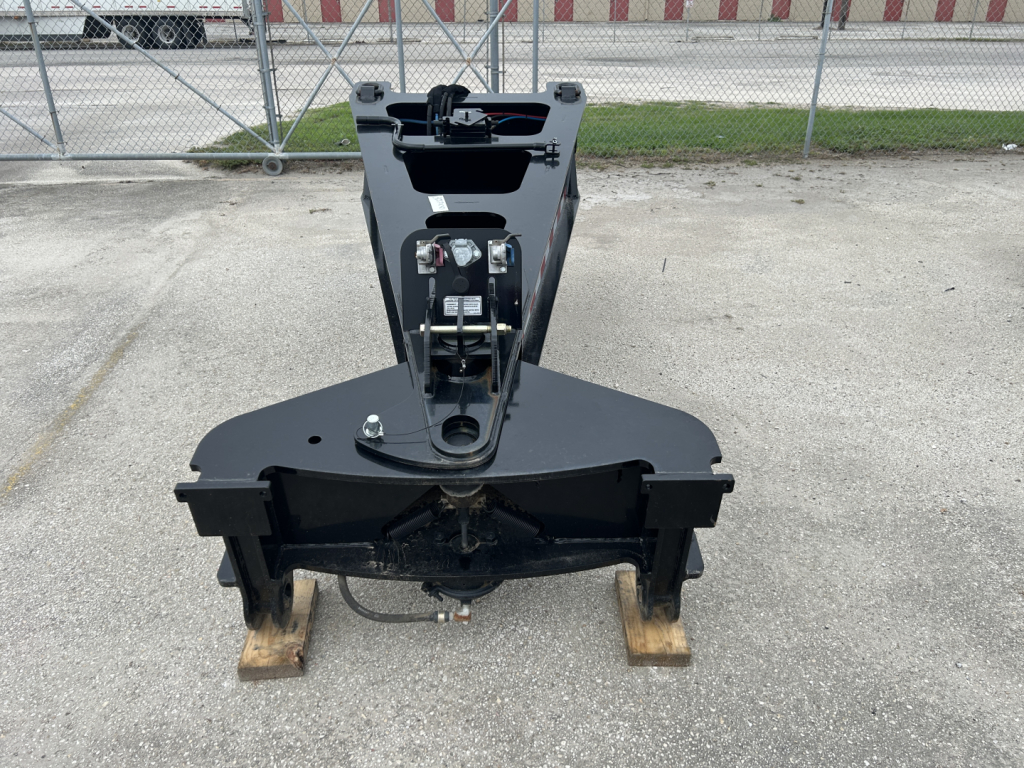
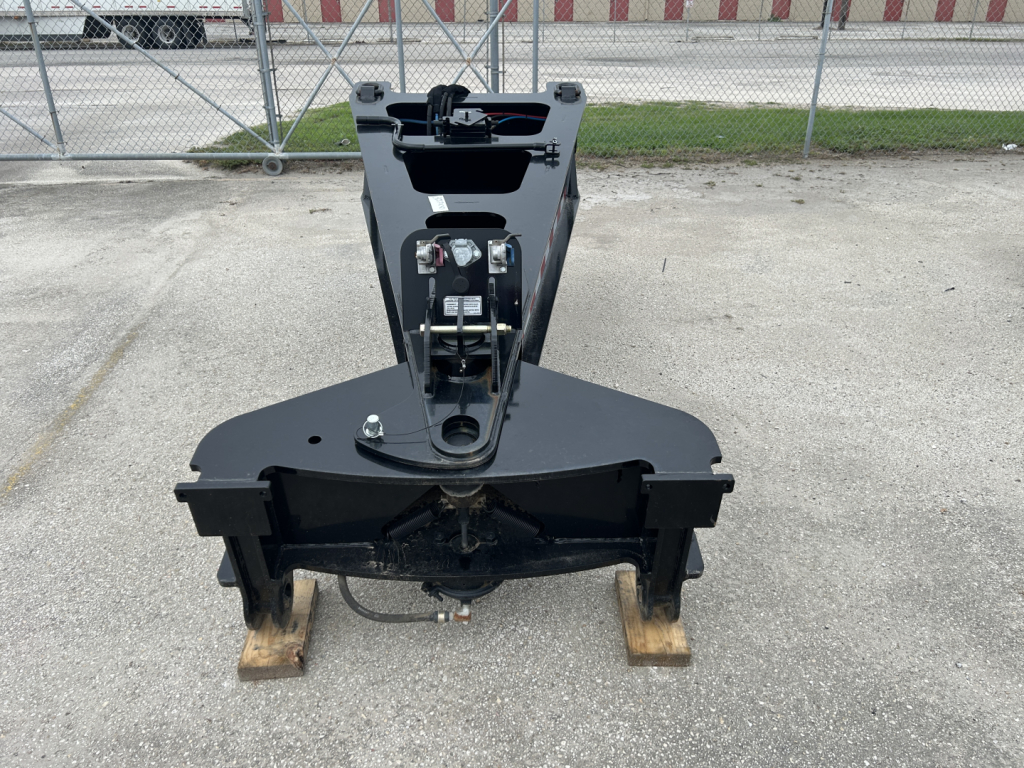
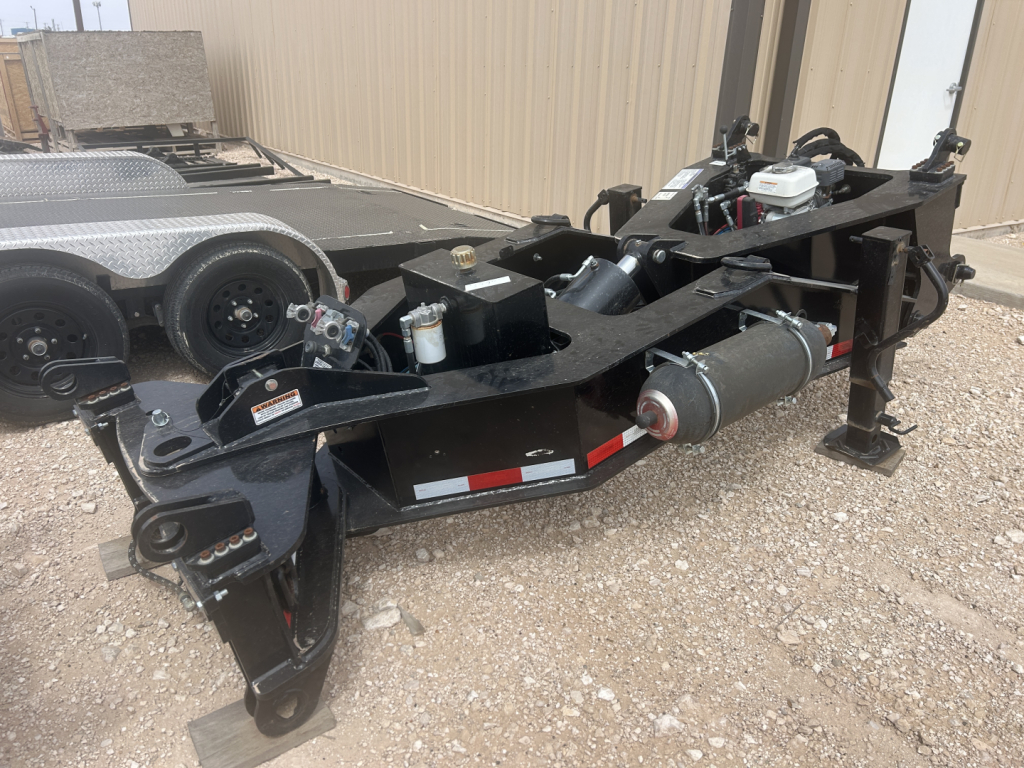
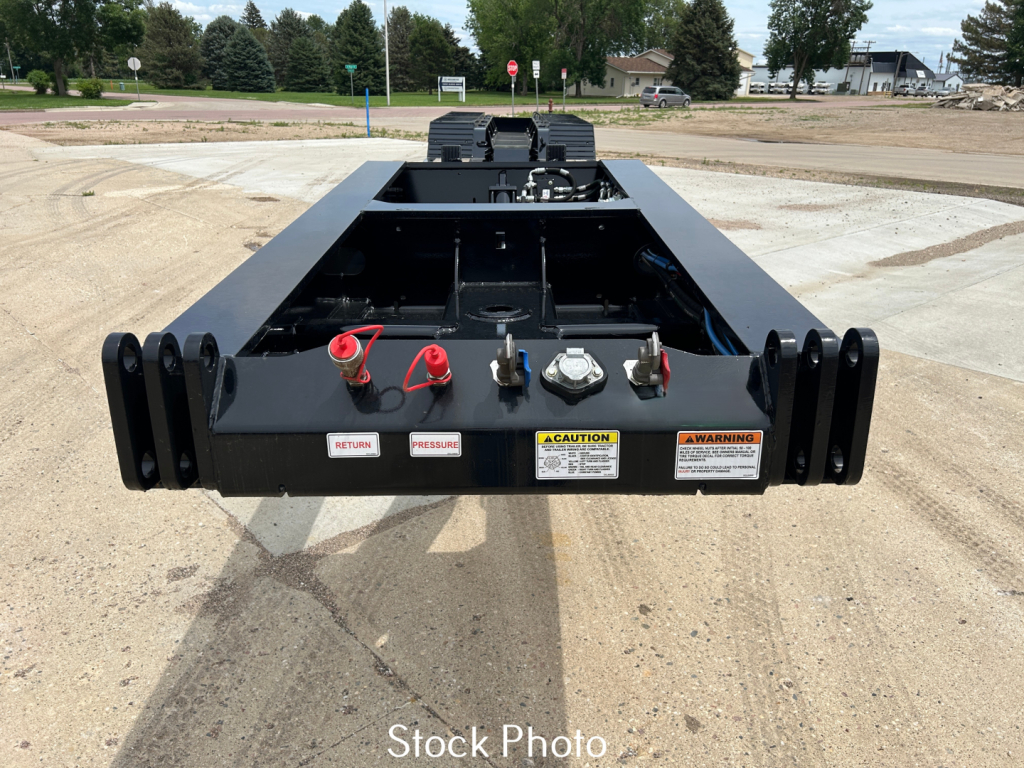
A hydraulic detachable gooseneck allows self-loading from the front, which is a major advantage for tracked machines, rollers, pavers, and other equipment that is easier or safer to load straight on. It can reduce loading time, improve approach angle, and limit the need for separate loading equipment. On higher-spec Load King lowboys, a high-relief or scraper neck can also improve ground clearance and machine clearance during loading.
Why do axle spacing and kingpin settings matter on heavy haul trailers?
Axle spacing and kingpin settings matter because they affect bridge law compliance, permit routing, and how weight is distributed between the tractor and trailer. A trailer with favorable axle spacing and multiple kingpin positions gives the operator more flexibility when matching different tractors or permit requirements. These details can make a real difference in how easily a trailer is permitted across state lines, especially when hauling concentrated construction equipment loads.
Are Load King flip axles and auxiliary axle options important for buyers?
Yes. Auxiliary axle options can significantly expand a trailer’s usefulness in the heavy haul market. A compatible flip axle, jeep, or future stinger setup can help spread weight, improve bridge compliance, and support heavier or more specialized loads. Even if the add-on axle equipment is not included initially, a trailer that is already designed with the proper air, electrical, and structural provisions can be a better long-term investment.
Is a 102-inch wide lowboy better than a 9-foot wide lowboy?
Neither is automatically better. A 102-inch wide trailer is simpler from a legal width standpoint and may reduce permit complications for some operations, while a 9-foot wide lowboy gives more deck space and can make loading wider equipment easier. The right choice depends on the dimensions of the machines being hauled, the routes involved, and how often the operation already works under oversize permits.