
New 2027 Load King Other Trailers For Sale
Compare new Load King specialty trailers, including stinger and booster-style designs, with key specs, applications, axle setups, and payload factors.
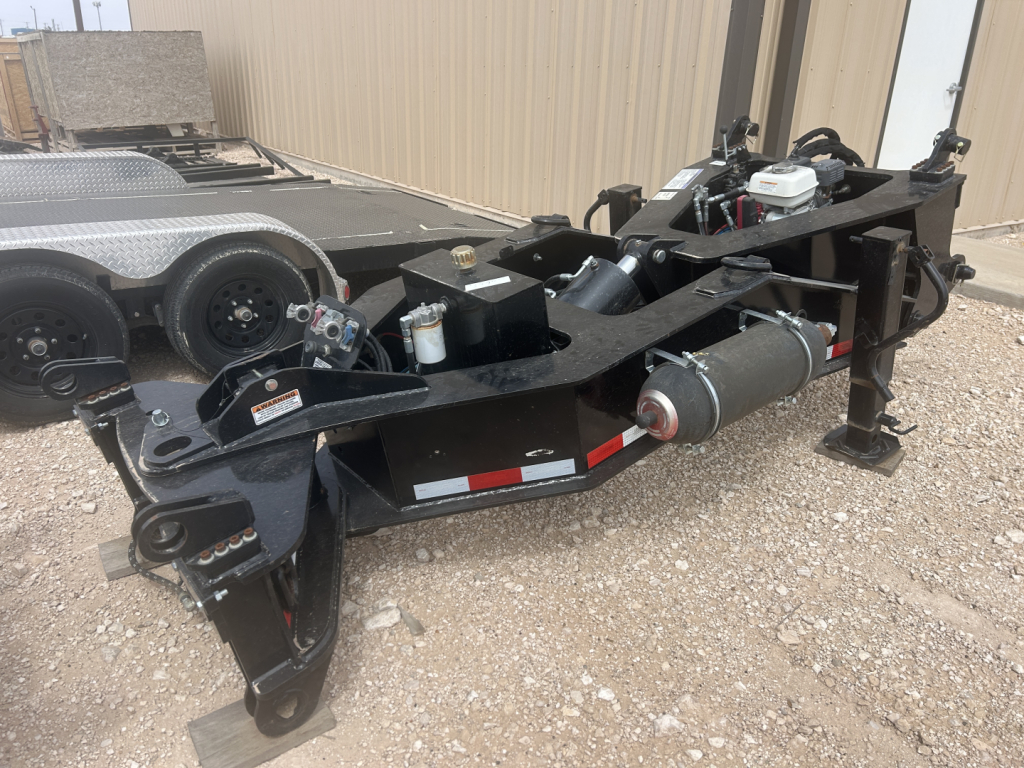
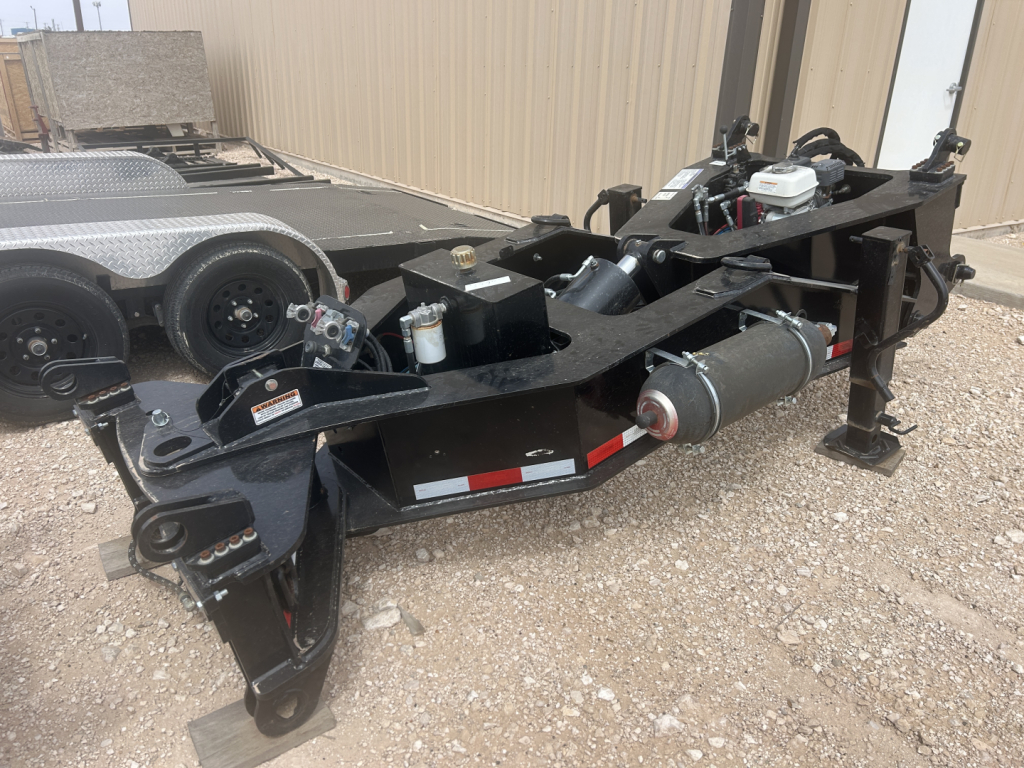
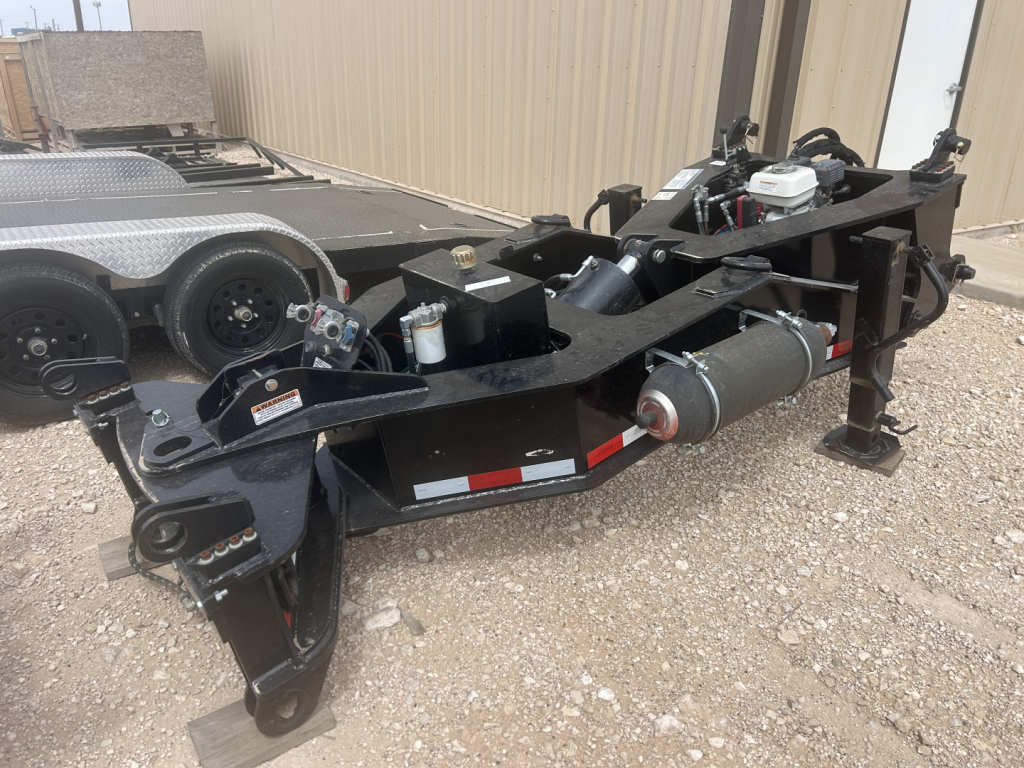
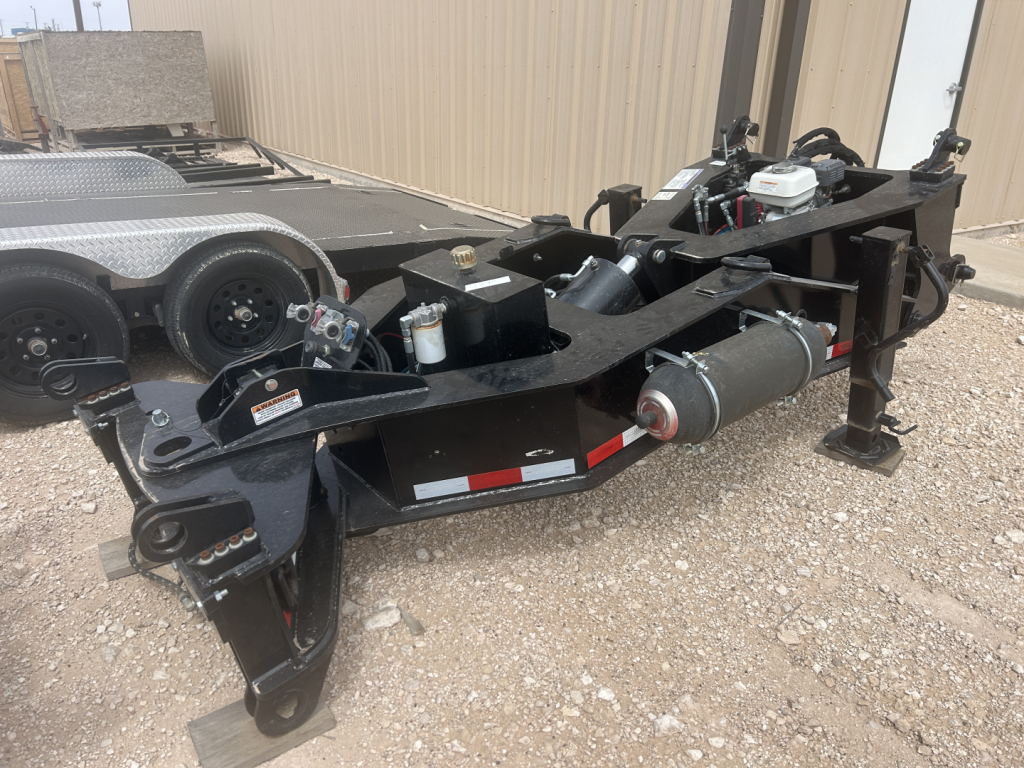
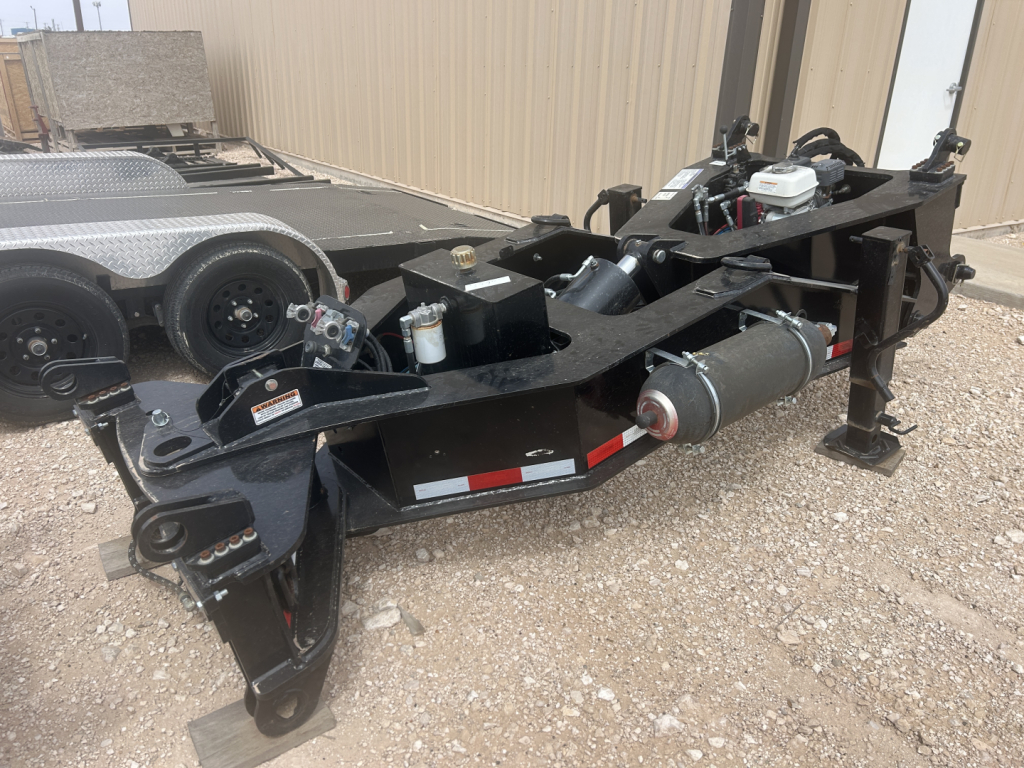
Selling a new 2027 load king other trailer? List your new 2027 load king other trailer for sale and reach thousands of commercial buyers.
New 2027 Load King Other Trailers
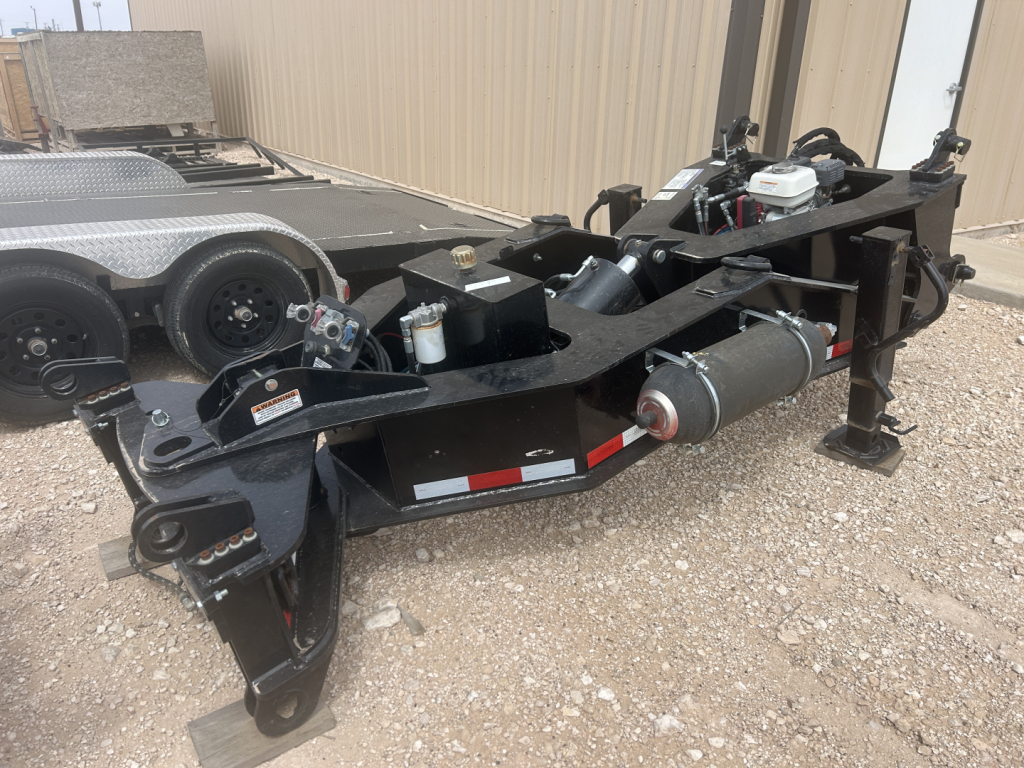
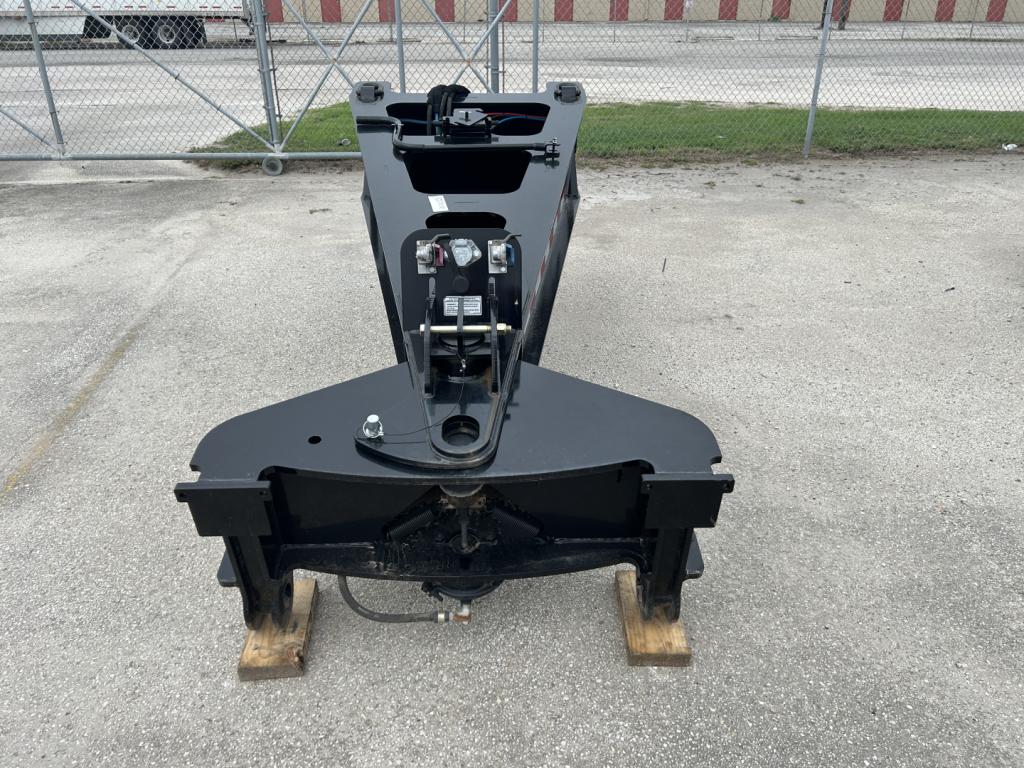
Load King is well known for heavy-duty construction, and specialty trailers in this class are typically spec'd for severe-service use. Common decision points include single-axle versus multi-axle configurations, overall width, suspension design, steering or non-steering axle layout, and compatibility with an existing lowboy or hauling system. Buyers also pay close attention to frame reinforcement, pin connection design, D-ring placement, hydraulic cylinders, power units, and accumulator systems on stinger-style equipment. A few inches of deck height or a small difference in loaded geometry can affect legal routing, loading angles, and stability, so it is worth reviewing the full dimensional package rather than just the nominal ton rating.
For operators hauling construction equipment, transformers, large components, or other concentrated loads, this category is about control as much as raw capacity. A properly matched specialty trailer can help shift weight where it needs to go, improve maneuverability in tight approaches, and reduce stress on the main trailer and tractor. Newer units also appeal to fleets that want current brake components, fresh suspension parts, and up-to-date lighting and wiring from day one. On specialized heavy-haul work, downtime from worn pins, bushings, hoses, or structural fatigue can be expensive, so many buyers place a premium on new equipment with modern specs and a clean service baseline.
Before choosing a Load King trailer in the other category, verify how it will integrate with your permits, your axle group requirements, and the rest of your combination. Check loaded height, overall spread, connection points, tire size, brake type, and any power requirements for hydraulic functions. It is also smart to confirm transport dimensions when the attachment is running empty or disconnected, especially if the trailer will move between states with different oversize and overweight rules. In this class, the best purchase is usually the trailer that fits your hauling system exactly, not the one with the broadest generic capacity claim.
Frequently Asked Questions about New 2027 Load King Other Trailers
What types of trailers are usually included in the Load King other trailer category?
This category usually includes specialty heavy-haul trailers and attachments that do not fit standard flatbed, dry van, or conventional lowboy classifications. Common examples include stinger-style trailers, booster assemblies, and other purpose-built units used to increase payload flexibility, improve axle distribution, or support oversize and overweight hauling combinations. The exact design can vary widely, so buyers should review the trailer's intended function within the full hauling setup.
How do I know if a stinger or booster-style trailer will work with my existing trailer and tractor?
Compatibility starts with the connection design, axle configuration, and the way weight transfers through the combination. Buyers need to verify pin connections, dimensional fit, loaded ride height, hydraulic or nitrogen system requirements, brake compatibility, and how the added axle group affects bridge spacing and permit routing. It is not enough for the trailer to match on paper by capacity alone. It needs to integrate correctly with the main trailer, tractor, and the type of loads being hauled.
Why is deck height or overall loaded height so important on specialty heavy-haul trailers?
A small change in deck height can have a major impact on legal routing, bridge clearance, and equipment loading angles. Specialty trailers are often used on oversized loads where every inch matters. A lower loaded profile may open up more route options, while the wrong geometry can create clearance problems or make loading unstable equipment more difficult. Buyers should compare loaded height, unloaded height, and transition points across the full trailer combination.
What should I inspect first when comparing new heavy-haul specialty trailers?
Start with the trailer's actual job rating and structural design, then move to axle layout, suspension, braking system, tire size, and connection hardware. On stinger and booster-related equipment, hydraulic cylinders, power units, accumulators, hoses, and attachment points deserve close attention because they directly affect operation and maintenance. It is also smart to confirm D-ring placement, frame reinforcement, and service access, since these details matter in day-to-day hauling and securement.
Are new specialty trailers a better choice for fleets doing demanding overweight work?
For many fleets, new equipment offers a strong advantage because it starts with a clean maintenance baseline and current components. Heavy-haul applications put constant stress on suspension parts, brakes, pins, bushings, and structural members, so starting with unused equipment can reduce early repair costs and improve uptime. New units also make it easier to spec the trailer for the exact axle spread, width, and functional requirements needed for the fleet's regular permit loads.