
New 2027 Load King Trailers For Sale in Texas
Shop new 2027 Load King trailers for Texas heavy haul work, including lowboys and axle attachments built for capacity, durability, and permit compliance.
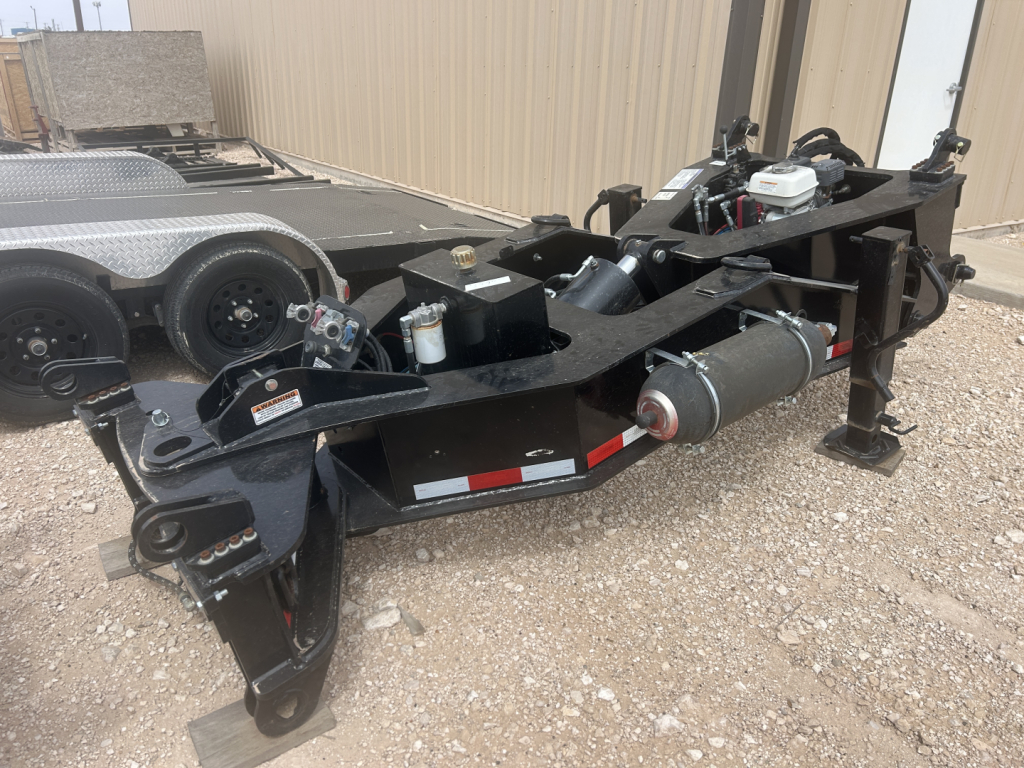
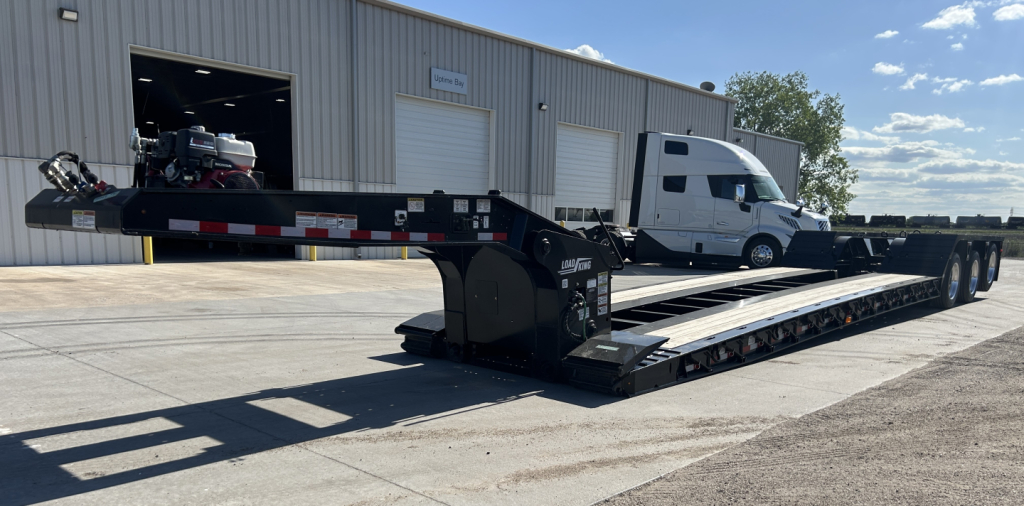
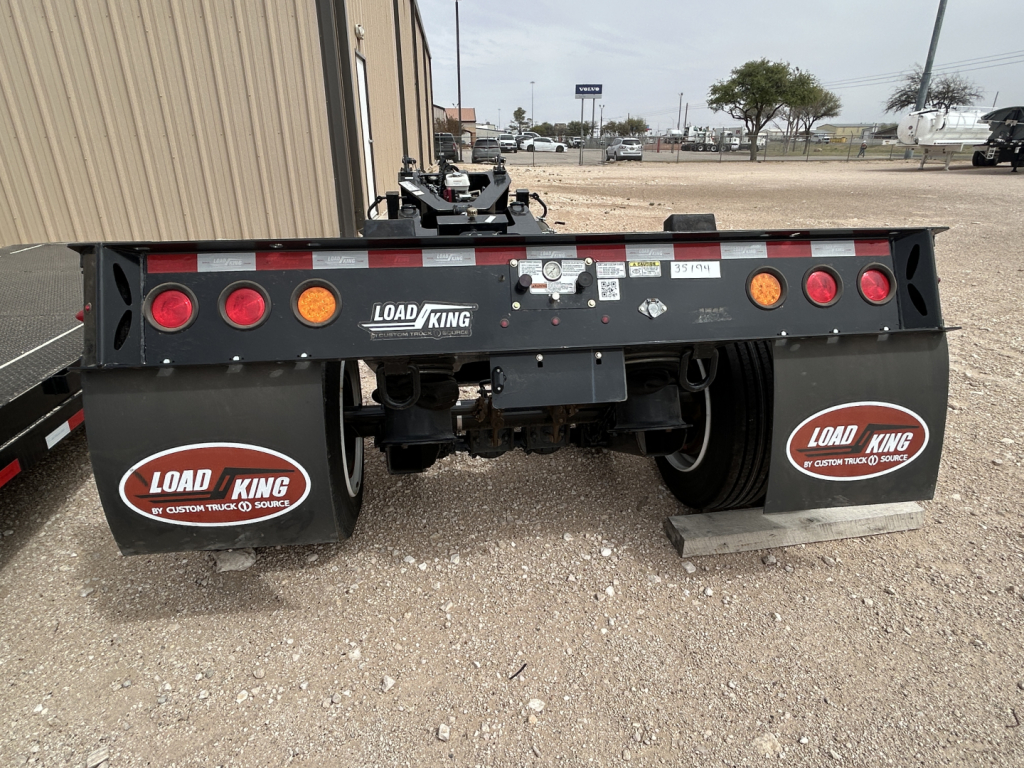
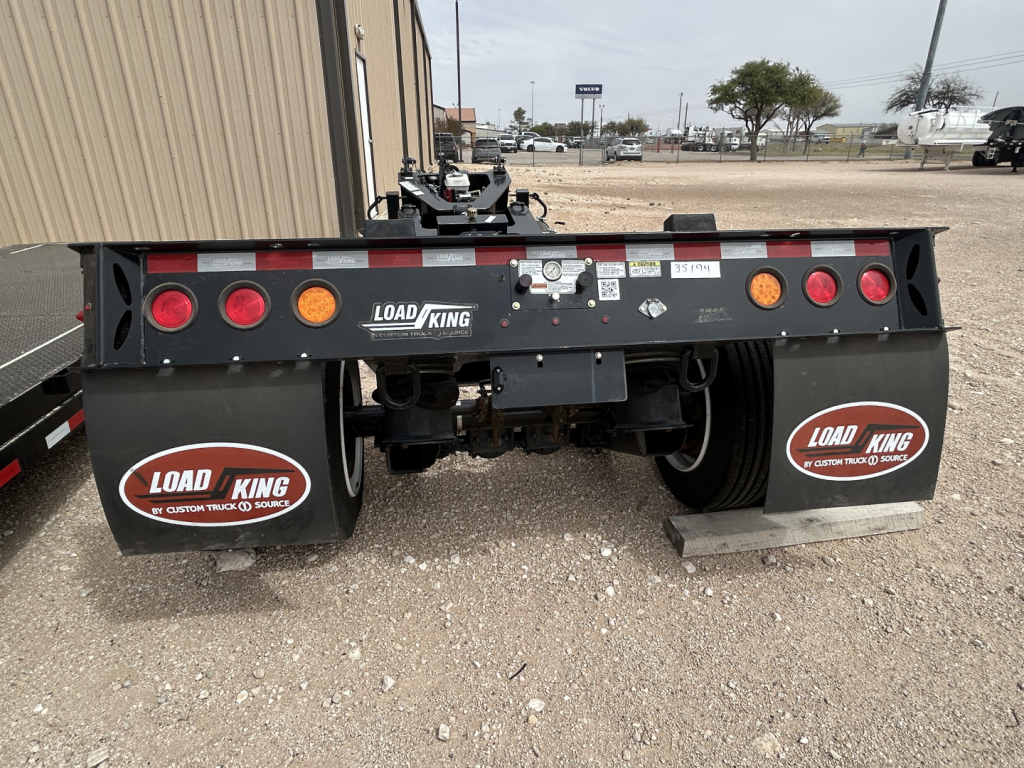
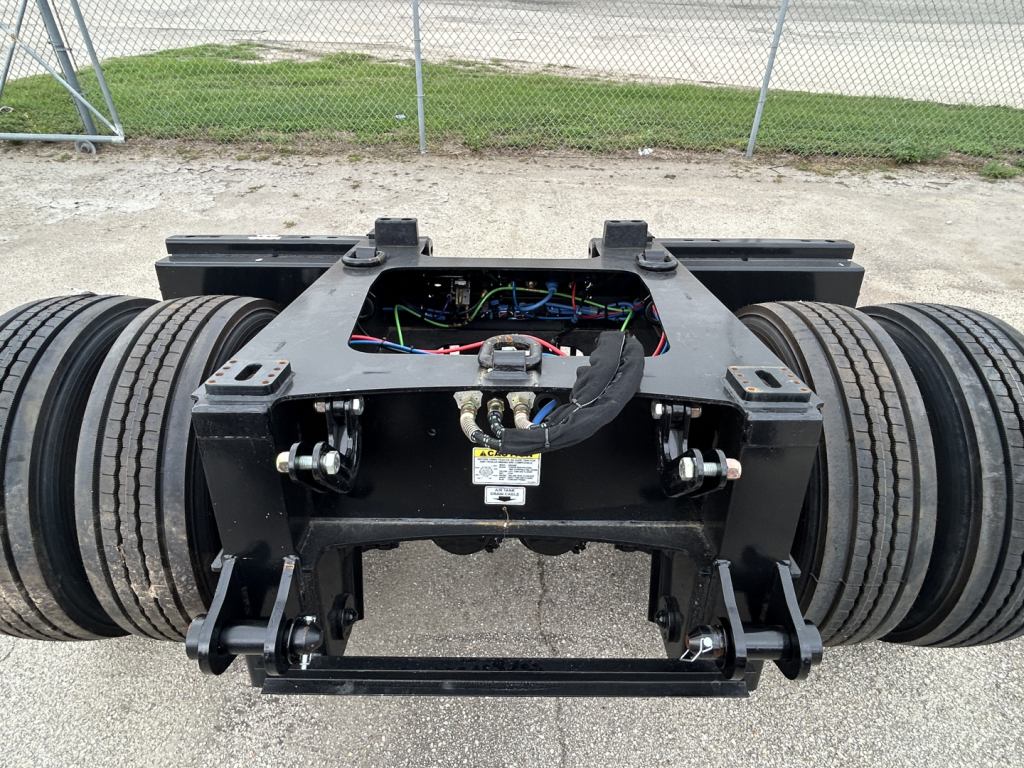
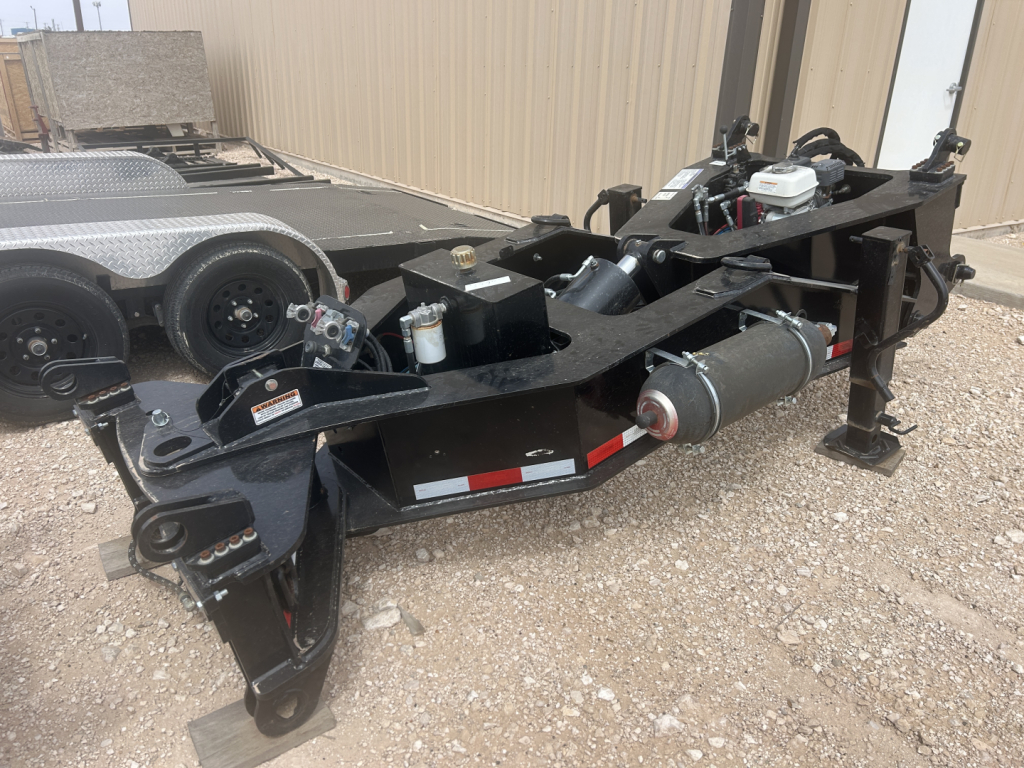
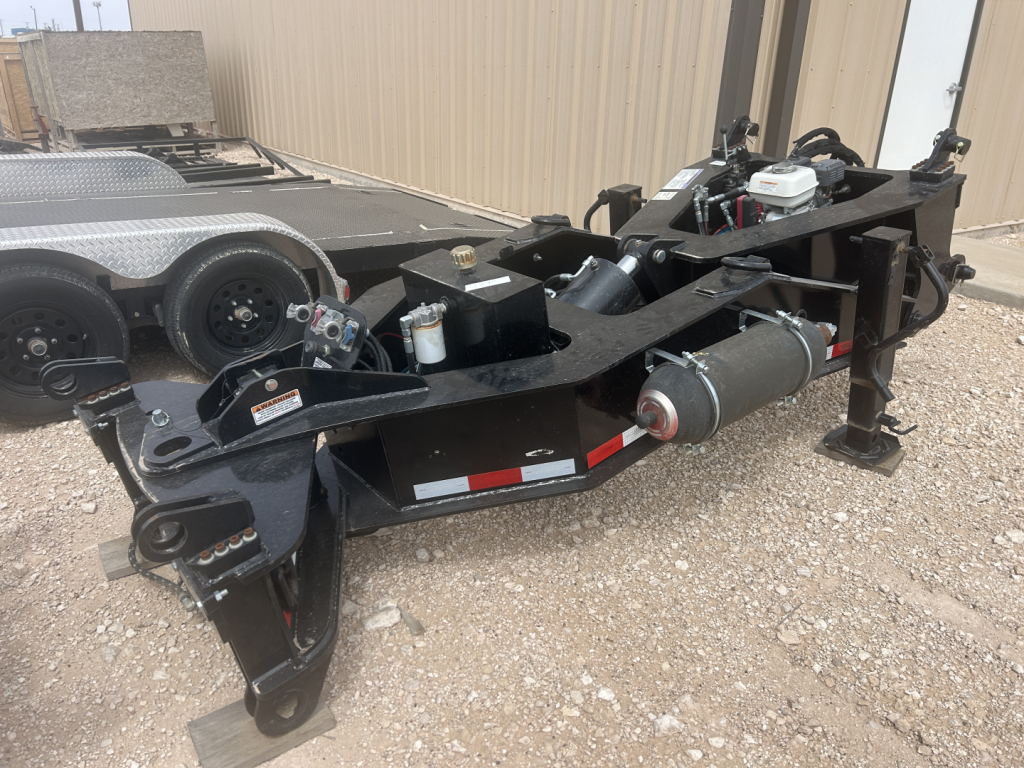
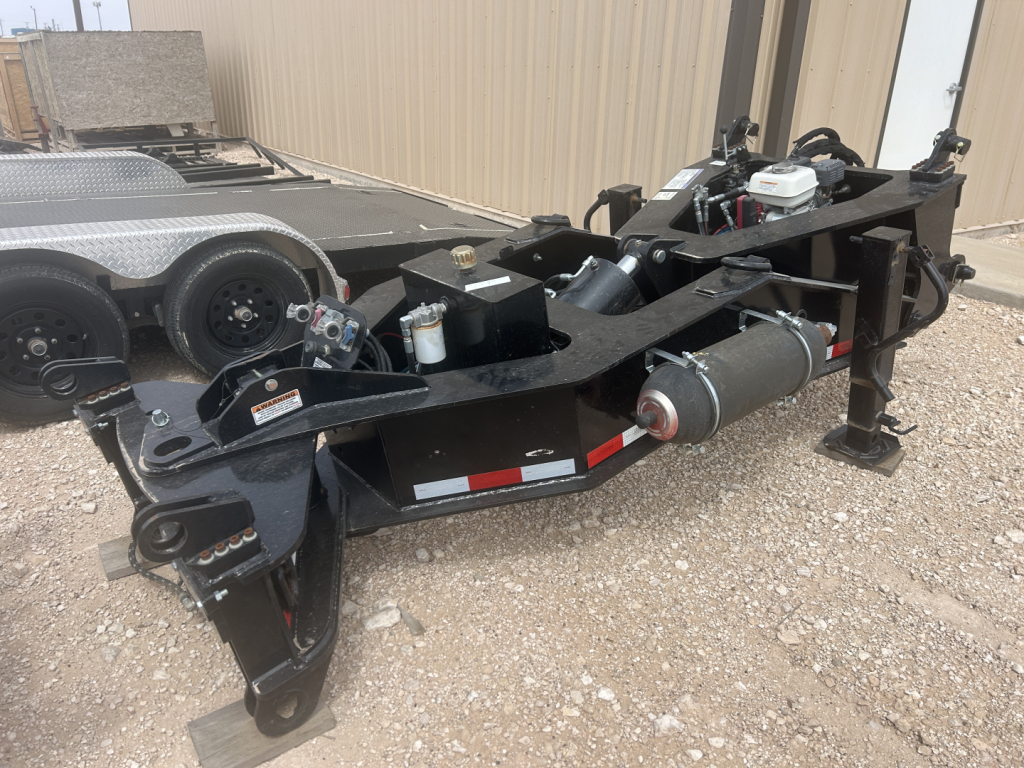
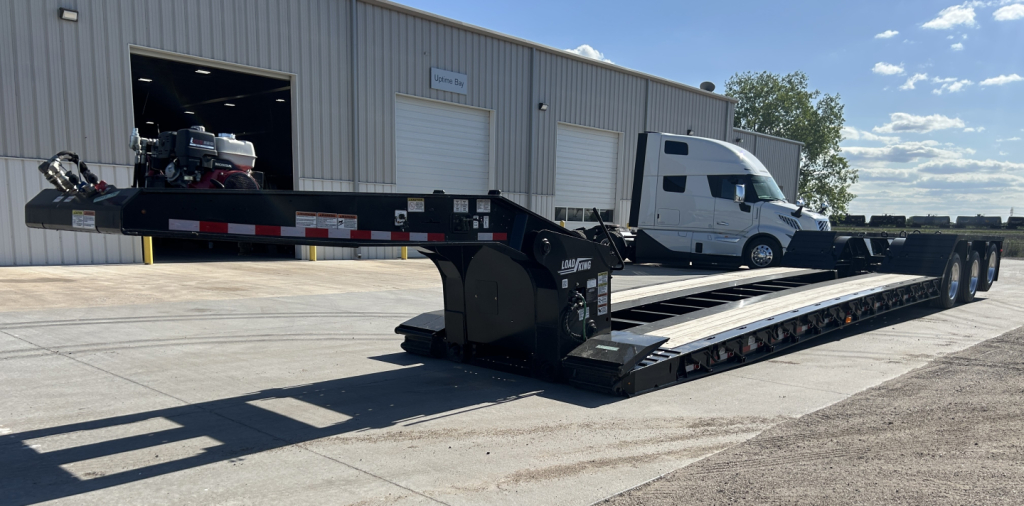
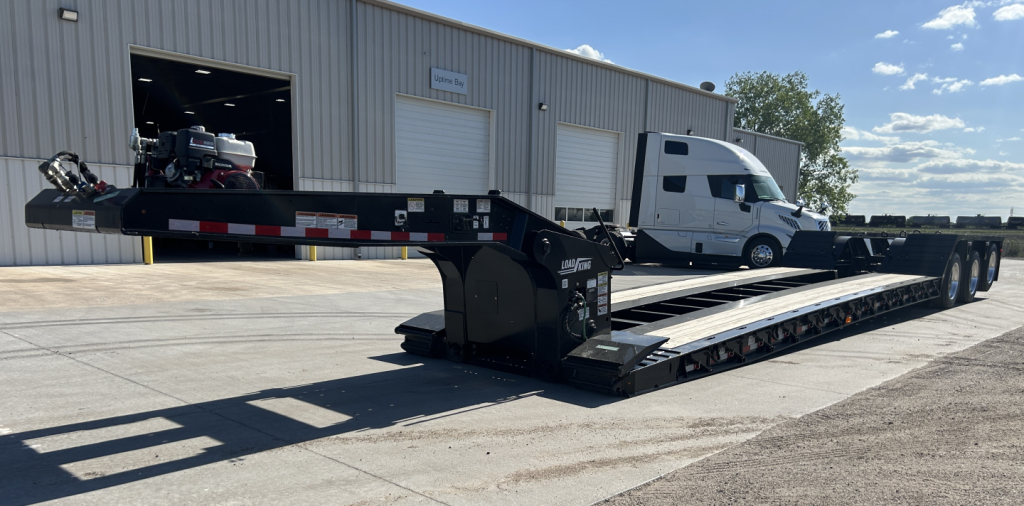
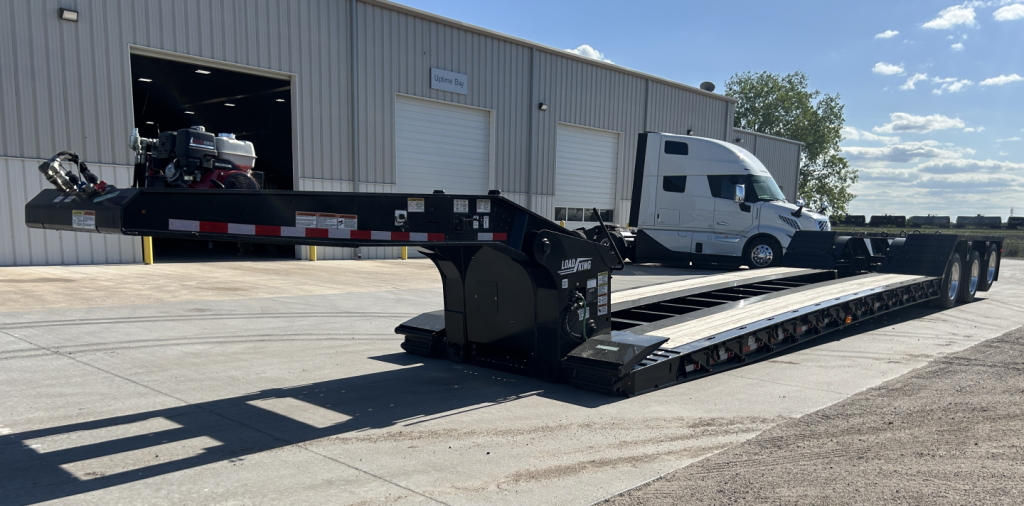
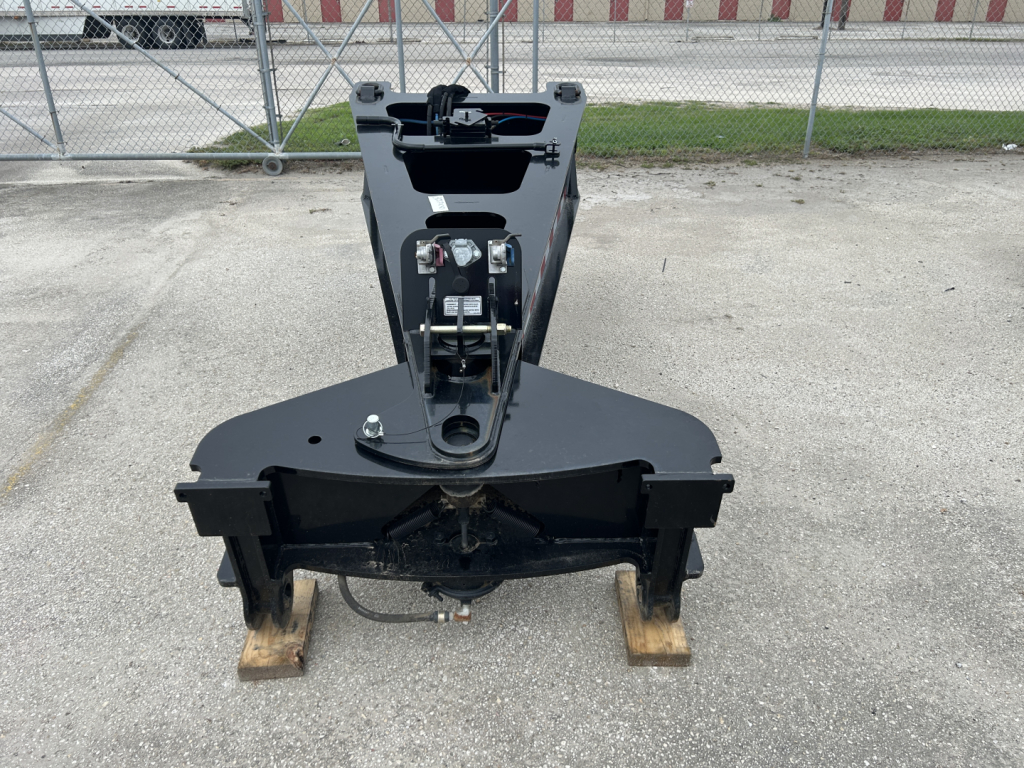
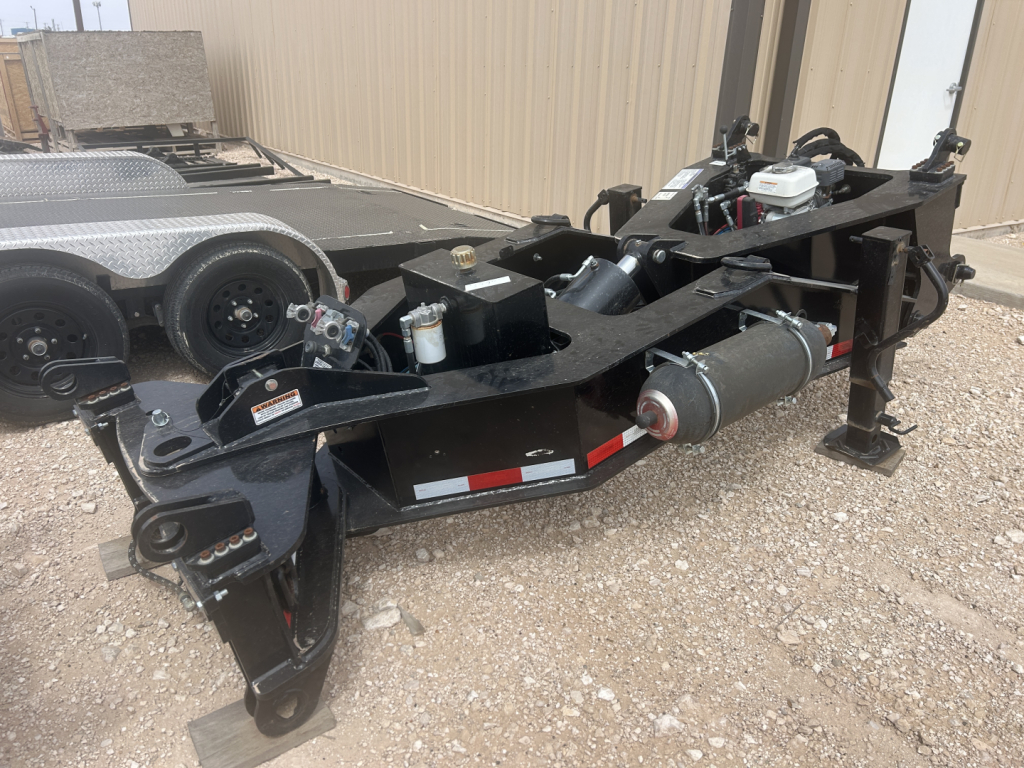
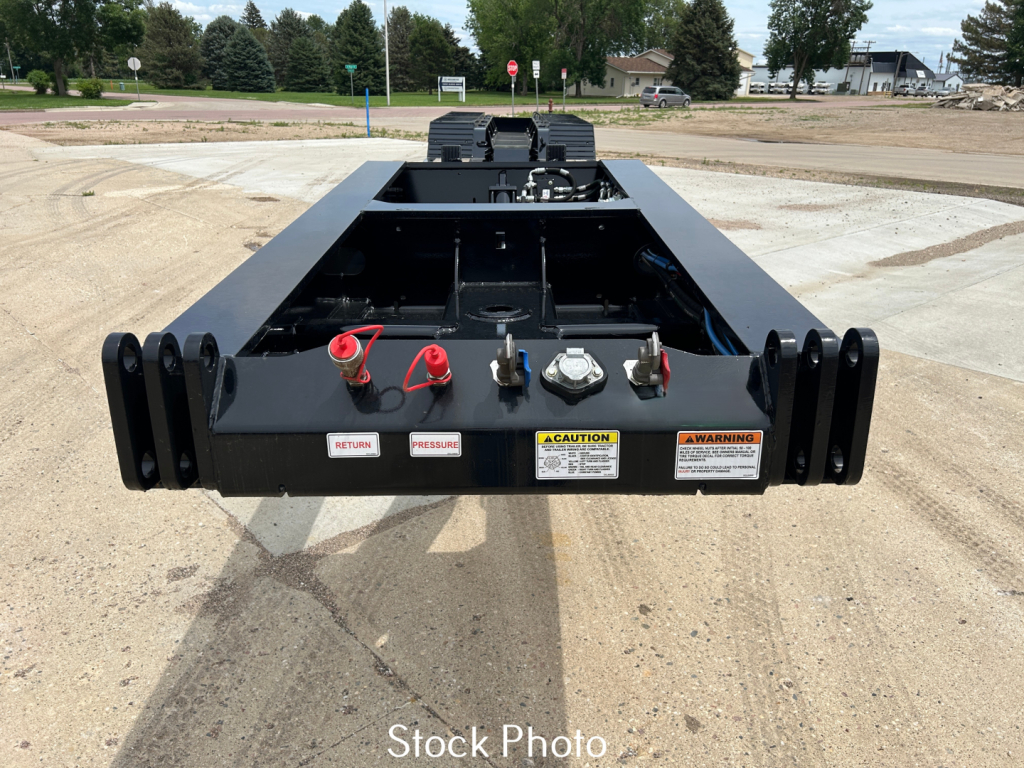
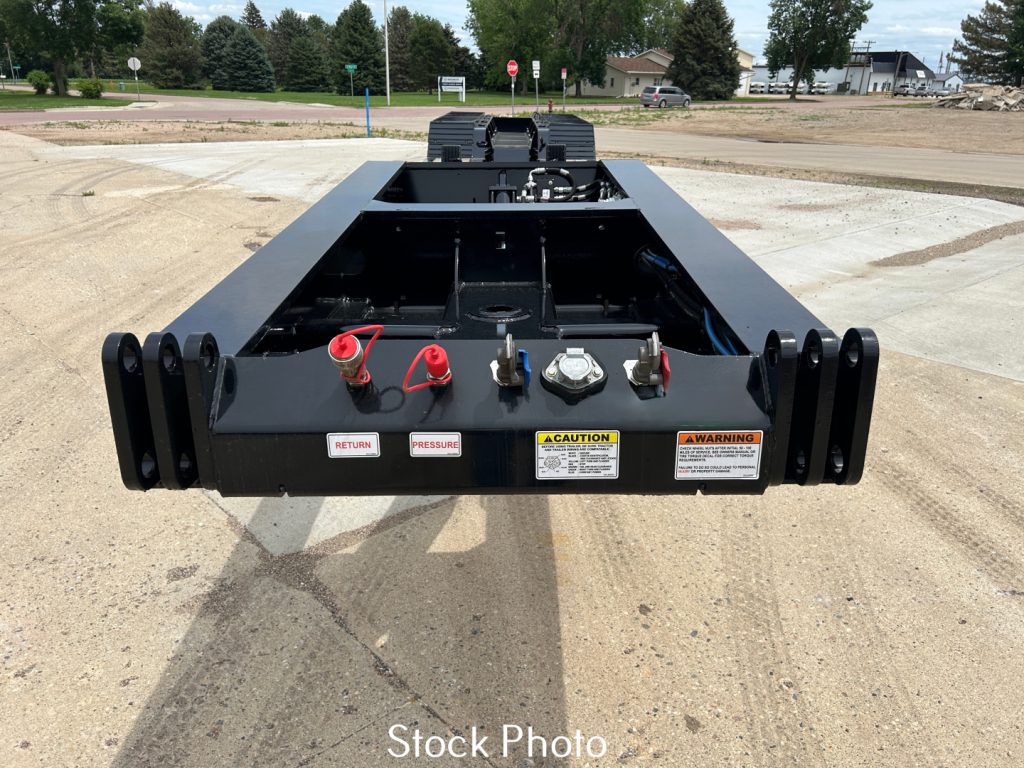
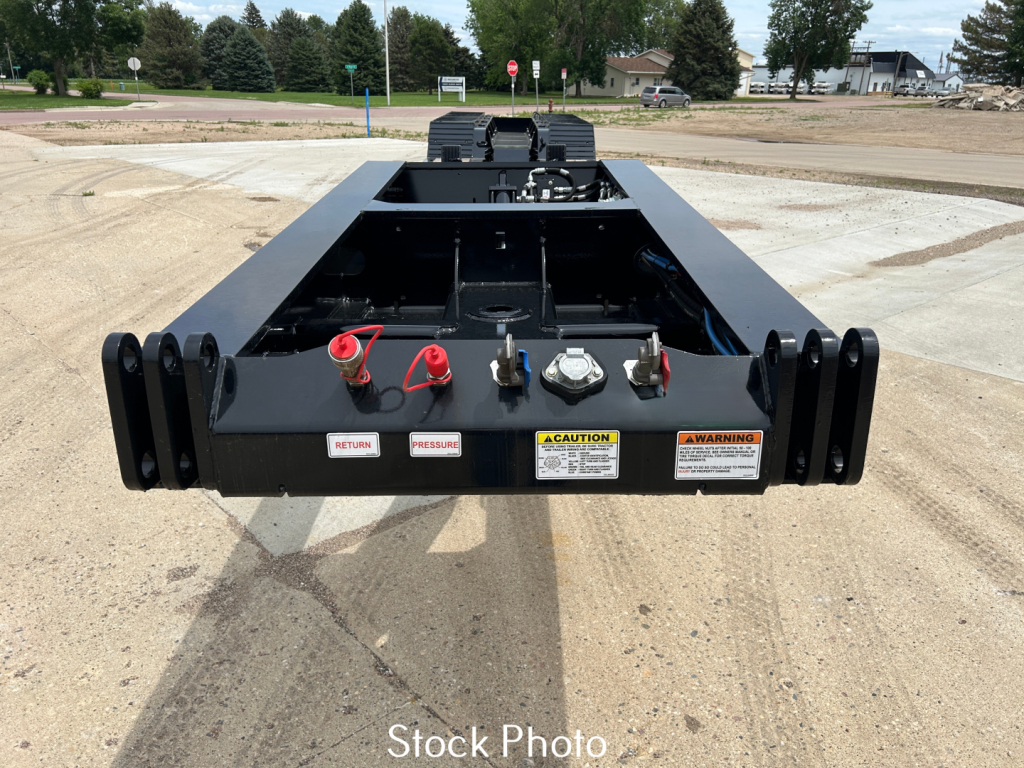
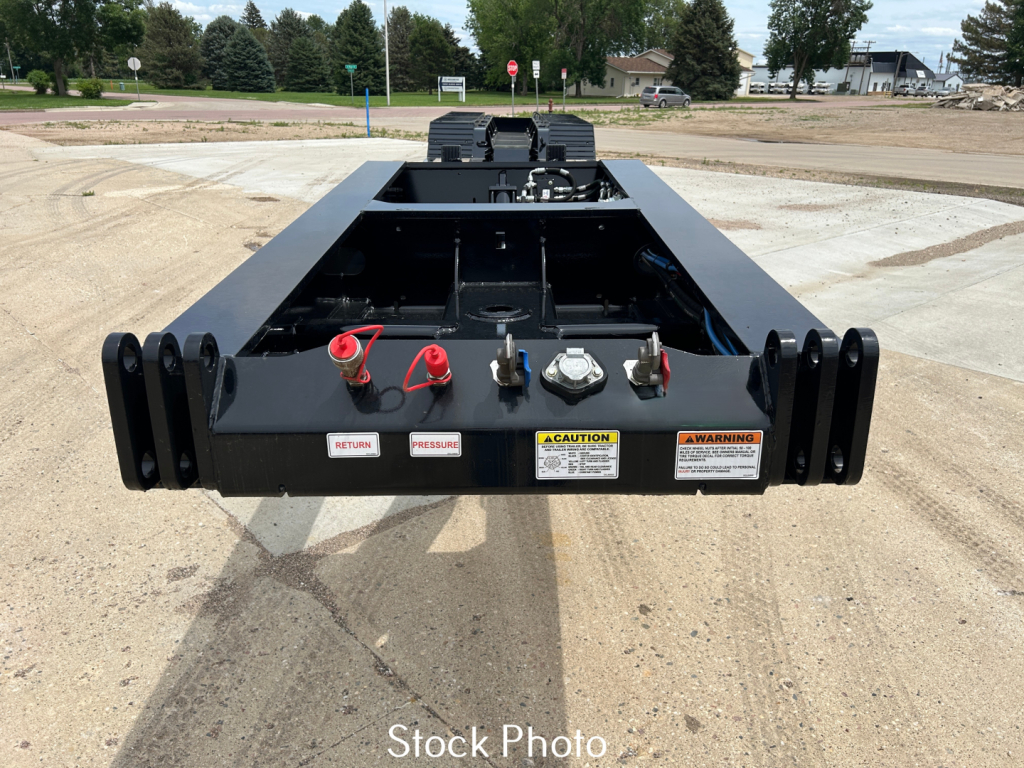

2027 Load King 604/5 SS SF-20" - 8'6" Wide
2027 Load King 604/5 SS SF-20" - 8'6" Wide
Selling a new 2027 load king trailer? List your new 2027 load king trailer for sale and reach thousands of commercial buyers.
New 2027 Load King Trailers in Texas
The first buying decision is usually deck height, axle count, and neck style. Many Load King lowboys in this class run 8-foot-6 or 9-foot overall width, with loaded deck heights around 20 to 24 inches to help move taller iron without giving away legal height. Deck lengths around 26 to 27 feet are common, along with 12-foot-9 to 14-foot goosenecks and hydraulic detachable systems powered by a pony motor, often a 13 HP Honda setup. Buyers comparing listings should pay close attention to swing clearance, ground clearance, flip box connections, axle spacing, and whether the trailer is set up to accept a stinger, flip axle, or additional jeep-style components. Those details directly affect versatility and permit strategy.
Load King specs in this segment often reflect real-world heavy equipment loading needs. Features such as Apitong decking, chain slots, bent or flat D-rings, removable swing-out outriggers, boom troughs, excavator notch plates, backhoe trays, and front flip ramps are common because they make a trailer more usable across mixed fleets. Air ride suspension, axle lift on selected positions, polished or aluminum outer wheels, drum brakes, LED lighting packages, and reinforced wheel areas also show up frequently. For buyers hauling excavators, dozers, pavers, crushers, or specialty equipment, these details matter more than the badge on the side because they determine how efficiently the trailer loads, secures, and survives repeated jobsite use.
Texas buyers should also evaluate how a new 2027 Load King trailer is configured for state and multi-state heavy haul rules. Width, axle spacing, number of axles, and expandability with flip axles or converter-style components can all affect routing and permit costs. A trailer built for 55 tons in a short concentrated area is a different tool than a broader deck setup intended for varied machines and changing weight distribution. The best category choices usually come down to matching deck profile, concentrated load rating, neck geometry, and axle options to the exact machines being hauled most often.
Frequently Asked Questions about New 2027 Load King Trailers in Texas
What type of Load King trailers are most common in this category?
The most common Load King trailers in this category are heavy haul lowboys with hydraulic detachable goosenecks, along with related axle components such as flip axles. These trailers are designed for hauling construction and off-road equipment that would sit too tall or too heavy on a standard flatbed. Buyers will typically see 55-ton to 60-ton class trailers with deck layouts and axle options intended for excavators, dozers, and other concentrated loads.
Why does loaded deck height matter on a Load King lowboy?
Loaded deck height is one of the most important specs because it affects legal transport height and machine compatibility. A lower deck helps haul taller equipment without exceeding route restrictions, which is especially important for excavators with cabs, tall attachments, or machines that cannot be easily broken down. In this category, deck heights around 20 to 24 inches are common, and even a small difference can change what equipment you can move without permit complications.
What should I look for when comparing 55-ton and 60-ton Load King trailers?
Capacity alone does not tell the full story. Buyers should compare the rating in a specified length of deck, axle count, deck width, gooseneck length, swing clearance, and whether the trailer accepts flip axles or other axle extensions. A 60-ton trailer may offer more flexibility for concentrated loads and future equipment changes, but the right choice depends on how your weight is distributed and what your permitting needs look like in Texas and neighboring states.
What is a flip axle, and why would a buyer want one?
A flip axle is an auxiliary axle assembly added to the rear of a lowboy to help distribute weight and increase legal carrying capability under permit. It can be an important option for operators moving heavier machines or working across states with stricter axle group rules. When matched correctly to the trailer, a flip axle can improve compliance, reduce per-axle loading, and expand the range of loads the trailer can handle.
Which trailer features matter most for hauling excavators and similar equipment?
For excavator work, buyers should focus on boom trough design, excavator notch plates, backhoe trays, chain slot layout, D-ring placement, ramp configuration, and concentrated load capacity. Swing-out outriggers and reinforced wheel areas are also valuable when loading machines with wide tracks or uneven weight distribution. These features improve loading position, securement options, and long-term durability when the trailer is used hard in construction service.